

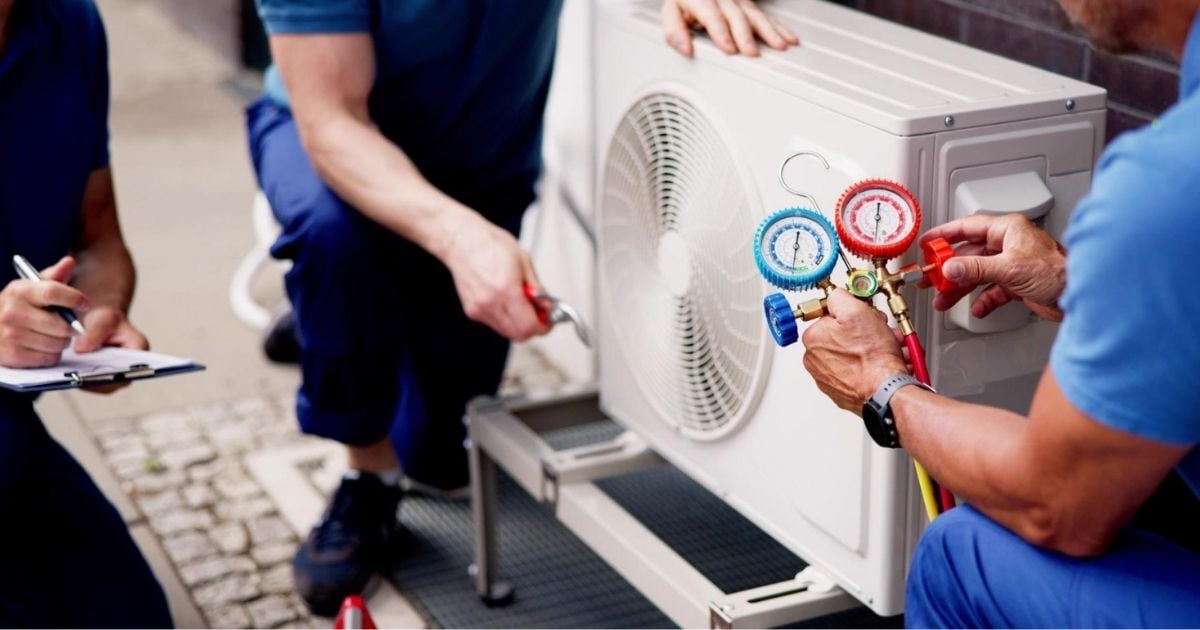
If you manage a commercial building, emergency HVAC calls are one of the most frustrating and expensive problems you deal with.
They never happen at a convenient time. It is usually during peak heat, a cold stretch, or when your building is fully occupied. Tenants are uncomfortable, your team is reacting under pressure, and costs add up quickly.
At Harold Brothers Mechanical, we work with commercial buildings across Massachusetts, Rhode Island, and Southern New Hampshire, and we see the same pattern again and again.
Emergency calls are rarely random. In most cases, they are the result of small issues building over time.
The difference is not luck. It is how the system is maintained.
In this article, you will learn where emergency HVAC calls come from, how our preventative maintenance program prevents them, and how we consistently reduce emergency service calls by 30% or more.
Why Do Emergency HVAC Calls Happen in Commercial Buildings?
Most emergency HVAC calls feel sudden.
One day everything seems fine. The next day, a unit is down or the building is uncomfortable.
But most failures are not sudden.
They are caused by gradual system decline, missed maintenance, and small issues going unnoticed until the system is pushed during peak demand.
At Harold Brothers Mechanical, we often find the root cause had been developing for weeks or months. The system was giving signals, but no one was tracking them.
That is what turns a manageable issue into an emergency.
Where Do Most Emergency HVAC Calls Actually Come From?
When we review service history across commercial buildings, the causes are consistent.
Deferred maintenance is one of the most common. When filters clog, belts wear down, or drains back up, airflow drops and systems work harder. Over time, this leads to failure.
Control systems also drift out of alignment. Schedules change, sensors lose accuracy, and overrides are left in place. This creates longer runtimes and uneven temperatures that wear down equipment.
Airflow and hydronic imbalances are another major factor. These often show up as comfort complaints first, but if left unresolved, they increase strain and lead to breakdowns.
Seasonal transitions also expose weaknesses. Systems that are not prepared for demand often fail when they are needed most.
In many buildings, the biggest issue is a lack of visibility. Without reporting or tracking, problems develop unnoticed.
At Harold Brothers Mechanical, we treat these as early warning signs, not isolated issues.
How Harold Brothers Designs PM Programs to Reduce Emergency Calls
Most maintenance programs follow a checklist. They maintain equipment, but they do not actively reduce risk.
At Harold Brothers Mechanical, our program is built differently.
Because we are involved in commercial HVAC construction across New England, we understand how systems are designed, installed, and intended to operate from the beginning.
That full-system perspective allows us to focus on how the entire system is performing and where risk is developing. This is one of the key reasons our clients see a 30%+ reduction in emergency calls.
Identifying Problems Early
We focus on known failure points such as electrical components, drainage systems, airflow restrictions, and wear items. We identify early warning signs and address them during planned service.
Stabilizing System Performance
We take a building-wide approach by verifying sensors, reviewing controls, and checking airflow.
This reduces the conditions that lead to complaints and emergency calls.
Maintaining High-Risk Components
Many breakdowns come from small issues. Filters, belts, coils, and electrical connections all impact reliability.
Maintaining these consistently prevents failures.
Providing Ongoing Visibility
After each visit, we provide reporting with photos, videos, and clear notes so you can track system performance and make informed decisions.
Creating Consistency Across the Property
In many buildings, maintenance is inconsistent across tenants and vendors.
We bring everything under one structured program, improving performance and reducing risk.
What Does a 30% Reduction in Emergency Calls Actually Mean?
Reducing emergency calls changes how your building operates.
Instead of reacting to problems, you begin managing them.
The impact includes:
- Fewer after-hours service calls
- Lower emergency labor costs
- Reduced tenant disruption
- More predictable budgets
- Less equipment downtime
At Harold Brothers Mechanical, we see this shift improve both system performance and overall operations.
What This Looks Like in a Commercial Building
We worked with a North Shore office building just outside Salem that was dealing with frequent HVAC issues and tenant complaints.
Before working with Harold Brothers, the building relied on reactive service with no consistent maintenance structure. Emergency calls were routine during peak demand.
After implementing our preventative maintenance program, we corrected airflow issues, adjusted controls, and addressed problems early.
As system performance stabilized, emergency calls dropped significantly.
The building moved from reacting to problems to managing them, improving comfort and reducing costs.
Why Buildings Don’t See These Results
Most buildings do not see these results because their maintenance is not designed to reduce risk.
Many programs rely on checklists, limited reporting, and inconsistent service. These gaps allow small issues to go unnoticed until they become failures.
At Harold Brothers Mechanical, we focus on performance, visibility, and long-term reliability. That is what allows our clients to reduce emergency calls and operate with more control.
Is a Harold Brothers Preventative Maintenance Program Right for Your Building?
Emergency HVAC calls are not random. They are the result of small issues that were not addressed early.
With the right preventative maintenance program, those issues can be identified and corrected before they turn into system failures.
At Harold Brothers Mechanical, we help commercial building owners and managers take control of their HVAC systems and create more predictable operation.
If your building is experiencing frequent service calls, inconsistent comfort, or rising HVAC costs, the next step is to understand how your system is being maintained.
Request a preventative maintenance plan tailored to your building and take a more proactive approach to performance and risk.

