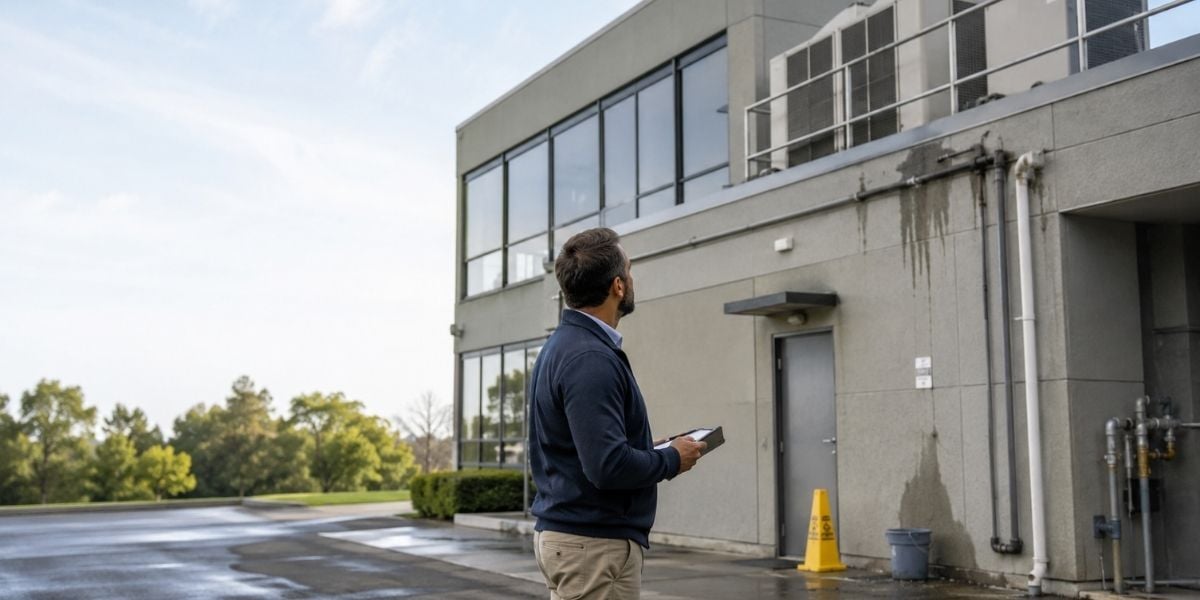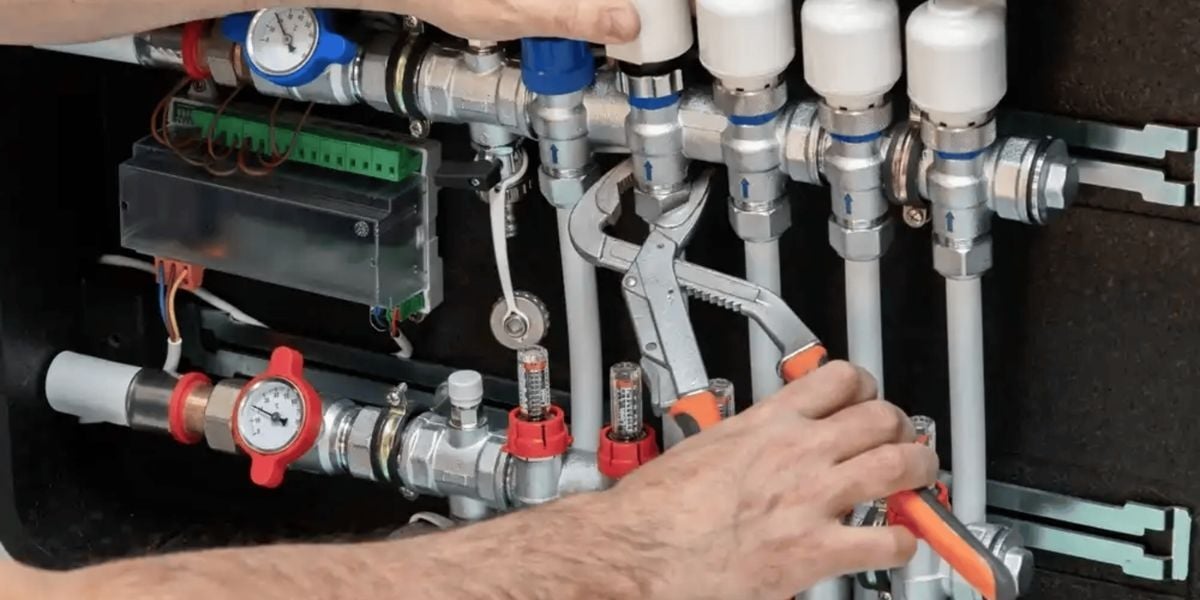

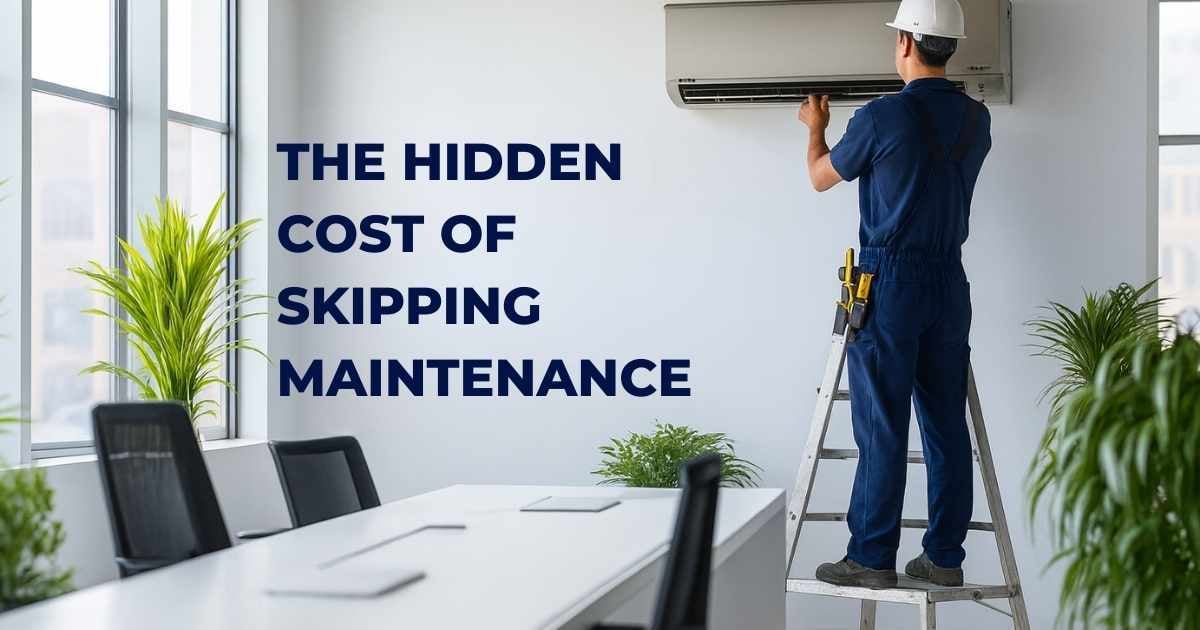
If you manage a commercial building in Massachusetts, you already juggle enough competing priorities. Between budgets, tenant needs, and daily operations, HVAC maintenance can feel like something you can put off. After all, if the system is running, it must be fine, right?
Not exactly.
Most HVAC failures do not happen suddenly. They build up slowly over months. A filter that should have been changed. A coil that never got cleaned. A part that started wearing out long before it finally failed. Skipping preventative maintenance does not save money. It simply delays a much larger and more expensive problem.
At Harold Brothers Mechanical Contractors, over the past seventeen years we've seen the same pattern in offices, retail centers, schools, and manufacturing facilities across New England. Buildings that fall behind on maintenance almost always end up dealing with avoidable repairs, temperature swings, and higher operating costs.
Below, you will learn exactly what happens when preventative maintenance is skipped and why staying ahead is far cheaper than reacting after the damage is done.
1. Rising Energy Bills Are the First Sign Your HVAC System Is Falling Behind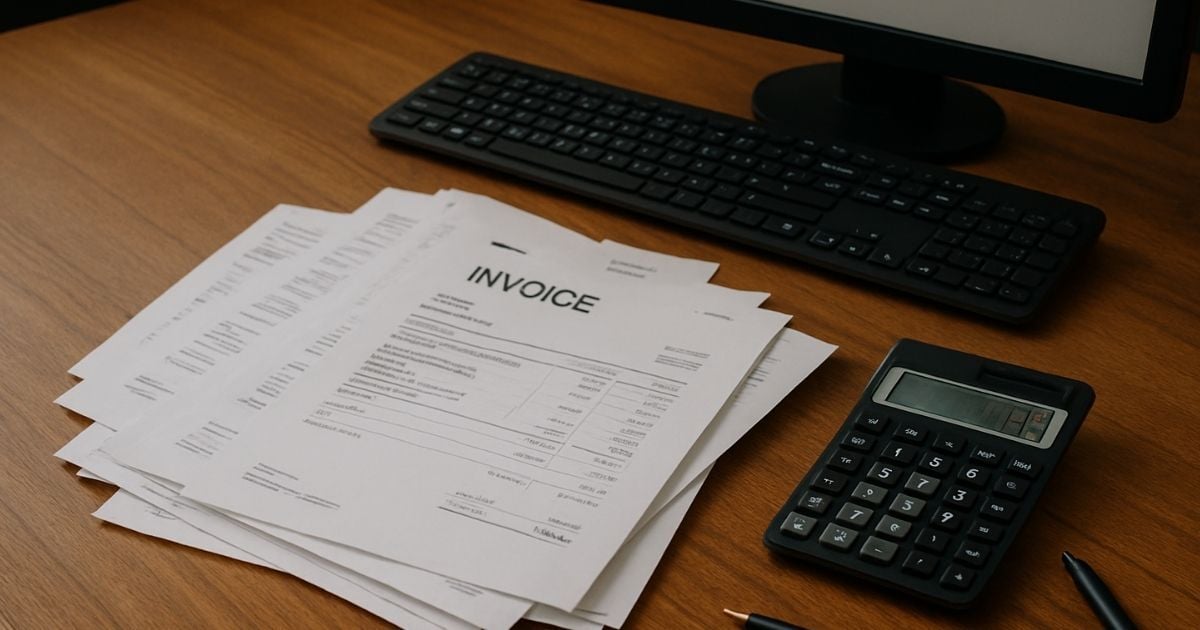
The first warning sign is usually financial.
When coils get dirty, airflow is restricted, or parts are out of tune, your system has to work harder to heat or cool the building. It may still run, but it uses far more energy to do it.
Many buildings see energy use climb by 10 to 25 percent simply because the equipment is overdue for cleaning or calibration. See how you can cut costs.
In Massachusetts, where temperature swings can be extreme, wasted energy adds up fast.
2. Hot and Cold Spots Begin When Maintenance Is Missed
Hot and cold spots rarely come out of nowhere. They develop slowly as:
- Thermostats drift out of calibration
- Vents or returns get blocked
- Airflow becomes unbalanced
- Coils and filters get dirty
- Parts start losing efficiency
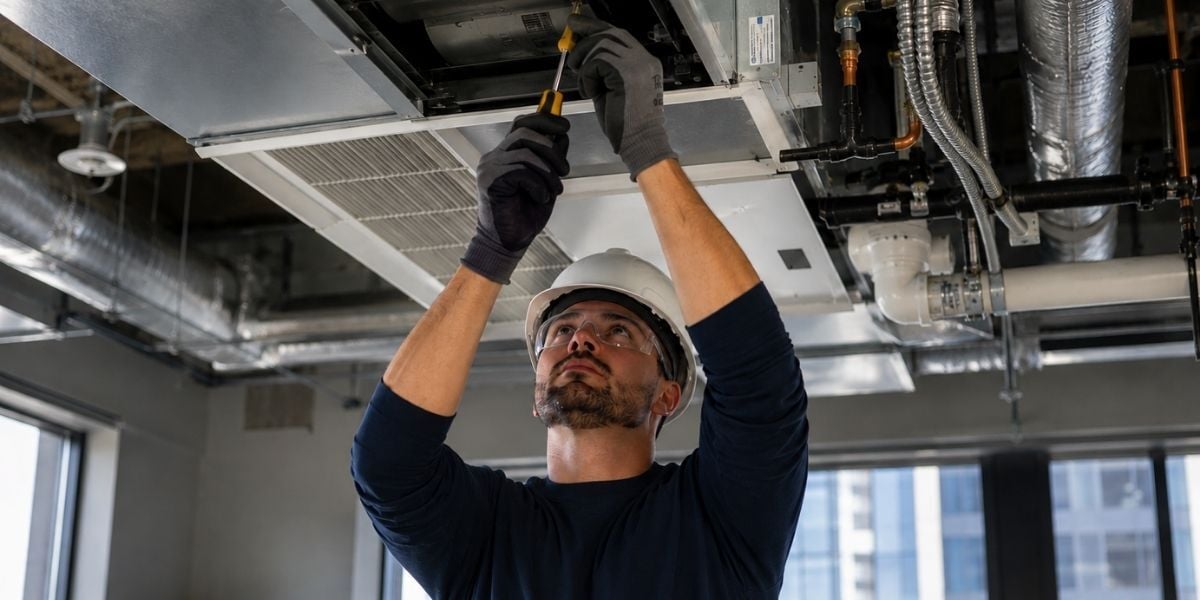
Without maintenance, the system can’t keep up with demand. That’s when complaints start rolling in: “This room never warms up,” “That conference room is always freezing,” or “The system feels like it’s running nonstop.” Learn what exactly is included with a Harold Brothers PM visit.
3. Premature Equipment Wear Shortens the Life of Your HVAC System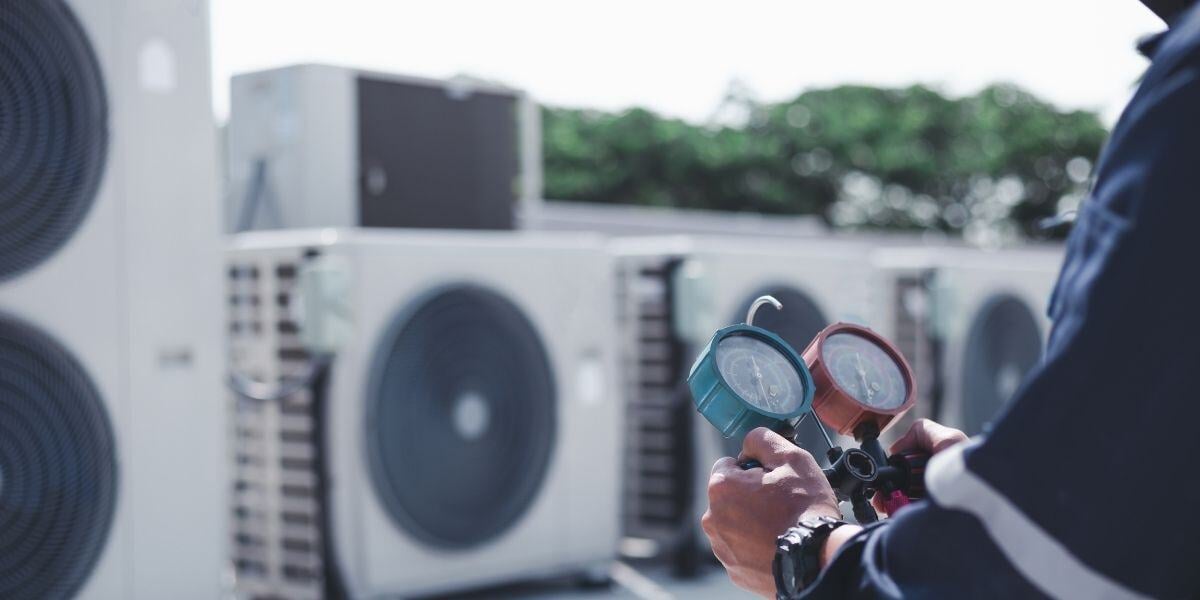
HVAC equipment is expensive.
Skipping routine maintenance forces it to operate under constant strain. Pressures are higher, run times are longer, and components cycle more often than they should.
This leads to:
- Premature compressor failures
- Burned-out motors
- Overheated electrical components
- Shortened equipment lifespan
A system that should last 15–20 years may only last 8–12 without proper care, learn how preventative maintenance improves long term ROI.
4. Small HVAC Issues Turn Into Emergency Breakdowns
Most emergency service calls begin as tiny, fixable problems that started months earlier. A 25 dollar filter that never gets changed can eventually cause a 2,500 dollar blower motor failure. A coil that stays dirty for too long can force the compressor to overheat.
A loose belt that should have been tightened during a routine visit can snap and shut the system down. Even a minor refrigerant leak, if ignored, can quietly turn into a major repair.
Emergency repairs are almost always more expensive, and they tend to happen at the worst possible time, whether it is the peak of summer heat or the first freezing stretch of winter. It is time to think about planned maintenance instead of reactive repairs.
5. Unpredictable System Performance Makes Your Building Harder to Manage
Without maintenance, your HVAC system becomes harder to trust.
Common symptoms include:
- Slow temperature recovery
- Equipment running longer than normal
- Frequent short cycling
- Loud or unusual noises
- Odors from dirt or moisture buildup
- Rising humidity levels
When a system becomes unpredictable, so do your costs.
6. Your HVAC Warranty May Be Voided Without Documented Maintenance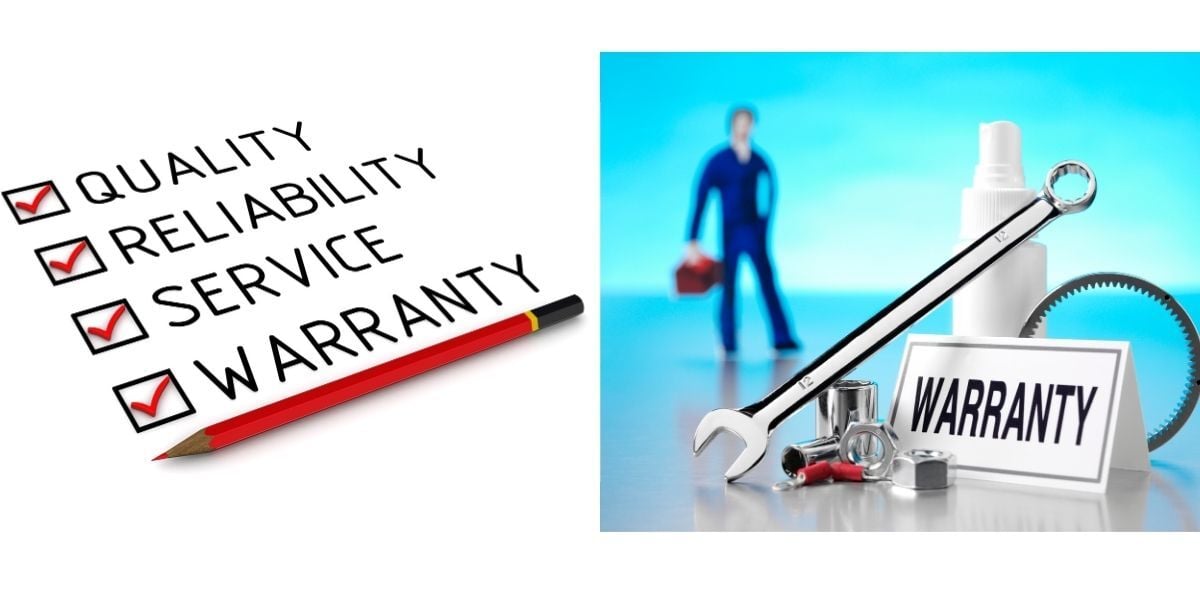
Most commercial HVAC warranties require documented maintenance.
If something fails and there’s no record of service, manufacturers can deny the claim, leaving you responsible for the full cost of repairs or replacement.
7. Indoor Air Quality Declines When Maintenance Is Skipped
When filters are overdue and coils are dirty, the system cannot properly remove dust, allergens, and contaminants. This is especially noticeable in offices with recycled air or older duct systems.
Poor IAQ leads to:
- Employee discomfort
- Increased dust in the workspace
- More odors
- Higher risk of mold around coils or drain pans
8. Your Annual Budget Becomes Less Predictable and Costs Increase
One of the biggest advantages of preventative maintenance is predictability.
When you skip it, you lose control over both:
- When breakdowns happen
- How much repairs will cost
Most facilities end up spending far more on emergency calls than they ever would have on a planned maintenance program.
What Skipping Preventative Maintenance Really Costs Your Building
| Problem You Experience | What It Means for Your Building |
|---|---|
| More downtime | Unexpected shutdowns disrupt operations and frustrate tenants. |
| Higher energy bills | Equipment works harder and less efficiently, driving up monthly costs. |
| Faster equipment failure | Components wear out sooner, leading to costly replacements. |
| More tenant complaints | Temperature swings and comfort issues increase dissatisfaction. |
| Bigger repair costs | Small issues escalate into emergency repairs that are far more expensive. |
| Shorter system lifespan | Systems that should last 15 to 20 years may fail years earlier. |
Key Takeaway
Skipping maintenance is not a cost saving strategy. It is a cost shifting strategy that always catches up eventually.
Why Taking Action Now Protects Your HVAC System Long Term
Skipping maintenance does not just create problems. It causes issues to stack on top of each other. Higher energy bills, faster equipment wear, temperature complaints, and surprise breakdowns are all signs that the system has not been inspected in too long.
The good news is that most of these issues can be prevented once a technician evaluates the equipment.
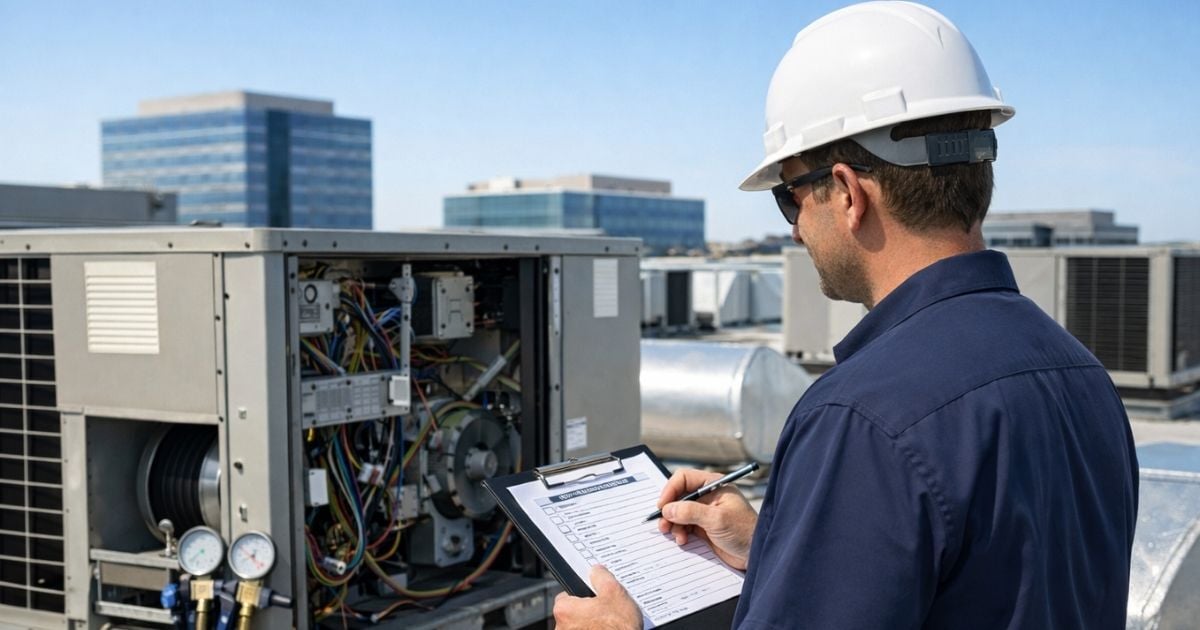
If you want a clear, behind-the-scenes take a look at what happens during a preventative maintenance visit and how each step protects your system. It explains what technicians clean, inspect, test, and adjust so you know what you are paying for and why it matters.
At Harold Brothers Mechanical Contractors, we help commercial buildings across New England reduce downtime, avoid emergency repairs, and extend the life of their HVAC systems. When you want fewer surprises and a more reliable building, our team is ready to help.

Topics: