
A commercial HVAC problem can be frustrating enough the first time it happens. What is even more frustrating is paying for repairs only to have the same issue come back a few weeks or months later.
A rooftop unit stops cooling. Certain offices stay too hot. Employees complain about temperature swings. A technician repairs the problem, but before long, the complaints return.
At Harold Brothers Mechanical, we have worked with commercial building owners, facility managers, and property managers throughout New England who found themselves trapped in this cycle. In many cases, the equipment itself was not the real problem. The root cause had never been identified or corrected.
In this article, you'll learn why HVAC problems keep coming back in commercial buildings, what causes repeat service calls, and how preventative maintenance can help stop recurring HVAC issues.
Are You Fixing the Symptom Instead of the Real HVAC Problem?
Many HVAC repairs focus on restoring operation as quickly as possible. While this is often necessary during an emergency, it does not always solve the underlying issue.
For example, adding refrigerant may restore cooling temporarily. However, if a refrigerant leak is not located and repaired, the system will eventually lose cooling again. Likewise, replacing a failed motor may get a unit running, but the new motor could fail if poor airflow or electrical problems caused the original failure.
When the root cause remains in place, the same HVAC problem often returns.
What HVAC Maintenance Issues Commonly Cause Repeat Problems?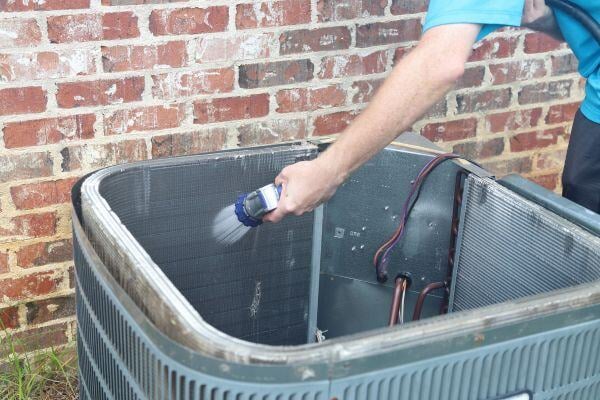
Many recurring HVAC problems begin with small maintenance issues that gradually worsen over time.
Common examples include:
- Dirty air filters are restricting airflow
- Clogged condenser or evaporator coils
- Loose electrical connections
- Worn belts and bearings
- Poor lubrication of moving components
- Blocked drain lines
- Improper refrigerant levels
Individually, these issues may seem minor. Together, they can create system strain that leads to equipment failures, comfort complaints, and costly emergency repairs.
What Hidden HVAC Problems Are Often Missed During Service Calls?
 HVAC Control System Issues
Many recurring HVAC problems are actually control issues rather than equipment failures. A faulty sensor, incorrect schedule, or improperly programmed thermostat can cause ongoing comfort problems even when the equipment is functioning properly.
Airflow Imbalances
Poor airflow can create hot and cold spots throughout a building. Employees may constantly adjust thermostats while the real problem stems from blocked ducts, damaged dampers, or improper balancing.
Electrical Problems
Intermittent electrical issues and HVAC error codes can be difficult to diagnose because the equipment may appear to work normally during a service visit. Loose connections, voltage fluctuations, and failing components often create recurring problems that return unexpectedly.
How Does Aging HVAC Equipment Cause Ongoing Problems?
Every HVAC system reaches a point where age begins to affect reliability.
As equipment gets older, components experience wear and tear that can lead to a series of unrelated failures. A building owner may feel like the same HVAC problem keeps returning when, in reality, multiple aging components are reaching the end of their useful life.
Older systems often require more frequent repairs, operate less efficiently, and become increasingly difficult to maintain. While replacement may not always be necessary immediately, aging equipment should be evaluated as part of a long-term facility plan.
What Building Changes Can Create New HVAC Problems?
Many commercial buildings operate differently today than they did when their HVAC systems were originally designed.
Changes that commonly affect HVAC performance include:
- Increased building occupancy
- New office layouts
- Additional computer equipment
- Expanded operating hours
- Renovations and tenant improvements
- Changes in manufacturing processes
- New ventilation requirements
When building demands increase, the HVAC system may struggle to keep up. What appears to be an equipment failure may actually be a capacity or design issue.
Why Is HVAC Service History Important for Solving Recurring Problems?
Identifying Patterns
Service records help technicians identify recurring issues that may otherwise appear unrelated. When repair history is available, patterns often become easier to spot.
Tracking Previous Repairs
Knowing what components were repaired or replaced can eliminate unnecessary troubleshooting and help technicians focus on likely causes. This information also creates a documented service history that technicians can reference during future visits.
Supporting Long-Term Planning
Historical service data helps building owners make informed decisions about repairs, upgrades, maintenance budgets, and future equipment replacement.
How Can Preventative Maintenance Stop Recurring HVAC Problems?
The best way to stop recurring HVAC problems is to identify issues before they become emergencies.
Preventative maintenance allows technicians to inspect equipment, monitor performance trends, verify operating conditions, and address small issues before they lead to major failures.
Rather than waiting for something to break, preventative maintenance focuses on improving reliability, reducing downtime, and extending equipment life. It helps facility managers move from reactive repairs to proactive planning.
Why Do HVAC Problems Keep Coming Back?
Recurring HVAC problems rarely happen by accident. In most cases, the issue isn't the repair itself—it's that the underlying cause was never fully identified or corrected. Whether the problem stems from deferred maintenance, airflow restrictions, control system issues, aging equipment, or changing building demands, solving the root cause is the key to preventing repeat breakdowns.
If your commercial building continues to experience the same comfort complaints, emergency repairs, or equipment failures, you're likely dealing with more than a one-time issue. Repeated service calls can increase operating costs, create occupant frustration, and shorten the life of your HVAC equipment.
Your next step is to evaluate whether your current maintenance strategy is reactive or proactive. Are you identifying root causes or simply reacting to symptoms? A proactive maintenance program can help uncover hidden issues, track system performance over time, and reduce the likelihood of recurring HVAC problems before they disrupt your operations.
At Harold Brothers Mechanical, we work with commercial building owners, facility managers, and property teams throughout New England to improve HVAC reliability through preventative maintenance, system evaluations, and long-term planning. If you're tired of dealing with the same HVAC problems over and over again, we can help you identify what's really causing them and develop a plan to keep them from coming back.