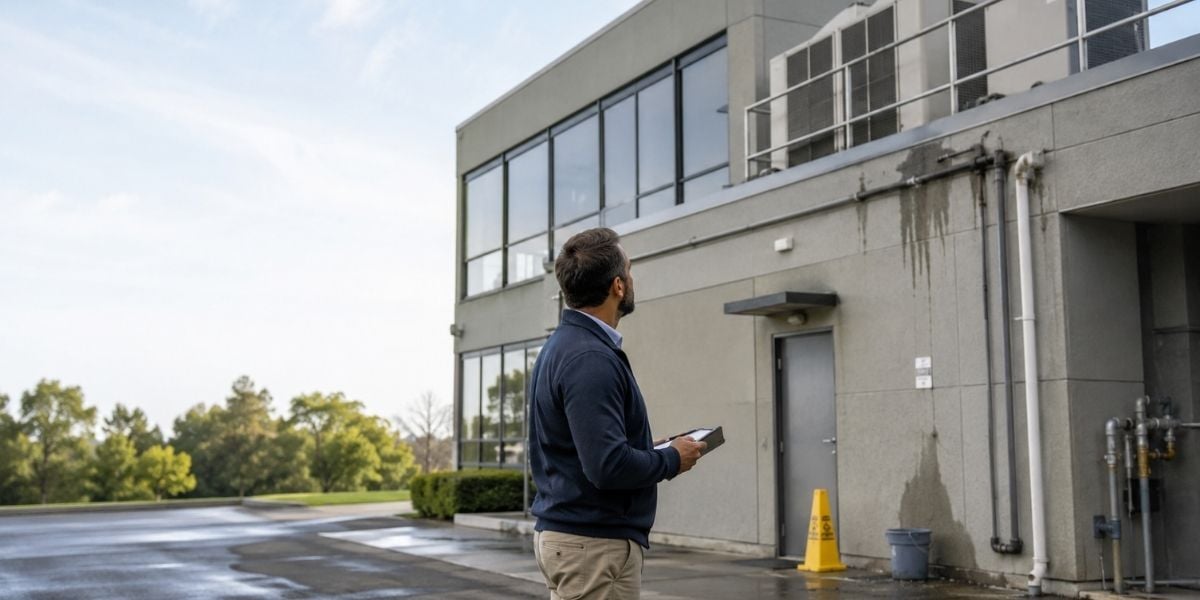

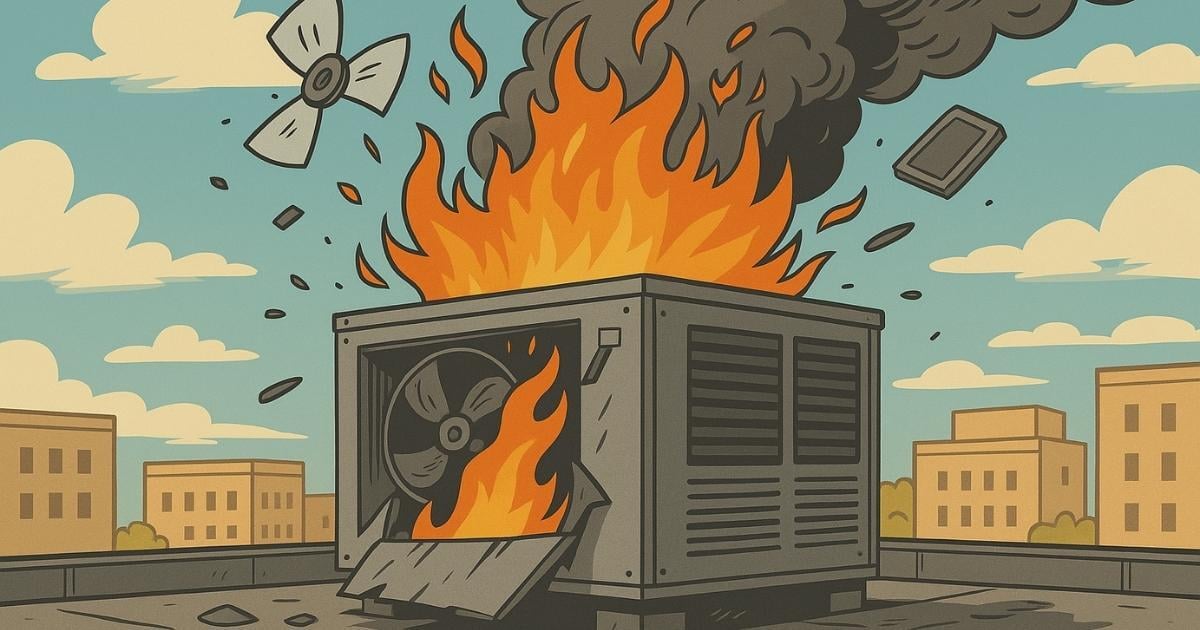
If you manage a commercial building in New England, you already know how quickly things can go sideways when an HVAC system fails without warning. Temperatures rise or drop. Tenants start calling. Equipment overheats. And suddenly, what should have been a normal day turns into an expensive emergency, complete with rush service, after-hours fees, and operational disruptions.
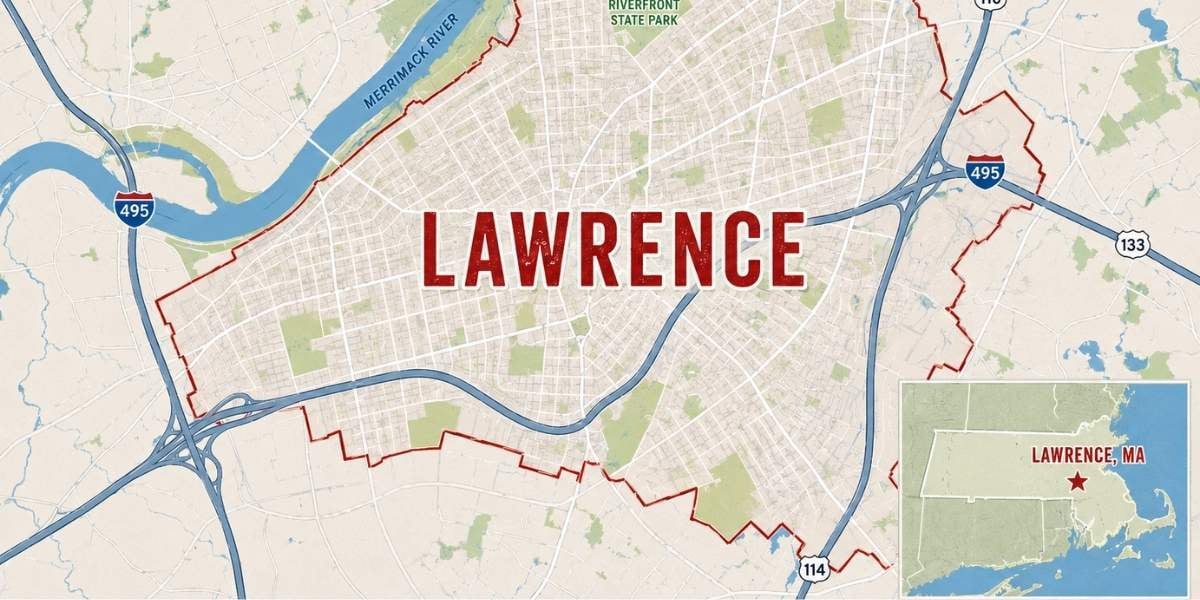
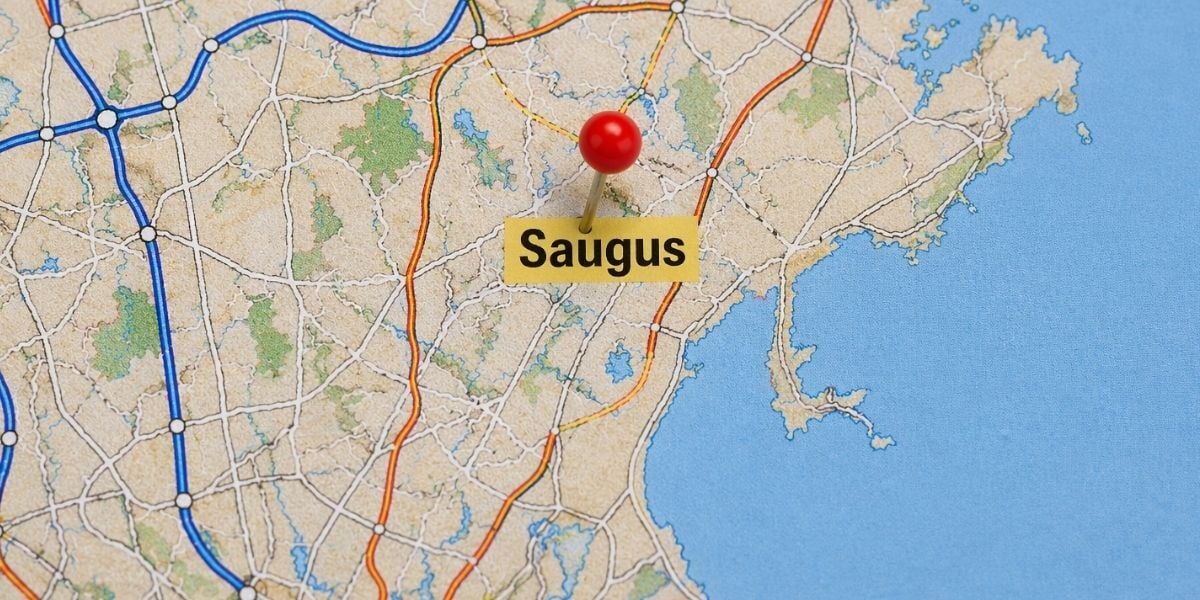
At Harold Brothers Mechanical Contractors, we see this scenario play out all the time. The good news is that in most cases, these breakdowns are preventable. With more than 17 years of experience serving commercial buildings across Massachusetts, we’ve seen how routine preventative maintenance reduces downtime, lowers operating costs, and protects your equipment from early failure, even in our harsh coastal and winter-heavy climate.
In this article, you’ll learn exactly how regular maintenance helps prevent system failure, what’s actually included in a professional maintenance program, and what risks you take on when service is delayed or ignored.
What “Regular HVAC Maintenance” Really Means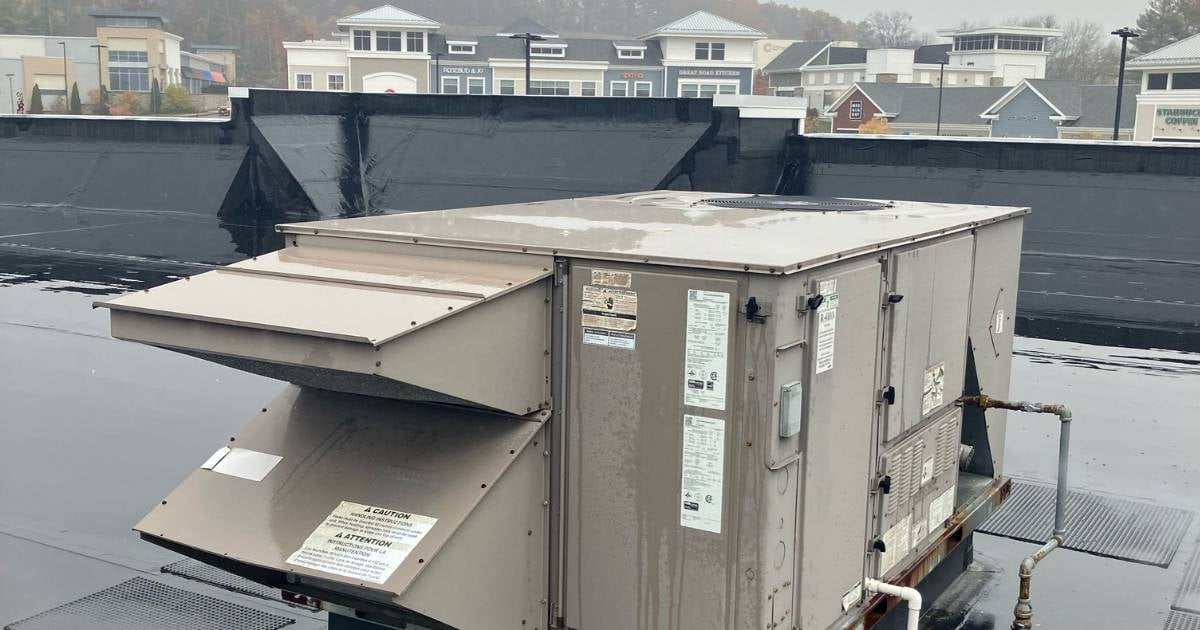
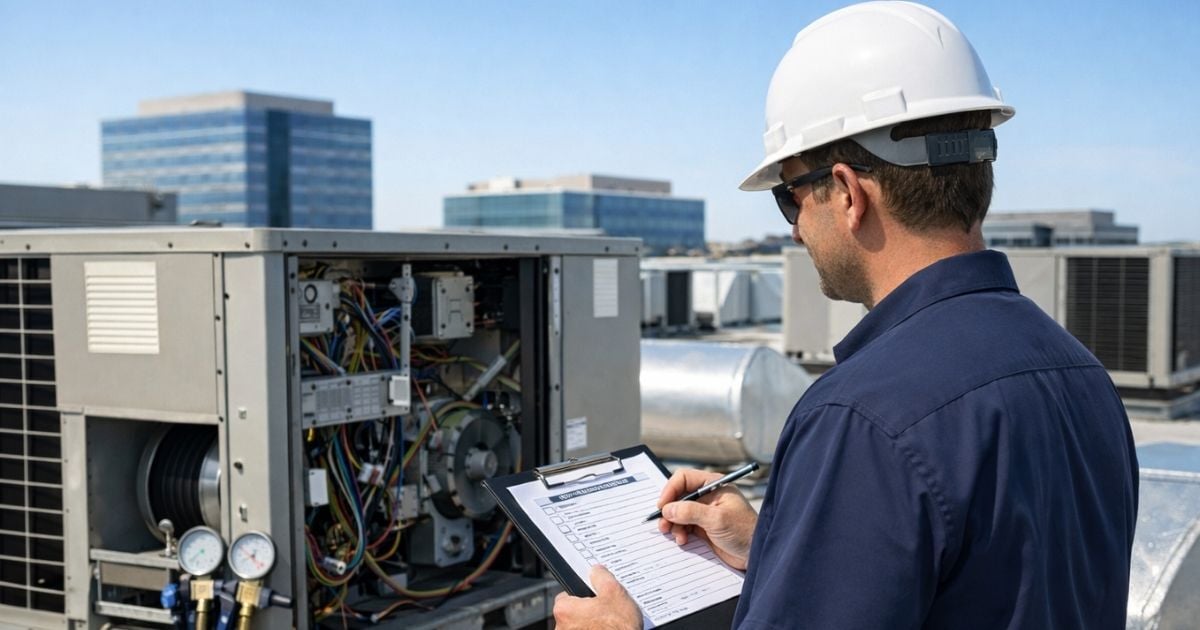
Preventative maintenance is not just a quick look at your system. It’s a detailed, methodical inspection and service process performed by licensed, factory-trained technicians who understand how commercial systems behave under constant demand.
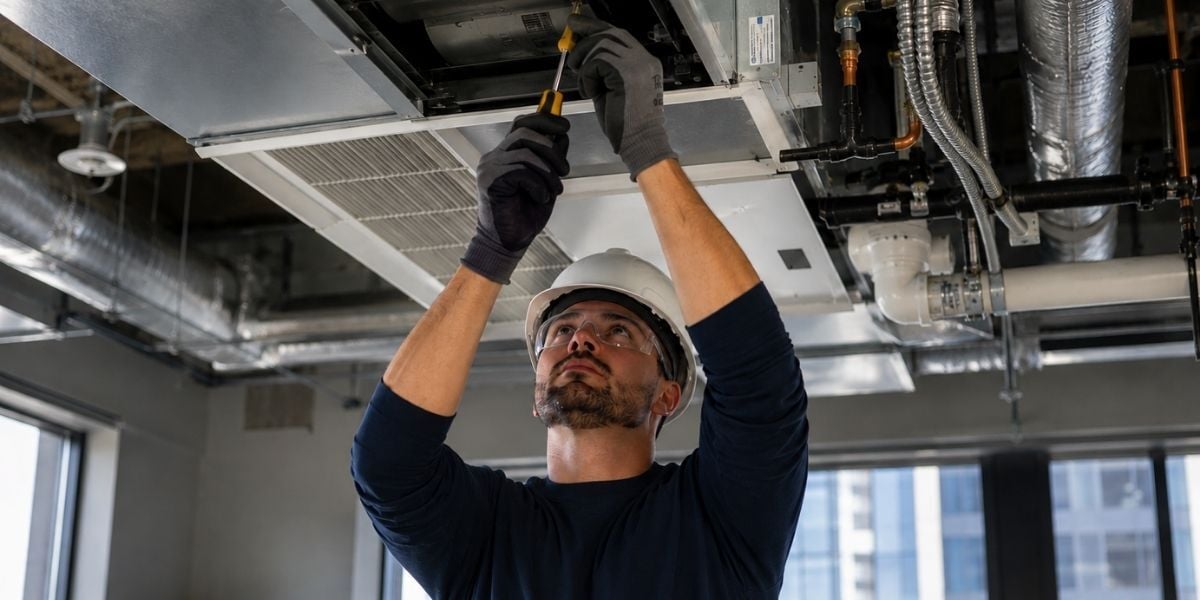
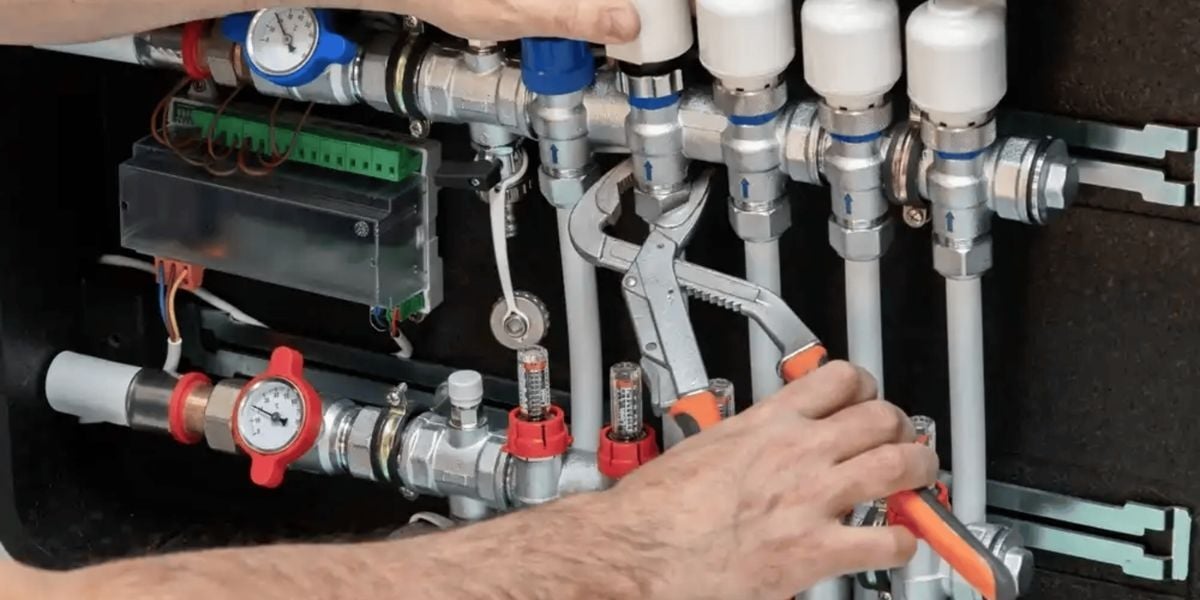
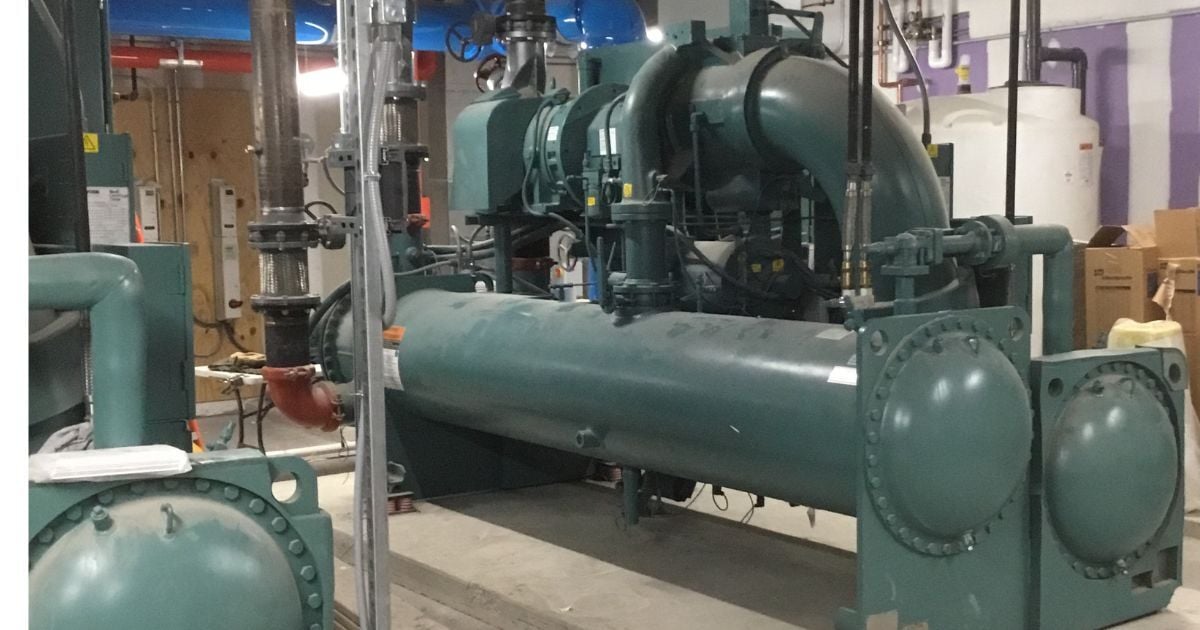
During a typical visit, technicians will inspect belts, motors, electrical components, coils, filters, refrigerant levels, airflow, and safety controls. They clean key components, test system performance, and look for the early warning signs of trouble like corrosion, leaks, worn parts, or abnormal readings.
At Harold Brothers, all findings are documented through XOI digital reporting, so you receive clear, trackable records of your system’s condition over time. These reports also help support manufacturer warranty requirements and ensure compliance with safety and operational standards. Read more about this process in our guide to an HVAC PM visit.
In Massachusetts, this kind of monitoring is especially important. Between freezing winters, humid summers, and salty coastal air, commercial HVAC systems here experience more stress than in many other regions of the country.
How Maintenance Actually Prevents System Failure
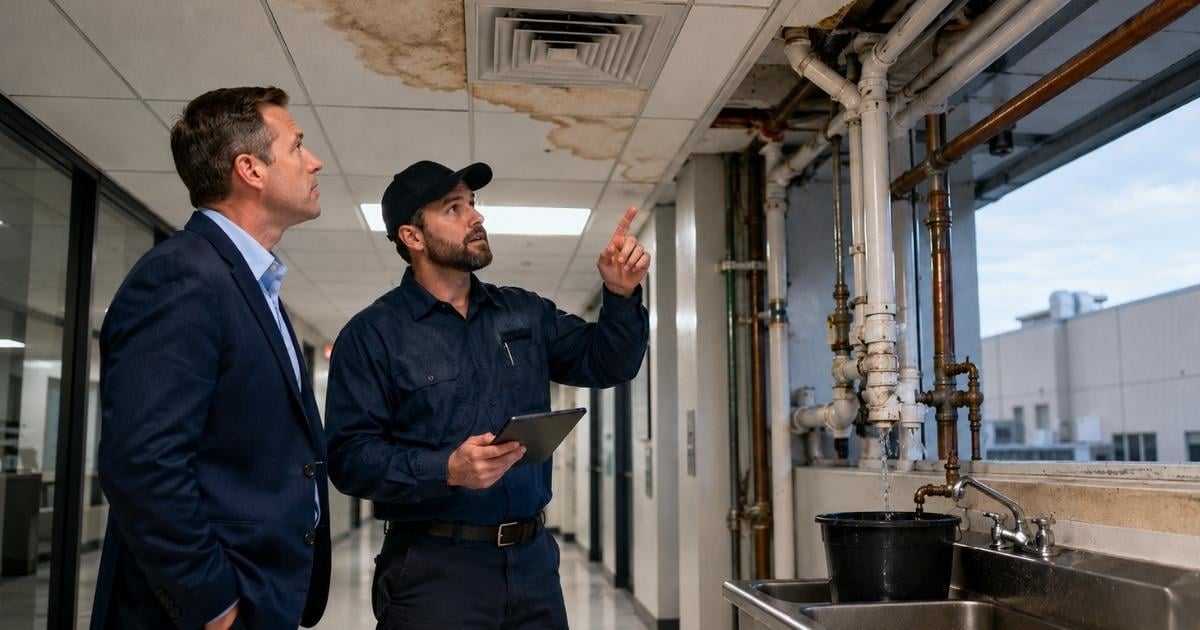
Most catastrophic HVAC failures don’t happen out of nowhere. They start small. A belt begins to crack. A filter becomes clogged. A coil collects debris. A drain line starts to back up. These issues are easy and inexpensive to fix when they’re caught early. But when they’re missed, they compound over time until something major breaks.
That’s where preventative maintenance truly earns its value.
By identifying small problems early, routine maintenance reduces stress on your system. It prevents motors from overheating, stops coils from freezing, keeps compressors from failing, and helps maintain proper airflow. Over time, this reduces overall wear and significantly extends the life of your equipment.
Most commercial systems are expected to last around 10 to 15 years. With consistent maintenance, many buildings reach or exceed that range. Without it, systems often fail years early, leading to replacement costs that can quickly climb into the tens or even hundreds of thousands of dollars.
The U.S. Department of Energy explains that proper HVAC maintenance significantly improves efficiency and performance.
Maintenance also directly affects your energy use. Studies show that properly maintained systems can operate 5 to 20 percent more efficiently, while neglected systems can waste 10 to 25 percent more energy. That inefficiency shows up on your utility bills month after month, especially during long Massachusetts winters when heating demand is high. You will really see this if your building is a typical older New England building.
In short, maintenance is not just about preventing breakdowns. It’s about protecting your long-term budget and avoiding major capital expenses before their time.
What Happens When Commercial HVAC Maintenance Gets Skipped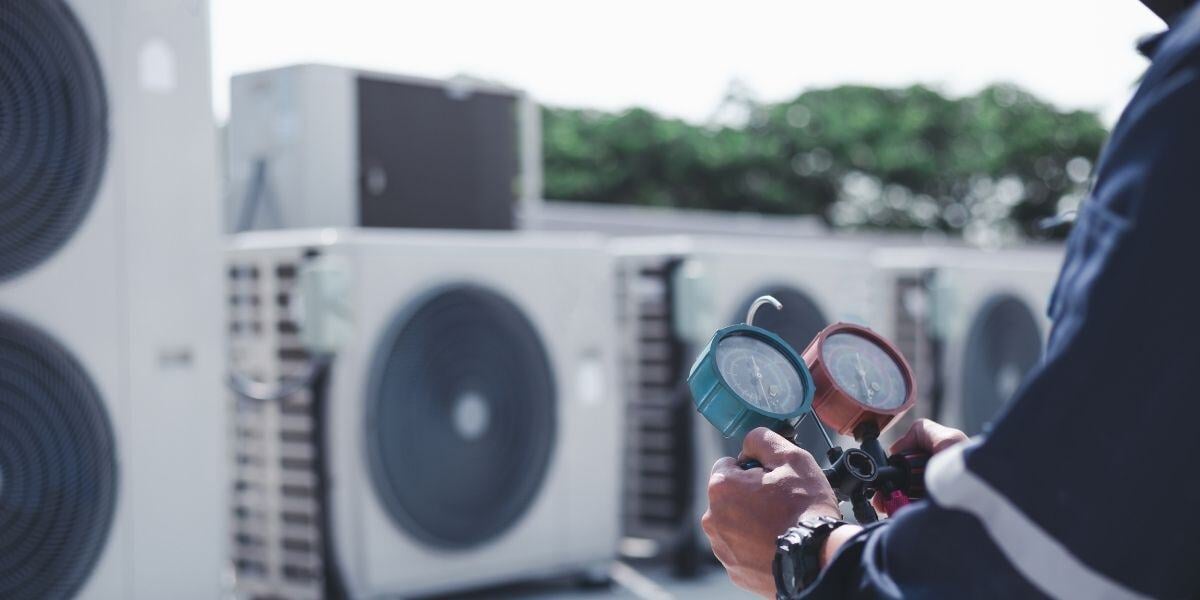
When preventative maintenance isn’t performed, the effects are rarely subtle.
Breakdowns become more frequent. Emergency service calls increase. Energy bills climb. Indoor air quality suffers as dust, debris, and contaminants build up inside equipment. And if your system fails and there is no record of proper service, your manufacturer warranty may be denied, leaving you responsible for the full cost of repair or replacement.
It’s not uncommon for a simple, neglected issue like a $20 filter to eventually cause a failure that results in a $2,000–$10,000 repair or more.
How Often Should Commercial Maintenance Be Done?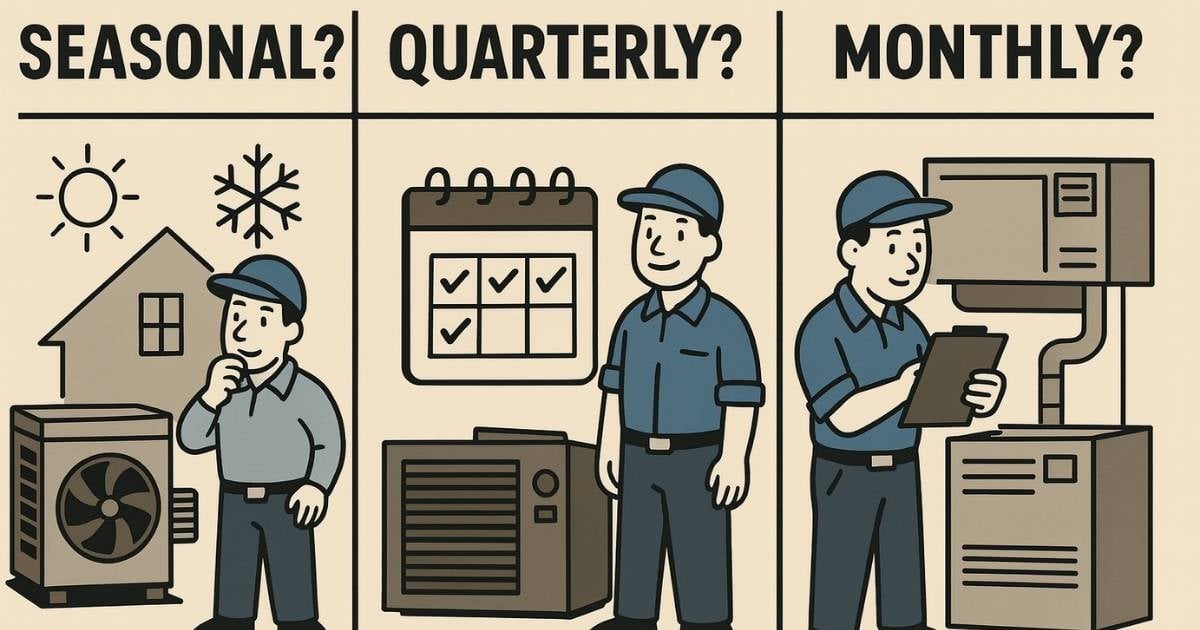
There is no single schedule that fits every building. The right frequency depends on your square footage, system type, usage, and industry.
For most commercial properties, seasonal maintenance is the minimum recommended schedule. This is common for offices, retail spaces, small commercial buildings, and schools.
Buildings with heavier demand often need quarterly maintenance, which is typical for hospitals, laboratories, multi-story properties, and high-occupancy facilities.
Monthly maintenance is usually reserved for industrial environments, food production facilities, or buildings with extreme filtration requirements.
If you’re unsure which schedule fits your building best, our guide on the best schedule.
How This Applies to Different Industries
While the core benefits of maintenance are consistent, the impact varies by environment.
In schools, regular service prevents classroom disruptions and comfort complaints.
In hospitals and clinics, it helps stabilize climate and support air quality standards.
In labs and data centers, it protects temperature-sensitive equipment and processes.
In factories and warehouses, it supports worker safety and equipment performance.
In multi-site office and retail properties, it helps create predictable consistency from location to location.
No matter the industry, the goal is the same: fewer failures, less downtime, and better control over your building’s performance.
What Does Preventative Maintenance Cost?
Pricing varies based on your building and systems, but most commercial preventative maintenance programs fall between $5,000 and $100,000+ per year.
The average annual PM invoice for many mid-sized commercial buildings is around $10,000, depending on:
-
Building size and layout
-
Number of systems
-
Service frequency
-
Filtration needs
-
Accessibility
-
System age and condition
For a full breakdown of pricing factors, read our guide on the costs of preventative maintenance.
How Regular HVAC Maintenance Prevents System Failure in Commercial Buildings
Yes, Regular HVAC Maintenance Can Prevent System Failures and It’s a Step You Can’t Afford to Skip. Unexpected HVAC failure in a commercial building can feel like a disaster, and in many cases, it is. Tenants are frustrated, costs rise, and your team is left reacting instead of preventing.
Now you know what regular HVAC maintenance includes, how it catches issues early, and the serious risks of skipping service. Whether you're responsible for one property or an entire portfolio, proactive maintenance is one of the most reliable ways to protect your building, reduce emergency costs, and maintain peace of mind.
Your next step is to Read How Regular HVAC Maintenance Extends Equipment Lifespan
to understand how service not only prevents failure, but also helps you avoid premature replacements.
At Harold Brothers Mechanical Contractors, we specialize in helping Massachusetts commercial property managers stay ahead of system issues before they happen. If avoiding failure is your goal, we’re the team to help you get there.
Topics: