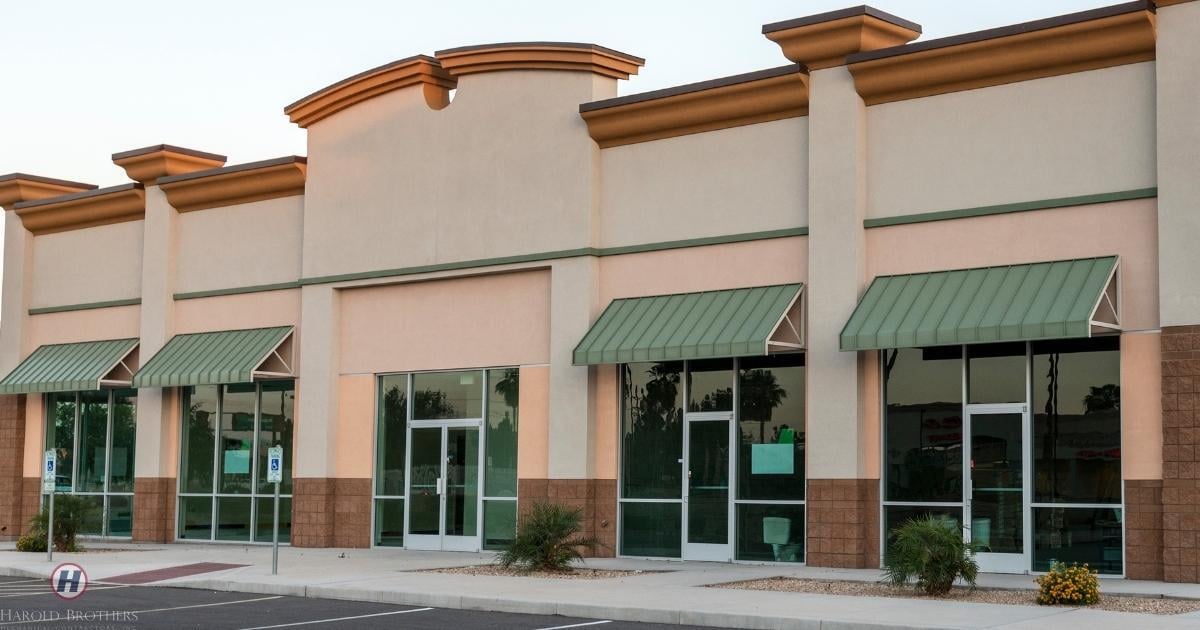

If you manage a commercial building, you’ve likely experienced the frustration of HVAC complaints piling up all at once, phones ringing, emails stacking up, and tenants suddenly uncomfortable in multiple areas of your building.
What makes it more confusing is that these issues don’t show up gradually. One week, everything seems fine, and the next, you’re dealing with hot offices, cold rooms, and poor airflow across multiple spaces.
At Harold Brothers Mechanical Contractors, we’ve worked with countless commercial buildings across Massachusetts, New Hampshire, and Rhode Island, and we’ve seen this pattern time and time again. In most cases, these waves of complaints aren’t caused by sudden system failure; they’re the result of small issues building up over time.
Why Do HVAC Problems Build Up Before Anyone Notices?
Most HVAC issues do not happen suddenly.
They develop over time.
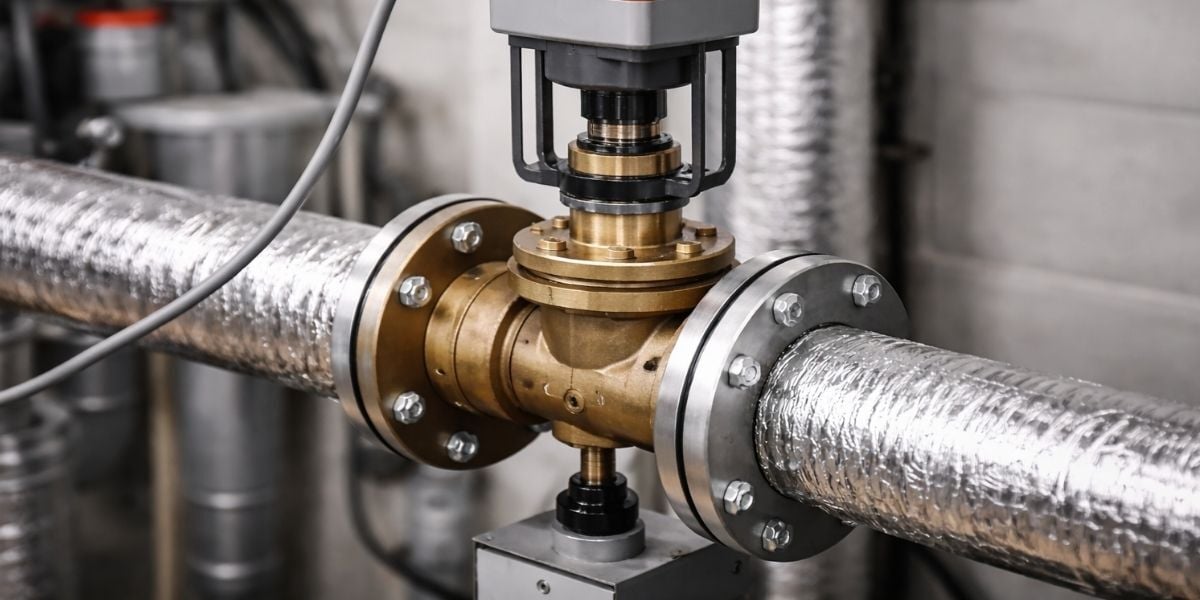
As your system runs day after day, small changes begin to take place. Filters collect dust and restrict airflow. Coils become dirty and lose efficiency. Dampers stop responding as precisely as they once did. Sensors slowly drift out of calibration. Pumps and valves begin to wear down.
None of these problems are severe on their own. The system keeps running, and most tenants do not notice a difference right away.
But over time, these small issues start to stack together.
Airflow becomes less balanced. Temperatures become harder to control. The system has to work harder to keep up.
Eventually, the system reaches a tipping point.
That is when complaints begin to surface, often all at once.

Why Do Tenants Start Noticing Problems at the Same Time?
Even though issues build slowly, complaints tend to happen quickly. This often comes down to how commercial HVAC systems are connected throughout the building.
How One HVAC Issue Affects Multiple Areas
In most commercial buildings, systems are designed to serve multiple spaces at once. When one part of the system begins to struggle, the impact is not isolated.
A drop in airflow can affect several offices on the same duct run. A failing valve in a hydronic system can disrupt heating or cooling across multiple zones. Poor system balancing can create temperature swings across an entire floor.
We saw this firsthand at a medical complex on the South Shore. Several offices began reporting comfort issues within the same week. One suite felt too warm, another felt too cold, and waiting areas started feeling stuffy during peak hours.
At first, it seemed like separate problems. But after reviewing the system, the issue traced back to a valve and airflow imbalance affecting multiple zones tied to the same system. Once corrected, the complaints across the building dropped off almost immediately.
Because everything is connected, a single issue can spread discomfort to many areas at the same time
Why Complaints Show Up All at Once
Tenants may not communicate with each other, but they are often experiencing the same underlying problem.
As system performance declines, multiple spaces begin to feel the effects at nearly the same time. That is when complaints start coming in all at once instead of one by one.
This is why HVAC issues in commercial buildings often appear as clusters rather than isolated problems.
How Do Weather Changes Trigger Waves of Complaints?
Weather plays a major role in when HVAC problems become noticeable.
During mild conditions, your system may be able to keep up even if performance has declined. But when temperatures shift, weaknesses are exposed.
A cold snap increases heating demand across the building. A heat wave pushes cooling systems to their limits. Rapid temperature swings force the system to adjust quickly.
If your system is already struggling, these changes can push it beyond what it can handle.
This often leads to a sudden increase in complaints.
Across New England, we see this happen frequently during seasonal transitions when temperatures change quickly and systems are forced to adapt.
Can System Design Issues Cause Repeated Complaint Waves?
In some cases, complaint waves are not just caused by wear and tear.
They can also be tied to how the system was designed.
Older hydronic systems, in particular, can struggle to respond to changing building demands.
Systems that rely on constant flow may not adjust well to partial loads. Poorly controlled pumps can create uneven heating or cooling. Lack of proper zoning can cause certain areas to receive too much or too little conditioning.
These design limitations may not be obvious during normal operation.
But as building usage changes or equipment ages, they can lead to recurring comfort issues.
This is one reason some buildings experience repeated waves of complaints instead of isolated incidents.
Why Do Complaint Waves Often Get Worse Over Time?
Once complaint waves begin, they often become more frequent.
This happens because the underlying issues are still present.
If airflow is restricted, equipment is worn down, or controls are not responding properly, the system continues to operate under stress.
Over time, components wear out faster. Energy use increases. Temperature control becomes less stable. Comfort issues spread to more areas.
Without addressing the root cause, each wave of complaints can become larger than the last.
What Do HVAC Complaint Waves Really Tell You?
When complaints come in waves, it is usually a sign that your system is not failing, but it is no longer operating the way it was designed to.
It often points to three key factors:
Performance has gradually declined over time
Building demands have changed
The system design is struggling to adapt
Instead of reacting to each complaint individually, it is more effective to step back and look at the system as a whole.
This is where a structured maintenance and system evaluation approach becomes critical.
How Can You Prevent HVAC Complaints from Clustering?
The goal is not just to fix problems as they appear.
It is to prevent them from building up in the first place.
This typically involves regular preventative maintenance to keep components operating properly. It includes airflow testing and balancing to ensure even distribution. It requires checking control systems to verify sensors and sequences are working correctly. It may also involve reviewing system design to ensure it matches how the building is currently being used.
By addressing small issues early, you can reduce the likelihood of large waves of complaints later.
What Should You Do Next to Fix HVAC Complaint Waves in Your Building?
At the end of the day, HVAC complaints rarely come in waves by coincidence. When multiple tenants start raising concerns at once, it’s usually a sign that underlying system issues have been building over time and are now affecting multiple areas of your building.
If you’ve been dealing with repeated complaint spikes, you’re not alone, and more importantly, it’s not something you should ignore. These patterns often point to deeper issues with airflow, controls, or system design that won’t resolve on their own.
Now that you understand why these waves happen, your next step is to take a closer look at how your system is operating as a whole, not just reacting to individual complaints as they come in.
At Harold Brothers Mechanical Contractors, we help building owners identify the root causes behind recurring HVAC issues and create a plan to restore consistent comfort across their spaces.
Topics: