
If you manage a commercial building in Massachusetts, New Hampshire, or Rhode Island, you may have run into a frustrating situation.
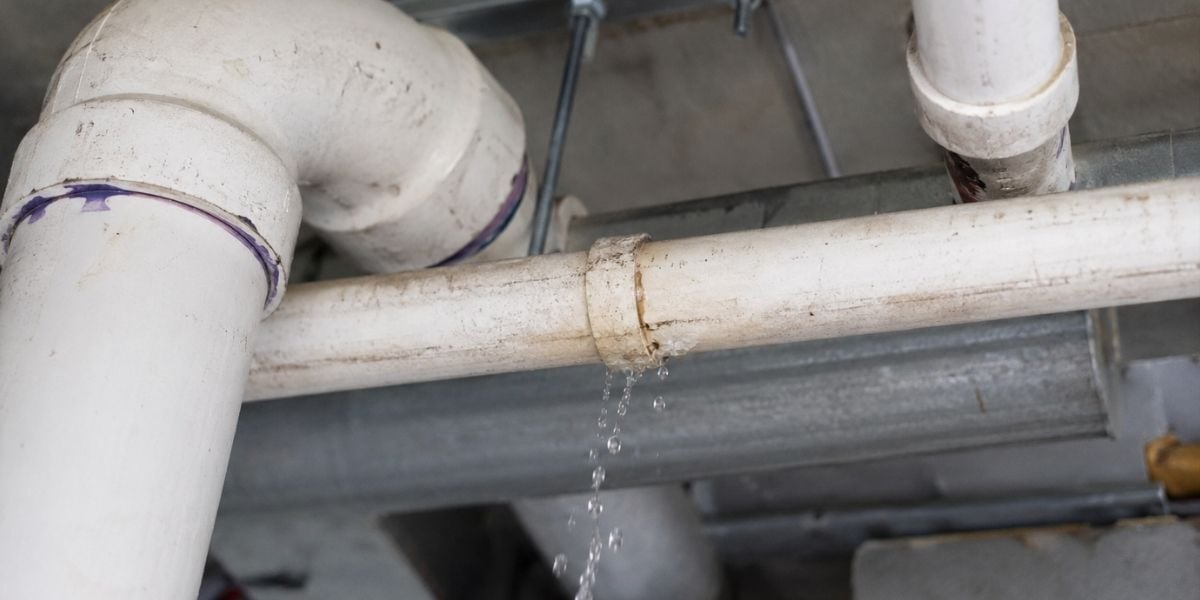
You added glycol to your hydronic system to prevent freezing. Everything seemed protected. Then a cold stretch hits, and suddenly you are dealing with frozen lines, poor flow, or even burst piping.
It raises a fair question.
If glycol is supposed to prevent freezing, why are your pipes still freezing?
At Harold Brothers Mechanical Contractors, we see this issue across New England every winter. In most cases, glycol is present, but the system still fails under real operating conditions.
In this article, we will explain why hydronic lines can freeze even when glycol was added, what is actually happening inside your system, and how to prevent it from happening again.
What Glycol Does in a Hydronic System and Its Real Limitations
Glycol is added to hydronic systems to lower the freezing point of water and protect piping from damage during cold weather. It is a critical part of freeze protection in many commercial buildings across New England. However, this is where many building owners get misled. Glycol does not guarantee that your system will never freeze.
For glycol to work properly, several conditions must be met. The concentration needs to be correct, the fluid must be properly maintained, and the system has to be designed and operating the right way. If any one of these factors is off, the protection glycol provides can break down, and your system can still freeze. This is why ongoing HVAC maintenance is crucial in commercial buildings.
6 Reasons Hydronic Pipes Freeze Even When Glycol Is Present
1. Low Glycol Concentration Reduces Freeze Protection
This is the number one issue we see.
Many systems start with the correct glycol percentage, but over time:
- Fresh water is added during service
- Leaks reduce glycol levels
- Systems get topped off without testing
This dilutes the mixture.
When that happens, your freeze protection rises closer to 32°F, which puts your system at risk during a cold snap. To avoid this, make sure that levels get checked during maintenance visits.
What it looks like:
- System worked fine for years
- Suddenly freezes during a colder-than-normal week
- No one realizes glycol levels dropped
2. Glycol May Prevent Pipe Bursts But Not Full Freezing
Your system can freeze solid and still not burst. That does not mean it is protected
- Freeze protection = fluid stays liquid
- Burst protection = pipes do not break
Some glycol mixtures are only designed for burst protection.
That means the fluid can still turn into a slushy or partially frozen state, restricting flow inside the piping.
What it looks like:
- Pumps are running
- No flow through coils
- Building zones start losing heat
3. Poor Water Flow Allows Cold Spots to Freeze
Even with proper glycol levels, your system can freeze if water is not moving.
Common causes:
- Failed pumps
- Air trapped in the system
- Closed or stuck valves
- Poor system balancing
When flow stops, cold areas like rooftop piping or perimeter loops can freeze quickly. Glycol helps, but moving water is still your best defense.

4. Exposed or Poorly Insulated Piping Freezes Faster
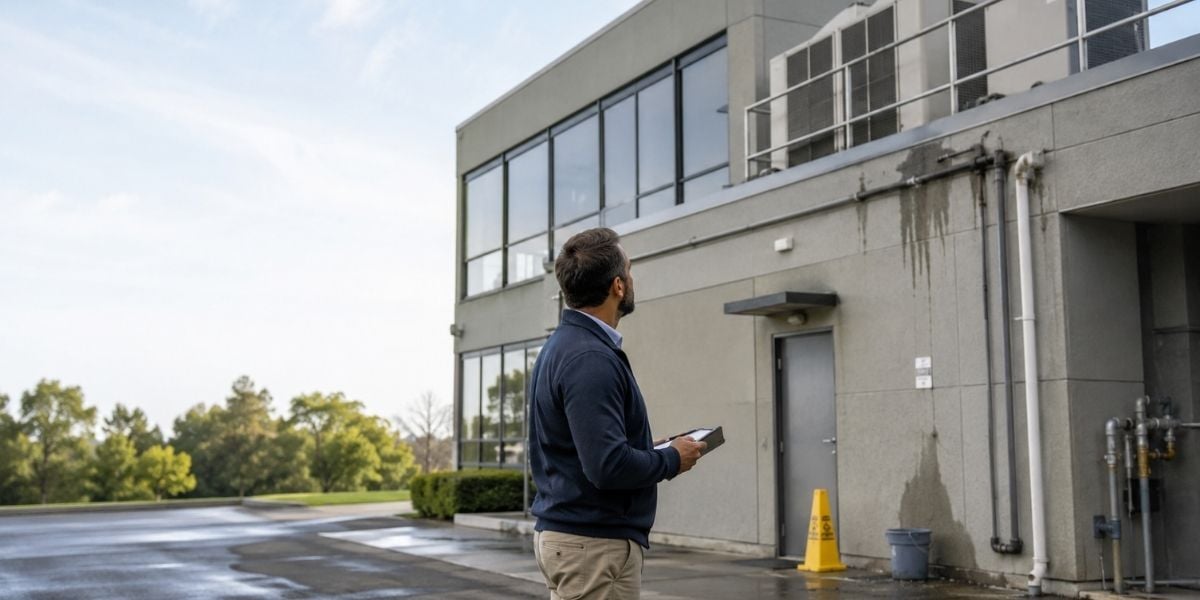
In New England, this is a major issue. Wind chill has no effect on fluid temperature, but it accelerates heat loss from piping.
Even with glycol, piping that is:
- Exposed to wind
- Located in unheated spaces
- Poorly insulated
can drop below the fluid’s protection temperature.
Once that happens, freezing can begin at specific points in the system.
Where we see this most:
- Rooftop units
- Parking garage piping
- Exterior walls
- Mechanical rooms without heat
5. Glycol Breaks Down and Loses Effectiveness Over Time
Glycol is not a set-it-and-forget-it solution.
- Break down chemically
- Lose effectiveness
- Become acidic and damage components
Bacteria and contaminants can also degrade glycol and reduce its freeze protection ability.
What it looks like:
- Discolored fluid
- Strange odor
- Reduced system performance
6. Hydronic System Design Does Not Support Glycol Use
This is a bigger issue than most people realize, and why knowing how your hydronic system is designed is so important.
Glycol is thicker than water and does not transfer heat as efficiently.
If your system was originally designed for water:
- Pumps may be undersized
- Flow rates may be too low
- Heat transfer may be reduced
That combination can create cold spots and lead to freezing in certain areas.
Why Frozen Hydronic Lines Keep Happening in the Same Buildings
If your hydronic lines froze even though glycol was added, it is rarely caused by a single issue. In most cases, it is the result of several factors working together within the system.
These problems often include incorrect glycol concentration, poor flow or circulation, system design limitations, and a lack of ongoing maintenance. When these conditions exist at the same time, the system becomes much more vulnerable during cold weather. This is why many buildings experience the same freezing issues year after year instead of resolving the problem for good.
Warning Signs Your Hydronic System Is at Risk of Freezing
Watch for these early warning signs:
- Uneven heating across the building
- Pumps running but poor heat delivery
- Rising energy costs
- Air in the system or noisy piping
- Visible frost on piping
- Frequent need to add water
These are all indicators that your system may not be properly protected
How to Prevent Hydronic Pipes from Freezing in Cold Weather
The solution is not just “add more glycol.”
It requires a system-level approach:
1. Test Glycol Regularly
Use a refractometer to confirm proper concentration.
2. Fix Leaks Immediately
Even small leaks can dilute your protection over time.
3. Verify Proper Flow
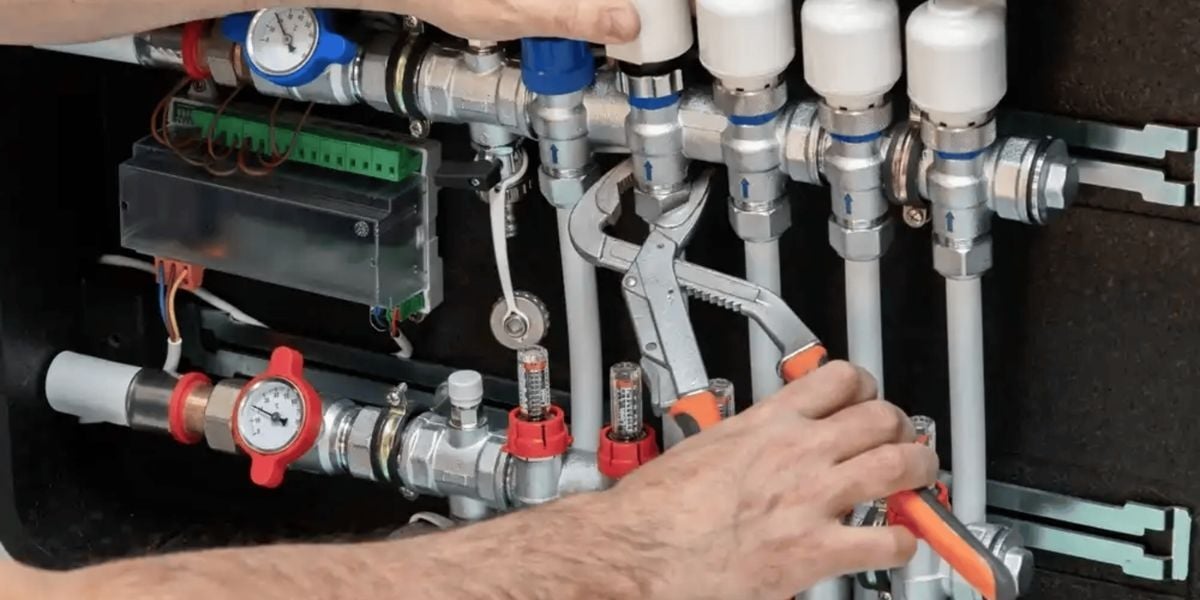
Ensure pumps, valves, and air elimination devices are working correctly.
4. Inspect Insulation and Exposure
Protect vulnerable piping from cold air and wind.
5. Evaluate System Design
Older systems may need adjustments to handle glycol properly.
Why Glycol Alone Is Not Enough to Protect Your Hydronic System
Hydronic lines freeze with glycol not because glycol failed, but because the system around it is not operating the way it should.
Glycol is only one piece of freeze protection. Without proper flow, concentration, and system design, it cannot do its job.
If your building struggles with freezing, it may point to a deeper issue in how your hydronic system is designed and operating. To understand why some systems perform better than others, read our guide on hydronic system design.
At Harold Brothers Mechanical Contractors, we help building owners across New England diagnose and correct these system-level issues before they turn into costly failures.
Topics: