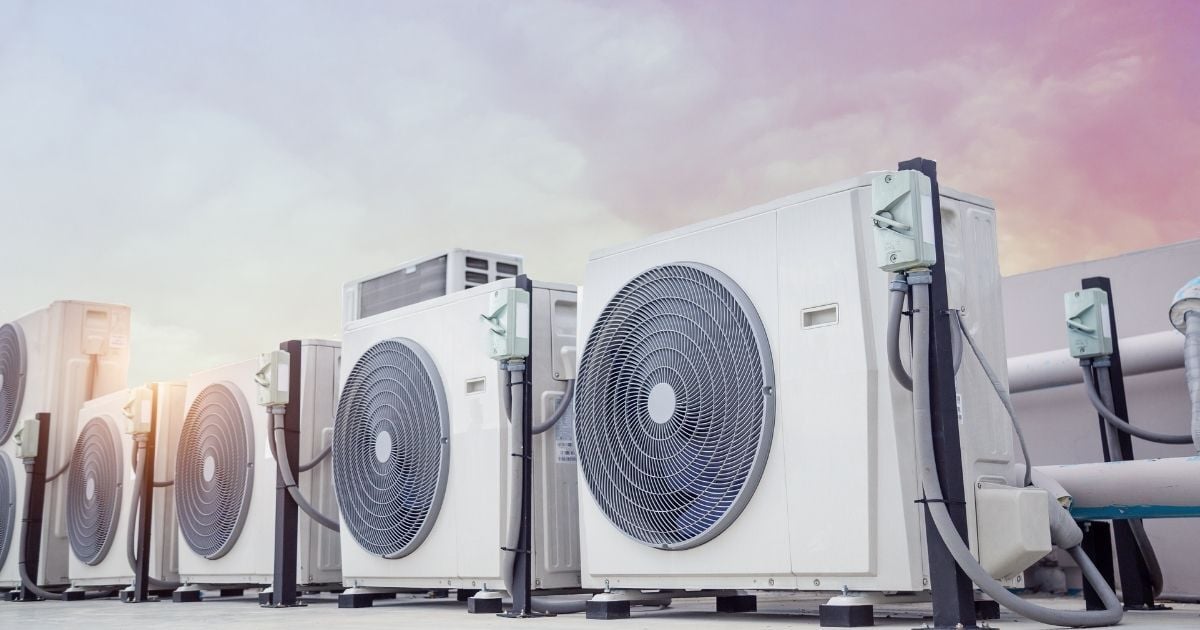

If you own or manage a building, like a business, school, or apartment complex, you probably rely on heating and cooling systems to keep people comfortable year-round. These systems are known as HVAC, which stands for Heating, Ventilation, and Air Conditioning.
At Harold Brothers Mechanical, we specialize in commercial HVAC services for buildings throughout Massachusetts. With decades of experience, we’ve seen how routine maintenance can prevent emergencies, lower costs, and extend the life of your system.
In this article, you’ll learn what preventative maintenance for HVAC really is, why it matters, what’s included, and how it helps you avoid costly problems down the road.
What Does HVAC Mean?
HVAC stands for Heating, Ventilation, and Air Conditioning. These systems work together to keep the temperature in your building comfortable while also improving airflow and indoor air quality.
- Heating keeps your space warm during colder months.
- Ventilation removes stale air and brings in fresh air.
- Air conditioning cools the building in warmer seasons.
- Together, they make indoor spaces safe, healthy, and comfortable.
Understanding Preventative Maintenance for HVAC Systems
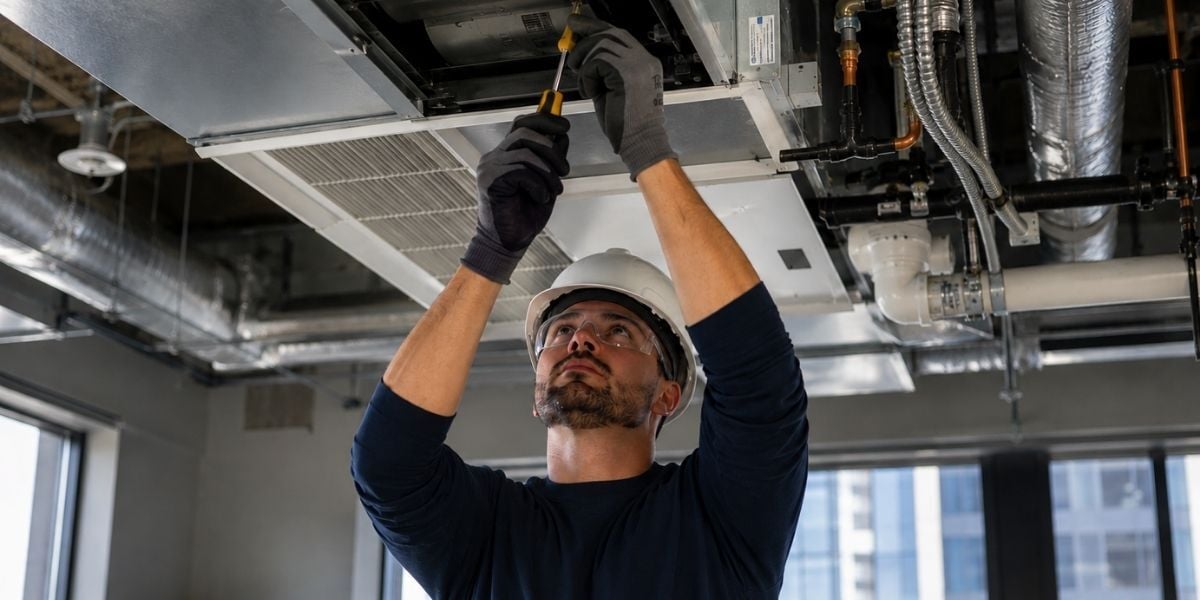
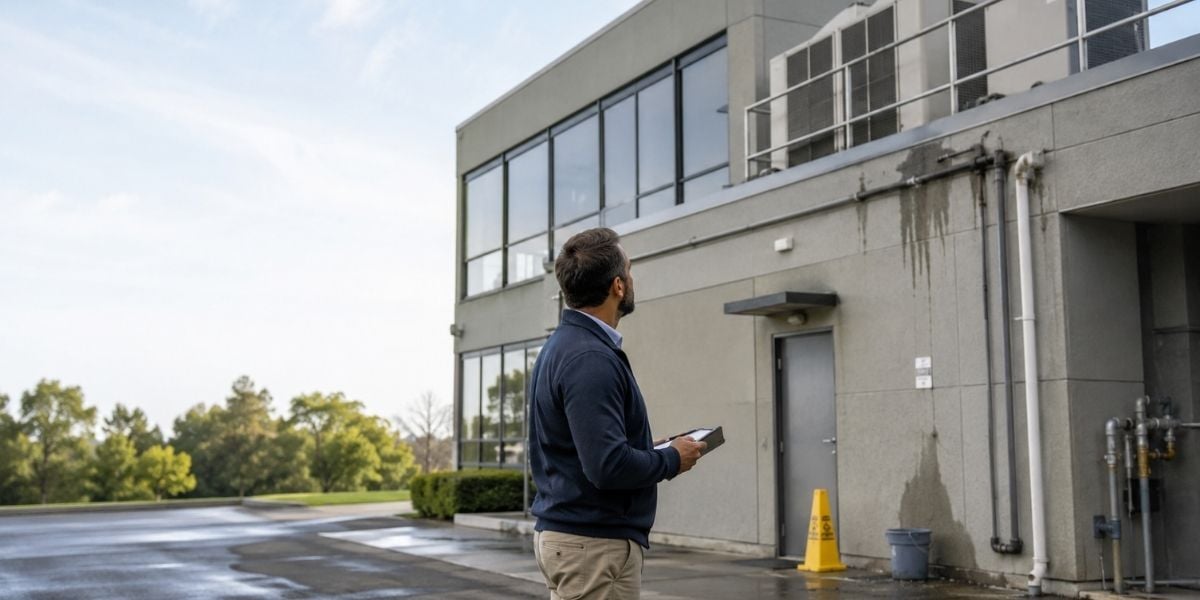
%20-%202025-12-10T144338.480.jpg?width=299&height=398&name=Untitled%20(768%20x%201024%20px)%20-%202025-12-10T144338.480.jpg) Preventative maintenance means taking care of your HVAC system before something goes wrong. It’s similar to getting a regular check-up from your doctor or an oil change for your car. The goal is to catch small problems early and keep everything running efficiently.
Preventative maintenance means taking care of your HVAC system before something goes wrong. It’s similar to getting a regular check-up from your doctor or an oil change for your car. The goal is to catch small problems early and keep everything running efficiently.
For most HVAC systems, this means having a trained technician inspect and service your equipment two to four times a year. These routine visits help keep your system clean, safe, and working at its best.
Why Is Preventative HVAC Maintenance Important?
Many people think skipping maintenance will save money, but it often leads to bigger, more expensive problems. Here’s why regular HVAC service matters:
- It helps prevent emergency breakdowns.
Catching problems early means your system is less likely to fail during a heatwave or a freezing winter day. - It lowers your energy bills.
Clean filters and parts help your HVAC system run more efficiently, using less energy and reducing your monthly costs. - It improves indoor air quality.
Regular cleaning stops dust, pollen, and bacteria from spreading through the air, helping people breathe easier. - It extends the life of your equipment.
Well-maintained systems can last 15 to 20 years. Without maintenance, they may break down much sooner, costing you more in the long run. - It helps you meet building and health codes.
Regular service keeps your system up to standard, so you avoid fines or failed inspections.
What Does HVAC Preventative Maintenance Include?
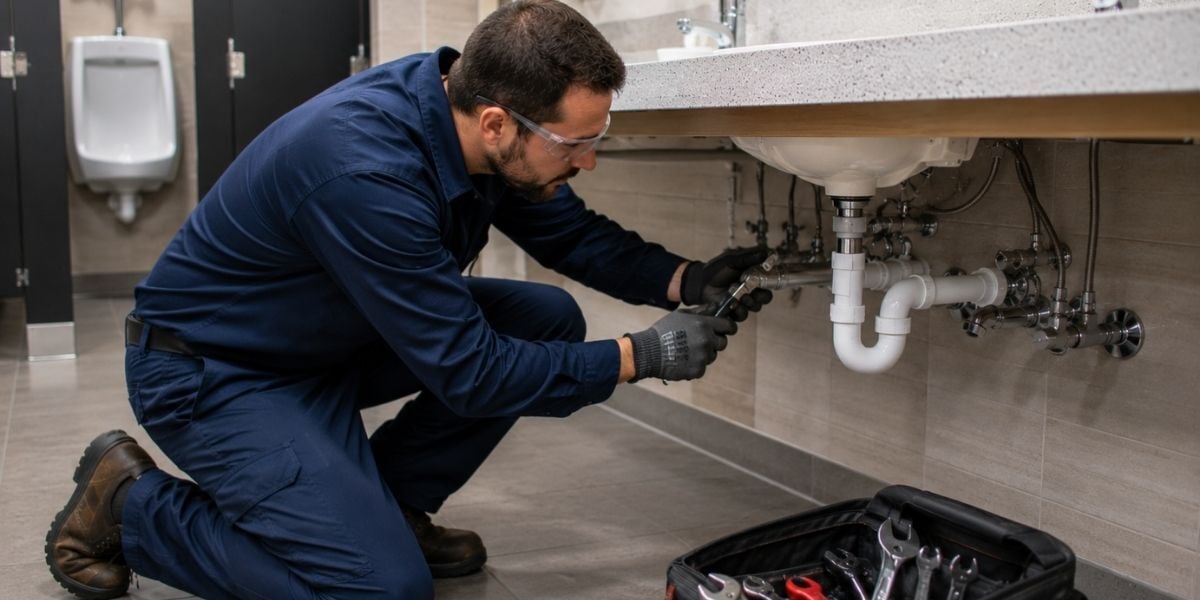
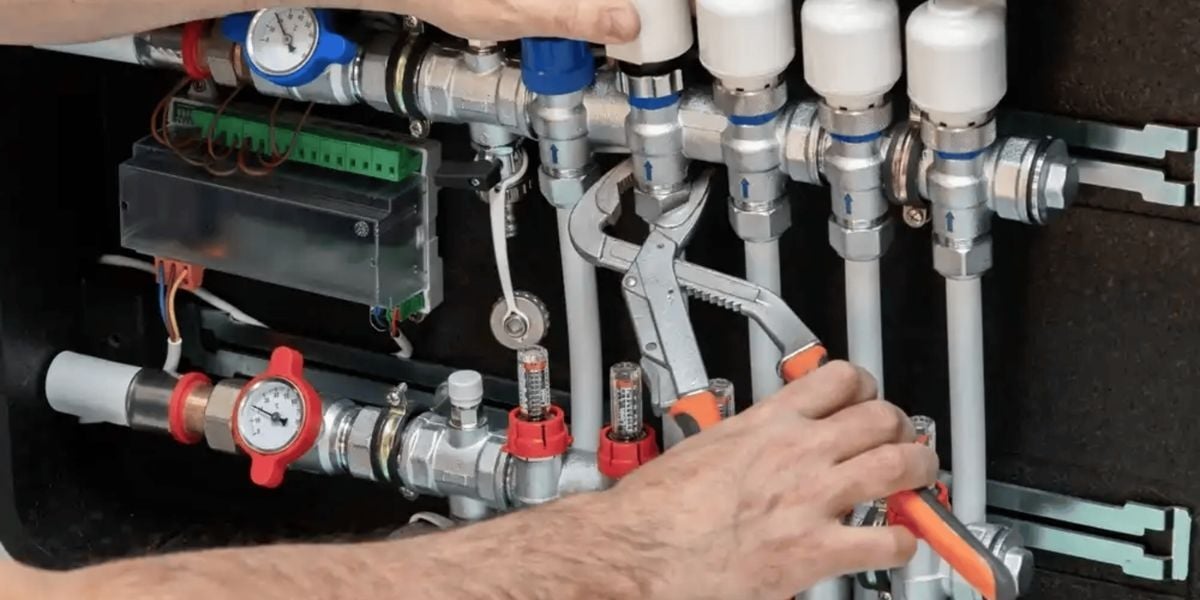
%20-%202025-12-10T144642.963.jpg?width=295&height=394&name=Untitled%20(768%20x%201024%20px)%20-%202025-12-10T144642.963.jpg) Each maintenance visit follows a standard checklist to make sure every part of your system is checked and serviced.
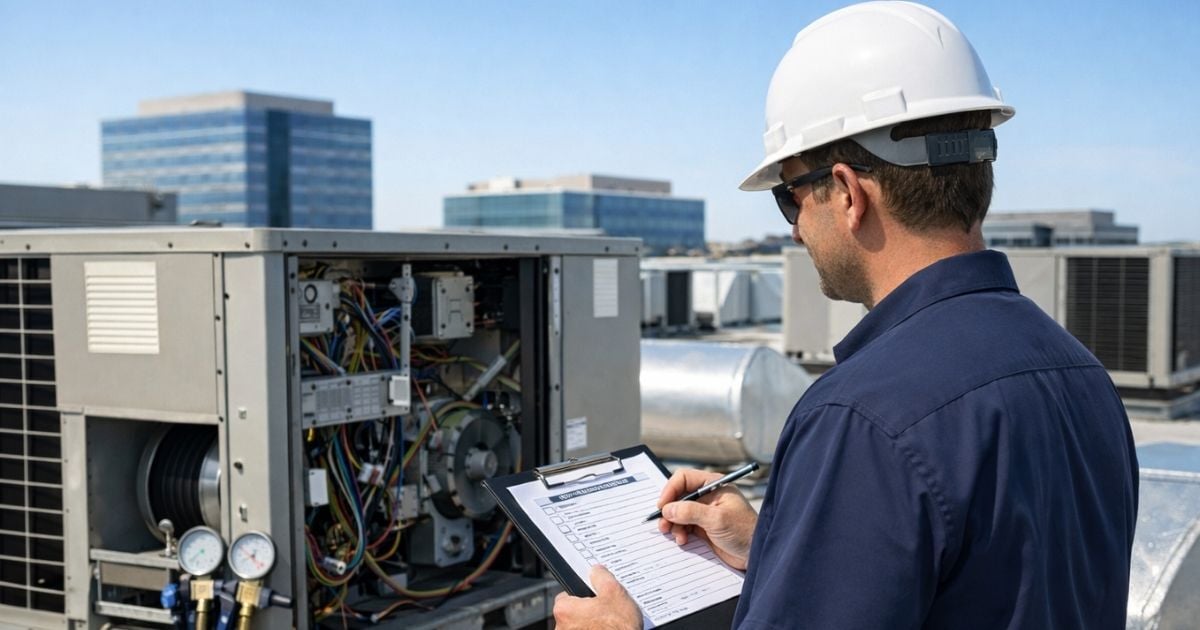
Each maintenance visit follows a standard checklist to make sure every part of your system is checked and serviced.
During a typical visit, a technician will inspect the entire system, clean the coils and fans, change filters, check thermostats and controls, and test refrigerant levels. They also make sure all electrical parts are tight and working safely, and will clean out drain lines to prevent leaks or water damage.
These visits often take about one to two hours, depending on the size and complexity of your HVAC system.
When Should You Schedule HVAC Maintenance?
Most experts recommend scheduling HVAC maintenance twice a year, once in the spring and again in the fall. These visits prepare your system before the hottest and coldest times of the year, when your heating and cooling systems are used the most.
Spring maintenance focuses on air conditioning systems, making sure they’re clean and charged with the right amount of refrigerant. Fall service checks your furnace or heating unit and gets it ready to keep your building warm during winter.
If you have a large building, like a hospital, office tower, or school, and your system runs almost all the time, you may need maintenance done every three months.
What Happens If You Skip Preventative HVAC Maintenance?
Skipping maintenance may seem like a way to save money in the short term, but it often leads to much bigger expenses later.
Without regular service, small problems go unnoticed. These issues grow into larger ones that can cause the entire system to break down. Parts wear out faster, dust builds up, and energy use increases. Eventually, you may face an emergency repair, or worse, have to replace the system completely.
Buildings that skip HVAC maintenance often experience poor air quality, water damage from clogged drain lines, or inconsistent temperatures throughout the space. All of these issues can frustrate employees, tenants, or customers.
How Preventative Maintenance Saves You Money
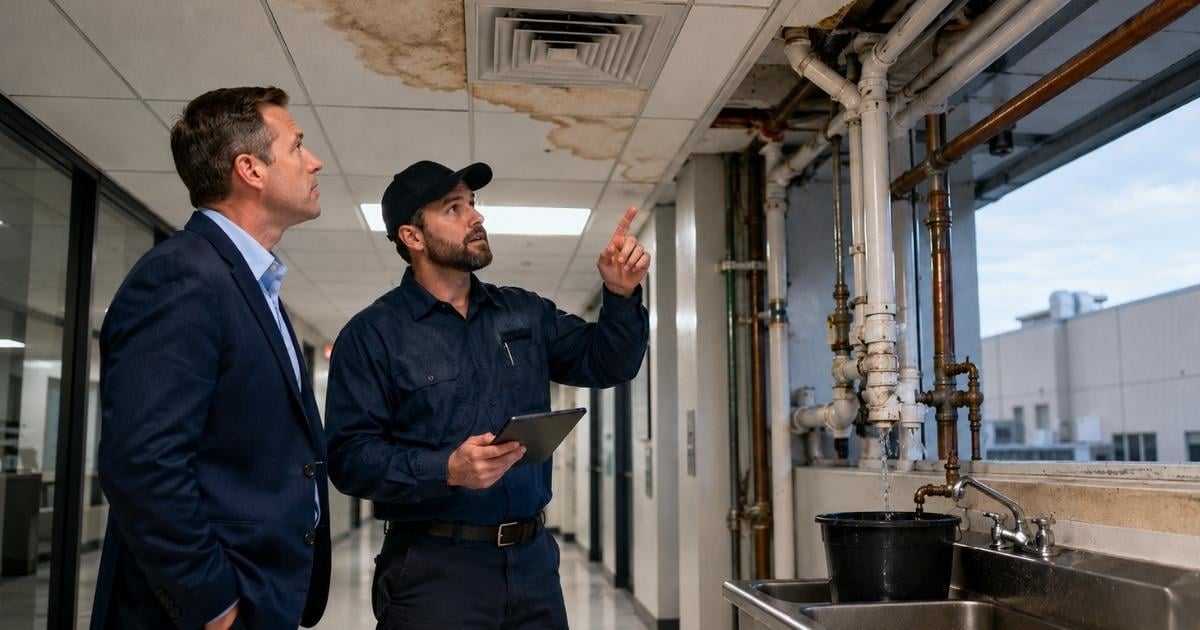
%20-%202025-12-10T144841.766.jpg?width=336&height=448&name=Untitled%20(768%20x%201024%20px)%20-%202025-12-10T144841.766.jpg) Imagine a business owner who ignores their HVAC system for a few years. Over time, the system becomes less efficient, air filters clog, and energy bills rise. Then, one summer day, the air conditioning breaks down during business hours. Now they’re facing an expensive emergency repair, lost sales, and upset customers.
Imagine a business owner who ignores their HVAC system for a few years. Over time, the system becomes less efficient, air filters clog, and energy bills rise. Then, one summer day, the air conditioning breaks down during business hours. Now they’re facing an expensive emergency repair, lost sales, and upset customers.
Compare that to a business that schedules maintenance every spring and fall. Their system runs quietly and efficiently. They catch issues early and avoid big repair bills. Over time, they save money and stress.
Many HVAC companies offer service plans that include regular checkups and discounts on repairs. These plans are often more affordable than paying for one major emergency fix.
Preventative HVAC Maintenance Helps You Stay Ahead
When you stay ahead of problems, you reduce emergency costs, improve air quality, save energy, and extend the life of your HVAC system. That’s a win for you and everyone who depends on a comfortable indoor space.
Now that you know why preventative HVAC maintenance matters, it’s time to take action. Contact Harold Brothers Mechanical to set up a custom maintenance plan for your building.
Want to learn more first? Check out our article, “Does an HVAC Maintenance Contract Really Save Money on Energy Bills?” In it, we break down how maintenance plans work, what they include, and how they can help you cut costs by keeping your system running at peak efficiency.
Topics: