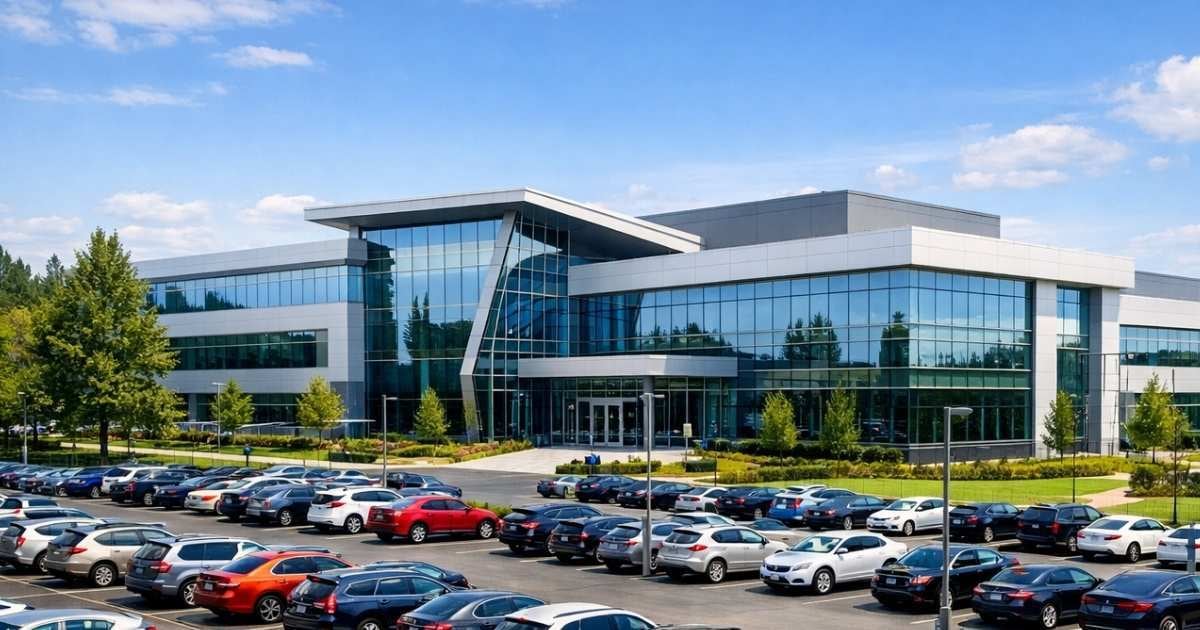

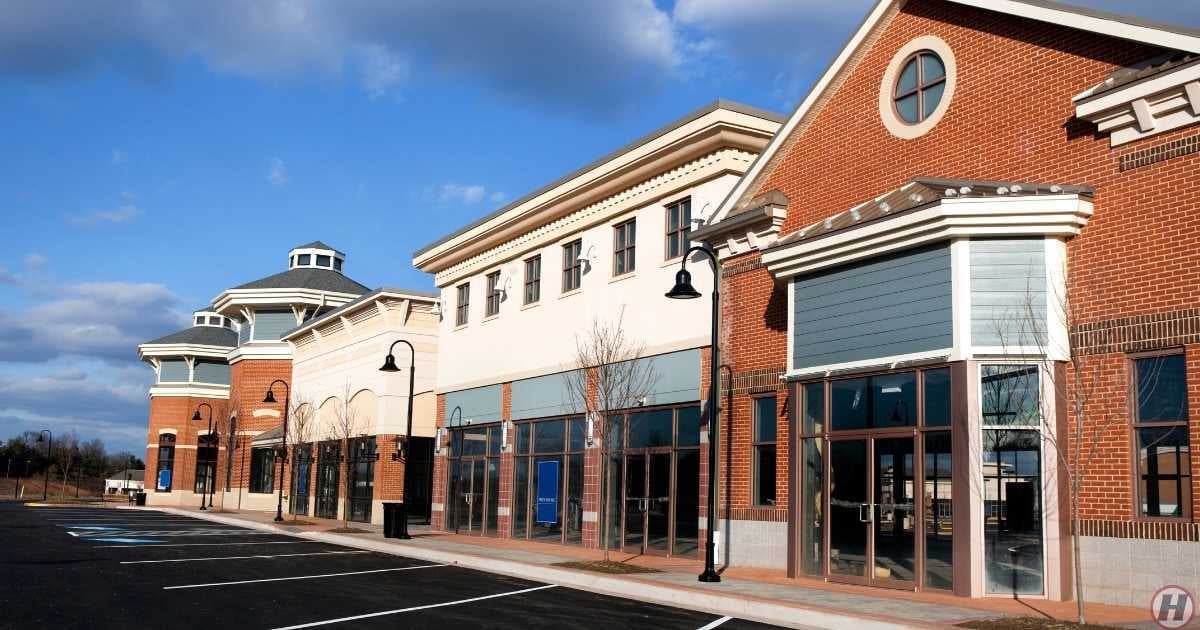
If you manage a commercial property where tenants control their own HVAC and plumbing systems, you may feel confident that responsibility is clearly defined in the lease. On paper, it sounds efficient, tenants maintain their own equipment, and ownership avoids routine service costs.
But when seasonal maintenance gets delayed, when a rooftop unit is ignored, or when a small plumbing leak goes unchecked, the risk rarely stays inside one suite. A missed heating inspection can lead to frozen pipes. A clogged drain line can damage insulation and ceilings. A failing rooftop gasket can compromise the roof membrane.
Over the past two decades, Harold Brothers has worked with hundreds of commercial property owners and managers who have seen minor mechanical neglect escalate into costly structural repairs. Let’s dig into what practical oversight steps can help safeguard your property long-term.
Why Can Tenant-Controlled HVAC and Lease Language Still Put the Whole Building at Risk?
When tenants manage their own HVAC and plumbing systems, oversight often disappears. Some stay proactive. Others wait until something fails.
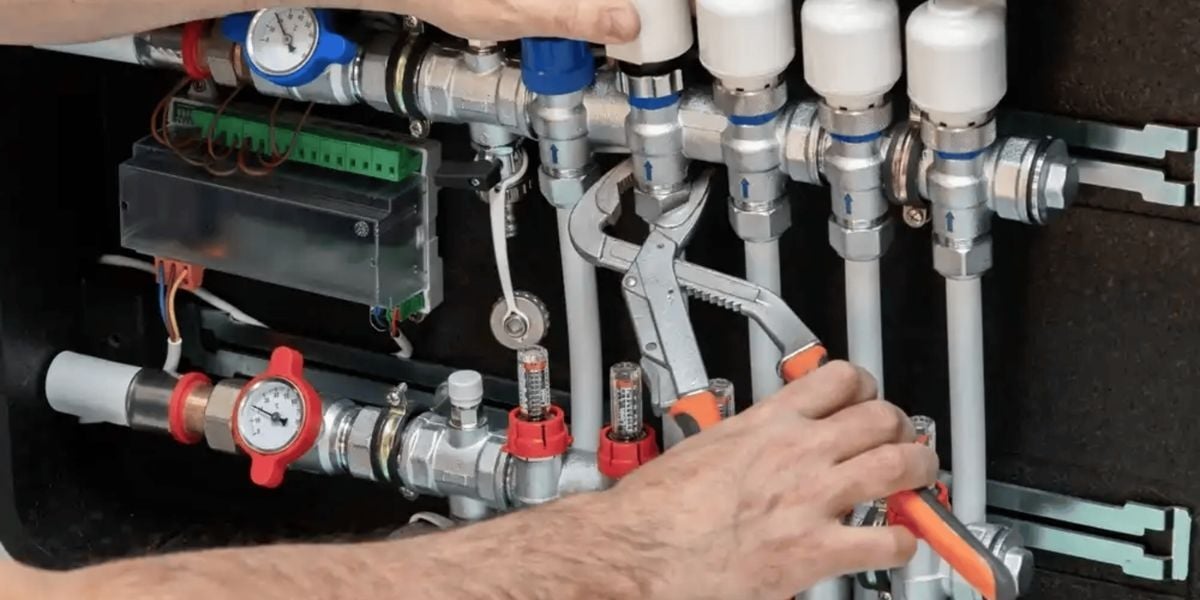
The problem is that these systems are not isolated. Rooftop units sit directly on the building envelope. Plumbing lines run through shared walls and ceilings. When maintenance is skipped, the damage does not stay inside one suite. It can affect insulation, framing, roofing systems, and even neighboring spaces.
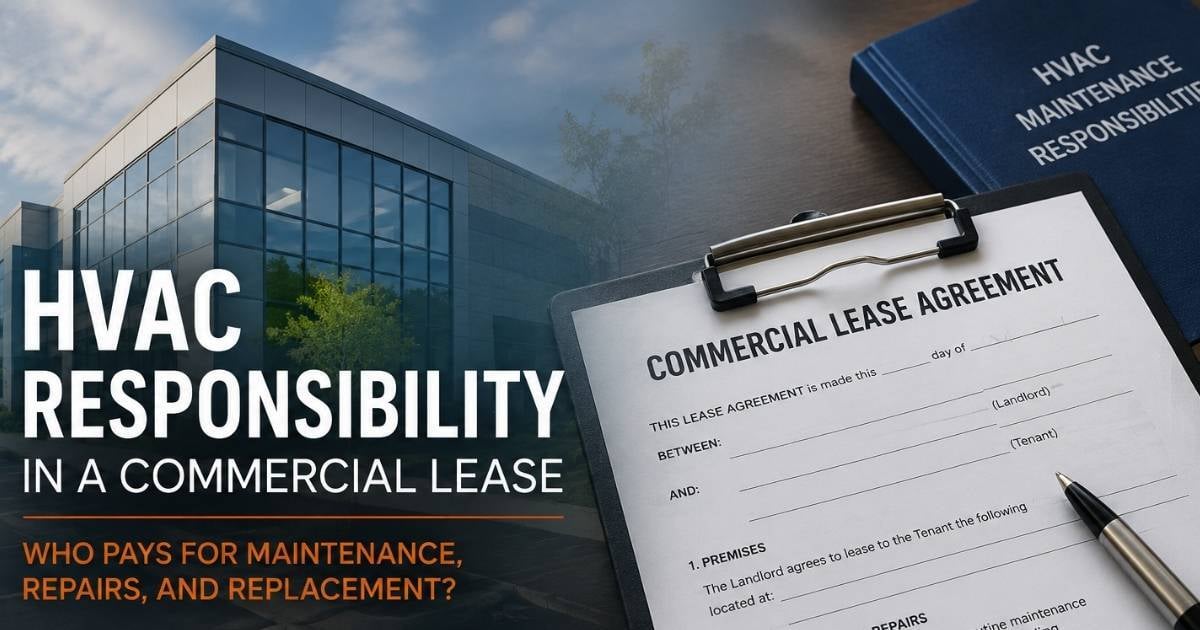
Most leases clearly assign responsibility. The tenant may be required to “maintain and repair” their equipment. But the word maintain is rarely defined. Service frequency, inspections, and documentation are often not specified.
As a result, a system may still be running but not truly maintained. Filters are missed. Heating systems are not tested. Drain lines are not cleared. Small leaks go unnoticed.
Over time, those small gaps become structural risks. The lease may protect the landlord legally, but it does not physically protect the building. That is why many owners require documented seasonal service, active maintenance contracts, or approved contractors. Clear expectations help, but oversight ultimately protects the asset.
What Happens If Heat Is Lost for a Long Period of Time?
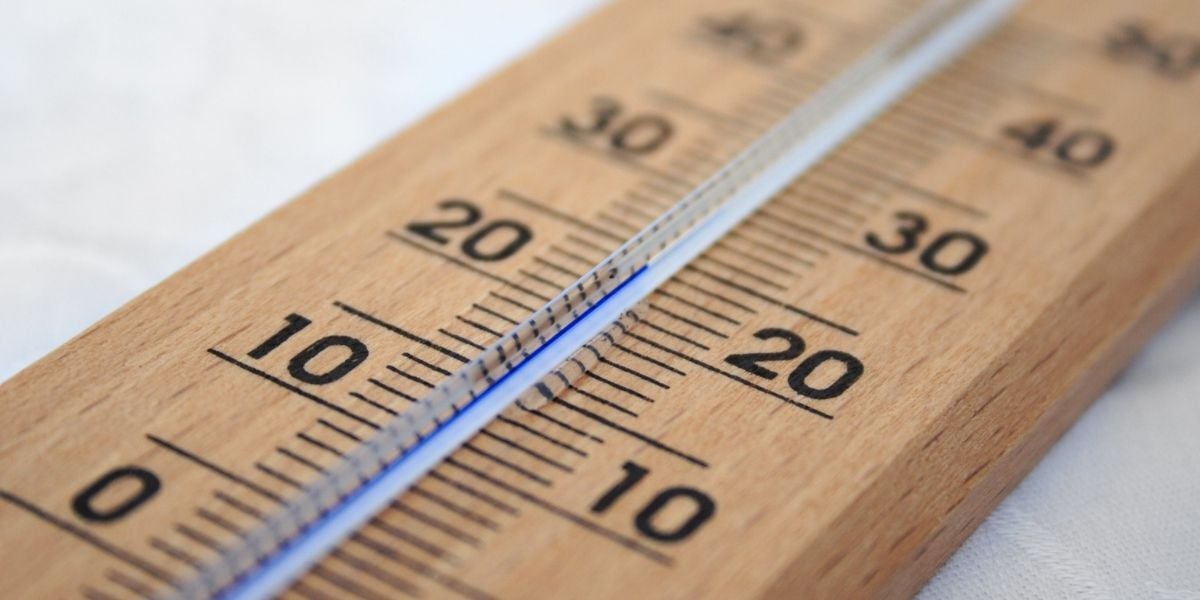
In cold climates, heat is not just about comfort. It protects the building itself.
If a tenant’s heating system fails during freezing weather and remains off for several days, indoor temperatures can drop fast. Pipes near exterior walls, ceilings, or uninsulated spaces are especially vulnerable.
When water freezes, it expands. That pressure can crack pipes, split fittings, and damage sprinkler lines.
The most serious damage often occurs when temperatures rise again. Frozen pipes begin to thaw, water escapes, and walls, ceilings, and floors become saturated.
At that point, the issue is no longer just mechanical. It becomes structural.
Even a short loss of heat can result in water damage, mold growth, ruined insulation, and electrical problems. The longer the building stays cold, the greater the risk to the structure and overall building envelope.
How Does HVAC Neglect Affect the Roof?
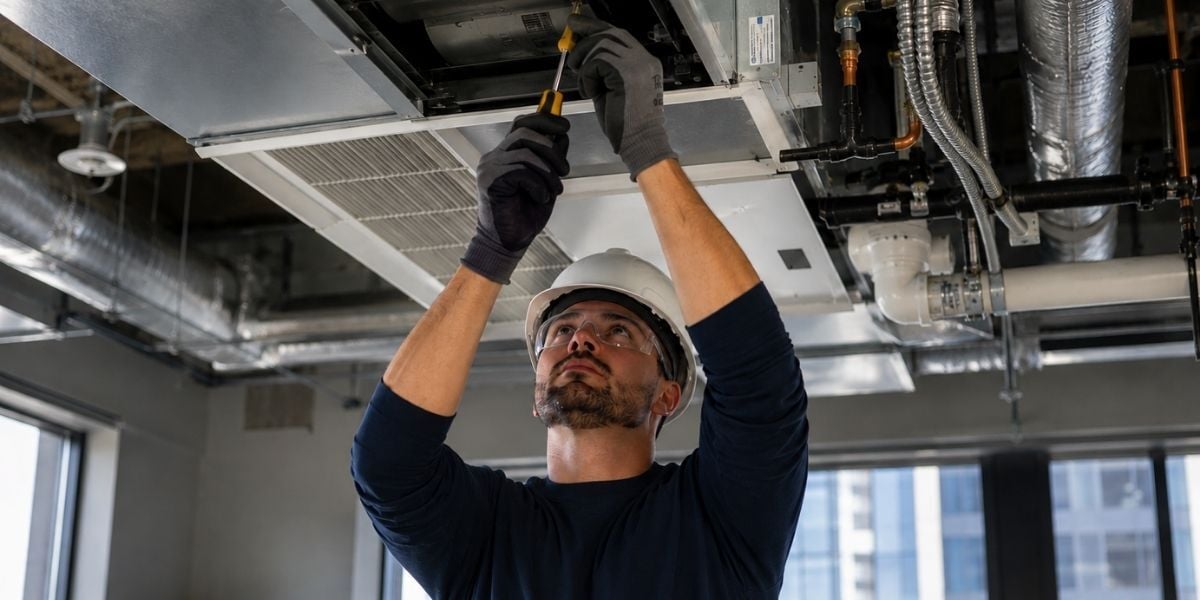
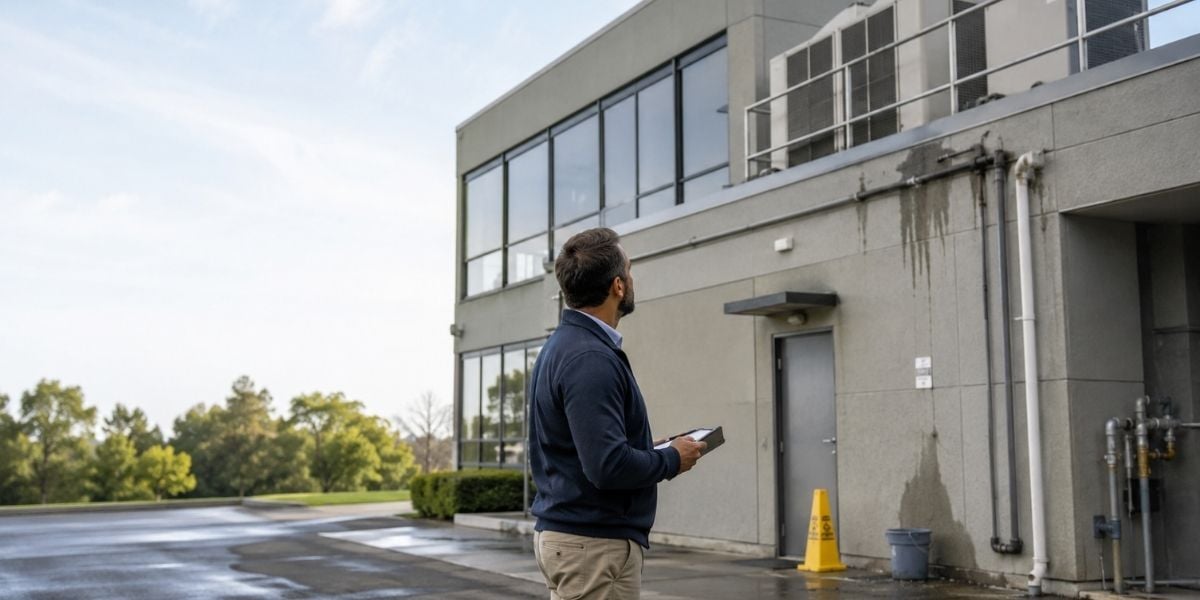
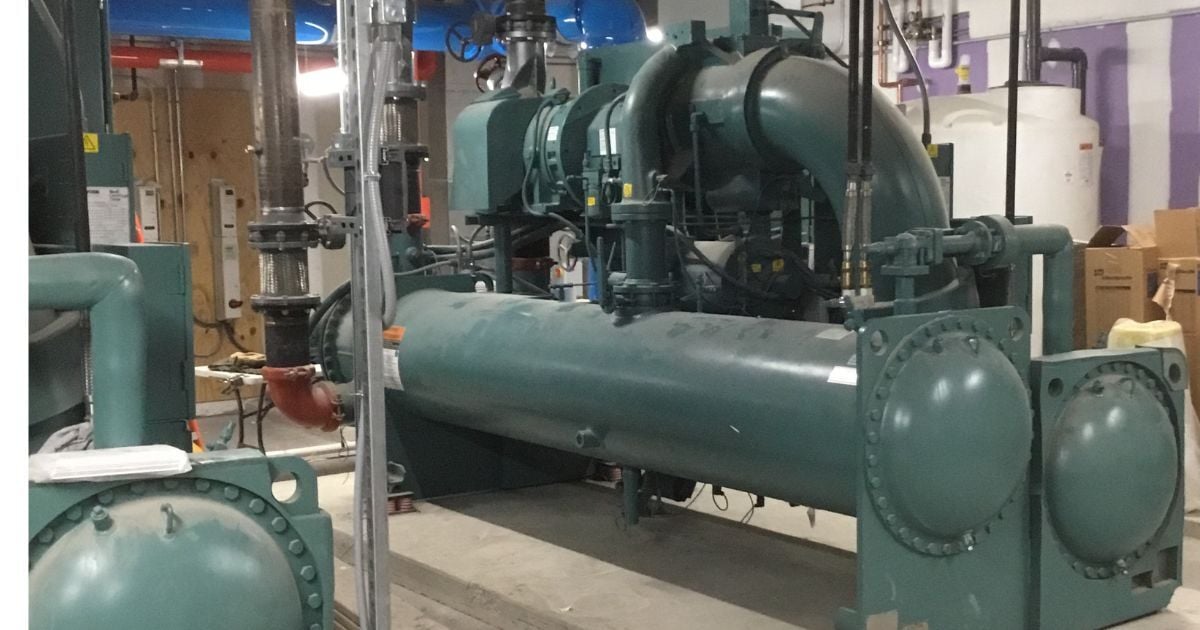
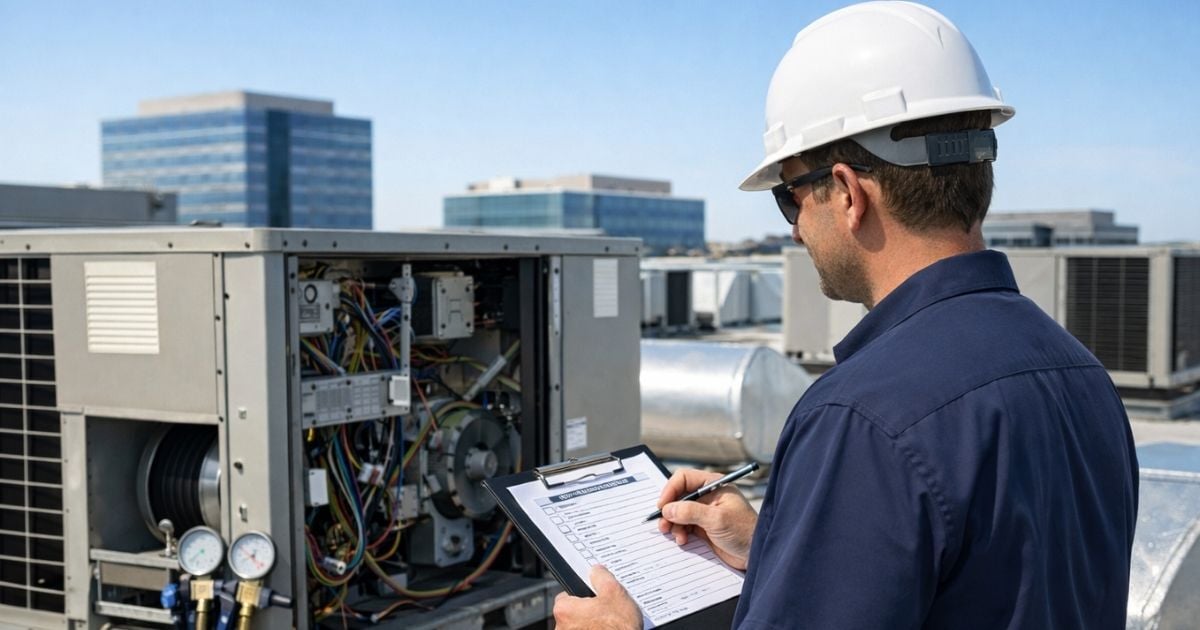
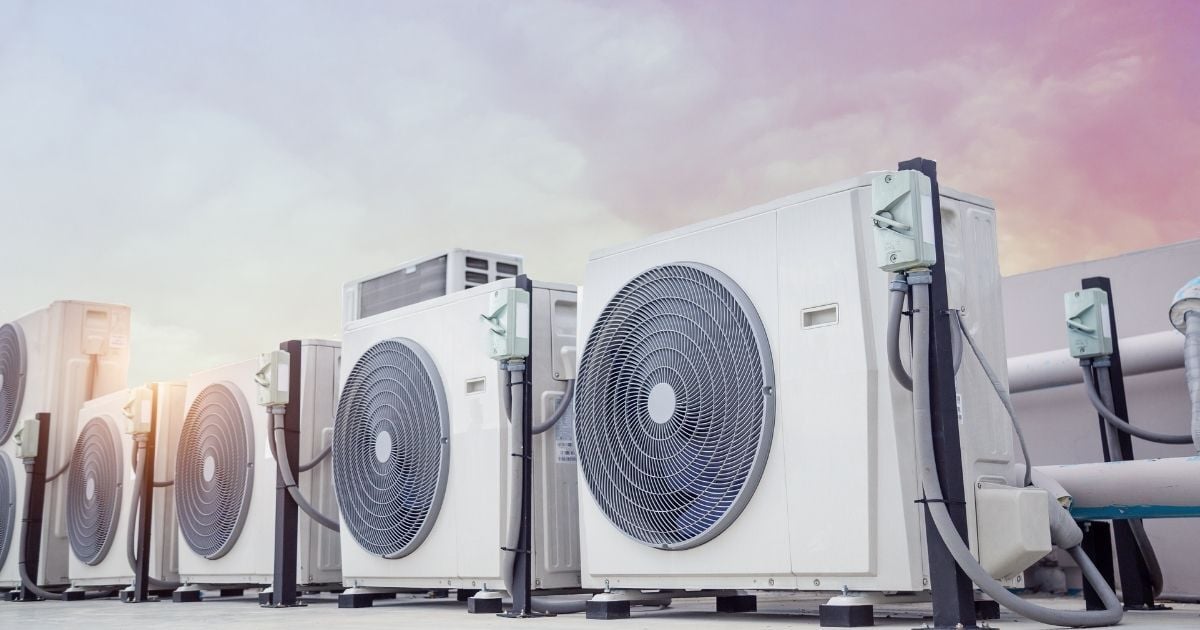
Many commercial HVAC systems are rooftop units. When they are not maintained properly, seals and gaskets can fail. Panels loosen. Drain lines clog.
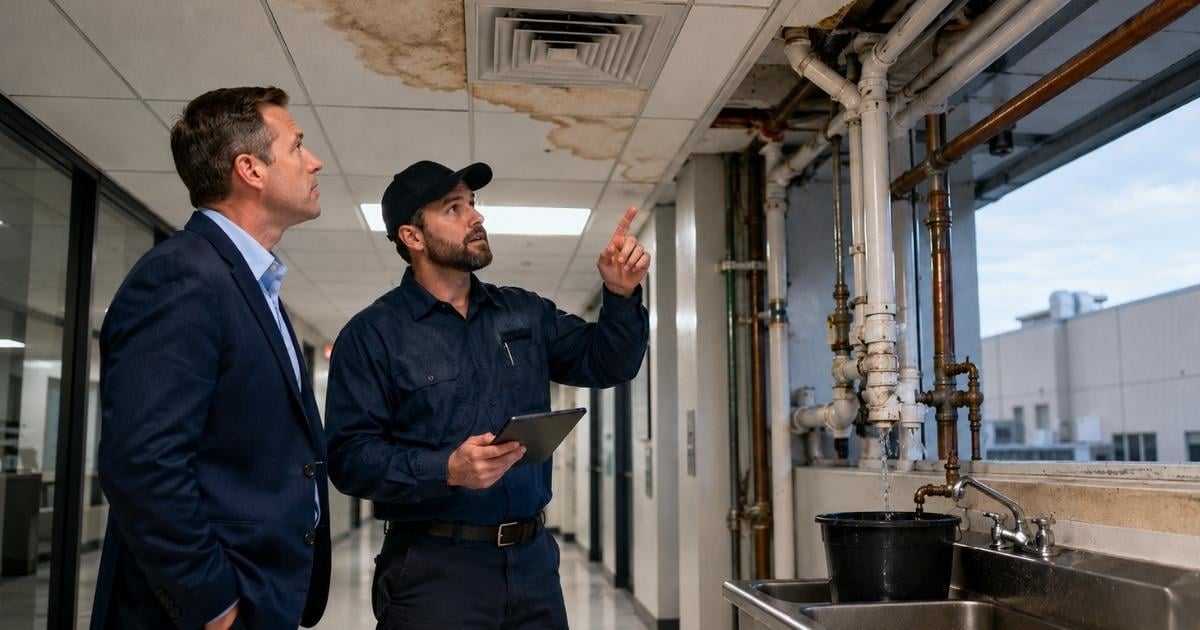
We were called to a multi-tenant office building after water stains began appearing in two suites below a rooftop unit. The issue was not a major storm event. It was a clogged condensate drain and a deteriorated gasket that had been overlooked for more than a year. Water had been slowly pooling around the curb. By the time the leak became visible inside, the roof membrane was already compromised.
Water may begin to collect around the unit curb when maintenance is skipped. Over time, that moisture can damage flashing, insulation, and roofing materials.
What started as a missed preventative service turned into a roof repair and interior ceiling replacement.
Roof repairs are far more expensive than seasonal HVAC maintenance. And in most cases, the warning signs were there long before the damage appeared inside.
How Can a Slow Plumbing Leak Damage a Wall?
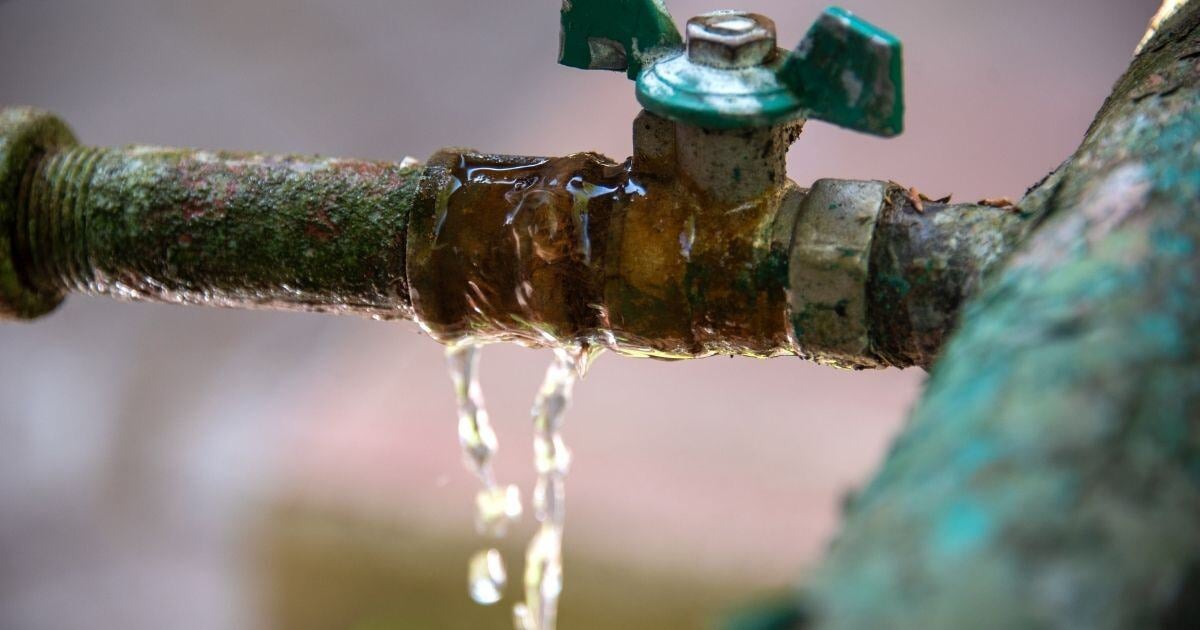
Not all damage is dramatic. Sometimes it starts with a slow drip.
A loose fitting.
A worn gasket.
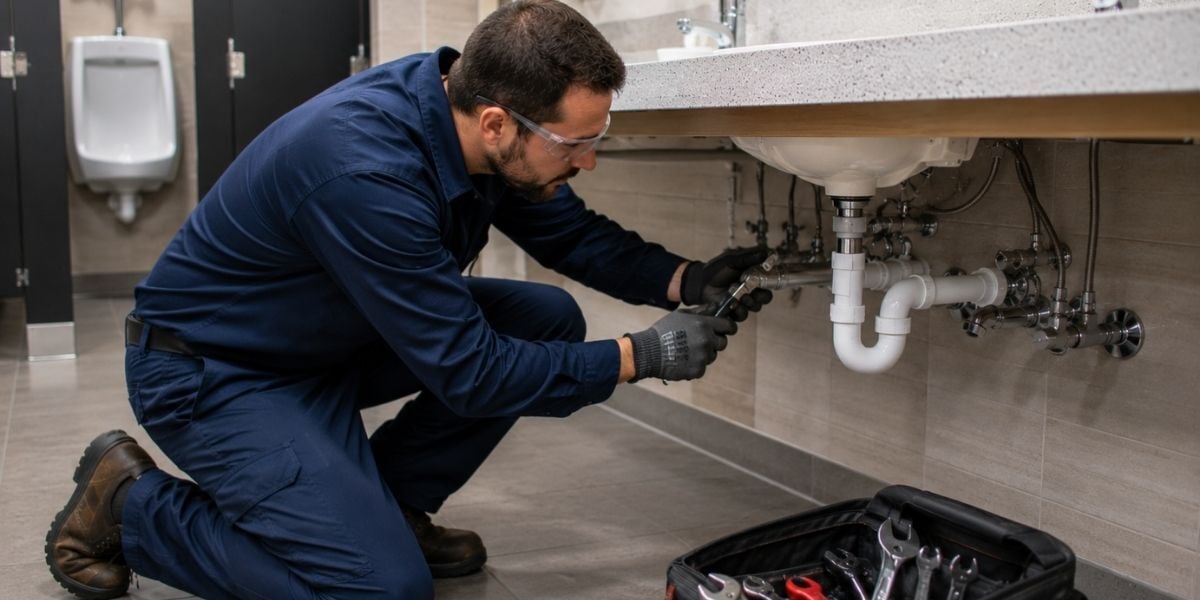
A small leak behind a sink or above a ceiling.
If that leak continues inside a wall cavity, water slowly soaks into insulation and framing. Because it is hidden, it may go unnoticed for months.
Over time, that moisture can cause mold, rust metal framing, weaken wood supports, and damage drywall. Electrical wiring inside the wall may also corrode.
By the time someone smells something musty or sees a stain, the repair is no longer simple.
Small drips become large restoration projects when ignored.
What Is the Real Financial Risk?
|
Tenant Issue |
Short-Term Problem |
Long-Term Building Risk |
|
Heating system failure |
Space becomes cold |
Frozen pipes and water damage |
|
Clogged condensate drain |
Minor water backup |
Ceiling and insulation damage |
|
Slow plumbing drip |
Small hidden leak |
Mold, rot, and wall reconstruction |
|
Rooftop unit seal failure |
Water around curb |
Roof membrane damage |
|
Skipped seasonal service |
Reduced performance |
Emergency failure and capital expense |
The pattern is clear. Small issues become structural problems when they are not addressed early.
Why Does This Usually Fall Back on Ownership?
Even if the lease says the tenant is responsible for maintenance, the building still belongs to the owner.
When water spreads to shared walls or roofing systems, it becomes a building-level issue. Insurance claims focus on the damage, not who skipped maintenance.
That means ownership may end up paying for envelope repairs, mold remediation, or structural fixes.
The risk always circles back to the property.
How Can Property Managers Reduce This Exposure?
Property managers do not need to take control of tenant equipment. But they should create oversight.
This can include requiring proof of annual HVAC service, confirming heating systems are operational before winter, verifying plumbing inspections, and checking rooftop units during property walks.
Some owners offer centralized preventative maintenance programs that tenants can join. This creates consistency and documentation. It also reduces the chance that one neglected system damages the entire asset.
Preventative maintenance is not just about comfort.
It is about protecting the structure.
Protecting Your Building from Tenant-Controlled Mechanical Failures
Tenant-controlled HVAC and plumbing systems may reduce day-to-day involvement, but mechanical neglect does not stop at the lease line. Heating failures can freeze pipes. Small leaks can weaken framing. Rooftop neglect can damage the building envelope. What starts as minor maintenance can quickly become structural damage.
As an owner or manager, the building’s long-term value is still your responsibility. The lease may assign maintenance to the tenant, but it does not prevent water damage, mold growth, or roof deterioration.
Now is the time to review how tenant systems are monitored. Require documented seasonal service. Confirm heating before winter. Verify plumbing inspections. Oversight today helps prevent major capital expenses tomorrow.
For years, Harold Brothers has helped commercial property owners identify risks tied to mechanical systems and protect their properties with proactive maintenance strategies.
Topics: