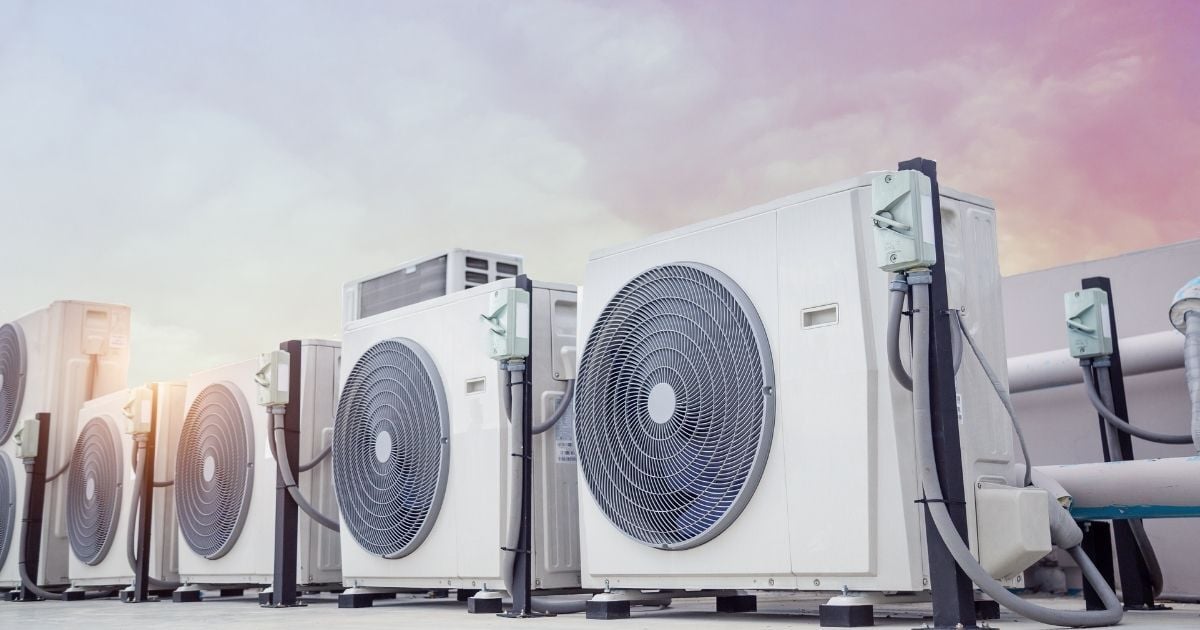


Does your commercial space feel too humid in summer or overly dry in winter, even when the HVAC is running?
Are employees still uncomfortable, even with the thermostat set correctly?
Humidity issues like these are often tied to poor HVAC maintenance.
Harold Brothers specializes in commercial HVAC solutions that keep systems running smoothly and buildings feeling just right. In this article, you’ll learn how regular HVAC upkeep helps control humidity, improve comfort, and boost energy efficiency in commercial buildings.
Why Humidity Control Matters in Commercial Buildings
Humidity isn’t just a comfort issue in a commercial space, it’s a business issue.
When humidity levels are off, it can cause more than just complaints. High humidity can damage inventory, electronics, furniture, and even the building itself. Mold, mildew, and bad air quality can lead to sick employees, customer discomfort, and even liability risks. On the flip side, air that’s too dry can cause static shocks, skin irritation, and health issues that affect productivity.
Whether you manage an office, school, store, or warehouse, maintaining a balanced humidity level is crucial, and your HVAC system plays a significant role.
What Happens When Commercial HVAC Maintenance Is Skipped?
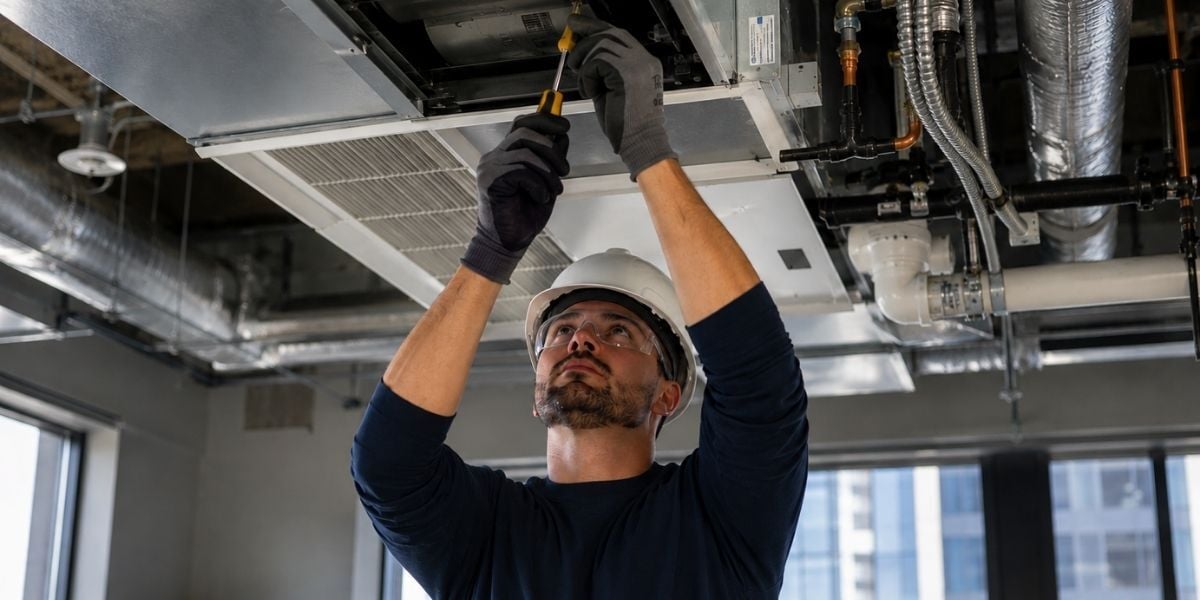
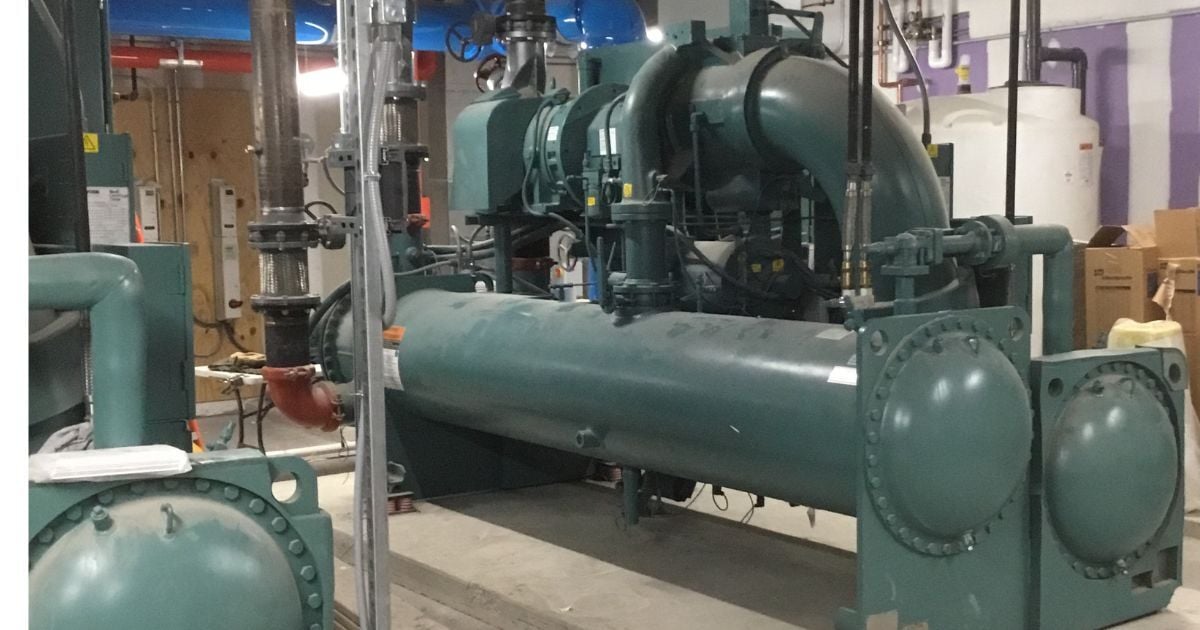
%20-%202025-12-16T095034.969.jpg?width=327&height=436&name=Untitled%20(768%20x%201024%20px)%20-%202025-12-16T095034.969.jpg) A commercial HVAC system is a workhorse. It runs longer hours, supports larger spaces, and has more equipment than residential systems. When maintenance is skipped, all that equipment becomes a risk.
A commercial HVAC system is a workhorse. It runs longer hours, supports larger spaces, and has more equipment than residential systems. When maintenance is skipped, all that equipment becomes a risk.
Dirty evaporator coils can’t remove moisture from the air. Clogged drains allow water to build up. Worn belts or broken sensors throw off system timing. These small problems don’t just make the building feel uncomfortable, they can stop the HVAC from removing moisture altogether.
If employees are sweating in July or using lotion nonstop in January, chances are the HVAC isn’t doing its job with humidity. And without maintenance, it will only get worse.
How Does Regular Maintenance Support Humidity Control?
Routine HVAC maintenance in commercial buildings is not just about keeping the air warm or cool. It’s about making sure every part of the system is running clean, safe, and efficient, especially the parts that manage moisture.
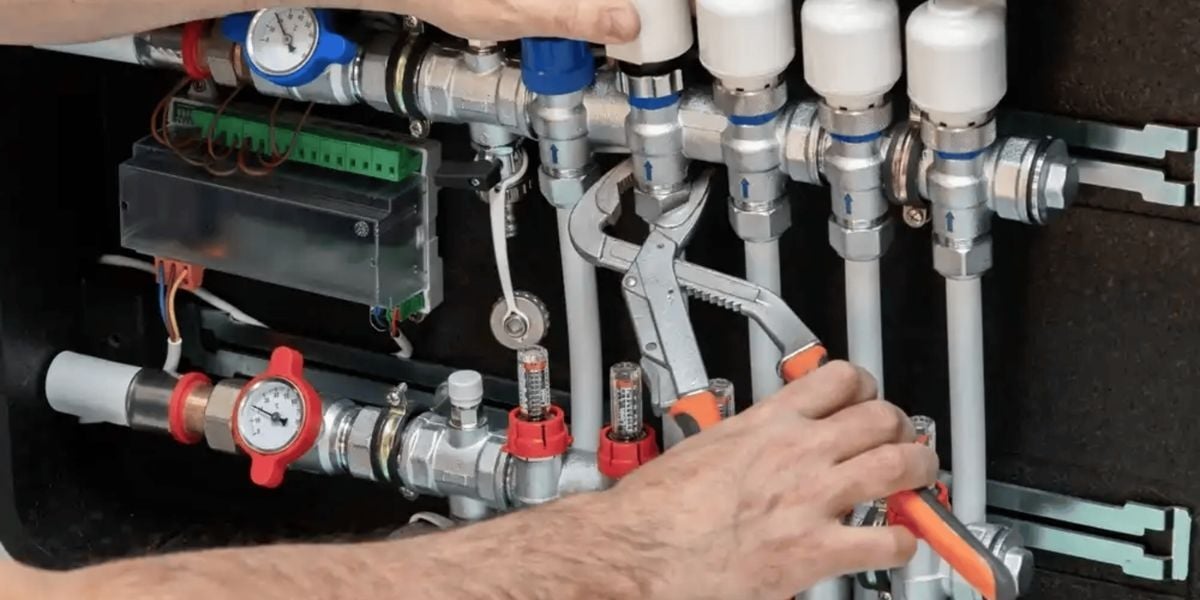
When a technician performs maintenance, they clean evaporator coils, clear drain lines, check filters, and inspect refrigerant levels. All of these things work together to pull moisture from the air in summer and manage dryness in winter.
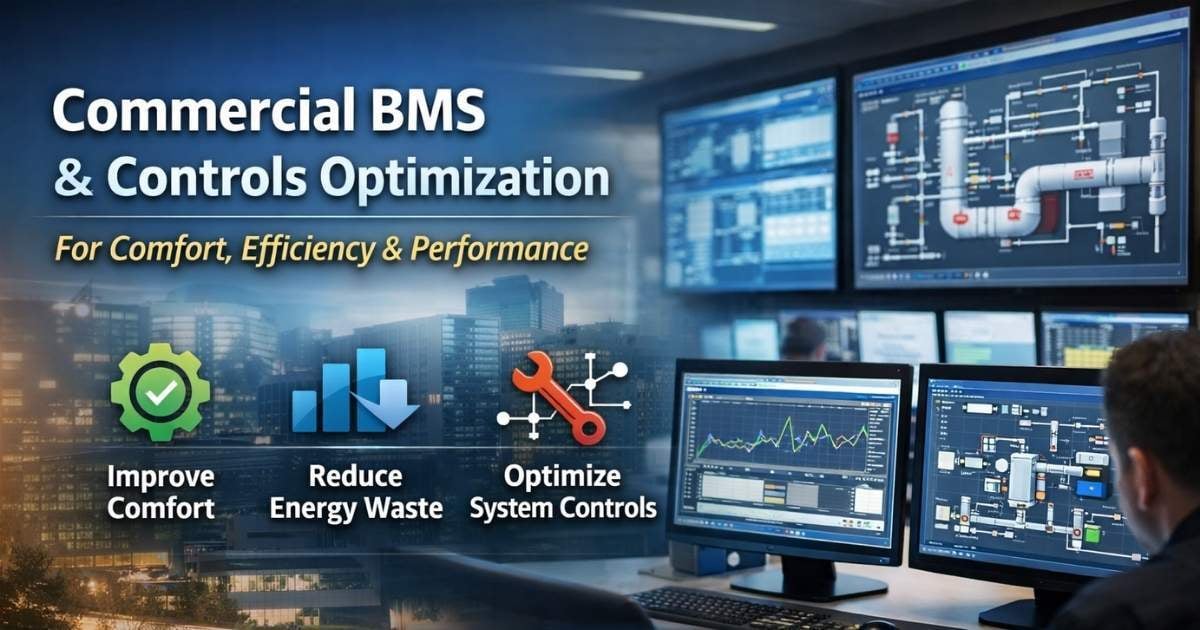
Proper maintenance also ensures sensors and controls are working as they should. If the humidity sensor isn’t accurate, or worse, isn’t working at all, the system won’t adjust properly. The result? A building that looks fine on paper but feels uncomfortable every day.
Do Dirty Filters Cause Poor Humidity Control?
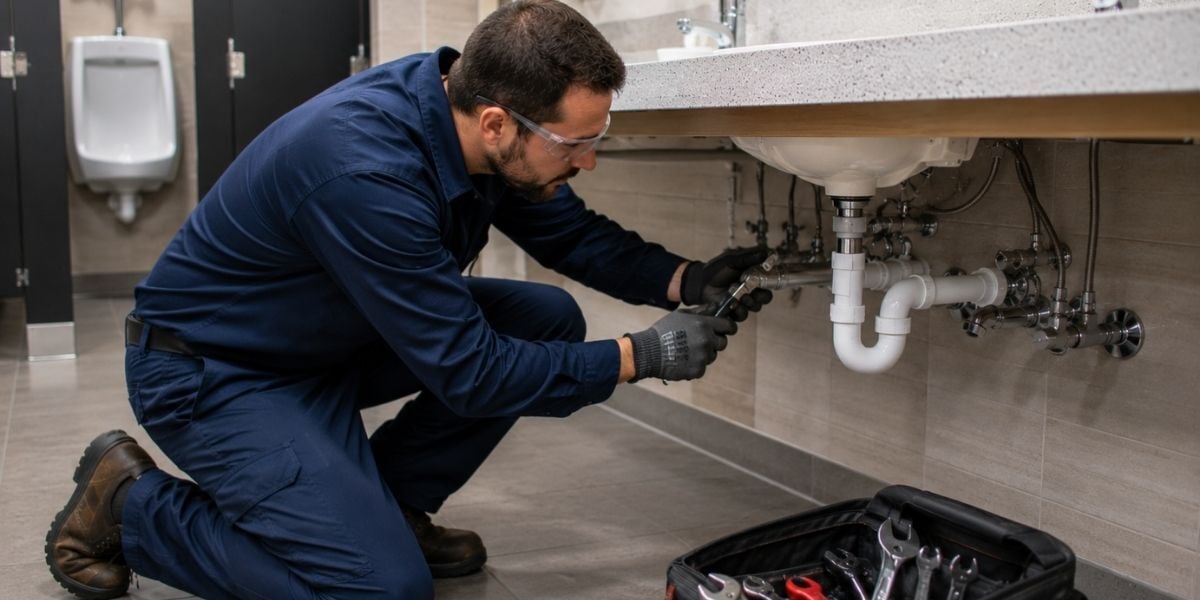
%20-%202025-12-16T095147.687.jpg?width=343&height=458&name=Untitled%20(768%20x%201024%20px)%20-%202025-12-16T095147.687.jpg) It may seem like a small thing, but in a commercial building, filter health makes a big difference.
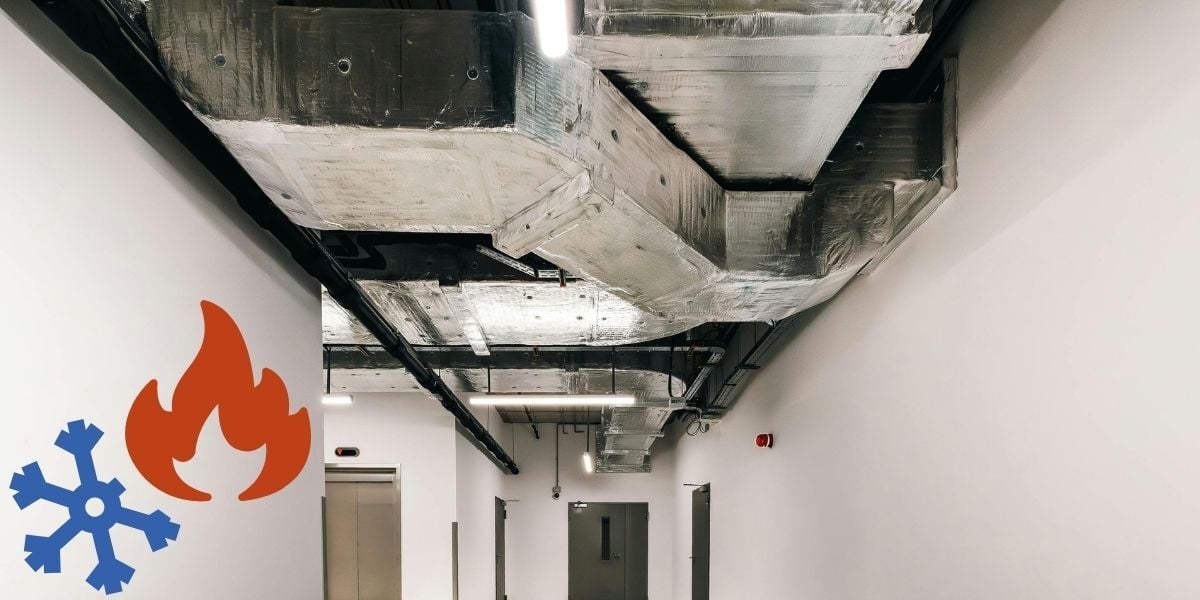
It may seem like a small thing, but in a commercial building, filter health makes a big difference.
Dirty or clogged filters restrict airflow. When the air can’t pass through the system easily, it puts pressure on all components, including the parts that regulate moisture. Your building might stay cool, but the humidity won’t go down.
Over time, this added strain can freeze coils, overwork motors, and reduce your HVAC’s ability to manage both temperature and humidity.
Replacing filters on schedule, monthly or quarterly, depending on building type and usage, keeps the system breathing, which keeps humidity in check.
Signs Your Commercial HVAC System Isn’t Managing Humidity
Even when the HVAC is running, there are signs your system is struggling with humidity.
In the summer, that might mean foggy windows, musty smells in storage areas, or an overall “sticky” feeling in the air. Employees may complain that the air feels heavy or stale.
In the winter, symptoms include dry skin, scratchy throats, or increased static in the office. If your team is bringing in humidifiers or using lotion at their desks, your system likely isn’t balancing the air.
These issues aren’t just uncomfortable, they can lead to lower productivity, more sick days, and even damage to electronics or inventory if left unchecked.
Should You Add a Humidity Control System?
In larger or more sensitive commercial buildings, standard HVAC systems may not be enough to handle moisture all year long. That’s when it might make sense to add commercial humidifiers or dehumidifiers that connect to your existing system.
These systems give you better control over humidity and help prevent the problems that come with air that’s too wet or too dry.
Even if you invest in these tools, you still need to maintain your HVAC system. A dirty or broken HVAC can’t work well with add-ons. Without proper maintenance, those upgrades won’t perform the way they should.
What to Do If Your Commercial Building Has Humidity Issues
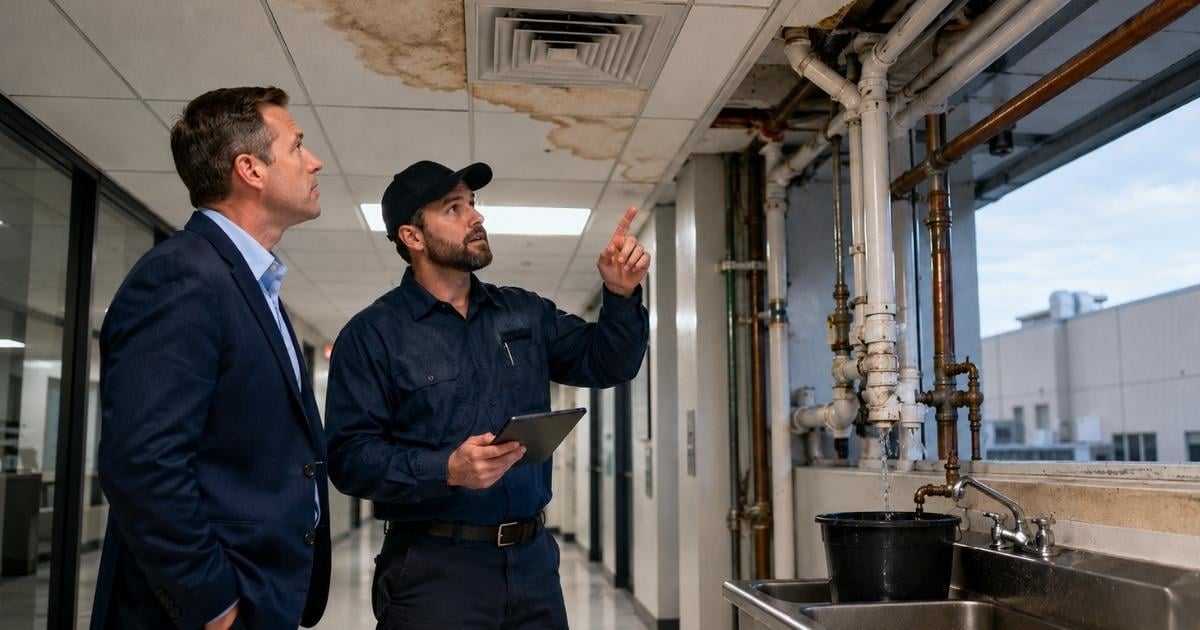
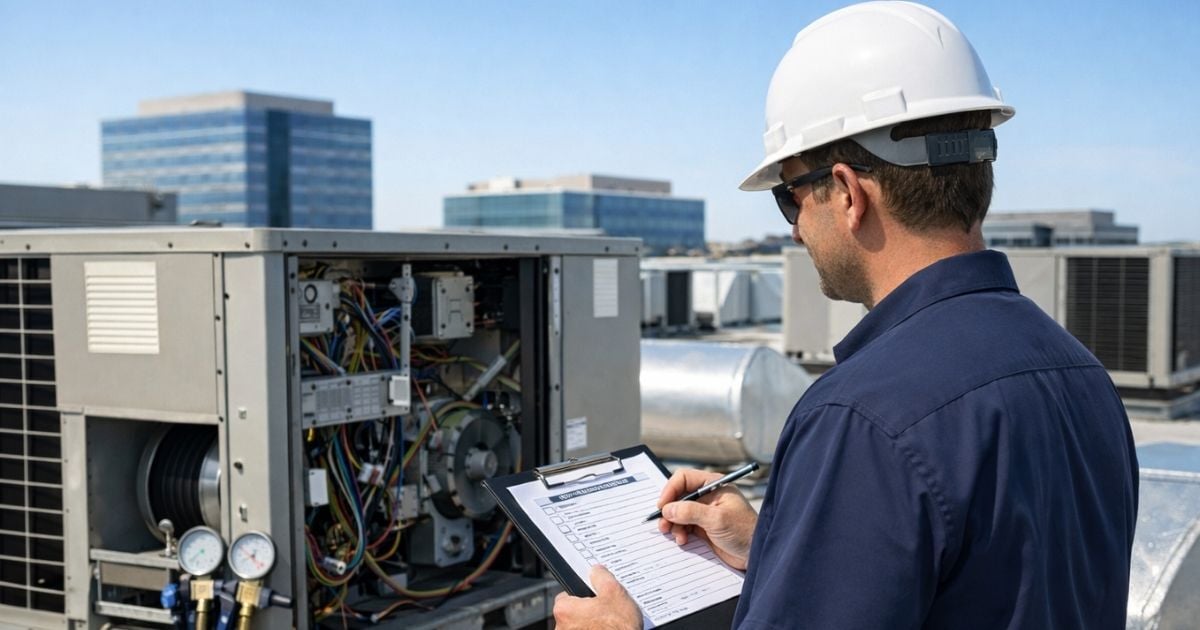
%20-%202025-12-16T103055.714.jpg?width=348&height=464&name=Untitled%20(768%20x%201024%20px)%20-%202025-12-16T103055.714.jpg) If your building constantly feels too humid or too dry, don’t wait for it to become a bigger problem.
If your building constantly feels too humid or too dry, don’t wait for it to become a bigger problem.
Your first step is to schedule a professional commercial HVAC inspection. A qualified technician can check for dirt buildup, worn-out parts, blocked drains, or faulty sensors that are stopping your system from balancing humidity.
You should also ask about your current maintenance schedule. If your system hasn’t been serviced in the last 6 months, it’s time. Commercial systems run hard, and they need attention to stay efficient.
And if you’re not already on a planned maintenance program, now is the time to consider one. It’s the best way to stay ahead of comfort and air quality issues, before they affect your people or your business.
Humidity Control Starts with Maintenance
Now you know that HVAC maintenance isn’t just about temperature, it’s the key to proper humidity control in your commercial building. Too much moisture leads to mold, damage, and discomfort. Too little leads to dry air and unhappy employees. A poorly maintained system makes both problems worse.
If your building has signs of humidity issues, schedule a maintenance visit today. A clean, well-functioning HVAC system protects your people, your property, and your bottom line. At Harold Brothers Mechanical, we specialize in keeping commercial HVAC systems running at their best, so your building stays comfortable, your equipment stays safe, and your employees stay focused. Let’s get your humidity under control, starting now.
If you’re thinking about a preventative maintenance plan for your commercial HVAC system, our article “Is a Preventative Maintenance Plan Worth It for a Commercial Building?” breaks down what a PM plan includes and helps you decide if it’s the right fit for your building.
Topics: