
If you manage a commercial building in Massachusetts, you know that energy bills can feel like they’re constantly climbing, especially in extreme seasons. HVAC is often the biggest contributor, and even small inefficiencies can quietly drain your budget.
At Harold Brothers, we’ve seen firsthand how neglected systems can increase energy use by 15–30% and sometimes even more. But we’ve also seen the flipside: how routine preventative maintenance brings energy consumption back under control.
In this article, we’ll break down how and why an HVAC maintenance contract can reduce your energy bills, with real-world examples and data that show exactly what’s at stake.
Why Maintenance Makes Such a Difference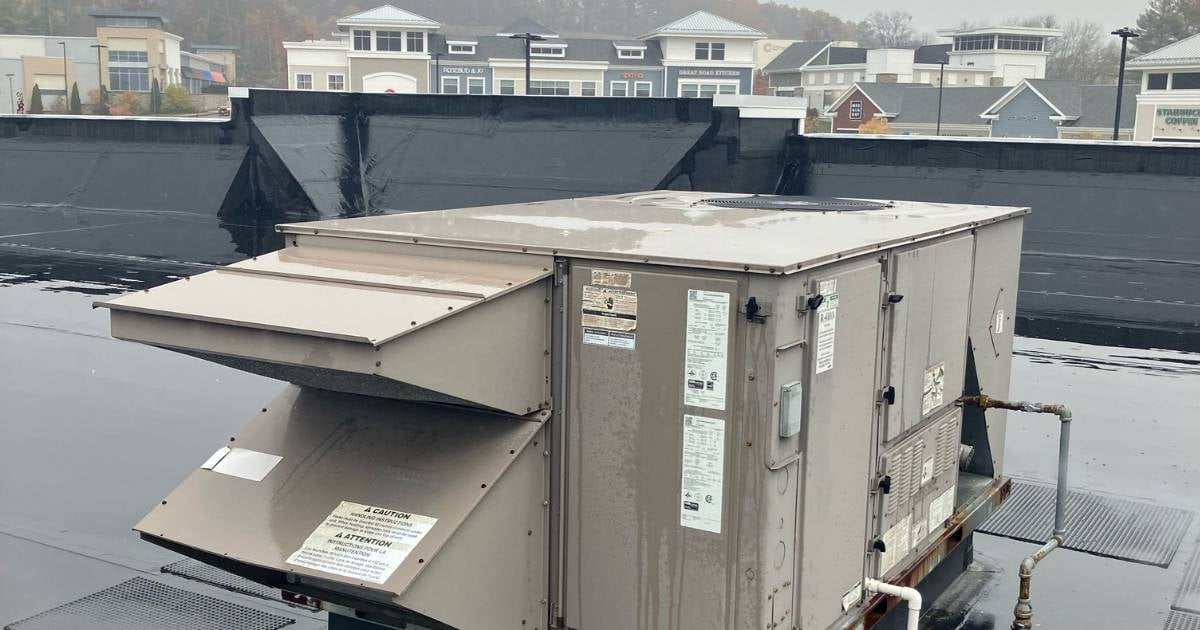
Most HVAC problems do not announce themselves with a dramatic failure. They creep in slowly. A coil gets dirty. A sensor drifts slightly out of calibration. Bearings start to wear. Filters clog. Refrigerant slips a little out of range. None of these things stop your system from running right away, but they all force it to work harder.
Federal studies back this up. The Department of Energy and ENERGY STAR report that when routine maintenance is neglected, a system can waste 15 to 30 percent more energy than it should. On the other hand, systems that receive consistent preventative maintenance typically use 5 to 20 percent less energy every year.
That is not marketing. That is Science.
A Real Massachusetts Example: How One Routine Visit Improved Efficiency
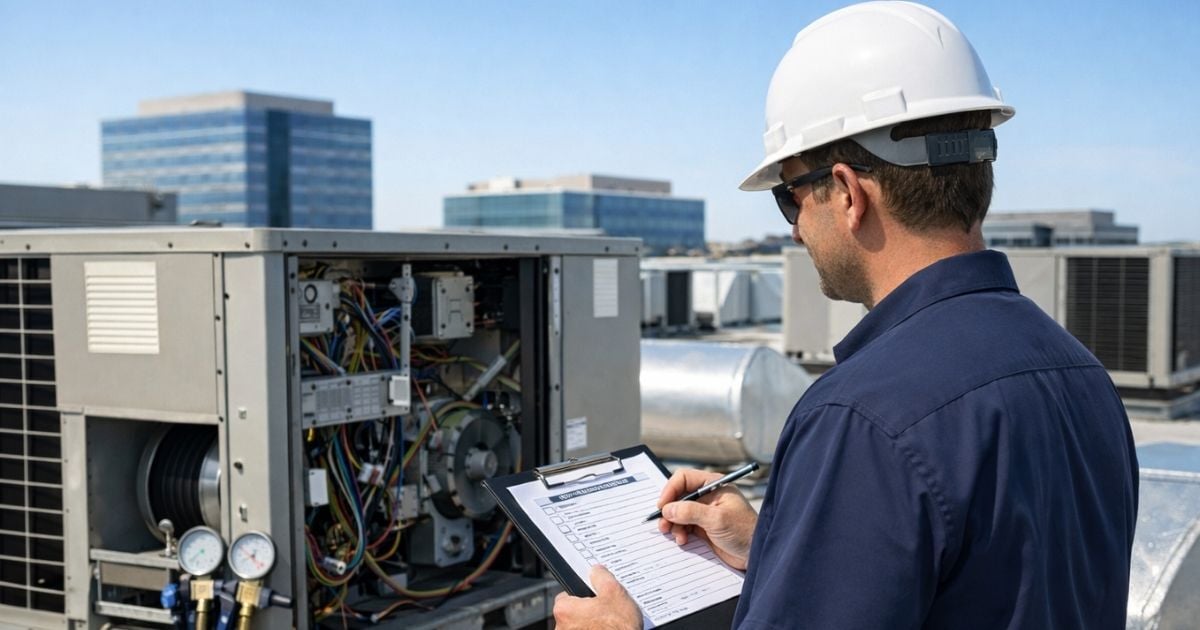
Here is a real example from one of our techs, Tyler, who visited a South Shore business recently.
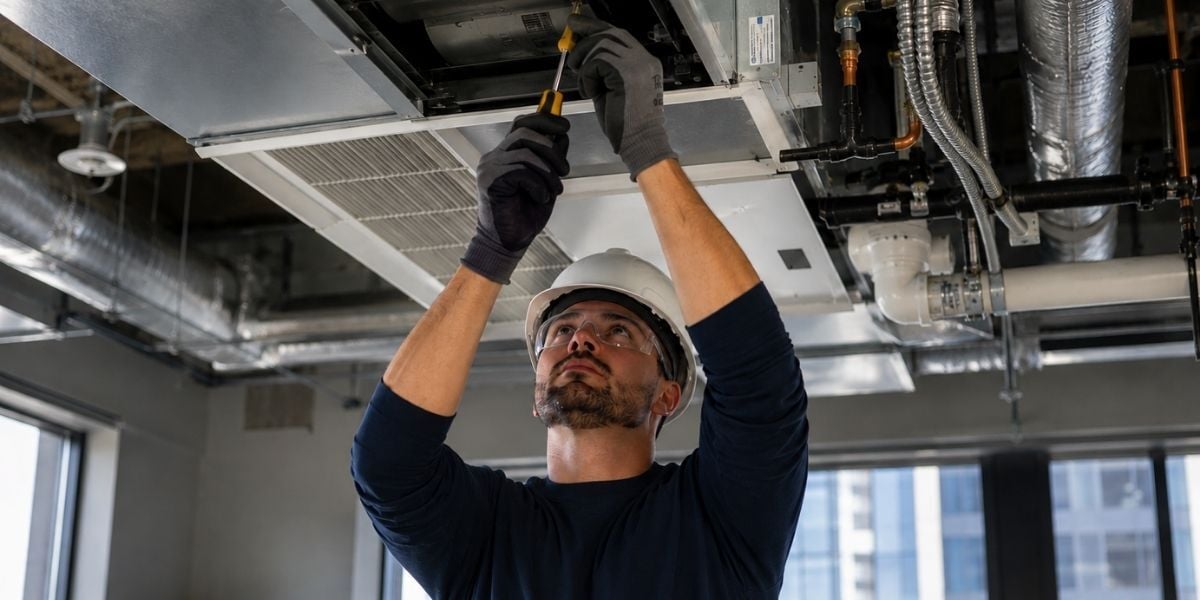
When he arrived, the rooftop unit was running but not running well. The heat exchanger had failed, which meant the system was using extra fuel just to keep pace with demand. Tyler removed the bad exchanger, tested all the gas piping, and brought the equipment back online in a way that prevented smoke or alarm issues. While he was there, he also swapped out old filters on another unit and discovered a failing inducer motor. That part would have continued driving up the business’s energy use if it had been left unchecked.
By the time he finished, the equipment was operating noticeably more efficiently. Shorter run times. Smoother operation. Less stress on the system. All of it translates directly into energy savings for the customer.
What is great about this example is how ordinary it is. Nothing dramatic happened. It was simply a technician cleaning, adjusting, and repairing the kinds of things that almost always slip out of spec over time. But the impact is real.

Small Problems Create Big Energy Waste
If you have ever owned a car, you know how quickly fuel efficiency drops when it is overdue for maintenance. HVAC equipment behaves the same way.
A dirty coil does not scream for attention, but it forces the unit to run longer to hit the same temperature. A worn belt or motor does not sound like an emergency, but it forces the system to work harder than it should. A filter past its prime does not stop airflow completely, but it reduces it enough to increase energy use.
That is exactly what was happening at the business Tyler visited. Several little inefficiencies were working together to push the energy bill higher month after month. None of the issues were big enough to cause a breakdown, but together they created a major drag on efficiency.
This is the kind of waste a preventative maintenance program is designed to eliminate.
Why Waiting for Something to Break Costs More
A lot of building owners try to operate on a fix it when it breaks philosophy. The problem is that by the time something breaks, you have already paid for the wasted energy. Sometimes for months.
Maintenance works differently. It catches problems early, when they are still small, cheaper to fix, and before they start eating into your utility budget. It keeps the equipment tuned the way the manufacturer intended. It extends the life of the system. And it gives you a clear picture of how your equipment is performing instead of guessing whether it is fine.
Remember that failing inducer motor Tyler spotted. That is a perfect example of something that might have gone unnoticed until it failed. In the meantime, it would keep driving up energy costs. Early detection like that is one of the biggest financial advantages of a PM contract.
Who Benefits the Most
Every commercial building benefits from a maintenance contract. Offices dealing with temperature swings, schools with older equipment, labs and healthcare facilities that rely on stable environments. All of them see meaningful improvements when their systems are properly maintained.
But even buildings with newer systems can benefit. Efficiency does not decline only because of age. It declines because of normal wear, dirt, vibration, and the constant demands of New England weather.
If your building feels inconsistent or your energy bills spike seasonally, it is usually a sign that your system is working harder than necessary.
So Does a Preventative Maintenance Contract Lower Energy Bills
Yes. And often more than people expect.
It reduces wasted runtime. It brings the system back to its intended efficiency. It prevents the slow decline that quietly raises your utility bill each month. And, as Tyler’s visit showed, it stops multiple small issues from stacking into expensive energy waste.
Add in fewer breakdowns and longer equipment life, and the value becomes hard to ignore.
Want to See Everything a PM Contract Includes
Energy savings are only one part of the picture. If you want to see everything that is
At the end of the day, every building owner has faced the frustration of climbing energy costs without obvious reasons. This is especially true in New England, where weather extremes put HVAC systems to the test and minor issues can quietly add up to major inefficiencies.
Now that you understand how routine maintenance prevents energy waste—through real examples, physics-backed data, and early detection of costly problems, it’s time to rethink the idea that maintenance is just a “nice-to-have.”
Dive deeper into what’s actually included in a commercial HVAC maintenance plan, and how it stacks additional value on top of energy savings, by checking out our article that breaks down if it's worth it for you to have a Preventive Maintenance Plan or not.
Harold Brothers Mechanical partners with commercial building owners to reduce HVAC costs and avoid preventable problems.

Topics: