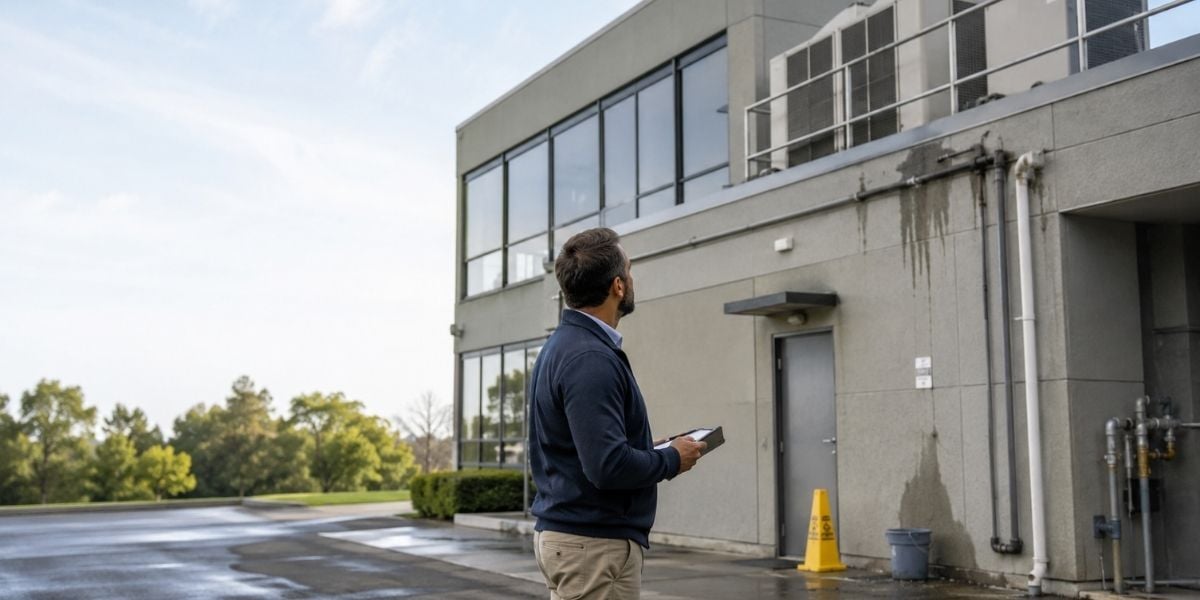

Maintaining a comfortable and safe environment in a commercial building depends on reliable HVAC systems. When it comes to preventative maintenance, many facility managers ask the same question: Do heating and cooling systems really need to be serviced separately?
It might seem easier to service both systems at the same time, but heating and cooling systems work in different ways. They run during opposing seasons and need different kinds of check-ups. If you don’t give each one the care it needs, it could lead to higher energy bills, surprise breakdowns, or even safety issues, especially in larger buildings.
Harold Brothers Mechanical Contractors offers complete mechanical services for commercial buildings. With 17 years of hands-on experience, we’ve seen how regular, seasonal maintenance for each system helps avoid major issues and keeps HVAC equipment running at its best.
In this article, we’ll explain why heating and cooling systems should be maintained separately, what each service involves, and how proper maintenance can protect your systems, budget, and building operations.
Why Commercial HVAC Systems Need Separate Maintenance
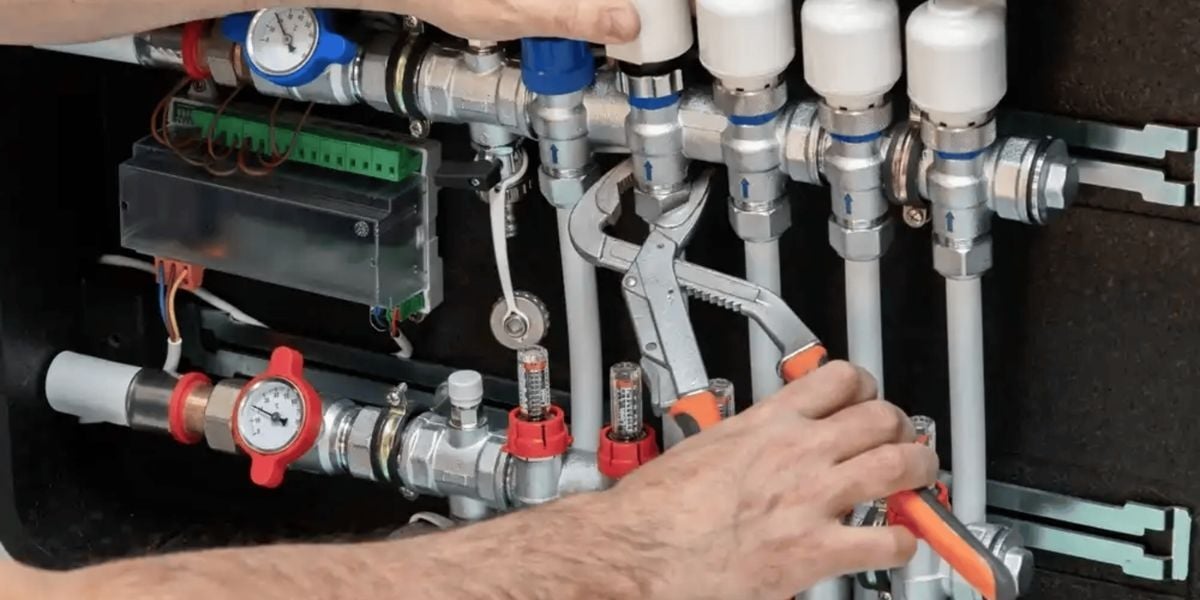
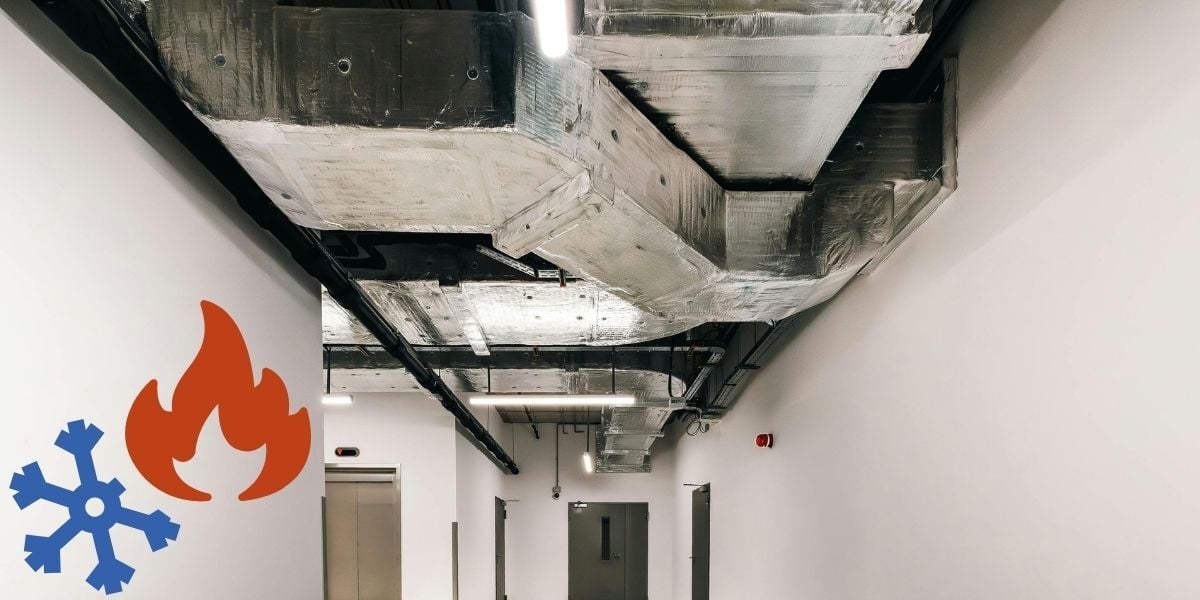
Commercial heating and cooling systems are large, complex, and built to handle different jobs. That’s why each system needs its own inspection, cleaning, and testing, usually in different seasons.
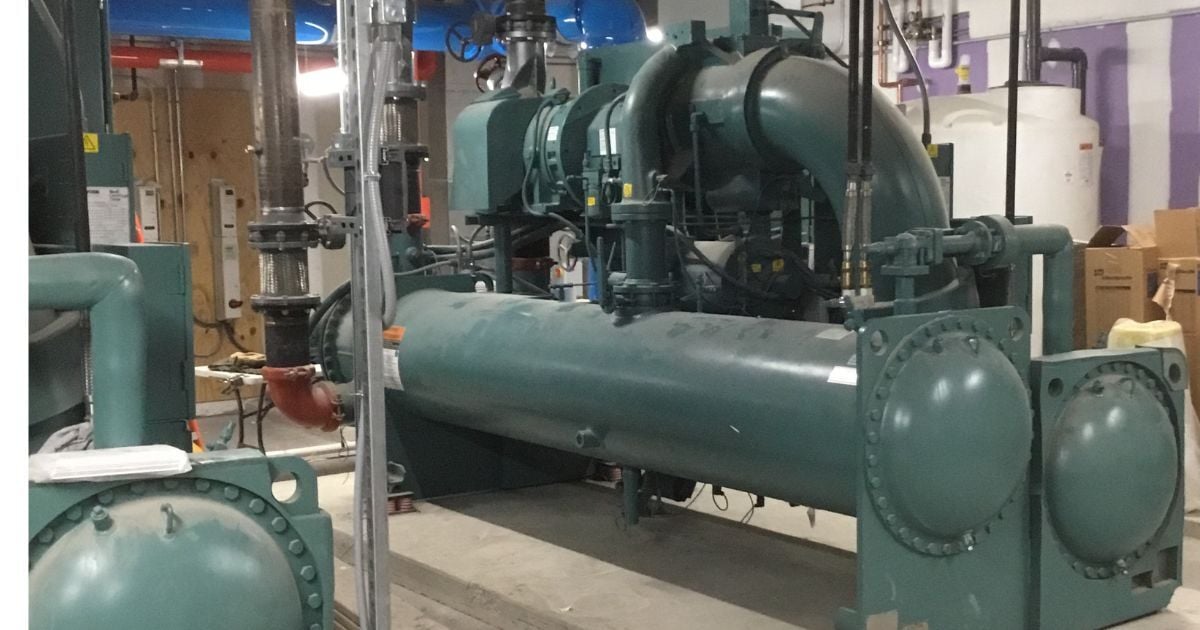
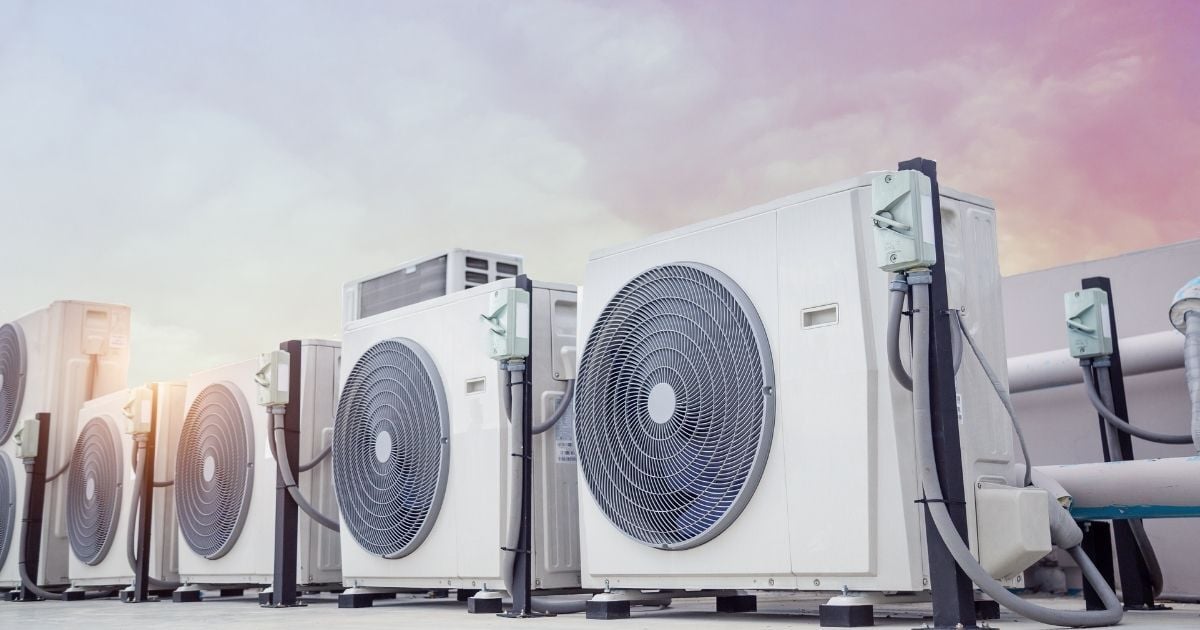
Cooling systems (such as rooftop units or chillers) are used in warmer months. Heating systems (like gas furnaces, boilers, or heat pumps) are used in colder months. Their parts, functions, and wear-and-tear differ greatly.
Treating these systems as a single unit can lead to overlooked issues, missed safety checks, and poor performance. Maintenance needs to be tailored to each system's specific demands.
What’s Included in Commercial Cooling System Maintenance?
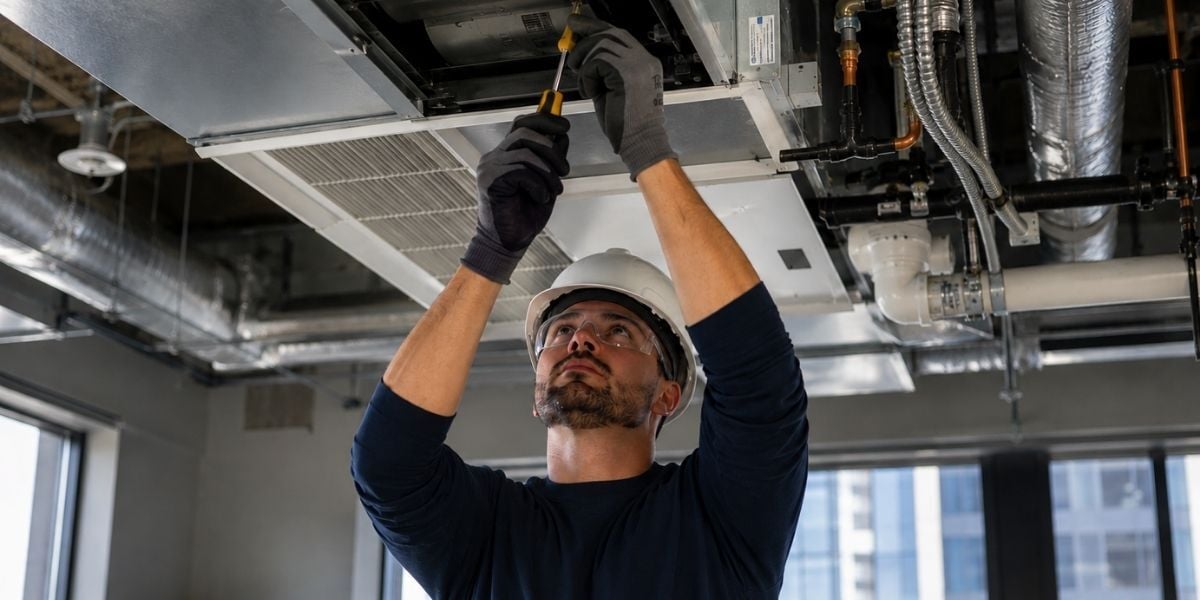
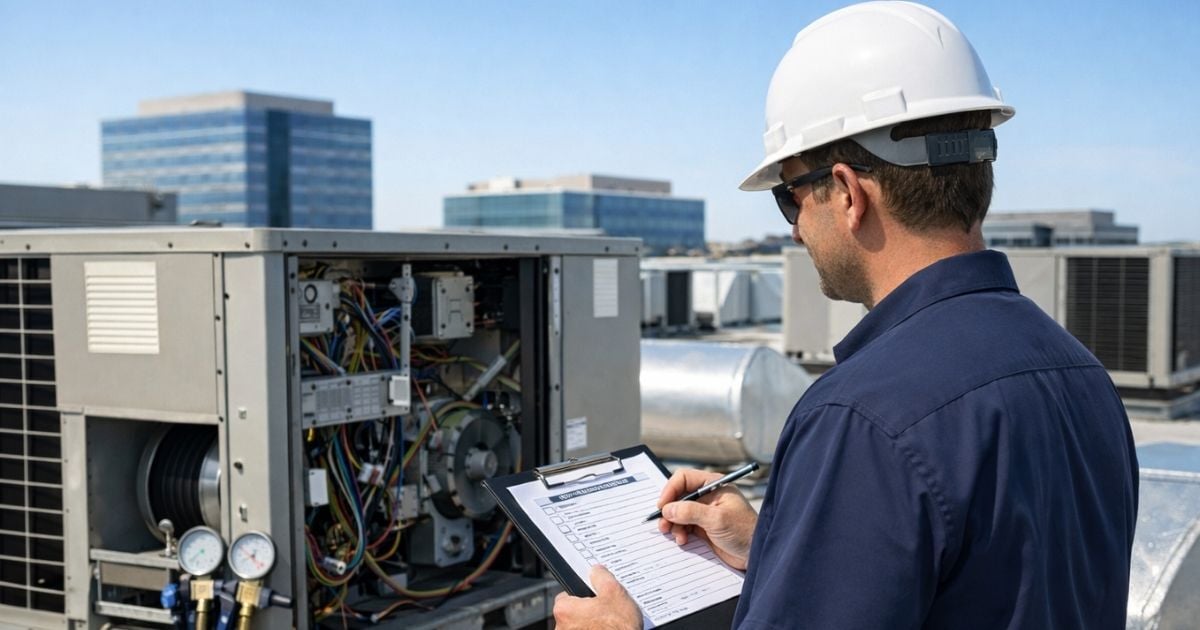
%20-%202026-01-07T103937.407.jpg?width=361&height=481&name=Untitled%20(768%20x%201024%20px)%20-%202026-01-07T103937.407.jpg) Cooling systems in commercial buildings are usually serviced in the spring, before the weather warms up. A professional maintenance visit typically includes:
Cooling systems in commercial buildings are usually serviced in the spring, before the weather warms up. A professional maintenance visit typically includes:
- Cleaning condenser coils
- Checking refrigerant levels and pressure
- Inspecting and tightening electrical connections
- Clearing condensate lines
- Testing thermostats and controls
- Checking air filters and airflow
Skipping these steps can cause the system to freeze, cool your building poorly, or break down when you need it most.
What Happens During Heating System Maintenance in Commercial Buildings?
Heating systems are typically maintained in the fall, before colder weather hits. Key maintenance tasks include:
- Inspecting the heat exchanger for cracks or corrosion
- Cleaning burners and flame sensors (in gas systems)
- Checking for carbon monoxide or gas leaks
- Lubricating moving parts like motors and fans
- Testing safety controls and thermostats
Heating issues in commercial spaces can be serious. If a gas leak or carbon monoxide leak occurs, it could lead to safety violations, liability issues, or worse, harm to employees or tenants.
Can Both Systems Be Serviced in One Visit?
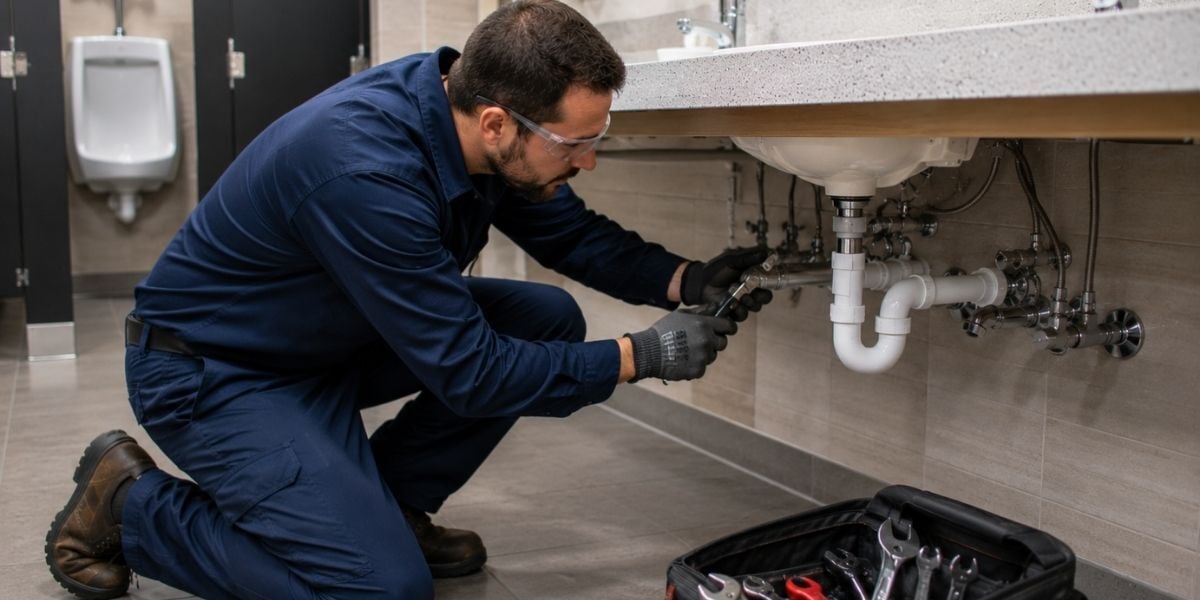
%20-%202026-01-07T104757.305.jpg?width=364&height=485&name=Untitled%20(768%20x%201024%20px)%20-%202026-01-07T104757.305.jpg) Yes, but only if done thoroughly and with enough time dedicated to each system. Some HVAC providers offer combined service calls for both systems during shoulder seasons (spring and fall).
Yes, but only if done thoroughly and with enough time dedicated to each system. Some HVAC providers offer combined service calls for both systems during shoulder seasons (spring and fall).
However, building managers should confirm that:
- The technician is trained in both heating and cooling systems.
- Technicians follow a full step-by-step checklist for each system
- Seasonal-specific risks (like gas leaks in winter or coil clogging in summer) are not ignored.
Rushed or combined maintenance often results in missed issues and higher costs later.
How Often Should Commercial HVAC Systems Be Maintained?
At a minimum, commercial systems should receive maintenance twice a year:
- Cooling maintenance in spring
- Heating maintenance in the fall
Buildings with high occupancy may need quarterly checkups to ensure the system stays reliable year-round.
If your building uses a heat pump, it still needs two service visits per year due to year-round use.
What Are the Risks of Skipping HVAC Maintenance in Commercial Spaces?
Skipping preventative maintenance may save money now, but it often leads to higher costs later. Here’s what you risk:
- Energy waste: Dirty or uncalibrated systems use more energy.
- Breakdowns: Small problems grow into large failures.
- Shorter lifespan: Parts wear out faster without regular inspections.
- Downtime: A failed system can shut down parts of your building.
- Safety hazards: Gas heating systems can raise the risk of fire or carbon monoxide poisoning if not properly maintained.
In commercial buildings, these risks impact business operations, tenant satisfaction, and even building code compliance.
How Preventative Maintenance Saves Money and Time
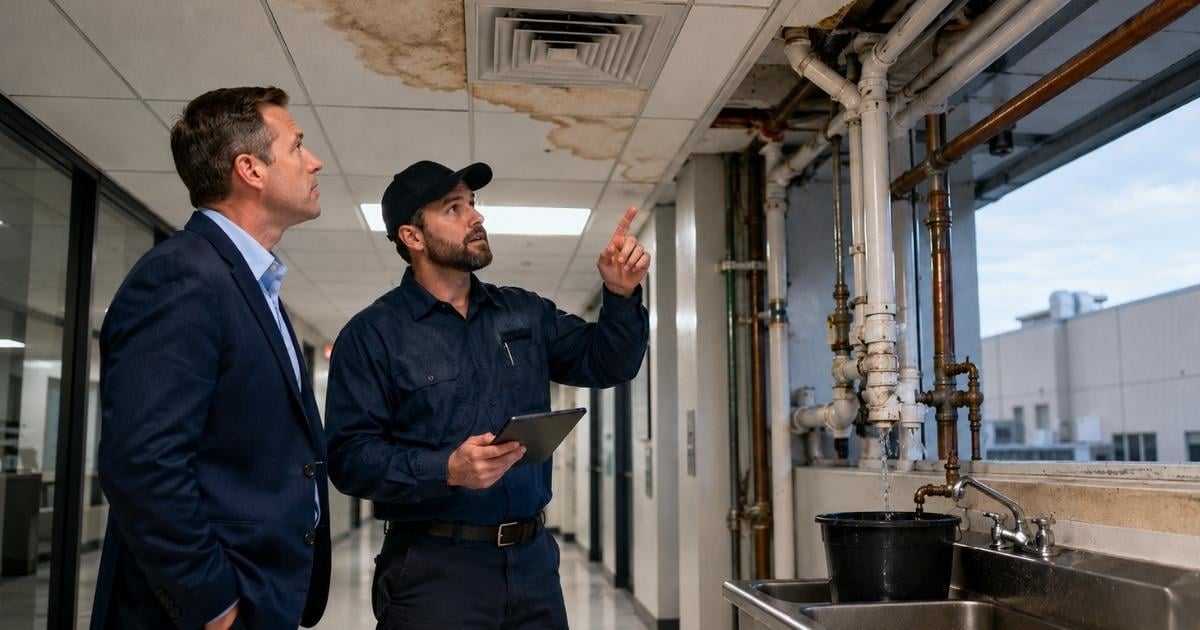
%20-%202026-01-07T111611.223.jpg?width=395&height=526&name=Untitled%20(768%20x%201024%20px)%20-%202026-01-07T111611.223.jpg) Commercial HVAC maintenance is a cost-saving tool, not just a maintenance task.
Commercial HVAC maintenance is a cost-saving tool, not just a maintenance task.
Here’s how it adds up:
- Avoid expensive emergency calls.
- Maintain lower monthly energy bills.
- Extend the system’s lifespan (often by 5+ years)
- Reduce complaints from employees or tenants.
- Stay compliant with lease agreements or local codes.
Most commercial maintenance visits cost far less than replacing an entire system, which can reach up to hundreds of thousands of dollars.
Should You Sign Up for a Commercial HVAC Maintenance Plan?
Yes, especially if you manage multiple buildings or large systems.
A good maintenance plan includes:
- Biannual or quarterly service visits
- Detailed system reports
- Discounts on repairs or replacement parts
- Priority emergency service
- Compliance tracking for inspections and safety
Ensure your provider dedicates time during each visit to thoroughly assess both systems, not just give a quick look over. The goal is to prevent issues, not just respond when something breaks.
Preventative Maintenance for Both Systems Is a Must
Commercial buildings need to stay comfortable, safe, and running without problems. That all depends on your heating and cooling systems working the way they should, and that starts with getting seasonal maintenance at two different times each year.
Yes, planning two service visits takes more effort. But skipping one can lead to serious problems like breakdowns in the middle of the season, unhappy employees or tenants, bigger repair costs over time, and even safety or code issues.
The bottom line: take care of your systems now, and you can avoid costly emergencies later.
What Should You Do Next?
If your commercial HVAC system hasn’t had a check-up in the last six months, now is a good time to schedule one. Regular maintenance can catch small problems early, help your system run more efficiently, and reduce the likelihood of unexpected breakdowns.
At Harold Brothers Mechanical Contractors, we work with building owners and managers to create custom maintenance plans tailored to their system’s specific needs. Our goal is to help you avoid problems, save money, and maintain a comfortable building all year long.
Check out our article “How Preventative Maintenance Keeps Your HVAC System Running Its Best” so you can better plan your annual building budget and avoid surprise repair expenses.
Topics: