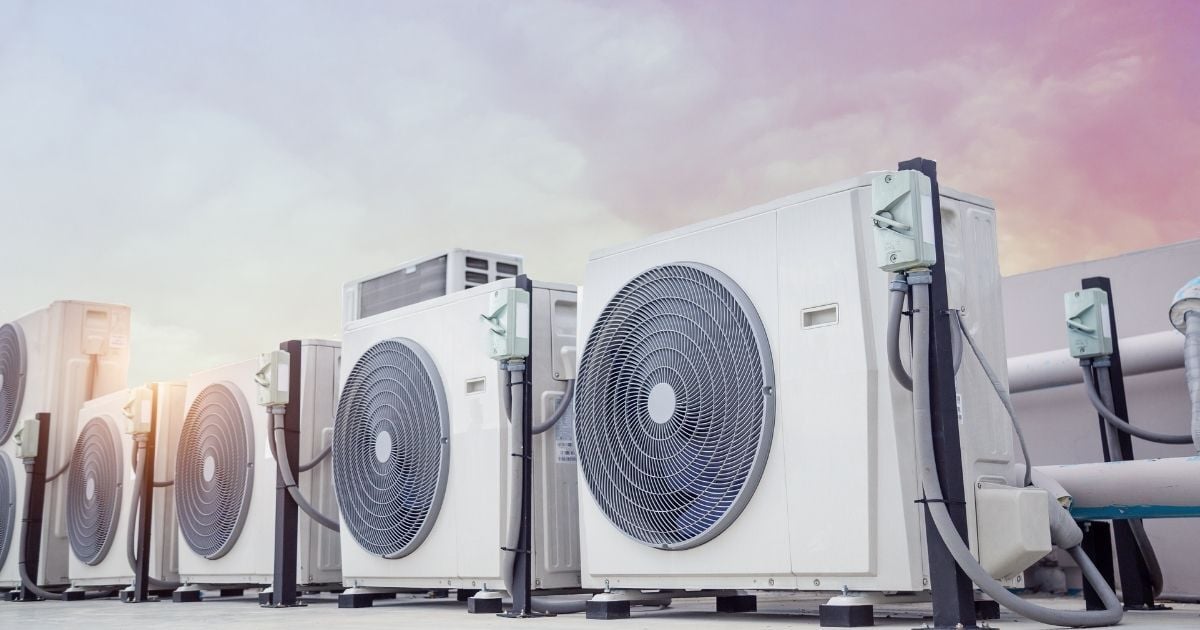

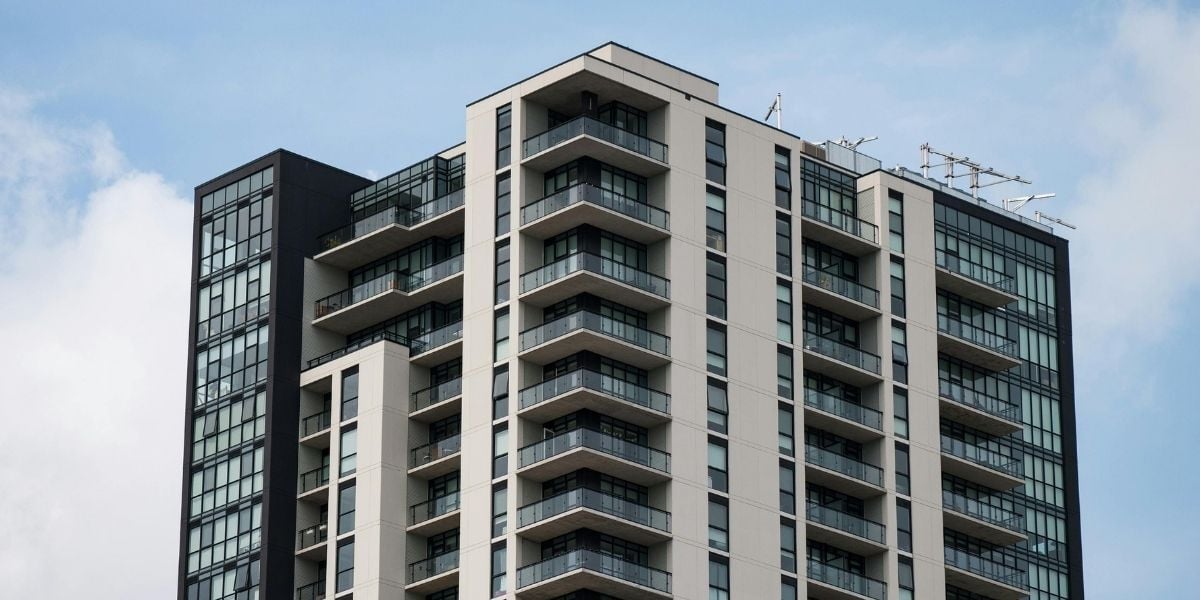
Have tenants in your apartment building been getting sick more often? Have you noticed strange smells, mold on vents, or heard complaints about uneven temperatures or loud HVAC noises?
If you're a landlord or property manager, your HVAC system may be putting people at risk, and you may not even know it yet. At Harold Brothers Mechanical Contractors, we’ve helped property owners and managers across the region identify and fix hidden HVAC problems before they lead to serious health concerns or costly system failures.
In this article, you’ll learn how HVAC problems can impact tenant health, which warning signs to look for, and what steps you can take to avoid legal trouble, costly repairs, or worse: endangering the people who live in your building.
Why HVAC Problems Are a Big Deal for Apartment Buildings
HVAC systems do more than keep apartments warm in winter and cool in summer. They also manage air flow, remove moisture, and filter out dust, allergens, and pollutants. When they break down or go unchecked, the consequences can be serious, especially in buildings with many tenants.
Tenants rely on you to provide a safe place to live. That includes the air they breathe.
Dirty Filters and Indoor Air Quality
One of the most common issues in apartment buildings is forgetting to change HVAC filters on time. When filters are clogged, the system can’t perform properly. Dust, dirt, and even mold can circulate through the air, moving from unit to unit via shared ductwork.
This poor air quality can cause headaches, coughing, itchy eyes, and other allergy-like symptoms. For people with asthma or breathing issues, it can be dangerous. Something as simple as a regular filter change every 3 months, or more frequently in high-traffic buildings, can make a big difference in your tenants' health.
Mold in the Ducts: A Hidden Danger
%20(93).jpg?width=314&height=419&name=Untitled%20(768%20x%201024%20px)%20(93).jpg) Mold needs two things to grow: moisture and time. HVAC systems create moisture, especially when condensation builds up in coils or vents. If this moisture isn't handled properly, mold begins to grow, often where you can’t see it.
Mold needs two things to grow: moisture and time. HVAC systems create moisture, especially when condensation builds up in coils or vents. If this moisture isn't handled properly, mold begins to grow, often where you can’t see it.
Once mold enters the HVAC system, it spreads fast. It can move through the air ducts into multiple units, causing health problems for anyone exposed. Tenants may complain about a musty smell, frequent illnesses, or mold appearing near vents or windows. Even if it starts in just one unit, it can quickly spread to the entire building.
What are the Risks of a Carbon Monoxide Leak?
If your building uses a gas-powered furnace, you need to be extra careful about carbon monoxide (CO). This gas is deadly and impossible to detect without a working CO detector, since it has no smell or color.
A small crack in the furnace or damaged ventilation can release carbon monoxide into the air. Tenants exposed to it may feel dizzy, confused, or nauseous. In high amounts, it can be fatal. Regular HVAC inspections and making sure each unit has a working CO detector are two of the most important things you can do to protect lives.
Hot and Cold Spots Can Lead to Bigger Issues
Tenants may not always say something right away, but if some apartments are too hot while others stay cold, there’s likely a problem with your HVAC system. Uneven heating and cooling can create uncomfortable living conditions. Over time, it can also damage the system itself.
When some units overwork to stay cool or warm, it puts pressure on your equipment, increases your energy costs, and can lead to costly breakdowns. In cold areas, pipes may even freeze and burst, leading to expensive repairs and tenant frustration.
Poor Ventilation Will Trap Moisture and Pollutants
%20(94).jpg?width=301&height=401&name=Untitled%20(768%20x%201024%20px)%20(94).jpg) HVAC systems also play a big role in removing indoor pollutants. If the system isn’t moving air correctly, things like cooking fumes, bathroom moisture, and cleaning chemical vapors can linger in the air.
HVAC systems also play a big role in removing indoor pollutants. If the system isn’t moving air correctly, things like cooking fumes, bathroom moisture, and cleaning chemical vapors can linger in the air.
Without enough fresh air, moisture builds up, increasing the risk of mold and mildew. Over time, this can hurt the health of your tenants and the structure of your building.
Noisy HVAC Systems Are Often Telling You Something
It’s easy to ignore strange noises from your HVAC system, especially if you don’t live in the building. But if tenants are reporting loud banging, whistling, or buzzing, those noises could mean something is seriously wrong.
Unusual sounds often point to loose parts, clogged filters, or even refrigerant leaks. Left unchecked, these small issues can grow into expensive emergencies that disrupt heating and cooling in the whole building.
Skipping Maintenance Is a Recipe for Trouble
%20(96).jpg?width=330&height=440&name=Untitled%20(768%20x%201024%20px)%20(96).jpg) Too often, landlords wait until something breaks to call a repair tech. But waiting too long leads to emergencies, higher costs, and angry tenants.
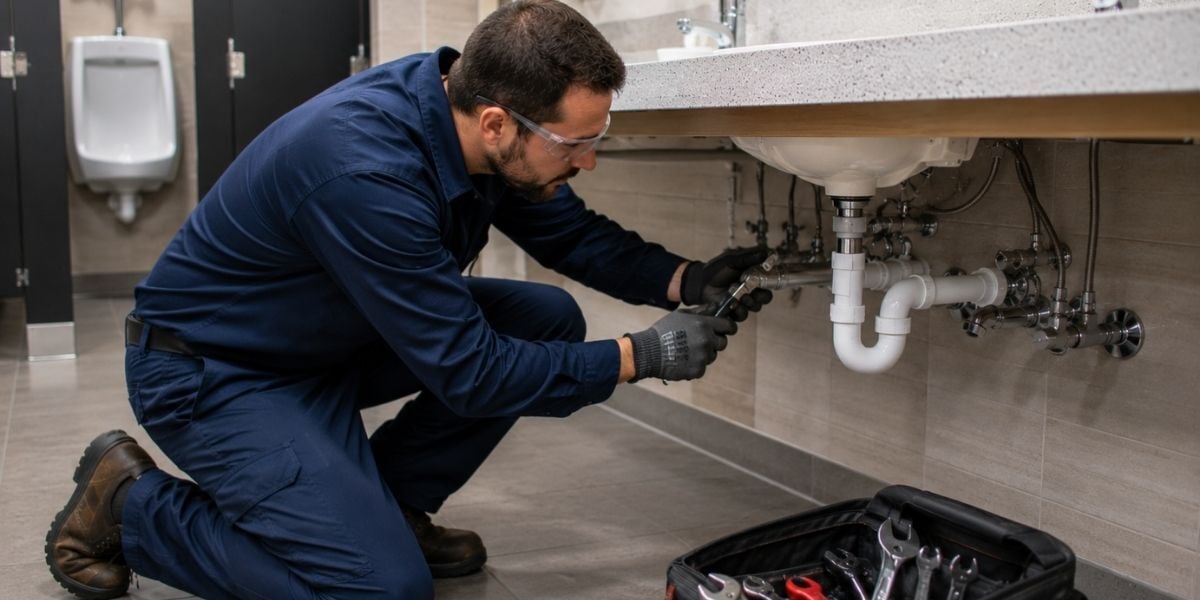
Too often, landlords wait until something breaks to call a repair tech. But waiting too long leads to emergencies, higher costs, and angry tenants.
Regular maintenance, at least twice a year, can catch problems early, help your system run longer, and keep tenants happy and healthy. Keeping a simple maintenance log helps you stay on top of what’s been done and what’s due.
What Should You Do Next?
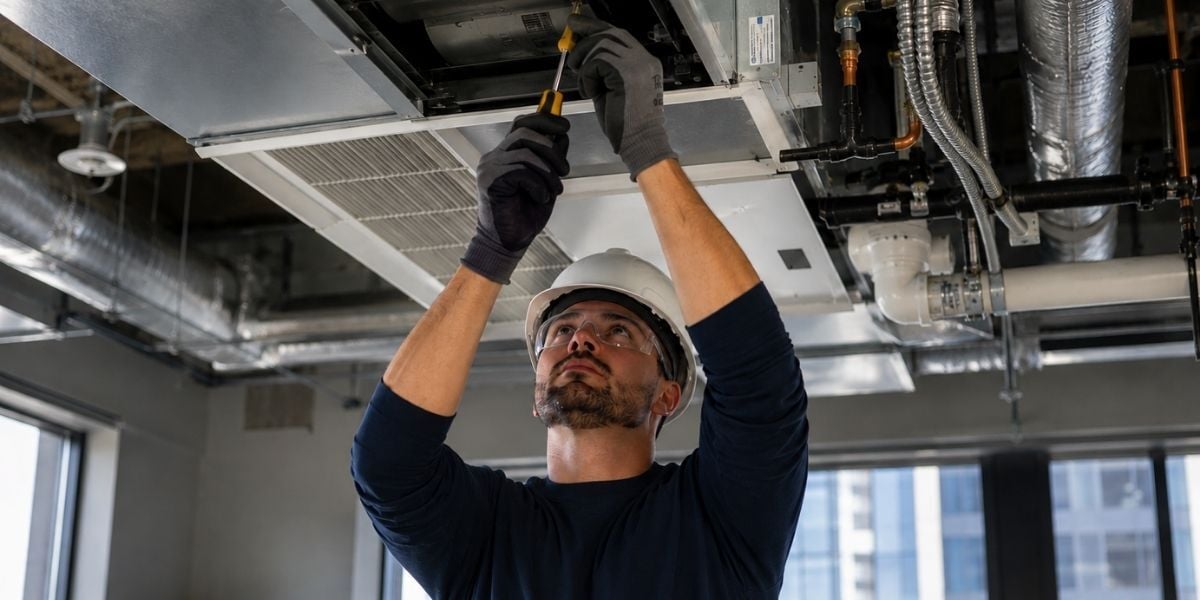
If it’s been a while since your HVAC system was inspected, now is the time. Schedule a professional checkup before winter or summer, when your system works the hardest. Ask your technician to look for signs of mold, leaks, and worn-out parts.
Also, be sure to talk with your tenants. Ask them to report any smells, noises, or uneven temperatures. The sooner you hear about problems, the faster you can fix them.
If your HVAC system is over 15 years old, it may be time to think about replacing it. Newer systems are safer, more energy-efficient, and offer better comfort. In many cases, upgrading can lower your utility bills and increase property value, while keeping your tenants safe.
Warning Signs You Shouldn’t Ignore
%20(97).jpg?width=326&height=434&name=Untitled%20(768%20x%201024%20px)%20(97).jpg) Here are a few signs your HVAC system might be putting your tenants at risk:
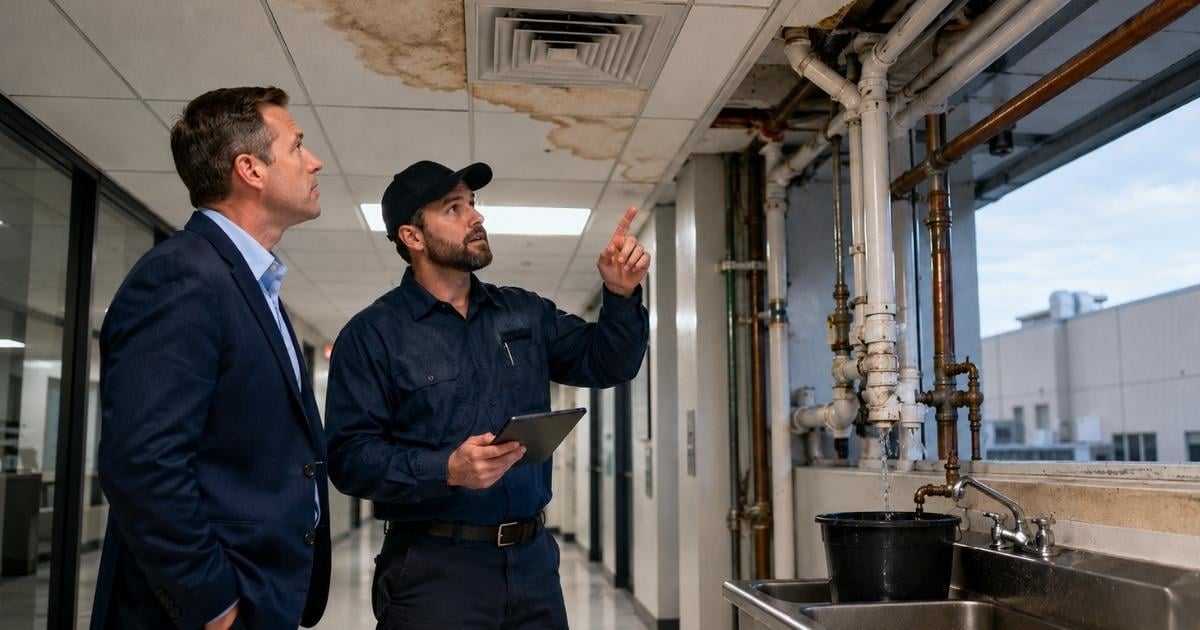
Here are a few signs your HVAC system might be putting your tenants at risk:
- Multiple complaints about breathing issues or strange odors
- Visible mold near vents or on walls
- Unexplained spikes in your energy bills
- Unusual or loud noises coming from the HVAC system
If you notice any of these warning signs, it’s time to take action.
Why Apartment HVAC Maintenance is Key to Resident Safety
Managing an apartment building comes with many responsibilities, but few are as important as keeping the air clean and safe. When you take care of your HVAC system, you're not just maintaining a piece of equipment; you’re protecting families, preventing emergencies, and building long-term trust with your tenants.
At Harold Brothers Mechanical Contractors, we have been specializing in identifying HVAC risks for over 17 years in multi-unit properties and solving them before they become bigger problems. With our proven experience and a 24-hour response time, our team is here to help you protect your investment and your residents.
Don’t wait for something to go wrong. Take action now, and make your building a healthier, safer place to live. Check out our article, “ How Often Should HVAC Preventive Maintenance Be Done in Massachusetts?” to discover how a proactive maintenance plan can reduce breakdowns, protect your tenants’ health, and give you peace of mind year-round.
Topics: