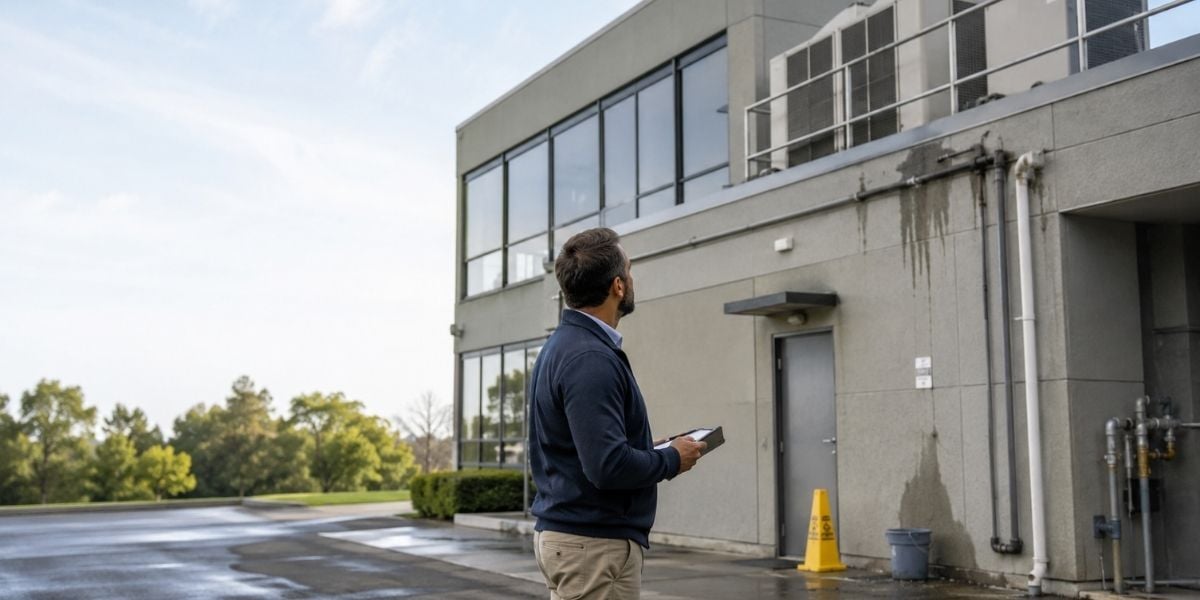


If you manage a commercial property, tenant HVAC complaints are not a matter of if., they are a matter of when.
The phone rings, a suite is too hot, and another is too cold Perhaps, the airflow feels weak, or the rooftop unit is making noise. By the time the complaint reaches you, the issue has already been developing quietly in the background.
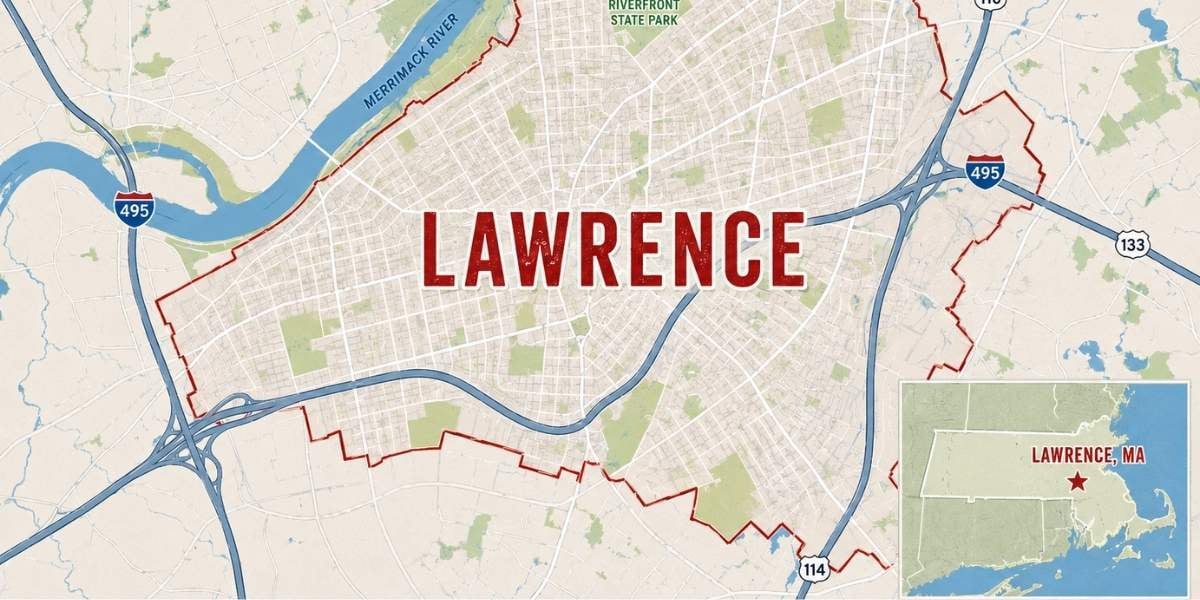
At Harold Brothers Mechanical, we have worked with commercial property managers across Massachusetts, Rhode Island and New Hampshire for almost two decades. In most cases, tenant complaints are not caused by sudden equipment failure. They are the result of a gradual mechanical decline that went unnoticed.
Preventative maintenance changes that pattern. It shifts HVAC management from reaction to prevention.
Why HVAC Complaints Rarely Start with a Breakdown
Commercial HVAC systems do not typically fail without warning. Instead, performance slowly drifts.
Filters become restricted. Drain lines begin to collect debris. Electrical components weaken. Sensors lose calibration. Coils accumulate dirt that reduces heat transfer. Airflow becomes uneven across different zones.
The system continues running, but it no longer performs the way it was designed to perform. Temperatures begin to fluctuate. Certain suites feel uncomfortable at specific times of day. Energy consumption increases subtly.
Tenants feel these changes long before the equipment shuts down completely.
When maintenance is reactive, action only happens after comfort has already been compromised. At that point, you are not preventing complaints. You are managing dissatisfaction.
The Financial and Operational Cost of Reactive Service
Waiting for complaints creates instability across the property.
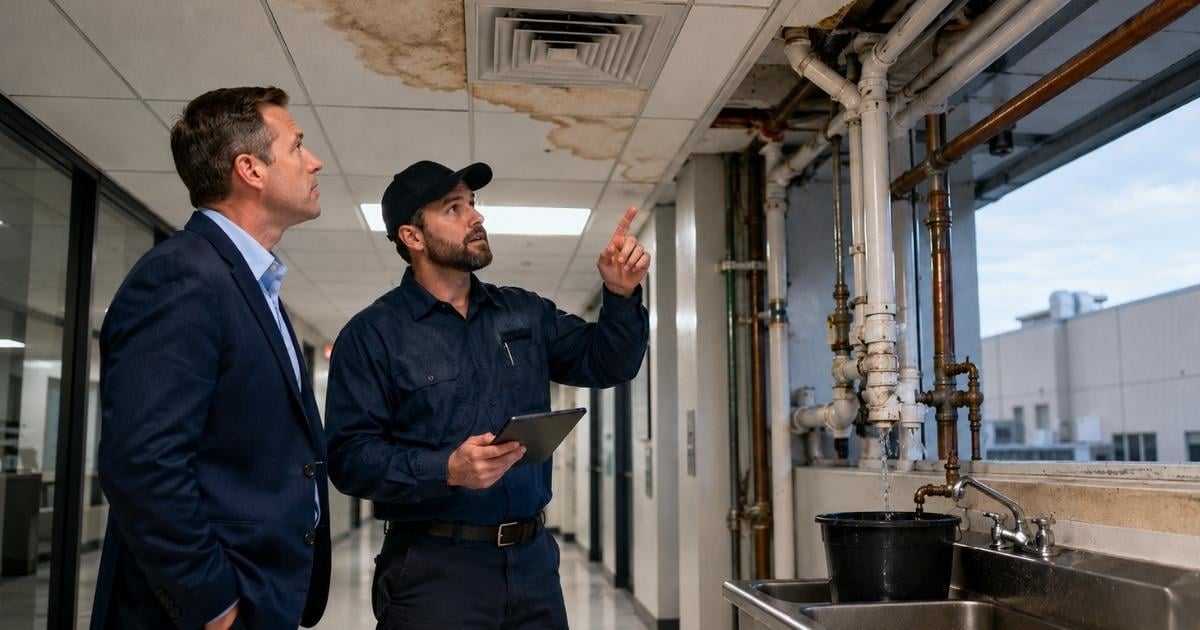
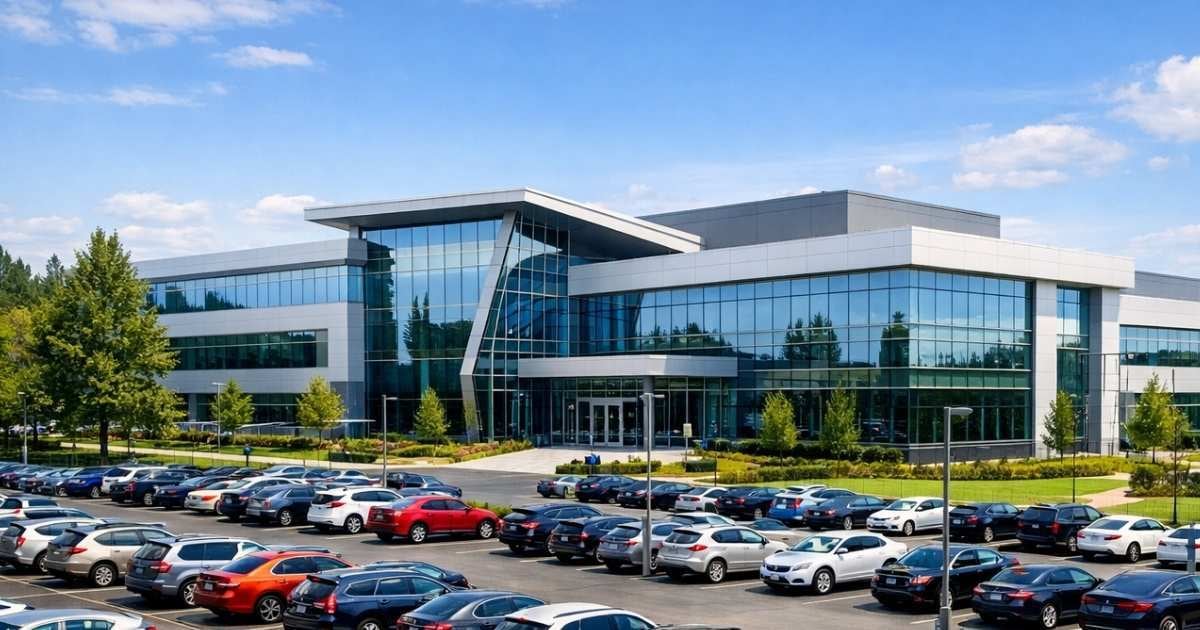
In multi-tenant buildings, one struggling rooftop unit can affect multiple suites. In winter, heating inconsistencies can increase freeze risk in vulnerable areas. In summer, cooling problems can strain tenant relationships and affect renewals.
Reactive repairs also come at a premium. Emergency calls disrupt schedules, increase costs, and often require temporary solutions rather than long-term corrections. Over time, this pattern shortens equipment life and increases capital replacement pressure.
Preventative maintenance reduces those variables. It creates consistency, which is what both tenants and property managers ultimately want.
What Commercial HVAC Preventative Maintenance Actually Accomplishes
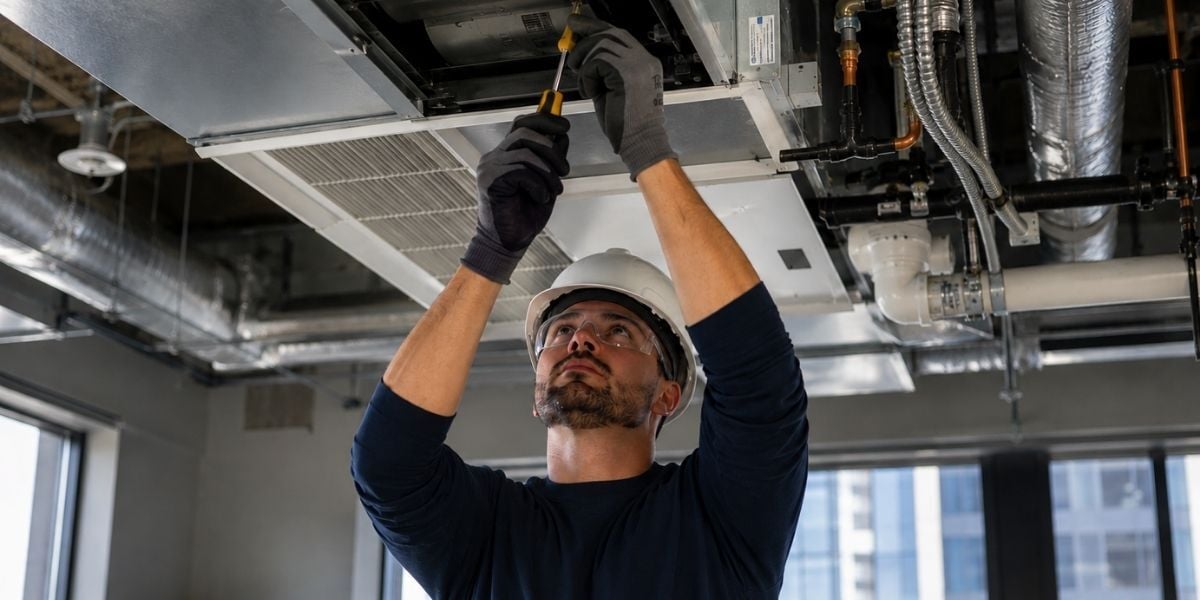
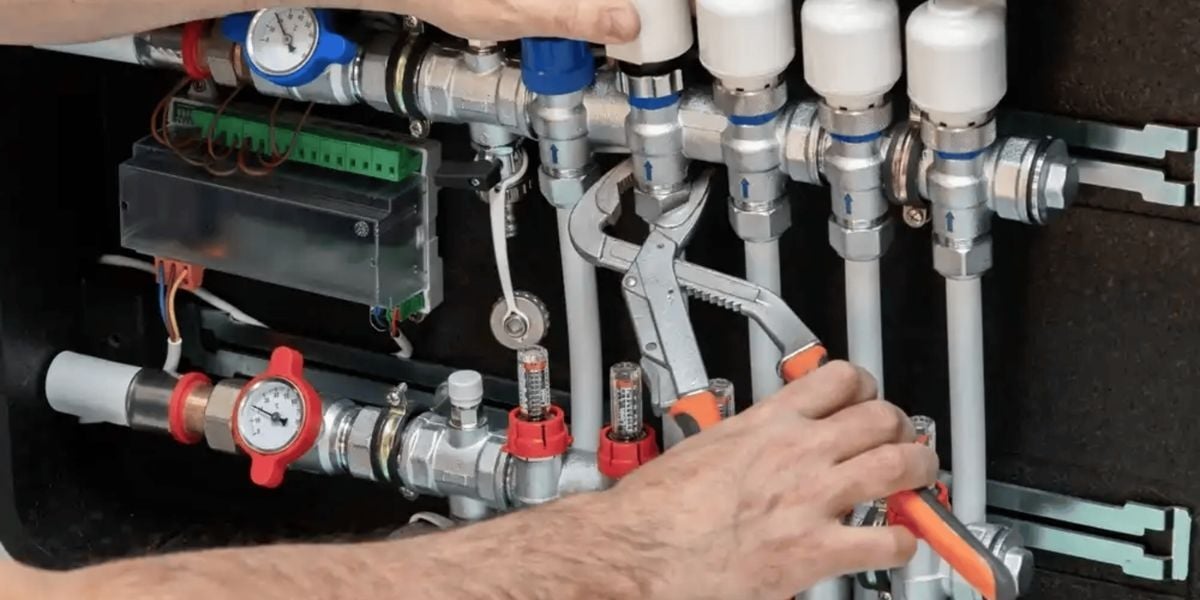
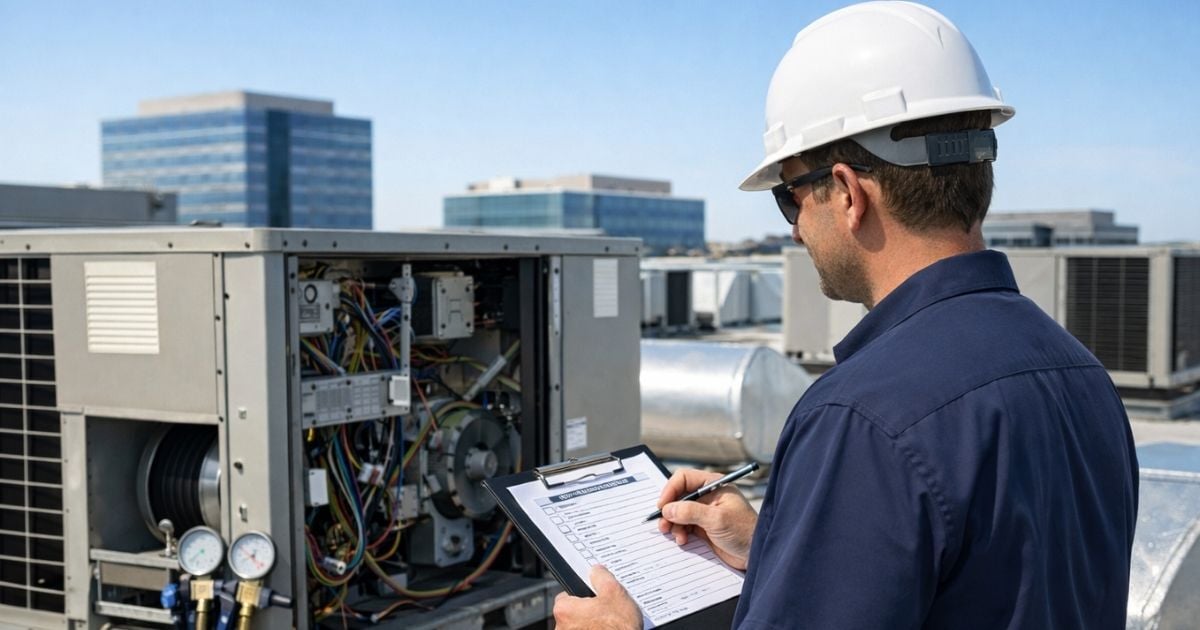
A structured commercial HVAC preventative maintenance program is more than a quick check of equipment. It is a systematic process designed to preserve performance and identify risk early.
A comprehensive program typically includes:
- Seasonal system inspections and performance testing
- Filter replacement and airflow verification
- Coil cleaning and drain line clearing
- Electrical and safety control inspections
- Refrigerant level checks and motor evaluations
These steps stabilize system operation. Airflow remains balanced across zones. Temperature control stays consistent. Components operate within proper load conditions instead of straining under avoidable stress.
When systems remain stable, tenant comfort remains stable. And stable comfort dramatically reduces complaint frequency.
Why Multi-Tenant Properties Require Structured Oversight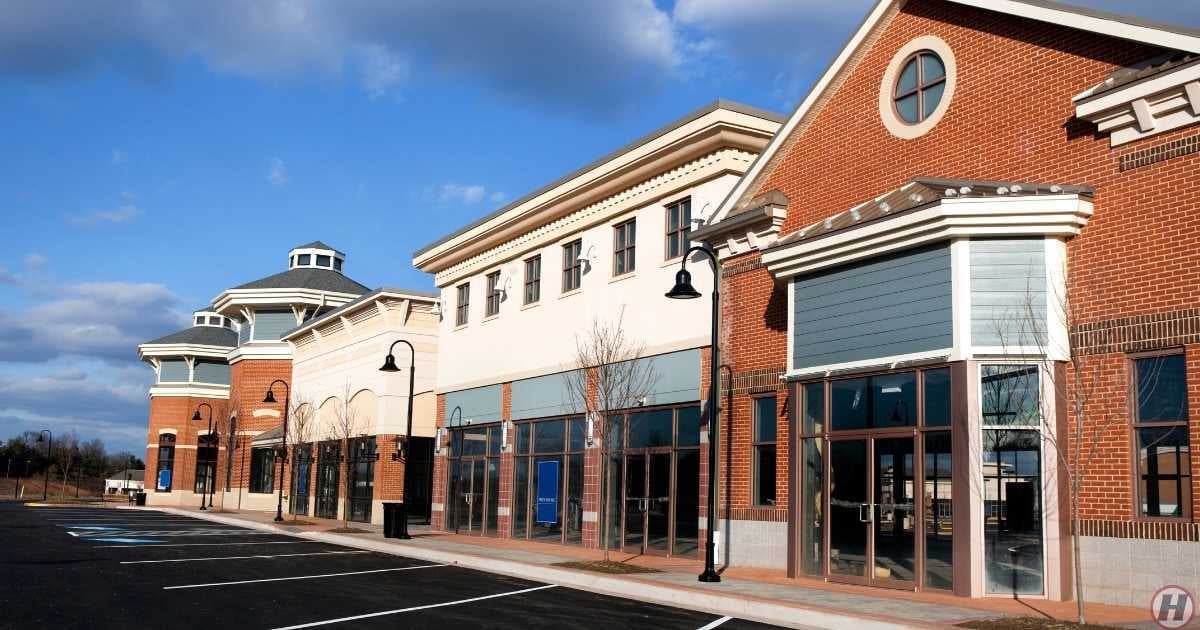
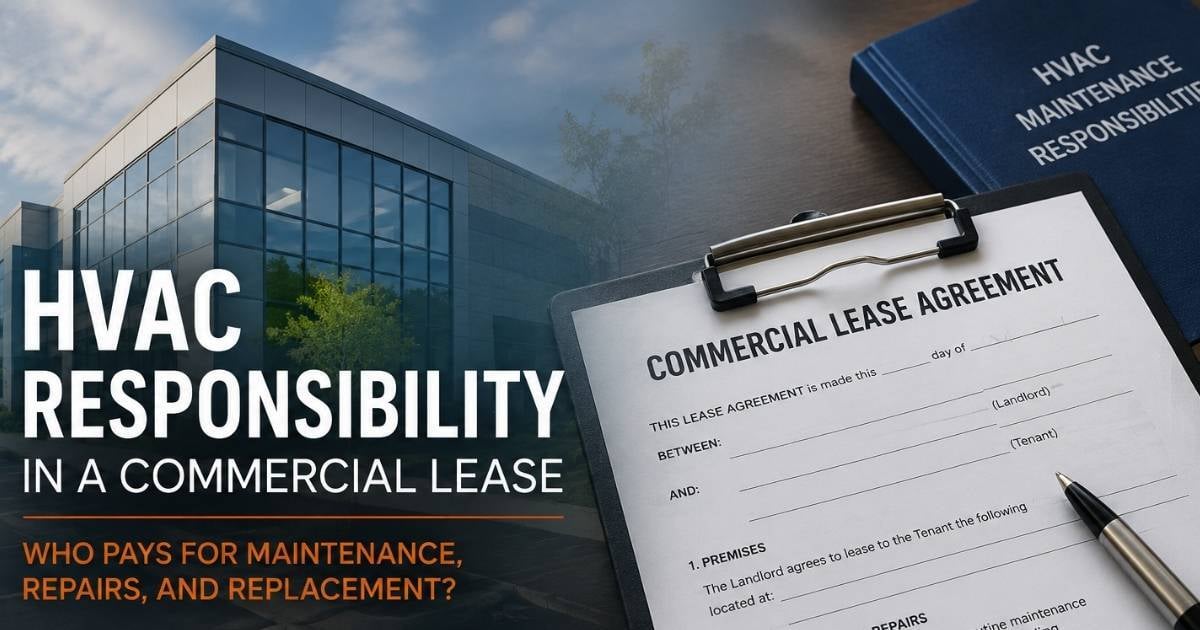
Properties with multiple tenants introduce another layer of complexity. In some buildings, tenants are responsible for their own rooftop units. In others, systems are centrally managed. Sometimes maintenance expectations are clearly defined. Other times, they are not.
This inconsistency creates uneven mechanical standards throughout the property.
One suite may maintain its equipment properly. Another may delay service until something fails. Over time, this creates temperature imbalances, roof penetration risks, drainage problems, and unpredictable performance across the building.
Preventative maintenance establishes uniform oversight. It ensures that systems serving the property are inspected, documented, and maintained on a consistent schedule. That consistency protects tenant comfort, roof integrity, equipment lifespan, and overall asset value.
Documentation Creates Predictability
Modern preventative maintenance should not leave property managers guessing about system condition.
Each visit should generate clear documentation outlining what was inspected, what was serviced, and what may require attention in the future. This visibility allows for proactive budgeting and capital planning instead of reactive spending.
At Harold Brothers Mechanical, preventative maintenance visits include documented findings so property managers understand the true condition of their systems. This transparency supports long-term decision-making and reduces surprises.
Predictability is one of the most valuable outcomes of a structured PM program.
The Long-Term Impact of Consistent Maintenance
When preventative maintenance is performed on a structured schedule, the building begins to operate with far fewer disruptions. Tenant complaints decline because airflow and temperature issues are identified before they become noticeable. Emergency service calls decrease because weak components are replaced before failure. Equipment life extends because systems are not forced to operate under excessive strain.
Energy performance also improves when coils remain clean, airflow remains balanced, and sensors function correctly. Over time, these small efficiencies compound into measurable operational stability.
Most importantly, the role of the property manager becomes less reactive. Instead of managing crisis calls and urgent repairs, you are overseeing a system that is functioning as intended.
That shift changes the day-to-day experience of managing the property.
If You Want Fewer Complaints, the Structure Must Change
If tenant HVAC complaints are becoming a pattern, the underlying issue is rarely the thermostat setting. It is usually the absence of a structured preventative maintenance plan.
Small performance declines accumulate quietly until someone notices discomfort. At that point, the problem has already progressed further than it should have.
Over the past two decades, Harold Brothers has helped hundreds of commercial property managers reduce HVAC-related tenant complaints by implementing clearly defined preventative maintenance programs designed specifically for multi-tenant properties.
If you are ready to move from reactive service calls to proactive system oversight, let us know. We will review your property, evaluate risk areas, and outline how a structured PM plan can reduce complaints, stabilize performance, and protect your asset long-term.

Topics: