
An aging commercial plumbing system can cause more than an occasional leak. Old pipes, fixtures, valves, and equipment can lead to frequent repairs, poor water pressure, higher water use, and unexpected shutdowns that disrupt your business.
Modernizing a commercial plumbing system does not always mean replacing everything. It starts with understanding what is working, what is causing problems, and what may need attention soon.
Harold Brothers helps commercial property owners and facility teams evaluate their existing plumbing systems and determine which improvements make sense for their buildings. Depending on the property, modernization may involve replacing aging pipes, updating fixtures and equipment, improving water efficiency, or planning upgrades in stages.
What Does It Mean to Modernize a Commercial Plumbing System?
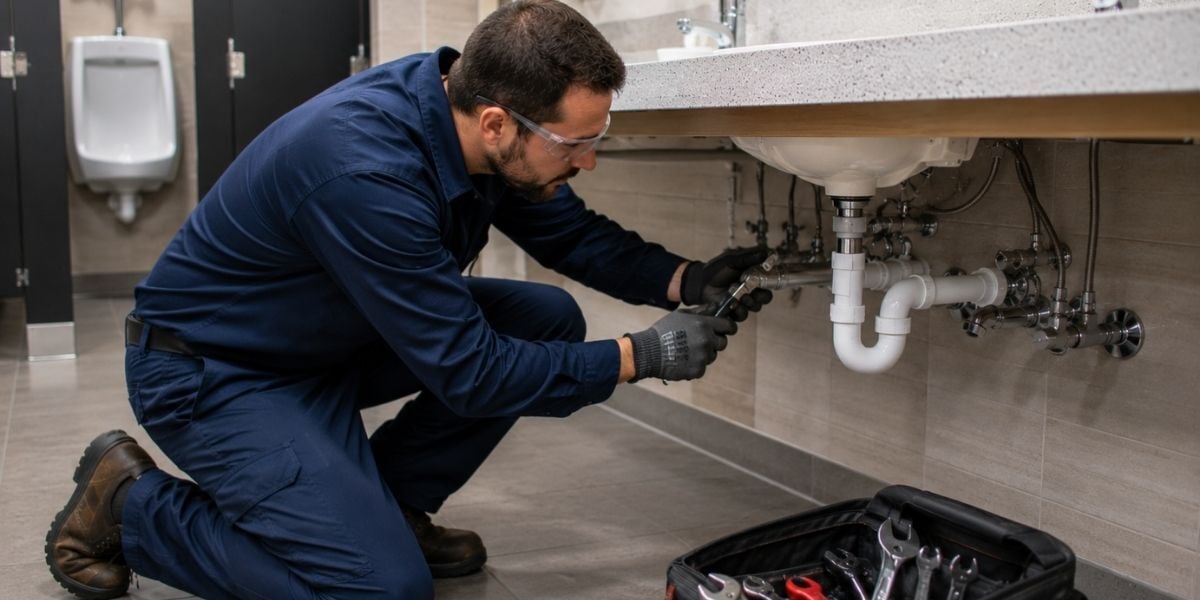
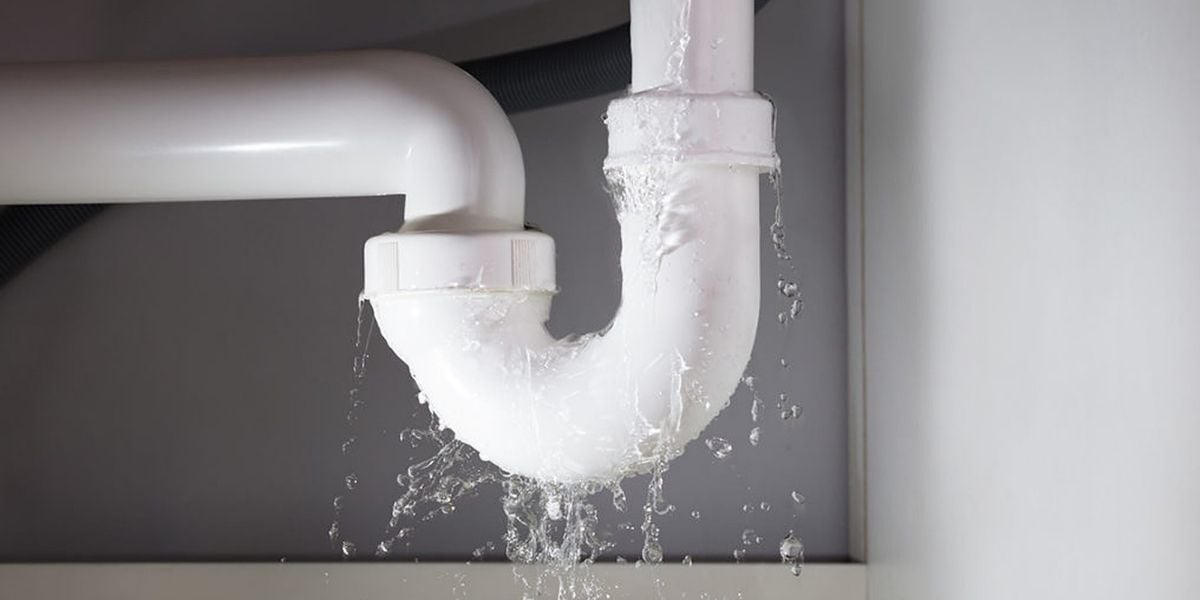
%20(97)-1.jpg?width=358&height=477&name=Untitled%20(768%20x%201024%20px)%20(97)-1.jpg) If your building is getting older, you may wonder whether the entire plumbing system needs to be replaced.
If your building is getting older, you may wonder whether the entire plumbing system needs to be replaced.
Often, the answer is no.
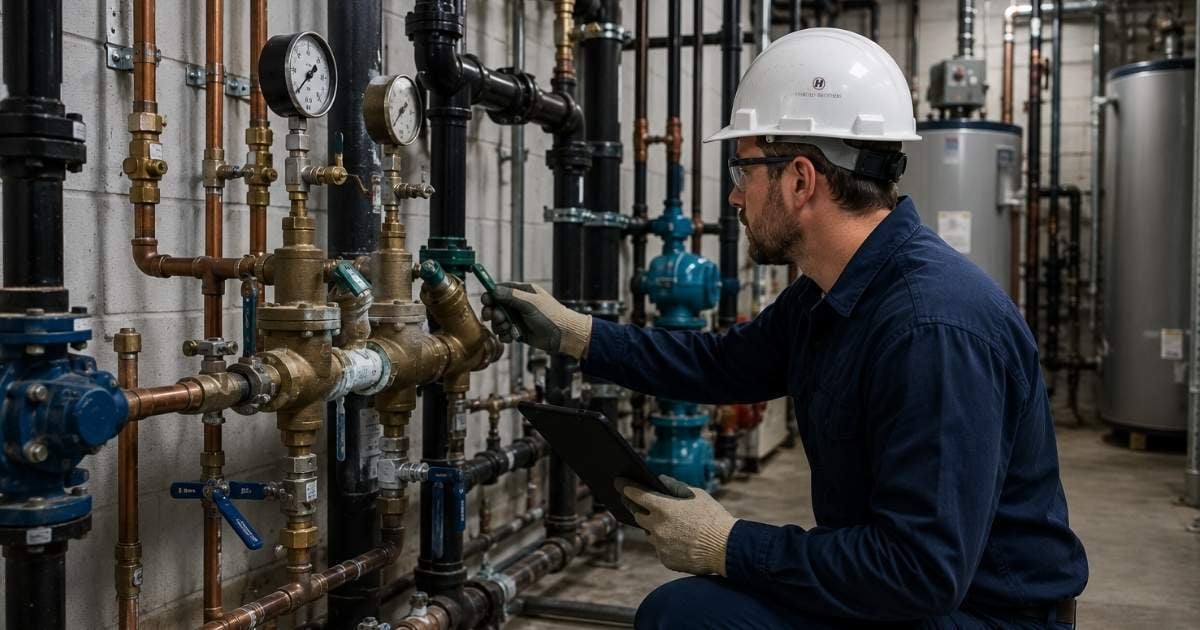
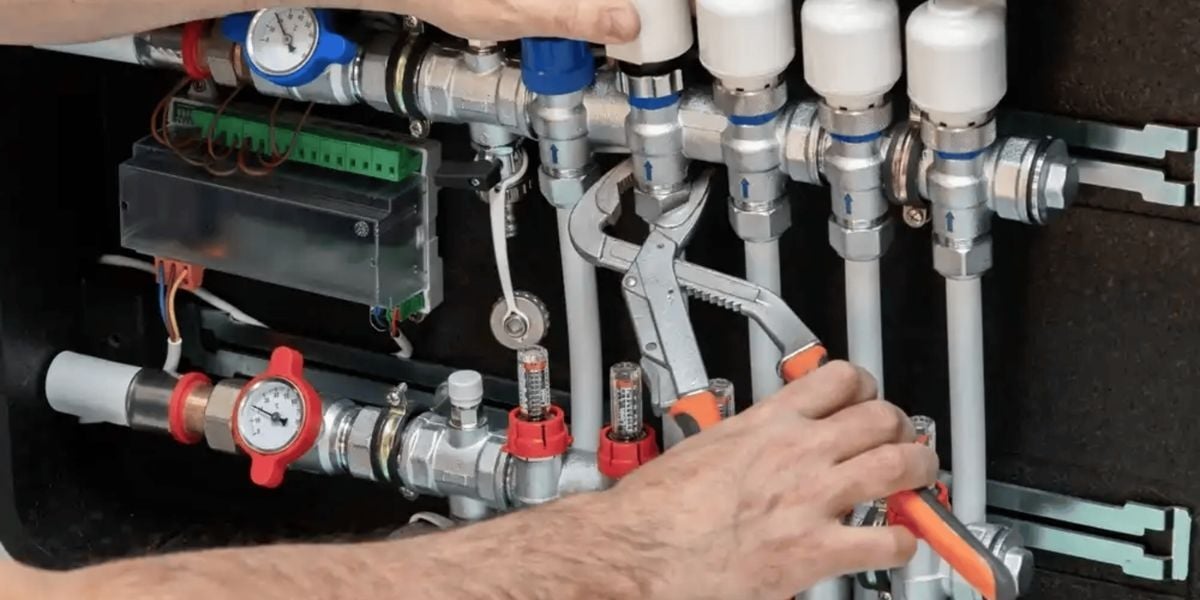
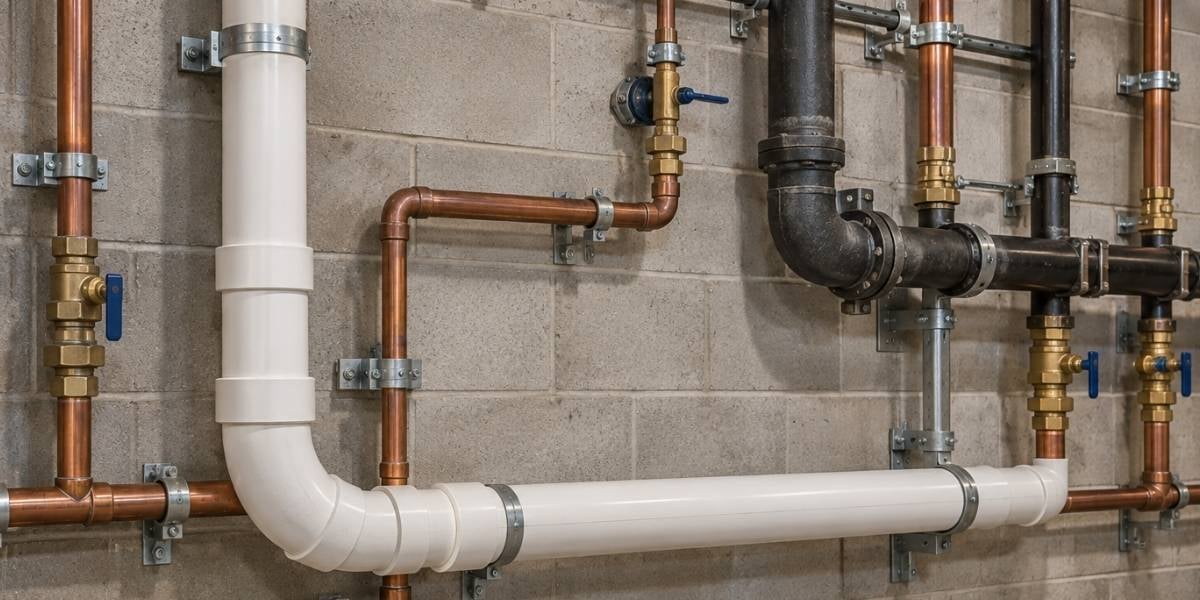
A commercial plumbing system includes water supply piping, drains, fixtures, valves, water heaters, pumps, and other equipment. These parts do not always age at the same rate. Some may have years of useful life left, while others may already be causing problems.
The goal of plumbing modernization is to find the parts that no longer meet your building's needs and create a plan for improving them.
This is especially important in a commercial building. A plumbing problem does not just create an inconvenience. It can affect employees, tenants, customers, equipment, and normal business operations.
Instead of waiting for something to fail, modernization allows you to take a closer look at the system and decide where improvements are needed.
How Does Harold Brothers Evaluate an Existing Plumbing System?
Before deciding what to replace, you first need to understand what is happening inside your building.
A commercial plumbing evaluation looks for signs that parts of the system may no longer be performing as they should. You may already be noticing some of these warning signs.
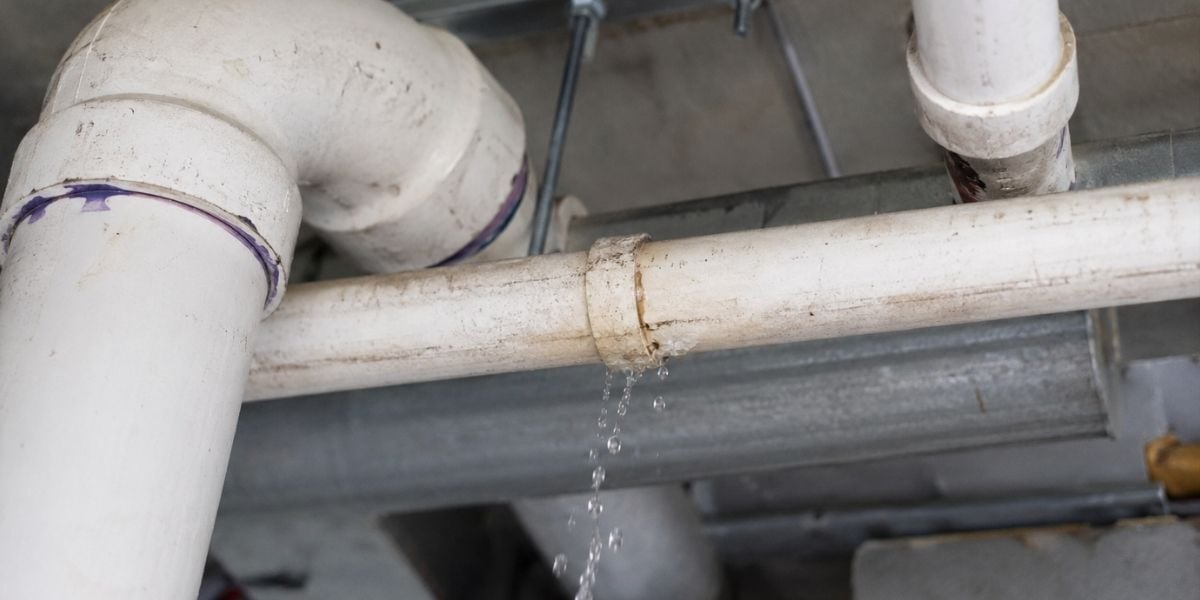
For example, your building might experience frequent leaks, low water pressure, slow drains, aging fixtures, high water use, corroded piping, or equipment that seems to need repair again and again.
The important question is whether you are dealing with a small, isolated problem or a sign of something larger.
One leaking fixture, for example, may only require a simple repair. If leaks are appearing in several areas of the building, the condition of the larger piping system may need to be considered.
A good modernization plan should be based on the actual condition and needs of your building, not simply its age.
That distinction matters because replacing something just because it is old can waste money. At the same time, continuing to repair a part that is repeatedly failing can become expensive and disruptive.
The goal is to understand the difference.
Which Parts of a Commercial Plumbing System May Need to Be Modernized?
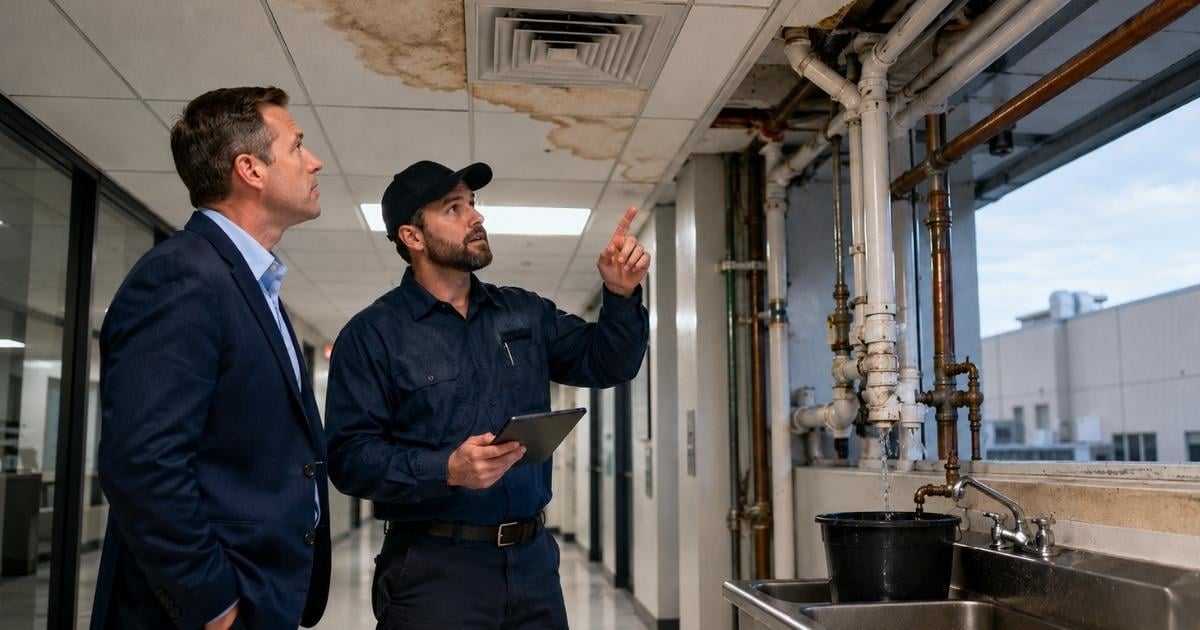
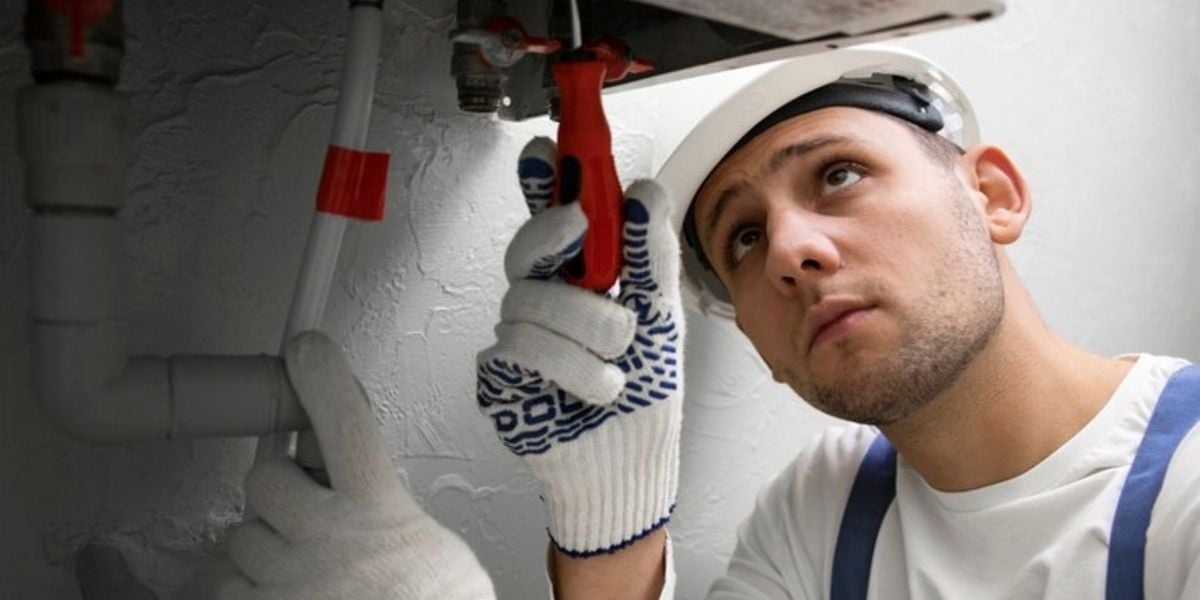
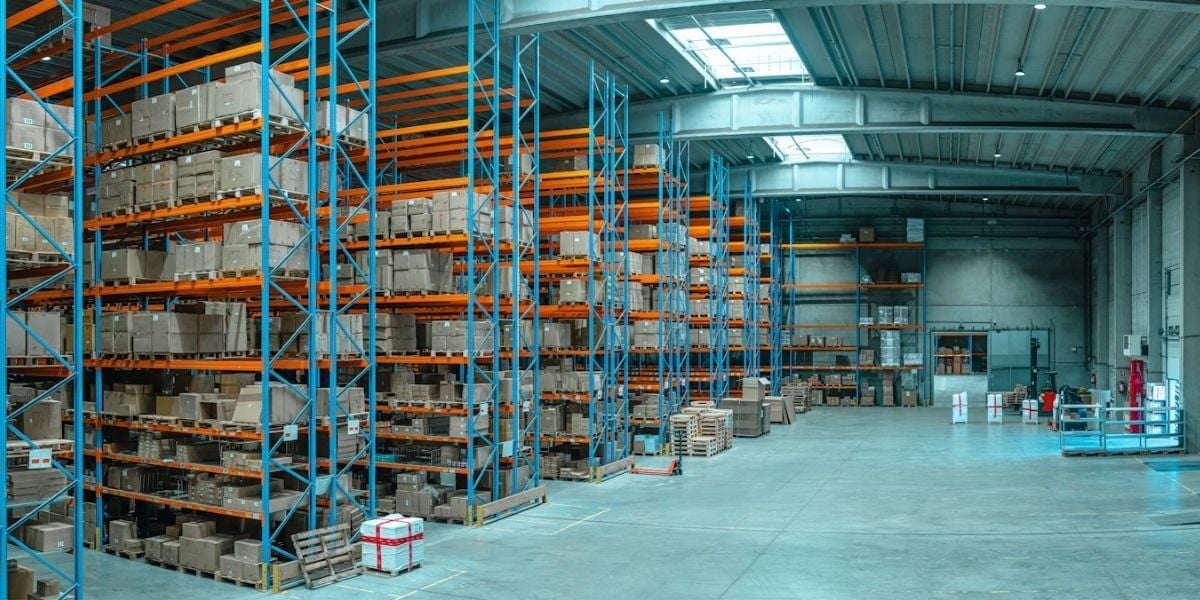
%20(98)-1.jpg?width=353&height=471&name=Untitled%20(768%20x%201024%20px)%20(98)-1.jpg) There is no single modernization plan that works for every commercial property. An office building may have different needs than a warehouse, school, retail property, or other commercial space. The condition of the existing plumbing also matters.
There is no single modernization plan that works for every commercial property. An office building may have different needs than a warehouse, school, retail property, or other commercial space. The condition of the existing plumbing also matters.
Some of the main areas that may need attention include:
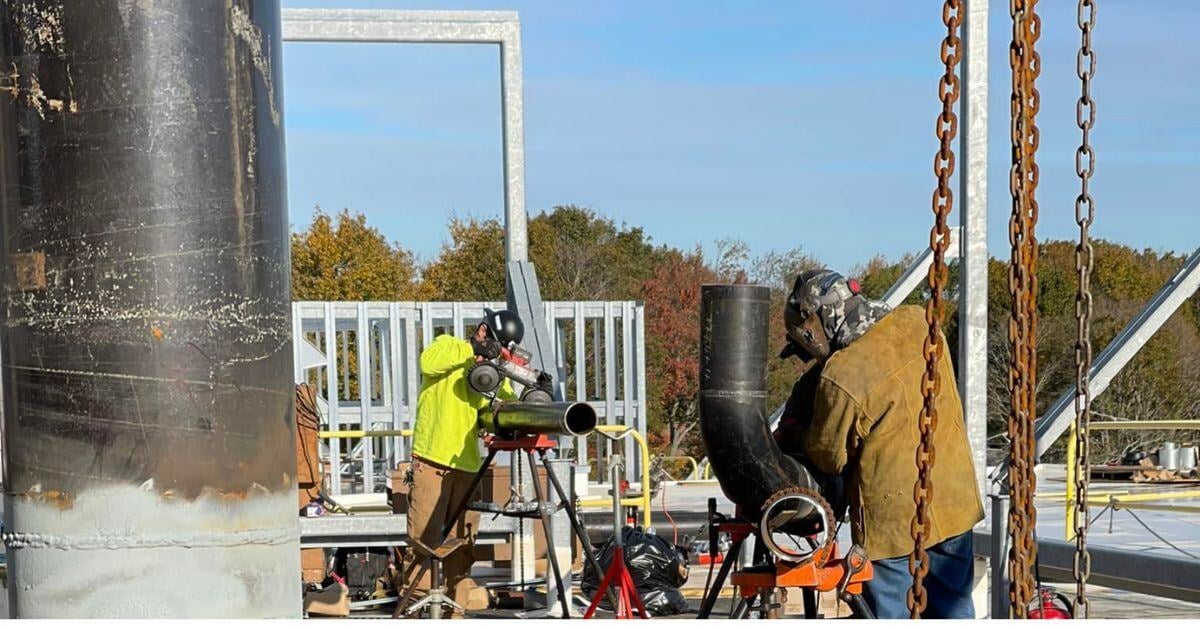
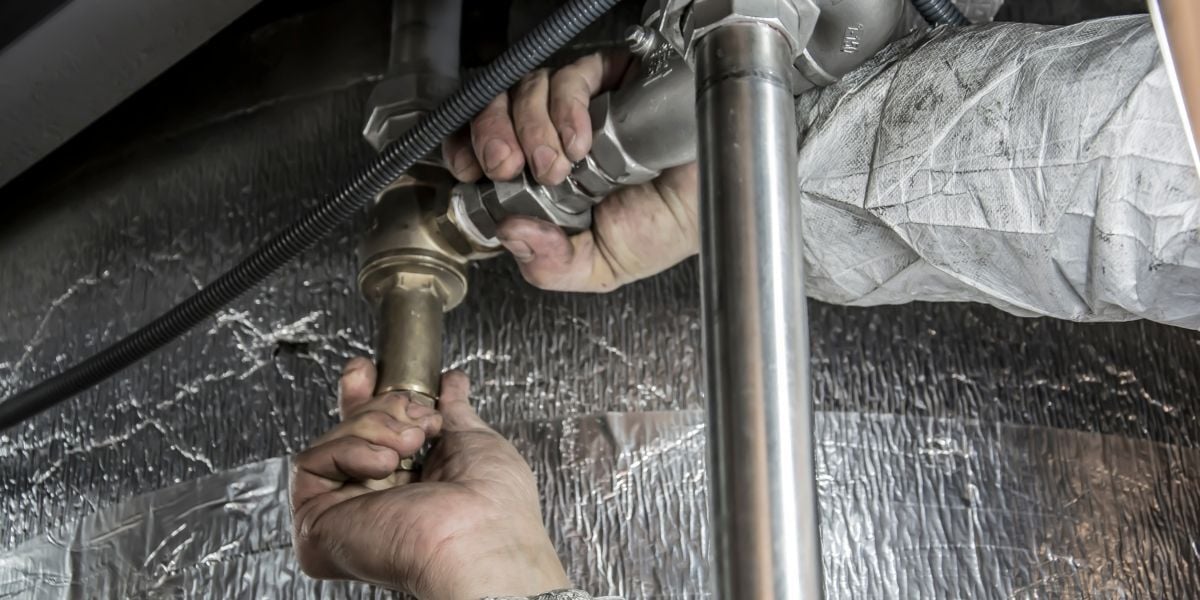
- Piping: Older pipes may begin leaking, corroding, clogging, or causing other ongoing problems. Replacing problem piping can help reduce the chance of future leaks and repairs. This does not mean every pipe needs to be replaced. The type of pipe, its condition, location, and history of problems should all be considered.
- Fixtures: Older toilets, faucets, and other plumbing fixtures may use more water and become harder to maintain as they age. Replacing outdated fixtures may improve water efficiency while making the system easier to use and maintain.
- Plumbing equipment: Water heaters, pumps, valves, and other equipment can become less reliable over time. If equipment needs frequent repairs, you may reach a point where replacement makes more sense than continuing to repair it.
The right modernization project focuses on the parts of your system that create the greatest problems, risks, or opportunities for improvement.
Can Harold Brothers Modernize Plumbing Without Shutting Down the Whole Building?
For many commercial property owners and facility managers, this is one of the biggest concerns.
You may know that your plumbing needs work, but you cannot simply close your business for an extended period.
Bathrooms need to remain available. Employees may need water to do their jobs. Tenants and customers still expect the building to function normally.
This is why planning is such an important part of a commercial plumbing project.
Depending on the work being completed, a project may be divided into phases so that different areas are addressed at different times. Work may also be planned around normal building operations when possible.
However, some plumbing projects will require temporary water shutdowns.
Before work starts, you should know which areas will be affected, when shutdowns may occur, and how the project could affect normal operations.
Having these conversations early allows you to prepare employees, tenants, customers, or anyone else who uses the building.
It also reduces the chance of an unpleasant surprise once work begins.
How Do You Decide Which Plumbing Upgrades Should Come First?
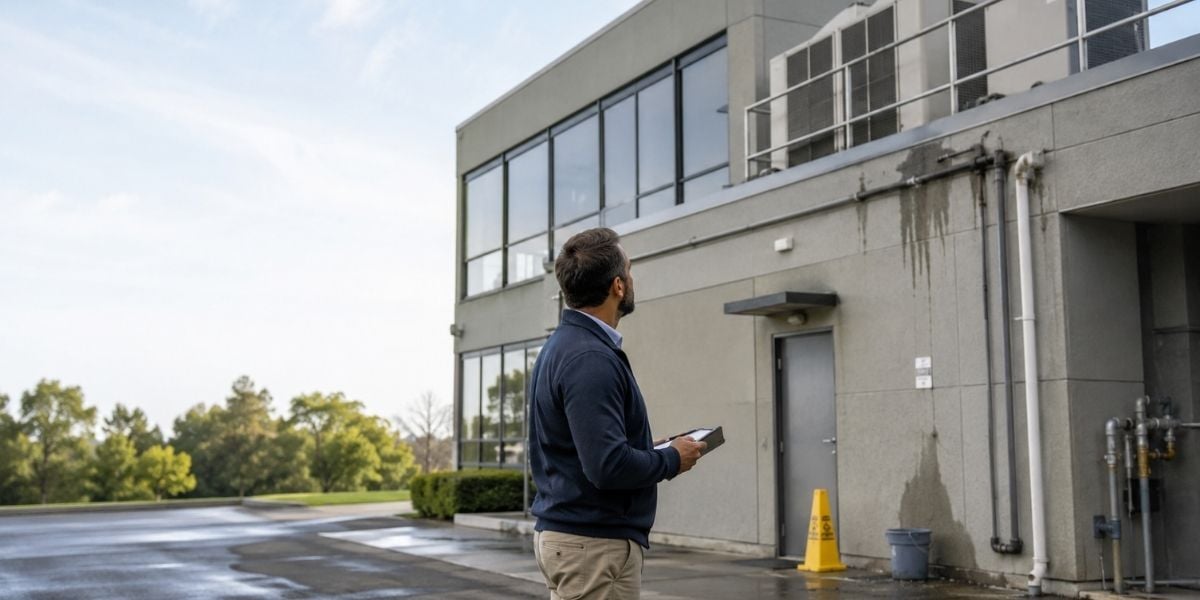
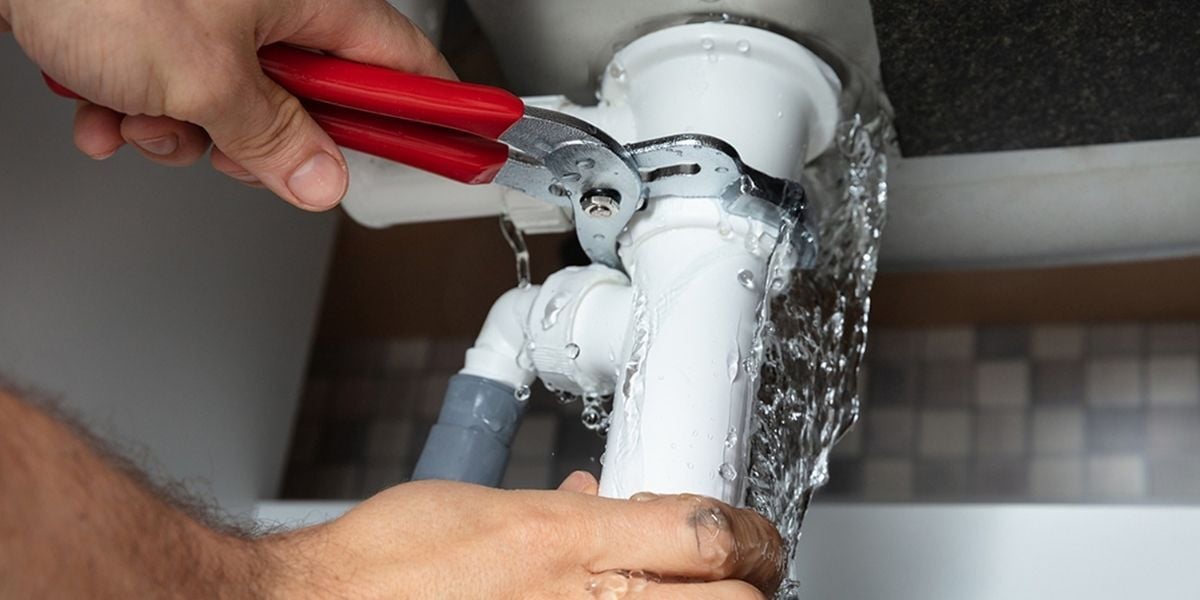
%20(100)-1.jpg?width=352&height=469&name=Untitled%20(768%20x%201024%20px)%20(100)-1.jpg) After evaluating your plumbing system, you may find several things that could be improved.
After evaluating your plumbing system, you may find several things that could be improved.
That does not mean you have to fix everything at once.
In fact, one of the most useful parts of a modernization plan is deciding which improvements are urgent and which can wait.
An active leak that could damage your building will usually deserve attention before a working faucet that simply happens to be old. Similarly, equipment showing signs of failure may matter more than an efficiency upgrade that would be nice to have.
Modernization can be a planned process instead of one large project.
You can start by addressing active problems and areas with a high risk of failure. From there, you can look at issues that regularly interrupt operations or require frequent maintenance.
Lower-priority improvements can then become part of a future plan.
This approach can be especially helpful when you are managing an older property with many building systems competing for the same budget.
How Can Modern Plumbing Improve a Commercial Building?
Reliability is one of the biggest reasons to consider modernization.
Repeated plumbing problems cost more than the price of the repair itself. A leak or equipment failure can interrupt employees, affect tenants, damage other parts of the building, and force your maintenance team to respond to another emergency.
A more reliable plumbing system can reduce some of that uncertainty.
Modernization may also create opportunities to improve water efficiency. Older fixtures or equipment may not perform as efficiently as newer options.
But efficiency should not be the only goal.
The best plumbing upgrade makes sense for your building's actual needs.
Sometimes that means replacing an old fixture. Sometimes it means addressing problem piping. In other cases, it may mean developing a long-term plan instead of making a large change immediately.
What Should You Ask Before Modernizing Your Commercial Plumbing?
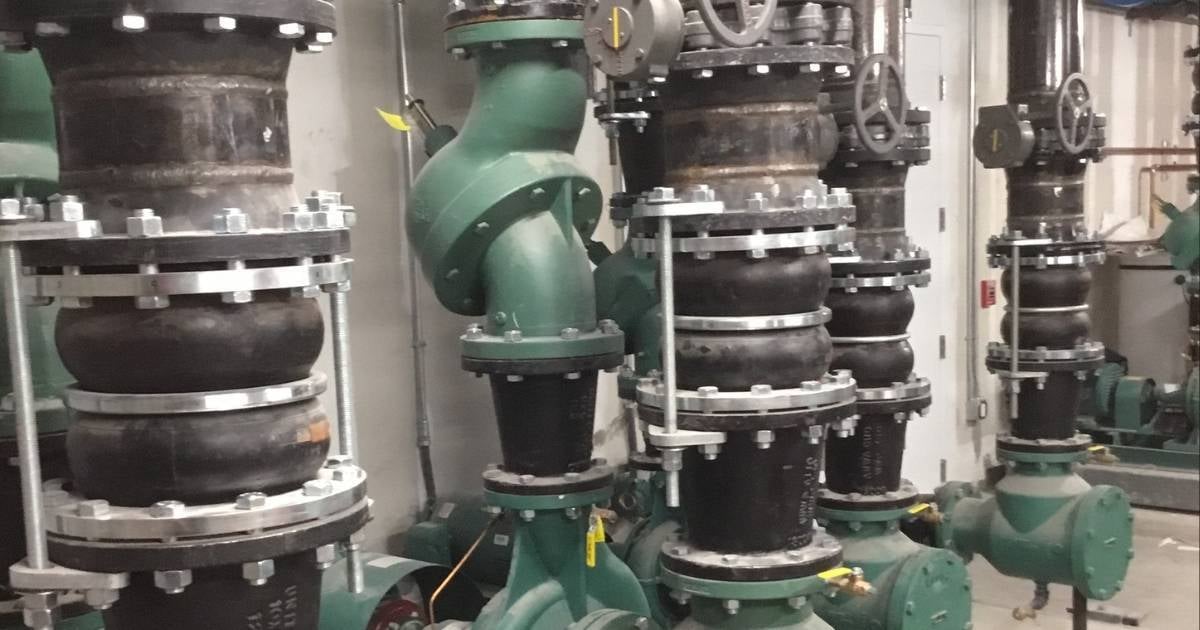
%20-%202026-09-15T080912.778.jpg?width=346&height=461&name=Untitled%20(768%20x%201024%20px)%20-%202026-09-15T080912.778.jpg) Before approving a project, you should understand what your contractor is recommending and why.
Before approving a project, you should understand what your contractor is recommending and why.
Ask what problems were found and which ones need attention first. You should also understand what can safely wait and whether parts of the existing system can remain in place.
Also, discuss how the project will affect your operations. Find out whether water shutdowns will be required, which areas of the property will be affected, and whether the work can be completed in phases.
Finally, ask what you should expect after the project is finished.
Will the upgrade solve a recurring maintenance problem? Is it intended to improve reliability? Will it reduce water use? Is it part of a larger long-term modernization plan?
You should understand the reason behind each recommended upgrade before deciding to move forward.
A good plan gives you the information you need to make those decisions.
Is It Time to Modernize Your Commercial Plumbing System?
If you’re dealing with repeated leaks, aging equipment, or frequent repairs, it may be time to look beyond the latest fix and consider your plumbing system as a whole.
That doesn’t mean you need to replace everything at once. A modernization plan can help you understand which parts of your system need attention now, which can wait, and where upgrades could improve reliability and efficiency.
Harold Brothers can help you determine the right approach for your commercial property based on your building and its plumbing needs.
Ready to take the next step? Request a quote from us at Harold Brothers and tell the team about your project to start planning your plumbing upgrades.
Topics: