
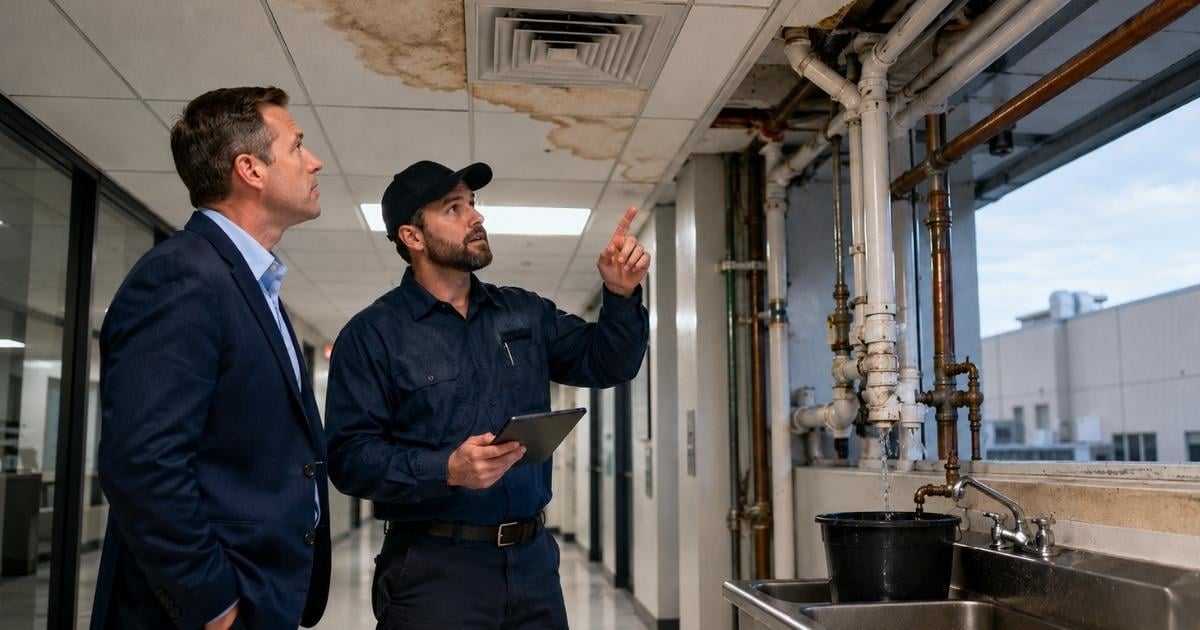
When HVAC and plumbing problems keep coming back in a commercial building, it can feel like you are paying to fix the same issue again and again.
One tenant says their office is too hot. Another reports a slow drain. A rooftop unit gets fixed, then breaks again a few weeks later. A leak gets cleaned up, but the stain comes back.
At first, these problems may seem random. But repeat problems usually point to something deeper.
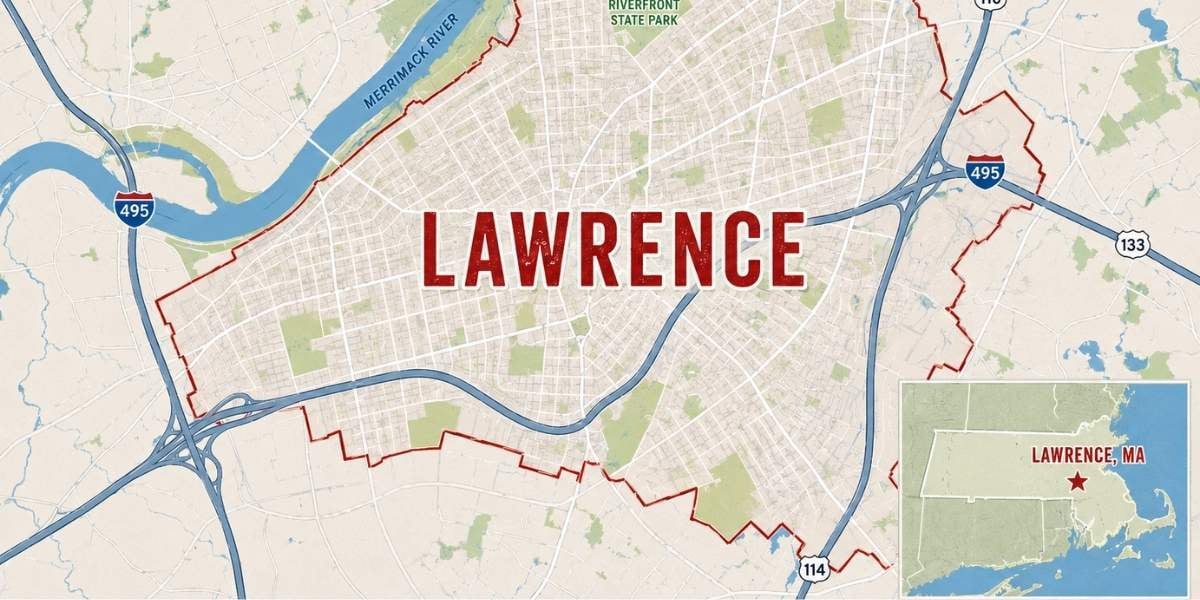
At Harold Brothers Mechanical, we help property managers, building owners, and facility teams across Massachusetts, Rhode Island, and Southern New Hampshire find the cause of repeat HVAC and plumbing problems. In many cases, the issue keeps coming back because the real cause was never found, the system is being overworked, or maintenance responsibility is unclear.
The goal should not be to react faster. The goal should be to find out why the problem keeps happening.
Why Do HVAC and Plumbing Problems Repeat?
Commercial buildings work hard. HVAC and plumbing systems are used every day by tenants, staff, customers, and visitors.
Small problems can grow fast.
A dirty filter can lead to poor air flow. Poor air flow can lead to hot and cold complaints. A clogged drain can cause a backup. A small leak can damage walls, floors, and ceilings.
When only the visible problem gets fixed, the deeper issue may stay hidden.
A drain may be cleared, but the pipe may still have buildup inside. A rooftop unit may be reset, but a bad sensor may still be causing issues. A leak may be patched, but high water pressure may still be stressing the pipe.
Repeat problems are often a warning sign that the building needs a closer look.
Was the Real Cause Ever Found?
One of the biggest reasons HVAC and plumbing problems keep coming back is simple. The real cause was never found.
A service call may fix the urgent issue. That matters when tenants are upset or a space needs to stay open. But a quick repair is not always a long-term fix.

A Repair Is Not Always a Diagnosis
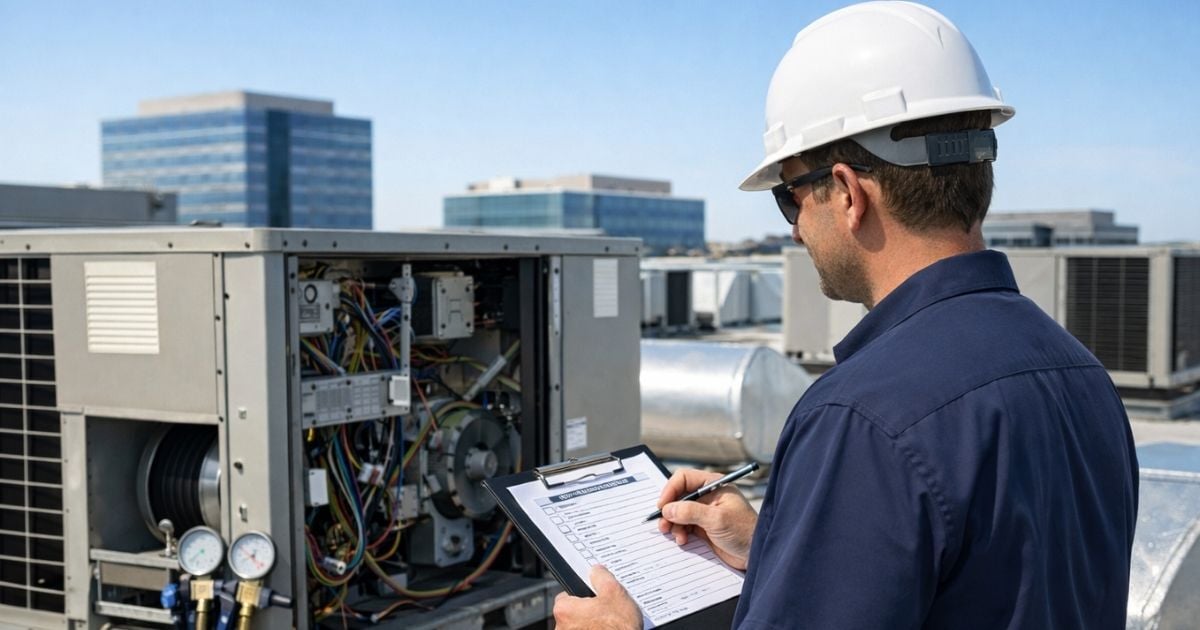
If a tenant says their office is too warm, a technician may find a dirty filter. Replacing it may help for now. But if the filter gets dirty too quickly, there may be another issue.
The unit may be pulling in too much dust. The building may have poor air flow. The unit may not be serviced often enough. The tenant may be blocking vents.
The same is true with plumbing. If a toilet keeps backing up, clearing the clog may help for a short time. But if it keeps happening, the pipe may be old, poorly sloped, or blocked by items that should not be flushed.
Repeat Problems Need a Deeper Look
When the real cause is missed, the repair becomes temporary.
Instead of only asking what failed, it helps to ask why it failed, how often it has happened, and whether the same issue has shown up before.
That extra step can help turn a repeat repair into a real solution.
Is Heavy Use Wearing the Building Down?
Commercial buildings are not used like homes. They often have more people, longer hours, and more demand.
An office building, retail plaza, medical office, restaurant, or mixed-use property may have tenants using systems in different ways. Some tenants create more heat. Some use more water. Some have longer hours. Some bring in more staff, customers, or equipment.
Over time, that heavy use wears systems down.
A pump may get loud. A unit may short-cycle. A drain may slow down. A restroom fixture may keep running. A tenant may notice a smell. A ceiling tile may show a stain.
These are warning signs. If they are ignored, the same problems are likely to return.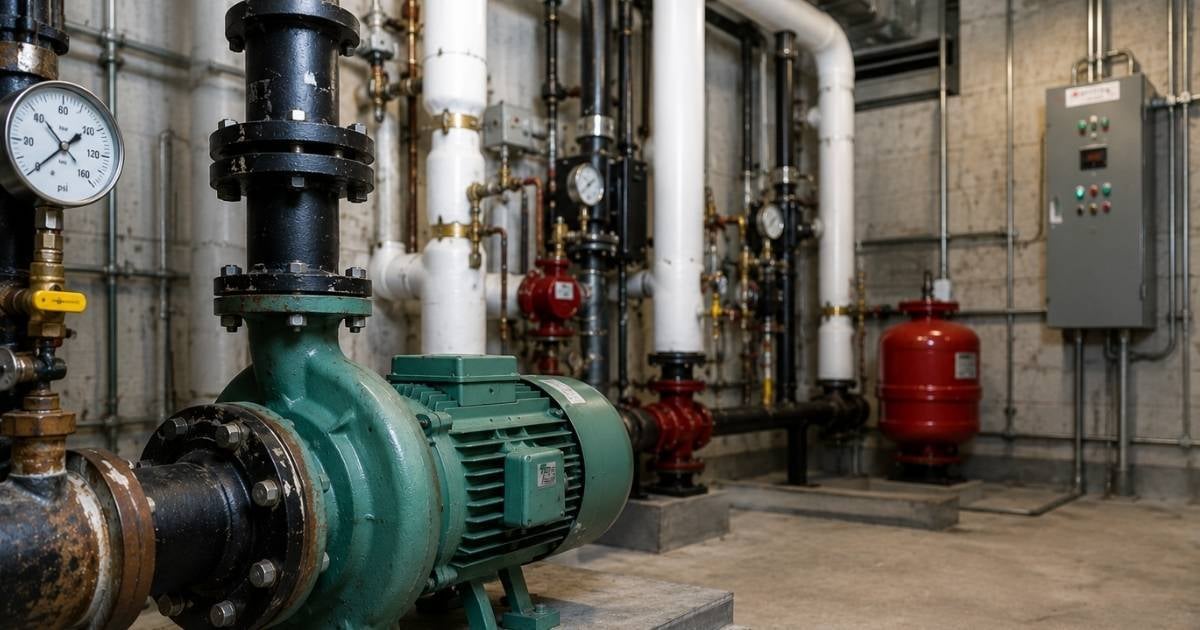
Are Small Maintenance Tasks Being Missed?
Many repeat HVAC and plumbing problems start with small maintenance tasks that were missed.
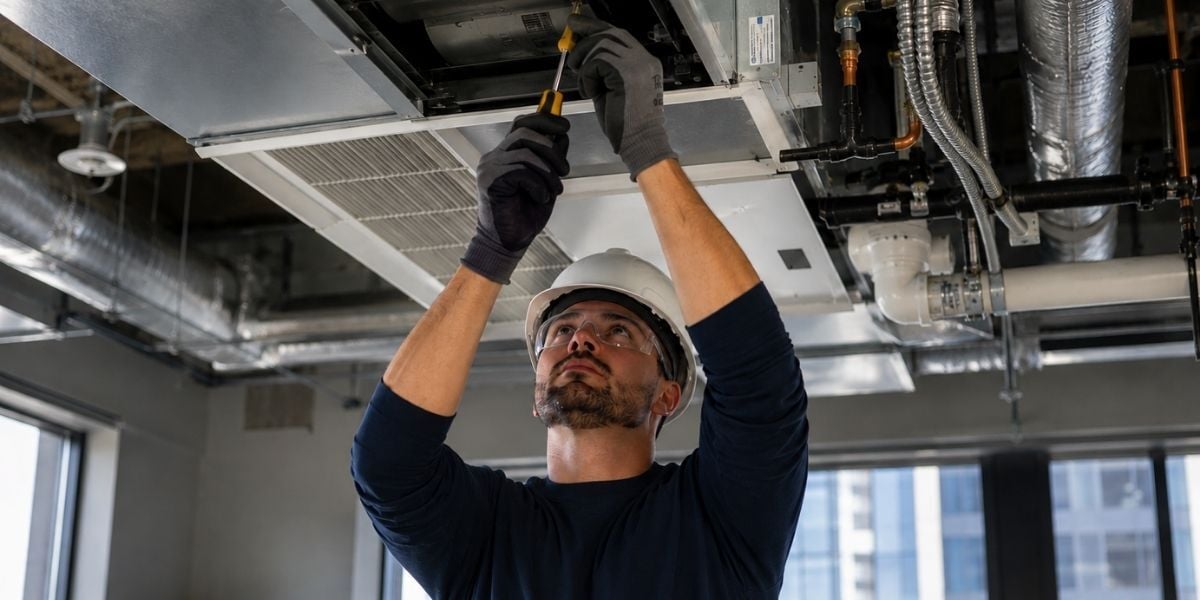
For HVAC systems, this may include checking filters, belts, coils, drains, controls, air flow, and worn parts.
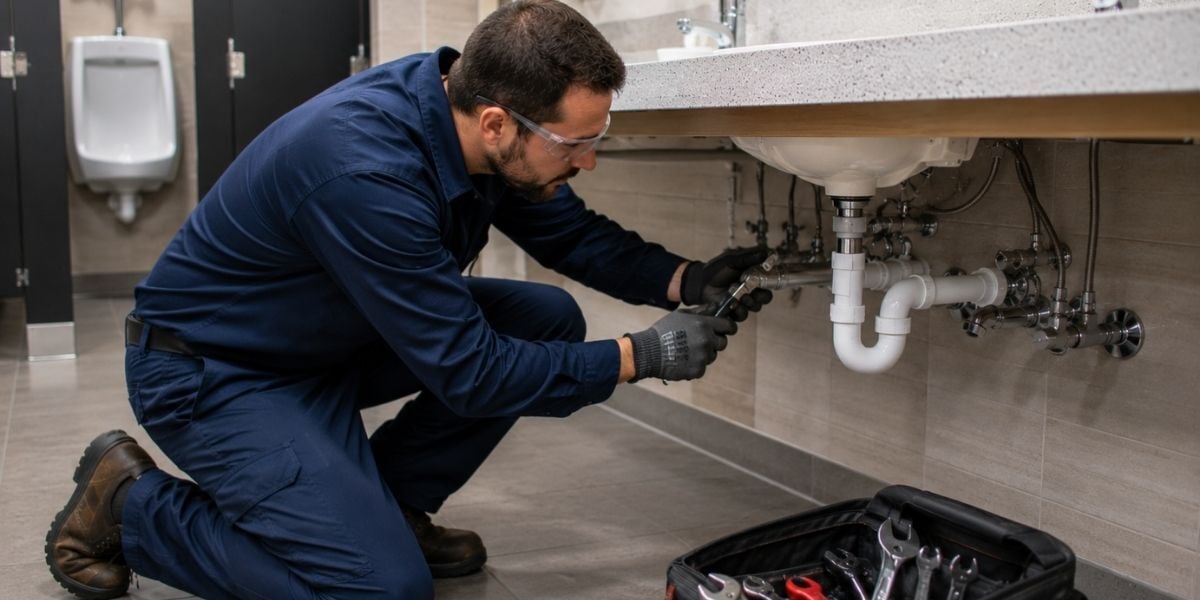
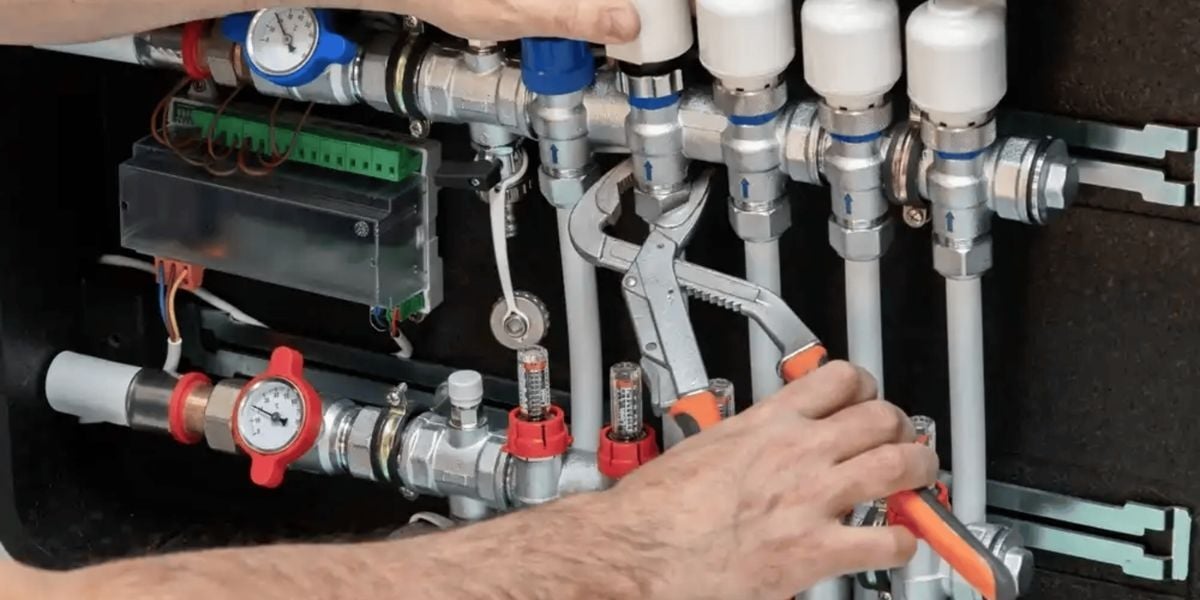
For plumbing systems, this may include checking pipes, valves, water heaters, pumps, drains, fixtures, leaks, pressure, and corrosion.
These tasks may not seem urgent. But when they are skipped over time, systems work harder than they should. Then tenants start to complain. Energy use may rise. Parts may wear out faster. Small leaks may spread. Drains may get slower.
Preventative maintenance helps catch these problems before they turn into repeat repairs.
Could Tenant Use Be Part of the Problem?
Tenant use can also cause repeat HVAC and plumbing problems.
Tenants may block vents with desks, boxes, or furniture. They may change the thermostats too often. They may leave doors open. They may use space heaters or equipment that adds heat to the space.
With plumbing, tenants may flush items that should not go down the toilet. They may pour grease into drains. They may ignore slow drains or small leaks until they get worse.
In a commercial building, one tenant’s habits can affect other spaces.
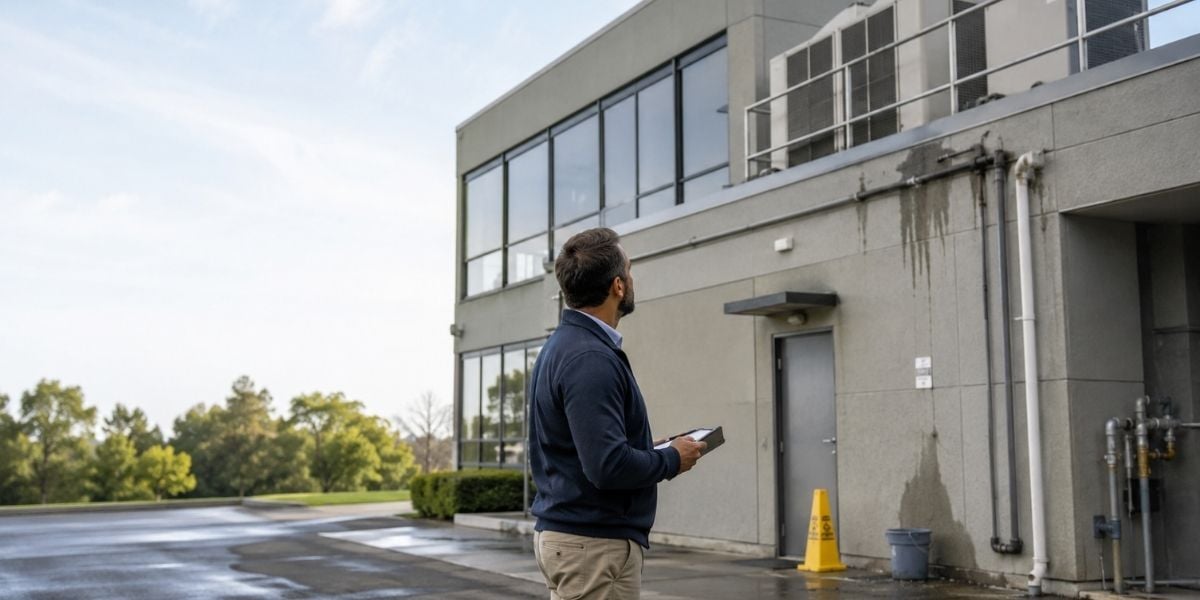
A clogged shared drain can affect more than one restroom. A leak in one space can damage the ceiling below it. A poorly maintained tenant unit can cause comfort complaints that get blamed on the building.
This is why responsibility matters. If no one is clear on who maintains the system, who pays for repairs, and who checks the work, problems can keep coming back.
How Can Property Managers Stop Repeat Problems?
To stop repeat HVAC and plumbing problems, property managers should look for patterns.
A few steps can help:
- Track repeat issues. Look at which units, drains, restrooms, tenant spaces, or fixtures cause the most problems.
- Watch the timing. Notice if problems happen during heavy use, extreme weather, or busy business hours.
- Ask what caused the failure. A good repair should explain what failed, why it failed, and what may need attention next.
- Review the maintenance plan. Older or busy buildings may need more than basic reactive service.
- Clarify responsibility. Make sure owners, tenants, and vendors know who is responsible for maintenance.
Preventative maintenance can help reduce surprise failures. It also gives property managers better information before small problems become tenant complaints, water damage, or emergency calls.
Repeat Problems Are a Warning Sign
If your commercial HVAC and plumbing problems keep coming back, it does not always mean the last repair was bad. It may mean the building is telling you something.
The system may be overworked. Maintenance may be too light. Tenant use may be adding stress. The equipment may be getting older. Or the real cause may have never been found.
At Harold Brothers Mechanical, we help commercial property managers look beyond the immediate repair. Our goal is to help you understand what keeps repeating, what is causing it, and how to reduce future problems.
A good next step is to look at how maintenance responsibility is handled in your building. If tenants control certain systems, or if responsibility is split between tenants and ownership, unclear expectations can create more risk.
Topics: