
If you own or manage a commercial building, HVAC problems are not a matter of if, they are a matter of when. And when something fails, the first question is almost always the same:
Who is responsible for this?
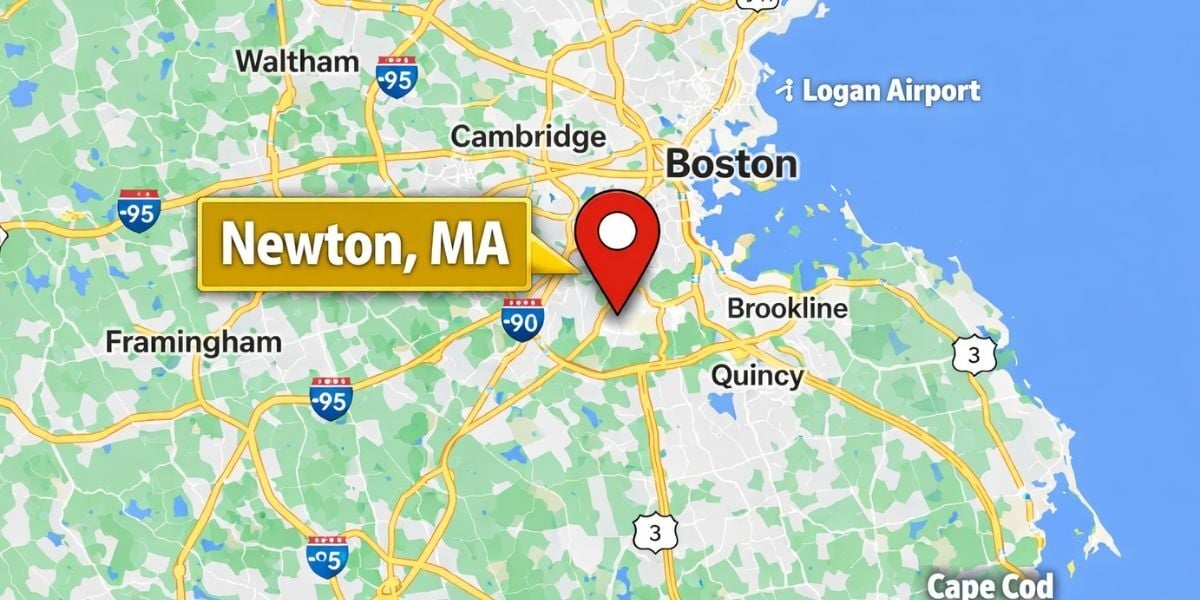
At Harold Brothers Mechanical Contractors, we work with property owners and facility teams across Massachusetts, New Hampshire, and Rhode Island. One of the most common issues we see is not the equipment itself, but confusion around responsibility.
That confusion leads to delays, finger-pointing, and in many cases, unexpected costs that could have been avoided.
In this article, you’ll get a clear breakdown of how commercial HVAC responsibility typically works, what your lease should define, and how to protect yourself from costly surprises.
Why HVAC Responsibility in a Commercial Lease Matters More Than You Think
When an HVAC system goes down, it does not just affect comfort. It can impact operations, tenants, and revenue.
If responsibility is unclear:
- Repairs get delayed
- Costs get disputed
- Systems continue running in poor condition
- Small issues turn into major failures
In New England, systems work through freezing winters, humid summers, and unpredictable shoulder seasons. In places like the South Shore of Massachusetts or coastal Rhode Island, salt air and humidity can accelerate wear. In New Hampshire, long heating seasons push equipment even harder.
That means missed maintenance or unclear responsibility does not just create inconvenience. It creates real financial risk.

What Does a Commercial Lease Say About HVAC Responsibility?
Everything starts with the lease. Not assumptions. Not verbal agreements. What is written.
Why “Vague Language” Leads to Expensive Problems
Many leases use general language like:
- “Tenant responsible for maintenance”
- “Landlord responsible for major repairs”
That sounds clear until something breaks.
Is a compressor failure a repair or a replacement?
Is a slow refrigerant leak considered maintenance or system failure?
We see this confusion often in older lease agreements across Massachusetts, where language has not kept up with today’s equipment costs.
The 3 Things Every Lease Must Clearly Define
Every commercial lease should clearly outline:
Maintenance – Routine service like filter changes, inspections, and seasonal tune-ups
Repairs – Fixing components that fail during normal operation
Replacement – Full system or major component replacement when equipment reaches end of life
If even one of these is unclear, you are opening the door to disputes.
Tenant vs Landlord HVAC Responsibilities
Most buildings across Massachusetts, New Hampshire, and Rhode Island fall into one of four setups:
- Landlord Responsible: Handles maintenance, repairs, and replacement
- Tenant Responsible: Handles most or all HVAC responsibilities
- Tenant Limited: Tenant handles basic maintenance, landlord handles major items
- Shared Responsibility: Maintenance and repairs are split
Here is the key takeaway:
If replacement is not clearly defined, it usually ends up falling back on the property owner.
When the Landlord Is Responsible for HVAC Systems
Shared Systems and Central Equipment
In larger buildings, HVAC systems are often shared between multiple tenants. This includes:
- Central air systems
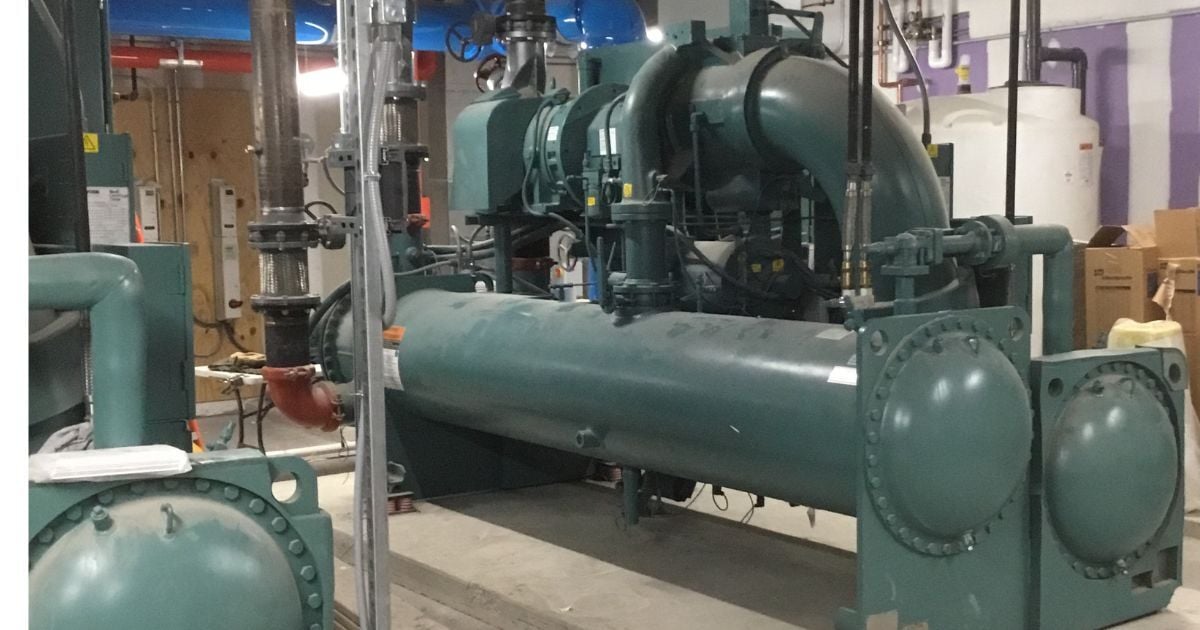
- Boilers and chillers
- Shared ductwork or hydronic piping
You see this frequently in office buildings throughout Boston, Worcester, and parts of southern New Hampshire, where systems are centralized.
In these cases, responsibility typically stays with the landlord because no single tenant controls the system.
Why Owners Carry the Highest Risk
While this setup gives owners full control, it also carries the most risk.
If a major component fails:
- The cost is yours
- The downtime affects multiple tenants
- The pressure to respond quickly is high
This is why preventative maintenance is critical, especially in older buildings across New England where systems may already be under strain.
When the Tenant Is Responsible for HVAC Maintenance and Repairs
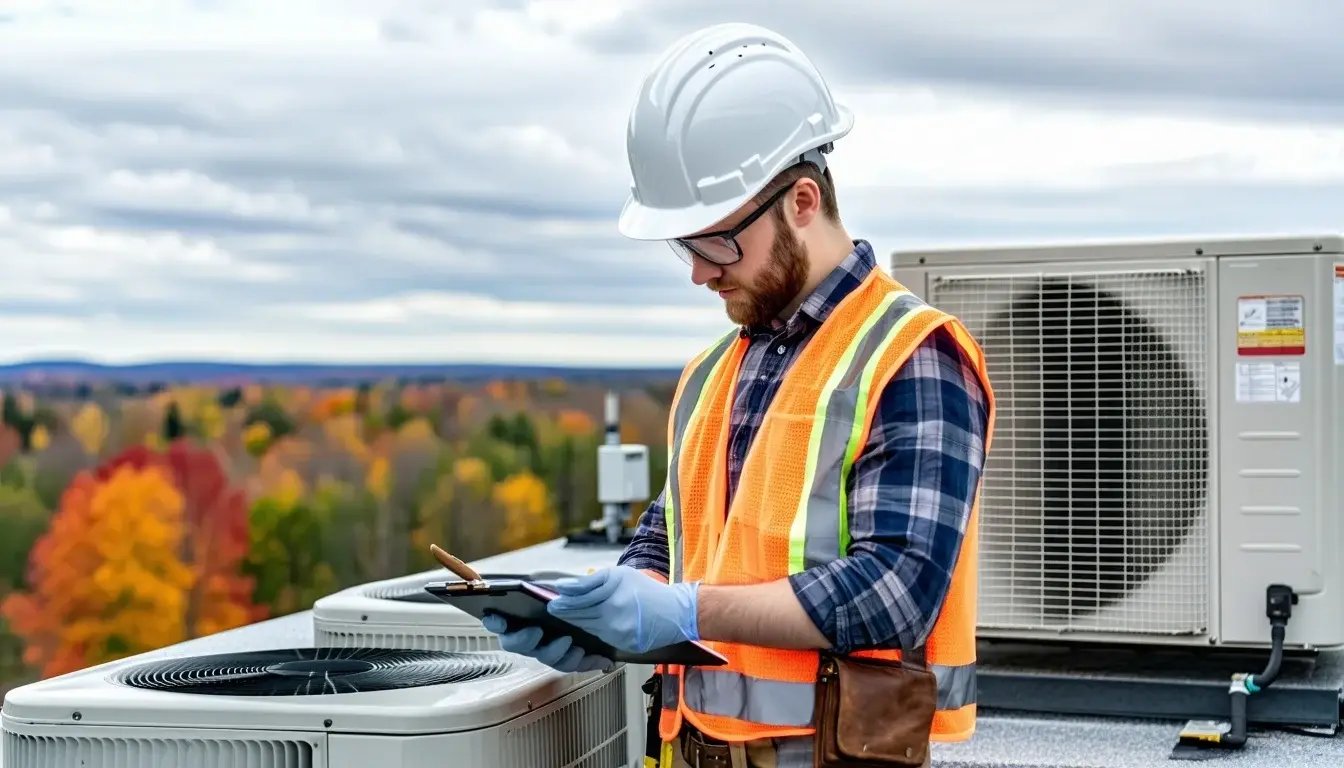
Single-Tenant Systems and Rooftop Units
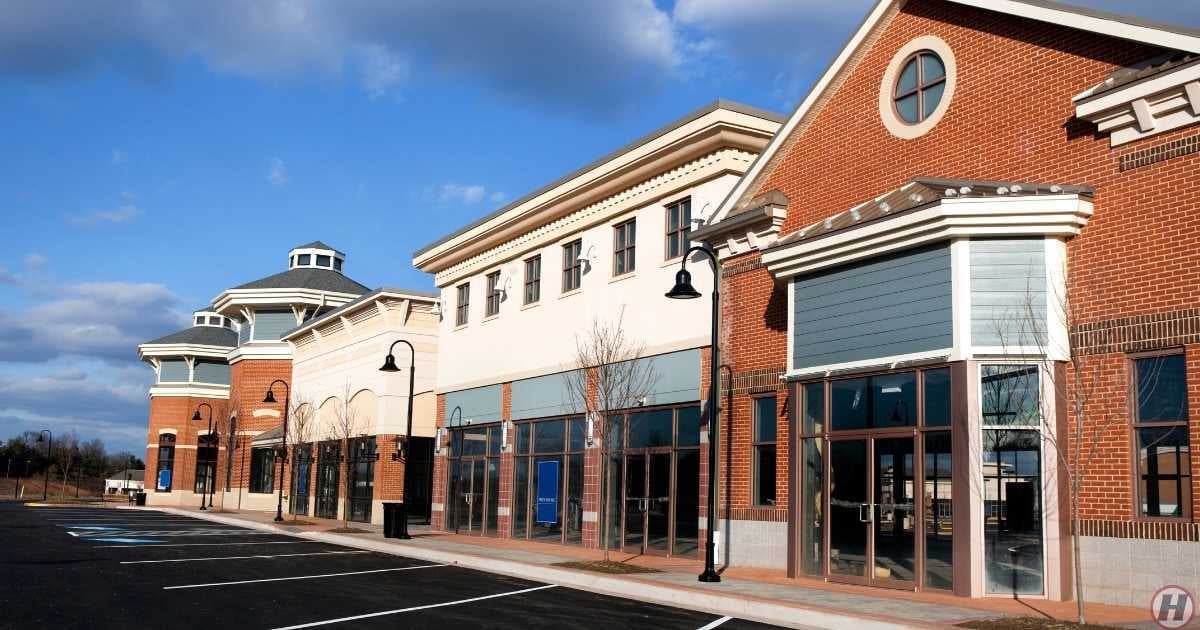
In smaller buildings or strip plazas, each tenant often has their own system.
This is common in retail centers across New England, where each space has its own rooftop unit.
In these cases, tenants are often responsible for:
- Routine maintenance
- Day-to-day repairs
- Sometimes even replacement
The Hidden Risk of Poor Maintenance
On paper, this reduces risk for the owner. In reality, it can create a different problem.
- Equipment wears out faster
- Efficiency drops
- Small issues go unnoticed
We regularly see this, where tenants either try to cut costs or simply overlook maintenance. When that tenant leaves, the owner inherits a system that may already be close to failure.
When HVAC Responsibility Is Split Between Tenant and Landlord
This is the most common setup and also the most misunderstood.
Most leases say the tenant handles maintenance while the landlord covers major repairs and replacement. The problem is that “major” is rarely defined. When something fails, like a compressor or a long-term refrigerant leak, it is not always clear where that line is.
When a replacement comes up, the cost usually falls back on the owner. The HVAC system is tied to the building, affects future tenants, and cannot be ignored. If maintenance is skipped and the system fails early, and the lease does not clearly define replacement, the owner is usually left covering the cost.
This setup only works if someone is making sure maintenance is actually happening. Without oversight, maintenance gets skipped, equipment wears out faster, and costs increase. That is why many property owners are moving toward more controlled maintenance strategies to protect their systems.
The Biggest Mistakes Property Owners and Tenants Make
One of the biggest mistakes we see is assuming responsibility instead of clearly defining it. If it is not written out in the lease, it will almost always turn into a dispute later, and usually at the worst possible time.
Another common issue is skipping preventative maintenance. Maintenance is often delayed to save money, but it almost always leads to higher costs, shorter equipment life, and more unexpected failures.
The last mistake is waiting until something breaks to figure out responsibility. By the time that question comes up, the system is already down, the building is impacted, and decisions are being made under pressure instead of planning ahead
How to Protect Yourself from HVAC Disputes and Unexpected Costs
Protecting yourself from HVAC disputes starts with your lease. Make sure maintenance, repairs, and replacement are clearly defined so there is no confusion when something goes wrong. From there, responsibility should match how your system is set up. Shared systems should stay with the landlord, while dedicated systems need clear expectations for what the tenant is responsible for and what falls back on ownership.
Just as important, make sure maintenance is actually happening. Responsibility without accountability does not work. Missed maintenance leads to early system failure, higher long-term costs, and more disputes when something breaks.
Understanding responsibility is the first step. Taking control of it is what actually protects your building.
At Harold Brothers Mechanical Contractors, we help property owners reduce risk, avoid tenant-related issues, and extend equipment life through proactive maintenance and clear system planning.
Your next step is to understand how a structured maintenance program can eliminate these gaps and keep your systems consistent and protected long term.
Topics: