
If your commercial HVAC system isn't keeping your building comfortable, you're likely dealing with rising temperatures, occupant complaints, and concerns about an expensive repair. You may have been told the compressor may have failed, and you're probably asking the same question most building owners and facility managers do: How much is this going to cost?
At Harold Brothers Mechanical, we've helped building owners and facility managers make informed HVAC repair decisions for years. We believe you should understand exactly what's wrong with your system, what your options are, and what you can expect to pay before moving forward with any repair.
In this article, you'll learn what an HVAC compressor does, how much compressor replacement typically costs, the factors that affect pricing, and when it may make more sense to repair, replace, or upgrade your system.
What Is an HVAC Compressor and Why Is It So Important?
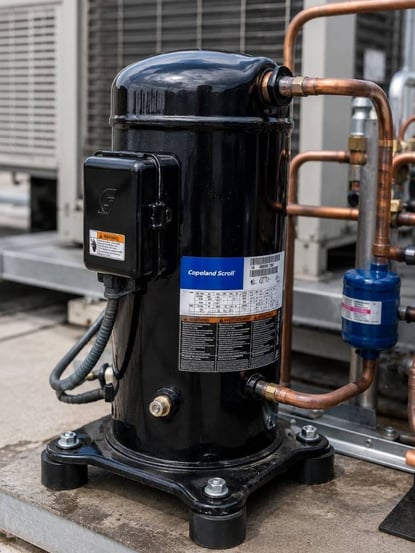
The compressor is the heart of your building’s air system.
It pumps refrigerant through your system to help keep your space cool. Without it, your HVAC system can’t move heat out of the building.
Think of it like a refrigerator for the whole building. If the compressor dies, the cooling stops working. That’s a big problem in hot weather, especially for businesses with people, products, or machines that need to stay cool.
What’s the Average Cost to Replace a Commercial HVAC Compressor?
Replacing a commercial HVAC compressor usually costs between $3,000 and $10,000.
That’s the average range for most buildings. In some cases, the cost can be lower, around $2,000. In more complex situations, it might go over $15,000.
You might be wondering: Why is there such a big difference in price?
It’s because every building and every HVAC system is different. Things like the size of your system, the brand of the compressor, and how hard the job is can all make the price go up or down.
6 Key Things That Affect the Price of Replacing a Compressor
- Size of Your HVAC System
The bigger the system, the bigger the compressor, and the higher the cost.
A small office unit will be cheaper than a system for a shopping mall or warehouse. - Type of Compressor
There are different types: scroll, reciprocating, screw, and centrifugal.
Some are more complex and expensive than others. - Brand and Model
Well-known brands, like Trane or Daiken, may cost more, but they often last longer and are easier to repair later.
Replacement parts also vary by brand. - Labor Costs
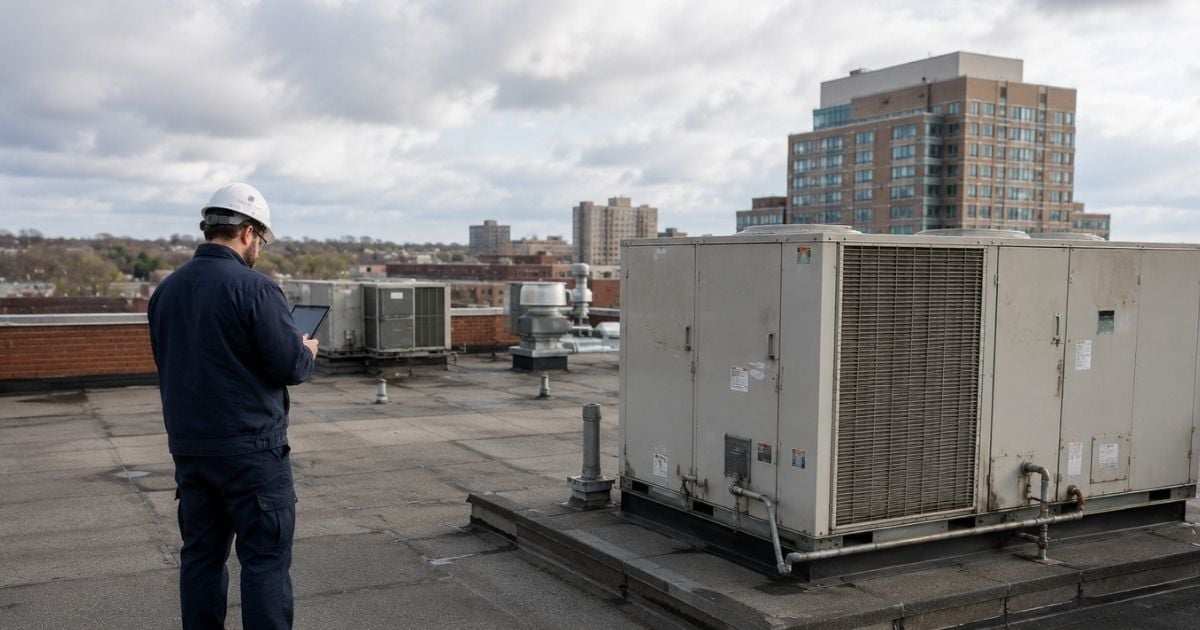
Installing a compressor is a tough job.
In some cases, workers need to lift the unit onto the roof with a crane. That adds cost. - Warranty Status
If your system is still under warranty, the compressor might be free or discounted.
However, you’ll likely still pay for labor, shipping, material, and rigging costs.
Should You Replace Just the Compressor or the Whole Unit?
Sometimes it’s smarter to replace the entire HVAC unit, but not always. It depends on your system’s age, condition, and your budget. Here’s how to decide what’s best for your building:
 Replace Only the Compressor if:
- Your HVAC system is less than 10 years old
- Most other parts are working well
- The system is still under warranty
- You have a limited budget right now
Replace the Whole Unit if:
- Your system is over 15 years old
- Other parts are also breaking down
- It’s out of warranty, and repairs are getting expensive
- You want better energy savings and lower bills in the long run
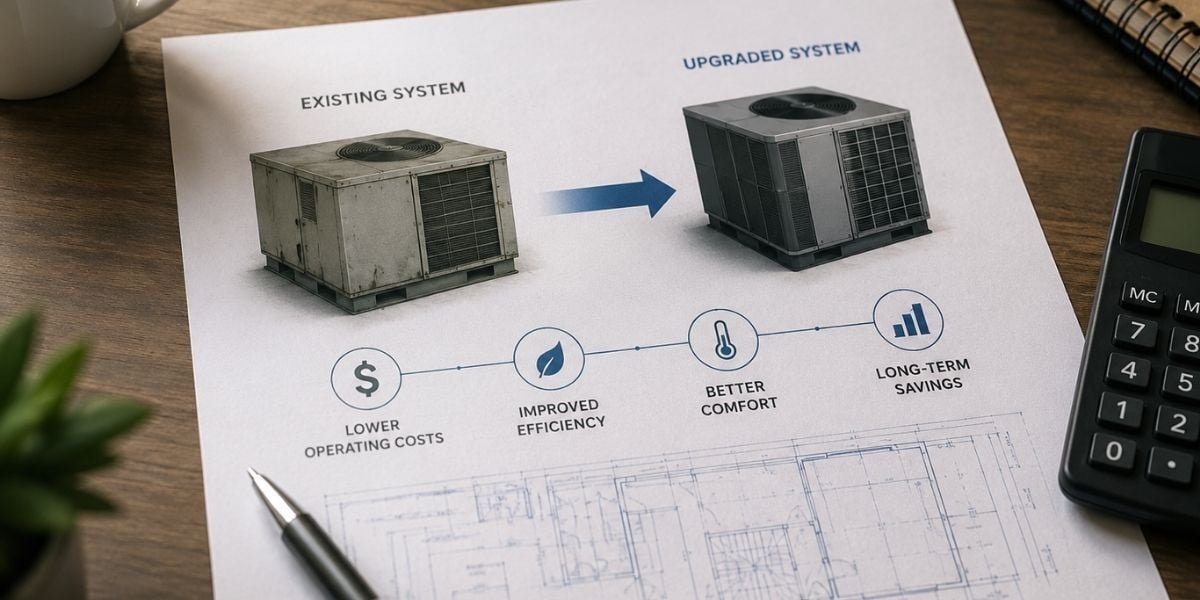
Replacing just the compressor costs less at first, but if your HVAC system is old or has other issues, it may be smarter to invest in a new unit. That way, you can avoid more surprise breakdowns and save on energy costs over time.
Can You Fix the Compressor Instead of Replacing It?
Yes, but not always.
Repairs are often the cheaper route, typically ranging from $500 to $2,000, depending on the extent of the issue. For minor problems like faulty wiring or a capacitor replacement, repair is usually the smarter and more affordable option.
However, if your compressor is severely damaged or nearing the end of its lifespan, repairing it might just be a temporary fix that delays the inevitable. Compressors tend to fail again if there's internal damage or if the unit is older than 10–12 years.
The key is to consider the bigger picture: Will a repair give you more than a year or two of reliable performance? Or is it more like putting a Band-Aid on a long-term issue?
A trusted HVAC technician can walk you through the pros and cons, factoring in your system’s age, warranty status, and the repair history to help you make the best financial and functional decision.
Are There Any Hidden Costs of Replacing a Commercial Compressor?
Yes. Here are a few common ones:
- Refrigerant refill: Can cost $100–$600, depending on the type.
- Crane rental (for rooftop units): $2,000-$10,000
- Emergency fees: If it breaks on a hot weekend, you may pay more. A service call on a weekend is considered an “after-hours” call, meaning it will be pricier than a weekday service call.
- Electrical upgrades: If your new compressor draws more power.
Always ask your contractor for a full quote. You don’t want surprises.
How Long Will a New HVAC Compressor Last?
Most commercial HVAC compressors have a lifespan of 8 to 15 years, depending on usage, environment, and how well they’re maintained. In some cases, especially in clean environments with stable workloads and proactive upkeep, a compressor can last even longer, sometimes up to 20 years.
But longevity isn’t guaranteed. It depends heavily on how you care for your system after installation. Without proper maintenance, even a new compressor can fail prematurely. That’s why following a consistent care routine is key.
%20(70)-1.jpg?width=417&height=556&name=Untitled%20(768%20x%201024%20px)%20(70)-1.jpg) To get the most life out of your new compressor, here are three essential habits to follow:
To get the most life out of your new compressor, here are three essential habits to follow:
- Schedule maintenance at least twice a year
Biannual checkups allow a technician to inspect components, test performance, and spot potential issues before they become costly repairs. - Change filters regularly
Dirty or clogged filters make your system work harder, straining the compressor. Following your manufacturer’s recommended filter replacement schedule can significantly extend the unit’s life. - Fix small problems quickly
Ignoring unusual noises, pressure drops, or short cycling can lead to bigger problems fast. Catching issues early helps avoid more extensive (and expensive) compressor damage down the line.
Preventative maintenance isn’t just a recommendation, it’s a requirement if you want your new compressor to deliver reliable performance for the long haul.
Tips to Save Money on Compressor Replacement
Replacing a compressor can be a major expense, but there are several smart ways to keep costs down if you’re proactive.
First, always get more than one quote. Prices can vary significantly between contractors, sometimes by thousands of dollars. Comparing estimates allows you to spot overpriced services and negotiate better deals.
Ask about refurbished compressors, especially if your system is older. Many refurbished units are in great shape, have been thoroughly tested, and come at a much lower price point than new models.
It’s also worth checking your warranty. Even if your full system warranty has expired, parts of it, like the compressor itself, may still be covered, especially if your equipment was installed within the last few years.
Timing matters too. If you notice issues developing in the spring, don’t wait. Handling repairs or replacements before the summer rush can help you avoid inflated pricing and long wait times during peak HVAC season.
Lastly, be sure to look for rebates or tax credits. Many municipalities and utility providers offer financial incentives when you install energy-efficient equipment, which can significantly offset your total cost.
What to Expect and Do Next?
If your commercial HVAC system needs a new compressor, expect to spend between $3,000 and $10,000, depending on the system size, compressor type, labor costs, and warranty coverage.
Now that you understand what a compressor does and what replacement may cost, your next step is to schedule an inspection to confirm the issue. Once you know your options, compare quotes from two or three HVAC contractors and ask about long-term operating costs, energy efficiency, and warranty coverage so you can make the most cost-effective decision.
Want a better understanding of what other commercial HVAC repairs might cost? Check out our article, "How Much Do Commercial HVAC Repairs Cost?" We break down the typical price ranges for repairs like blower motors, thermostats, and air filters. It’s a helpful next step if you want to budget more accurately and understand the full range of costs associated with maintaining your commercial HVAC system.
FAQ
How much does it cost to replace a commercial HVAC compressor?
Most commercial HVAC compressor replacements cost between $3,000 and $10,000, including parts and labor. Smaller systems may cost as little as $2,000, while large or complex systems can exceed $15,000 depending on the compressor type, equipment size, and installation requirements.
Is it cheaper to repair or replace a commercial HVAC compressor?
Repairing a commercial HVAC compressor is usually less expensive upfront, often costing between $500 and $2,000. However, if the compressor has severe internal damage, is out of warranty, or is part of an older HVAC system, replacement may provide better long-term value and reliability.
How long does a commercial HVAC compressor last?
Most commercial HVAC compressors last 8 to 15 years with proper maintenance. Regular inspections, filter changes, and prompt repairs can help extend compressor life and reduce the risk of premature failure.
Can I replace just the compressor instead of the entire HVAC unit?
Yes. Replacing only the compressor is often a good option when the HVAC system is less than 10 years old, in otherwise good condition, and still under warranty. If the system is older or experiencing multiple problems, replacing the entire unit may be the more cost-effective solution.
What are the signs of a failing commercial HVAC compressor?
Common signs of compressor failure include warm air coming from vents, unusual noises, frequent system shutdowns, tripped circuit breakers, reduced cooling performance, and higher energy bills. If you notice any of these symptoms, schedule an HVAC inspection as soon as possible to prevent further damage.
Topics: