

If you manage an office building in Massachusetts, you’ve probably heard the same temperature complaints so many times you could finish the sentence for people. One side of the office feels like a walk-in freezer. The other feels like someone left the heat on in July. Even when someone finally gives up and adjusts the thermostat, the “fix” only lasts a few hours, at best.
Uneven temperatures are more than an annoyance. They slow people down, create distractions, push your energy bills higher than they should be, and make tenants wonder whether the HVAC system is doing its job.
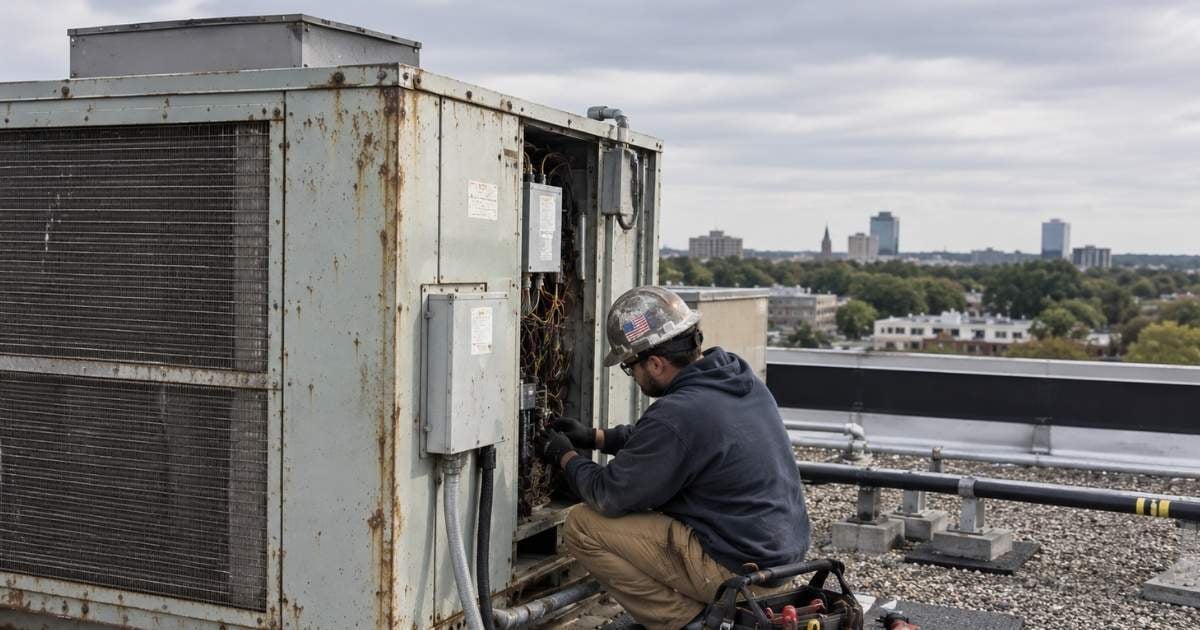
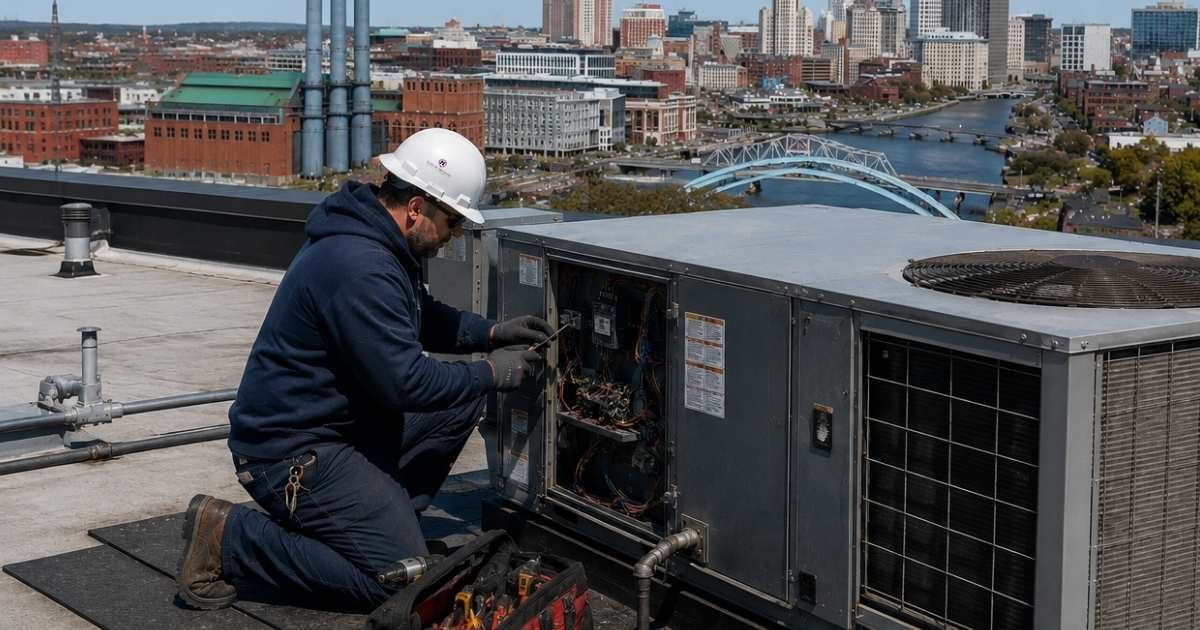
At Harold Brothers Mechanical Contractors, we deal with these issues every week. Offices across New England see the same patterns: aging equipment, airflow problems, layout changes, or systems that simply were not designed for how the building is used today. The good news is that these issues are almost always fixable once you understand what is going on.
Below, you’ll find the most common reasons offices end up with temperature swings and the practical steps that can actually solve them.
Why Offices End Up With Hot and Cold Spots
When temperatures shift from room to room, something in the HVAC system is out of balance. Sometimes it is mechanical. Sometimes it is airflow. Other times it is an older system trying to keep up with demands that no longer match the building’s current layout or usage.
Across New England, offices that skip regular maintenance usually experience more breakdowns, higher energy use, and shorter equipment life. A steady maintenance plan helps keep everything from drifting too far off track.
Here are the issues we see most often:
1. Poor Airflow and Blocked Vents
Office layouts change constantly. Desks move, storage grows, a conference room becomes a workspace, but the vents stay exactly where they were years ago. When airflow gets blocked by furniture, boxes, cubicle walls, or equipment, some areas heat up or cool down long before the rest of the building.
2. Aging or Dirty HVAC Equipment
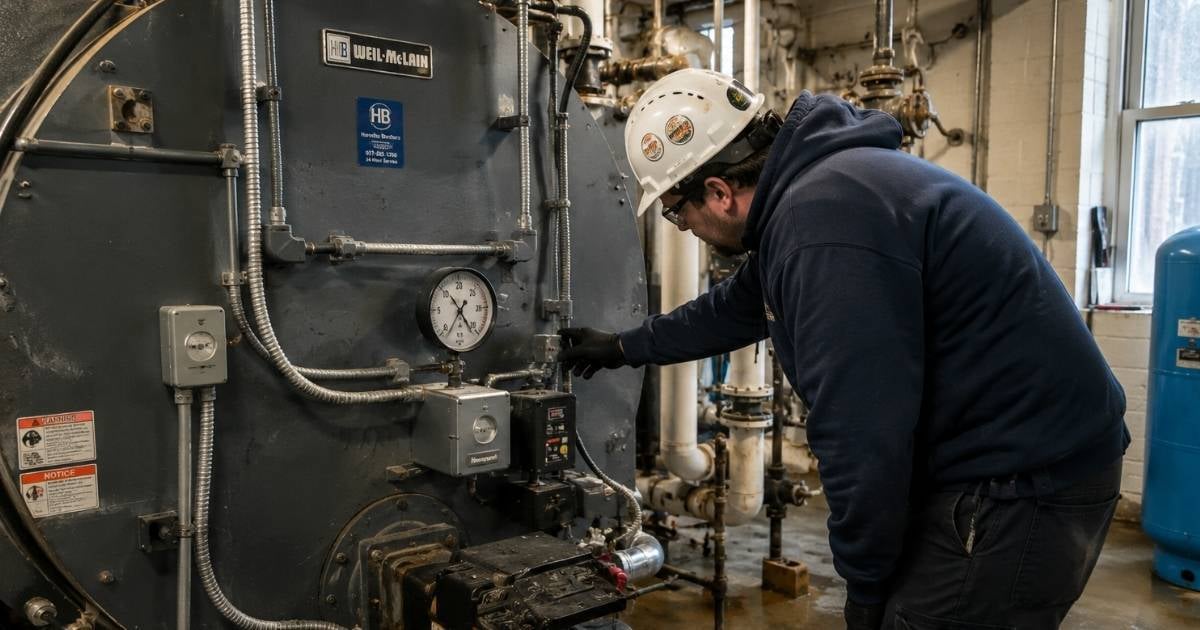
Dusty coils and clogged filters are one of the most common reasons buildings feel uneven. When the system cannot move air freely, temperatures drift and energy bills rise by 5 to 20 percent. Regular cleaning keeps everything operating the way it should and often helps maintain manufacturer warranties.

3. Faulty or Miscalibrated Thermostats
A thermostat placed near a sunny window or a draft will never read the room correctly. The system keeps reacting to the wrong information, and the building ends up in a constant tug of war.
Routine service includes checking, recalibrating, or relocating thermostats to create more stable temperatures.
4. Poorly Designed or Unbalanced Ductwork
Many older offices still rely on duct systems that were built for a completely different layout. When dampers stick or airflow is unbalanced, some rooms get far more air than they should while others barely get any.
5. Equipment That Is Too Big or Too Small
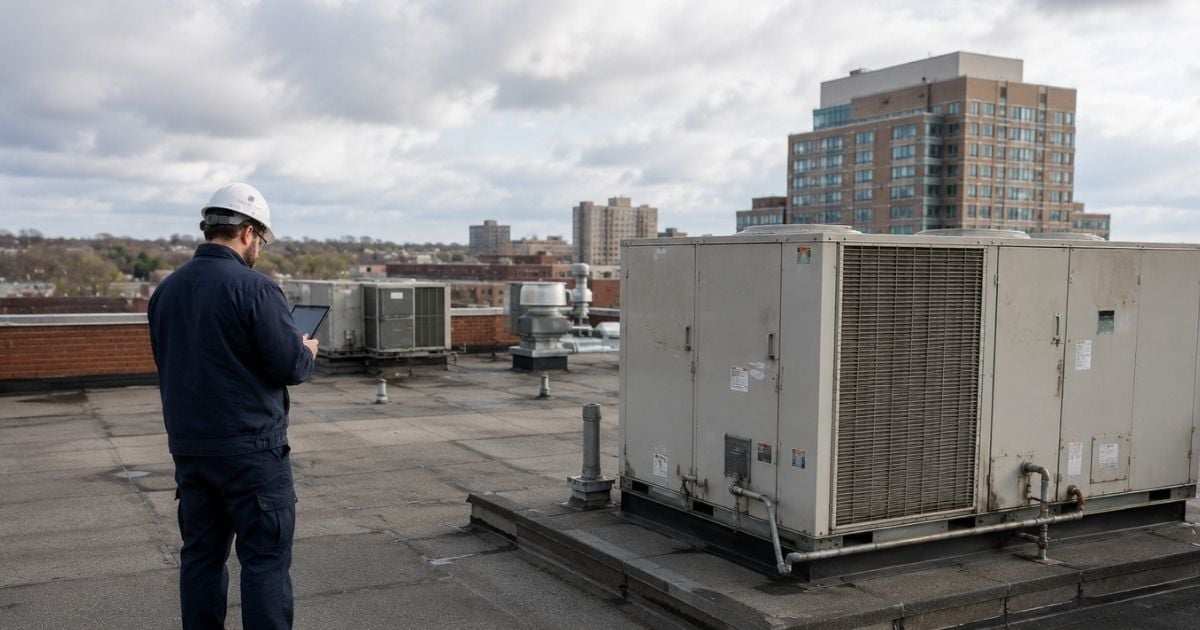
Oversized units cycle too quickly. Undersized units run endlessly. Both situations lead to temperature problems. A professional assessment can confirm whether your system is sized correctly for today’s space, not the one that existed decades ago.
Signs Your Office’s Temperature Issues Are Getting Worse
You will usually notice a handful of clues before things turn into expensive service problems:
- Employees using space heaters or desk fans
- Constant thermostat battles
- Rising energy bills without a clear reason
- Rooms that take far too long to heat or cool
- Hot or cold areas near exterior walls or windows
- A spike in complaints during extreme weather
If several of these show up at the same time, the building is probably heading toward avoidable breakdowns or emergency service calls.
How to Fix Temperature Swings in Your Office
Restoring consistent temperatures starts with figuring out where the breakdown is happening. It might be airflow, equipment, or the controls themselves. Addressing these issues one step at a time helps prevent larger and more costly problems later.
Adjust Airflow and Clear Obstructions
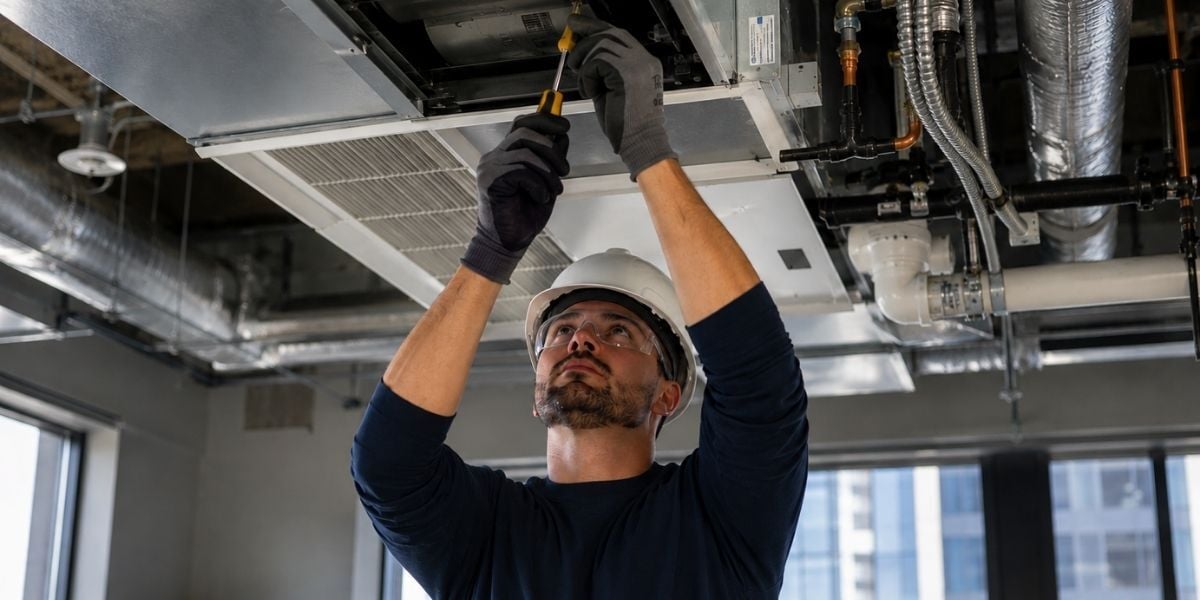
Technicians check that vents and returns are open, clear, and delivering the right amount of air to each part of the office. Small adjustments here often create a noticeable difference in comfort.
Correct Thermostat Placement and Settings
Sometimes the solution is as simple as moving a thermostat a few feet. Recalibration and zoning controls can also help when different parts of the office heat or cool at different speeds.
Clean Coils, Replace Filters, and Tune Up Components
Dirty components force your system to work harder than it should. Cleaning and tuning improves efficiency, helps the equipment last longer, and keeps energy costs from creeping up. Many offices see 5 to 20 percent savings once these basics are restored.
Balance or Modify the Duct System
Balancing airflow inside the ducts is one of the most effective ways to reduce hot and cold spots. Even small adjustments to dampers can help level things out.
Upgrade Undersized or Oversized Equipment
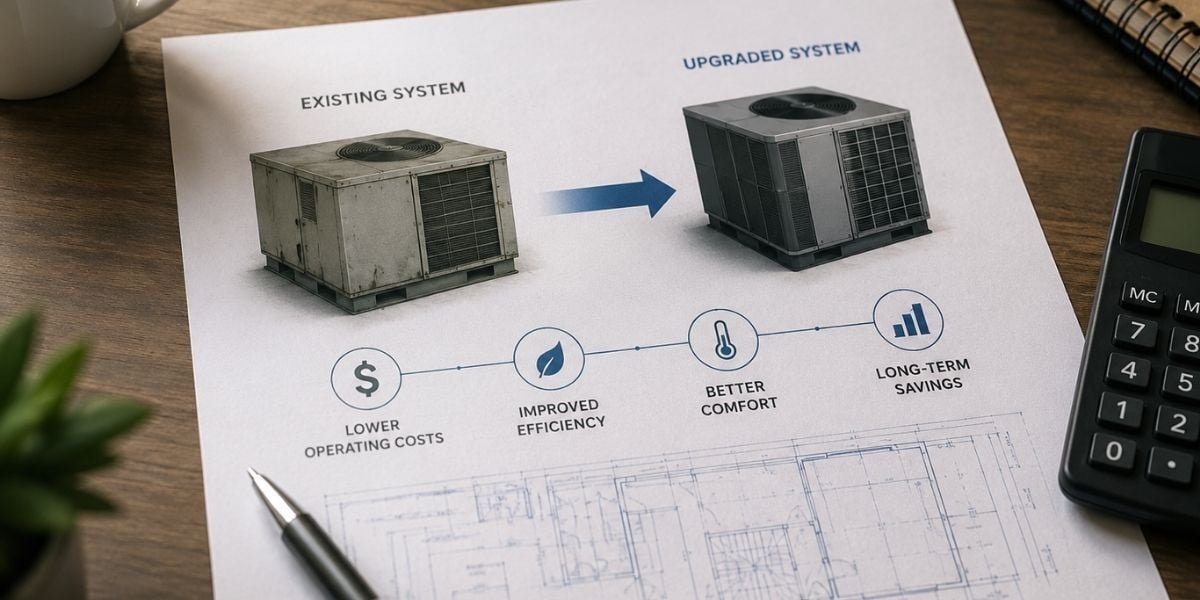
If the system cannot keep up or cools too quickly, it may not be sized correctly for the space. In these cases, upgrading becomes the long-term solution that improves comfort and reduces operating costs.
When to Call a Commercial HVAC Professional
A licensed HVAC technician brings precision and experience that are difficult to match. When you bring in a professional, you get:
- Faster and more accurate troubleshooting
- Clear reporting and documented findings
- Recommendations based on your equipment and layout
- Predictable and transparent pricing
If you already have a Preventative Maintenance (PM) contract, you will usually receive priority scheduling, faster response times, and, with companies like Harold Brothers, combined HVAC and plumbing maintenance options.
PM programs range from $2,000 to over $100,000 per year, depending on the system and the type of business you operate. Most mid-sized office buildings fall toward the lower end of that range. Equipment age, accessibility, and maintenance frequency all play a role.
Stop Temperature Swings Before They Get Worse
Temperature swings rarely fix themselves. They tend to slowly get worse until the problems become too obvious to ignore.
Whether the issue comes from airflow, thermostat placement, aging equipment, or duct design, there is always a path forward. If you are dealing with mounting complaints or watching energy costs rise month after month, it is probably time for a closer look.
If you want a detailed, behind-the-scenes explanation of what happens during a professional tune-up, our article What Happens During a Commercial HVAC Preventative Maintenance Visit walks through everything a technician inspects, cleans, and adjusts and why each step matters.
At Harold Brothers Mechanical Contractors, we help office owners and property managers across New England find the real cause of temperature problems and fix them for good. When you are ready to move from guessing to actually solving the problem, our team is here to help.

FAQ: Office Temperature Problems
How long does it take to diagnose uneven temperatures?
Most assessments take between one and three hours depending on the size of the office.
What does a technician evaluate?
Airflow, ducts, dampers, coils, filters, thermostats, and overall system performance.
How often should offices be checked?
At least twice a year. Because of seasonal swings in Massachusetts, many buildings benefit from three or four visits.
Can fixing temperature issues reduce energy costs?
Yes. Cleaning coils, improving airflow, and balancing the system can reduce energy waste by 10 to 25 percent.
Topics: