
If you manage a commercial building, you rely on your HVAC system to run consistently and keep occupants comfortable. So when it starts turning on and off throughout the day, it’s more than just a minor inconvenience; it’s a warning sign.
You may begin to notice uneven temperatures, rising energy bills, and an increase in service calls. The system seems to be running, but it’s not doing its job effectively.
This issue is known as commercial HVAC short cycling.
At Harold Brothers Mechanical, we design, install, and service commercial HVAC systems for office buildings, warehouses, retail spaces, and industrial facilities, and short cycling is one of the most common problems we help facility managers solve.
If all this sounds familiar, you’re not alone, and it’s not something you should ignore. Below, we’ll explain what causes commercial HVAC short cycling, why it may be happening in your building, and what you can do to fix it before it leads to more serious and costly damage.
What Is Commercial HVAC Short Cycling?
%20(3).jpg?width=357&height=476&name=Untitled%20(768%20x%201024%20px)%20(3).jpg) Commercial HVAC short cycling is when the system turns on and off too frequently without fully conditioning the space.
Commercial HVAC short cycling is when the system turns on and off too frequently without fully conditioning the space.
In a normal cycle, your HVAC system turns on, runs long enough to reach the set temperature, and then shuts off for a reasonable period. In a short-cycling system, that “off” time is very short. The unit may restart within minutes.
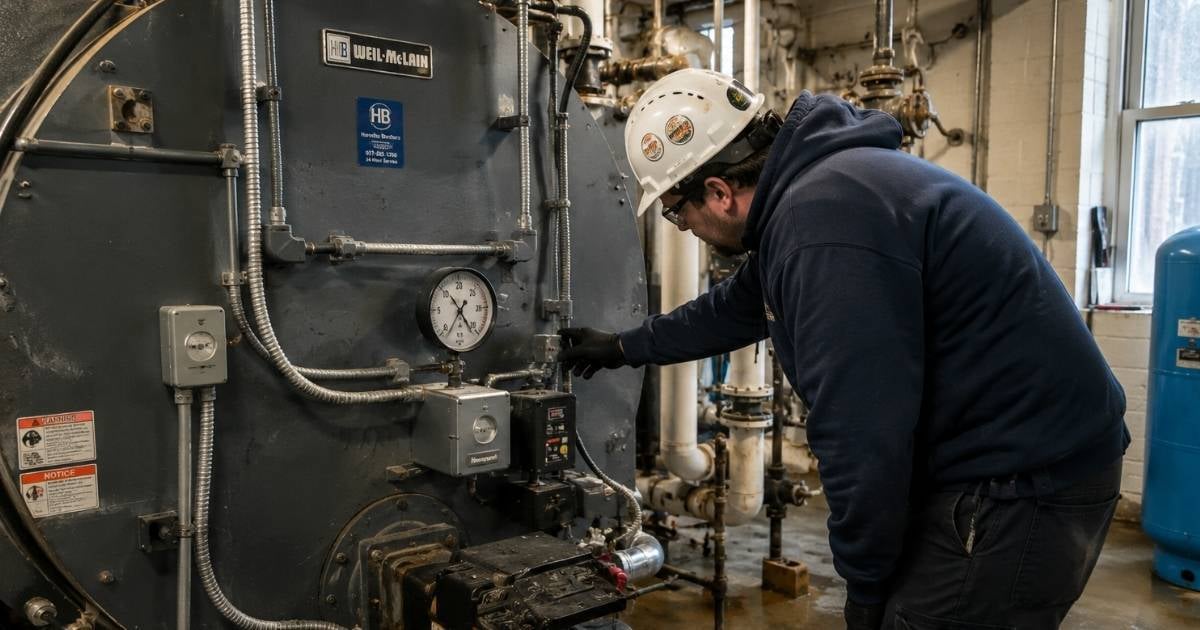
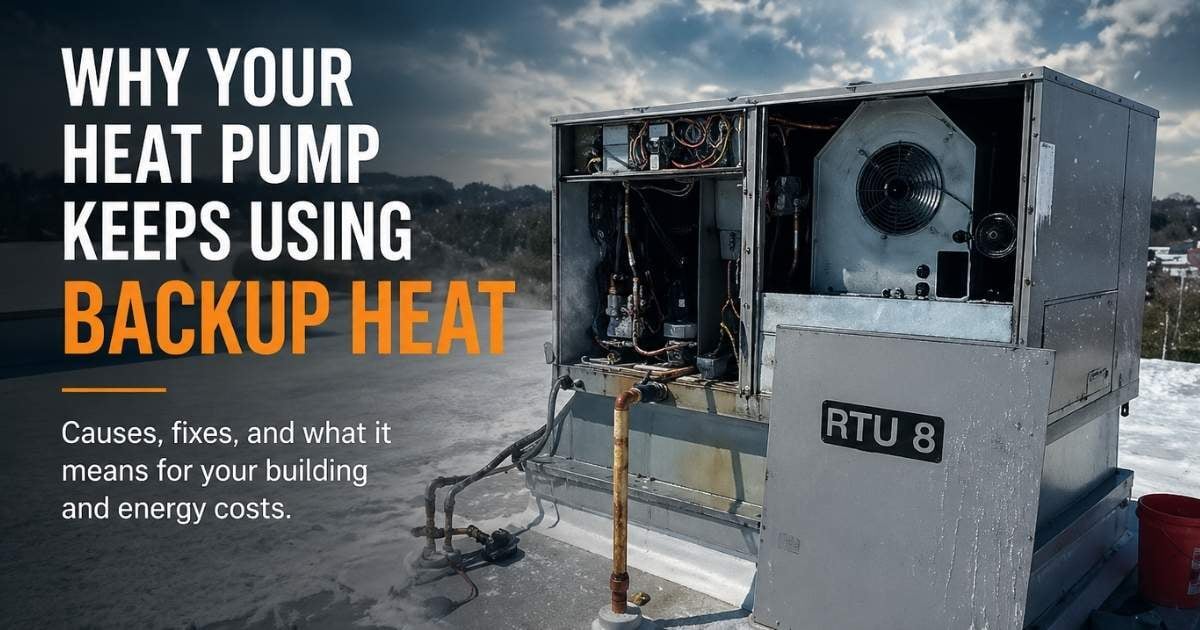
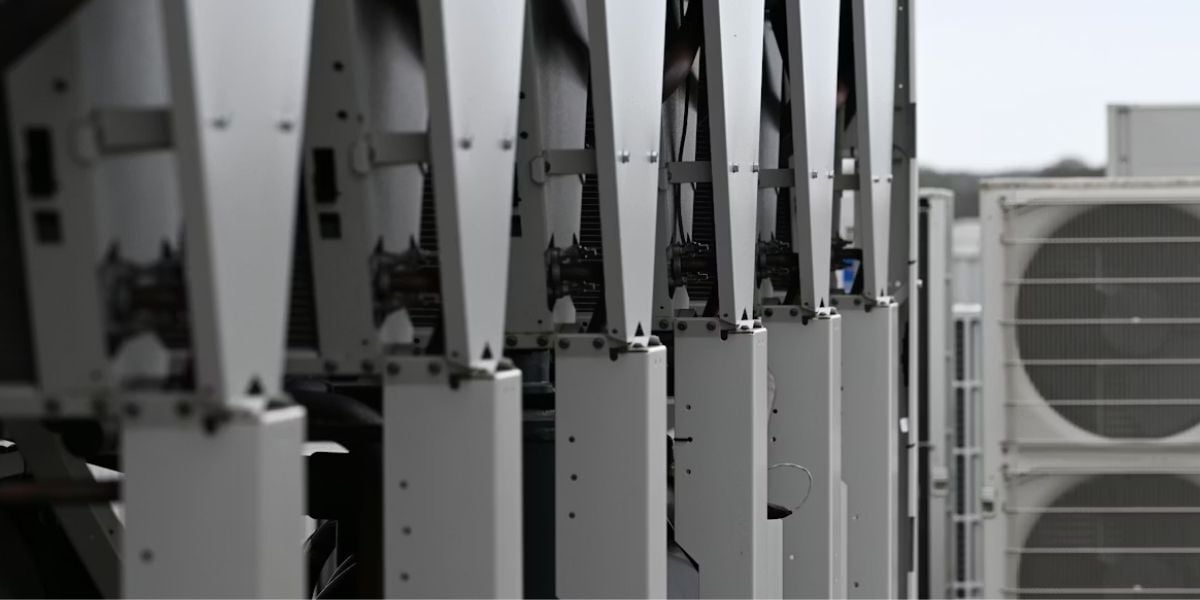
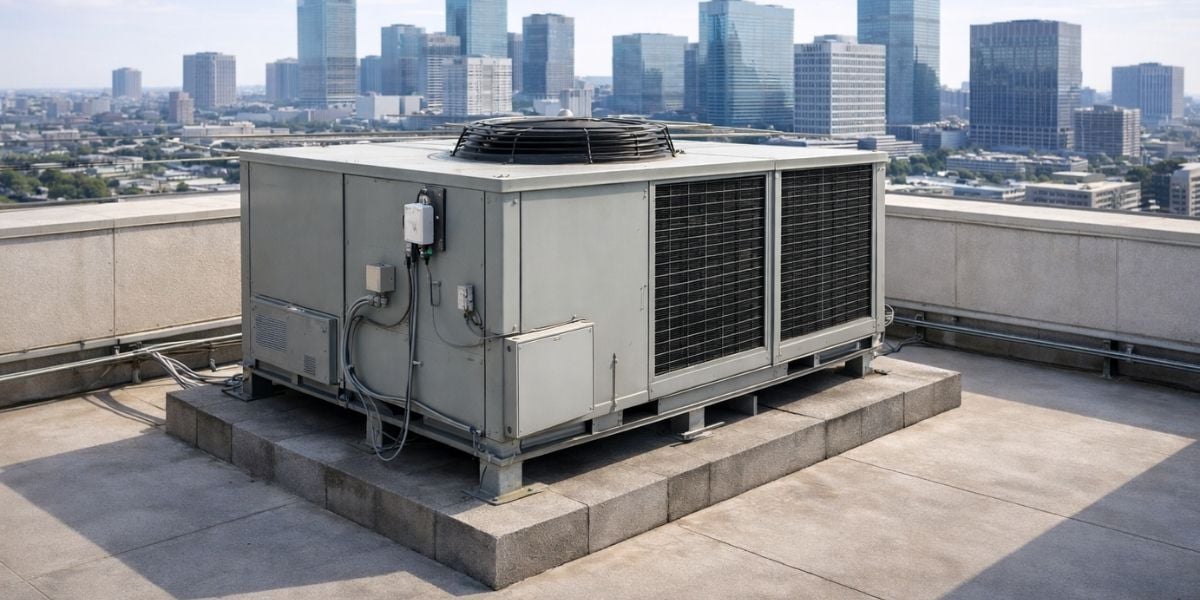
In commercial buildings, this is especially common with rooftop units (RTUs), large split systems, and multi-zone systems. Because these systems serve bigger spaces, the impact of short cycling is often more serious than in residential properties.
Oversized Equipment in Commercial Buildings
An oversized HVAC system is one of the leading causes of short cycling in commercial buildings.
It may seem smart to install a larger unit “just to be safe.” But when a system is too large for the building, it cools or heats the space too quickly. The thermostat is satisfied almost right away. The system shuts off before completing a proper cycle.
Soon after, the temperature shifts again, and the system turns back on. This constant starting and stopping is short cycling.
Oversizing often happens after renovations, tenant improvements, or layout changes. If walls are added, offices are reconfigured, or occupancy levels change, the original load calculation may no longer match the building’s needs.
Thermostat and Control Problems
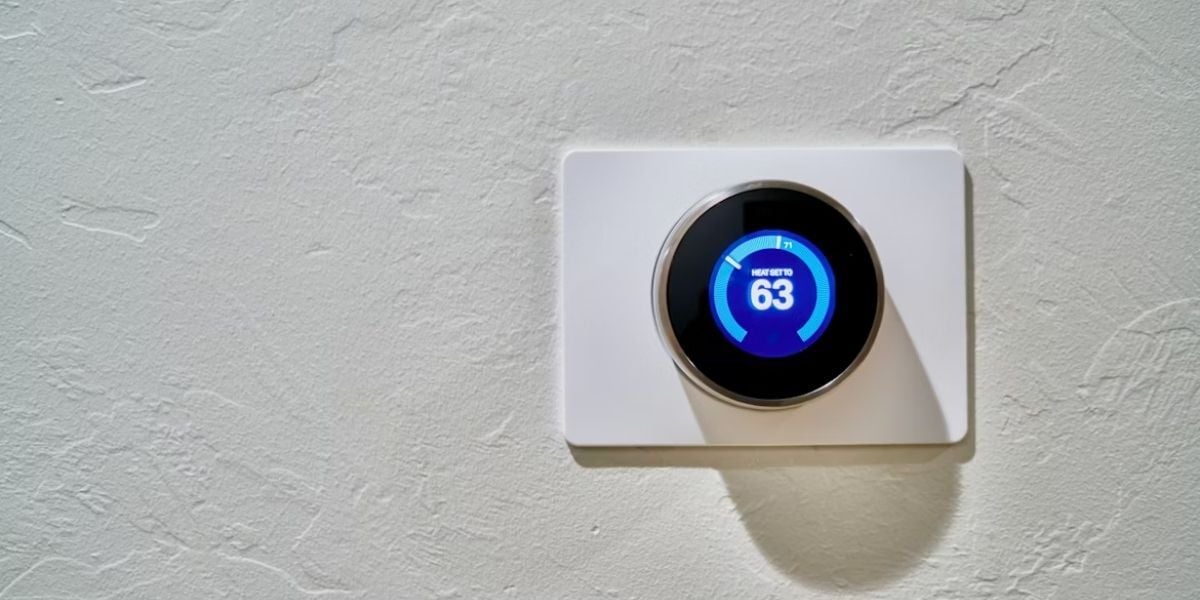
Poor thermostat placement or faulty controls can cause a commercial HVAC system to turn on and off constantly.
In large commercial spaces, thermostats must be carefully placed. If a thermostat is located near a supply vent, in direct sunlight, or close to heat-producing equipment, it may sense the wrong temperature.
For example, if warm air blows directly on the thermostat, it may think the building is too hot and shut the system off early. When the area cools down again, the system restarts.
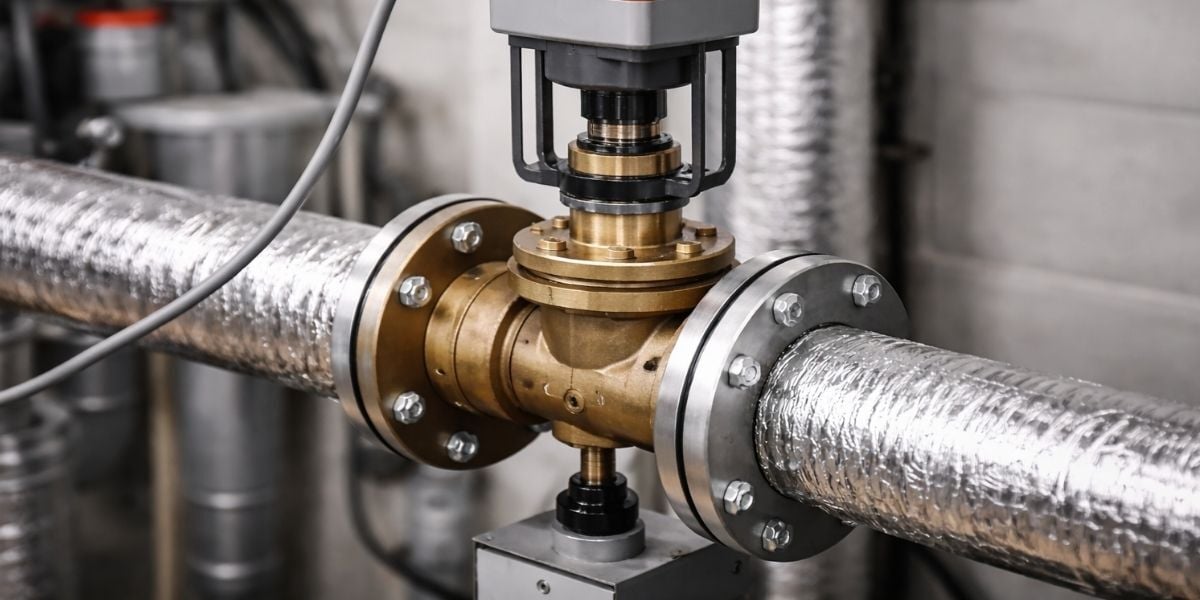
Commercial buildings also rely on building automation systems (BAS). If sensors are miscalibrated or communication between zones is off, short cycling can occur across multiple units.
Low Refrigerant Levels
%20(1).jpg?width=321&height=428&name=Untitled%20(768%20x%201024%20px)%20(1).jpg) Low refrigerant is another common cause of commercial AC short cycling.
Low refrigerant is another common cause of commercial AC short cycling.
Refrigerant is the substance that absorbs and releases heat inside your system. If the refrigerant level drops due to a leak, the system cannot properly remove heat from the building.
When this happens, the unit may overheat or struggle to maintain pressure. Safety controls may shut it down early to prevent damage. After a short break, it starts again. The cycle repeats.
In commercial rooftop units, refrigerant leaks are often caused by worn coils, vibration, or long-term wear and tear. Ignoring this issue can lead to compressor failure, which is one of the most expensive HVAC repairs.
Electrical or Mechanical Failures
Failing components can also cause HVAC short cycling in commercial buildings.
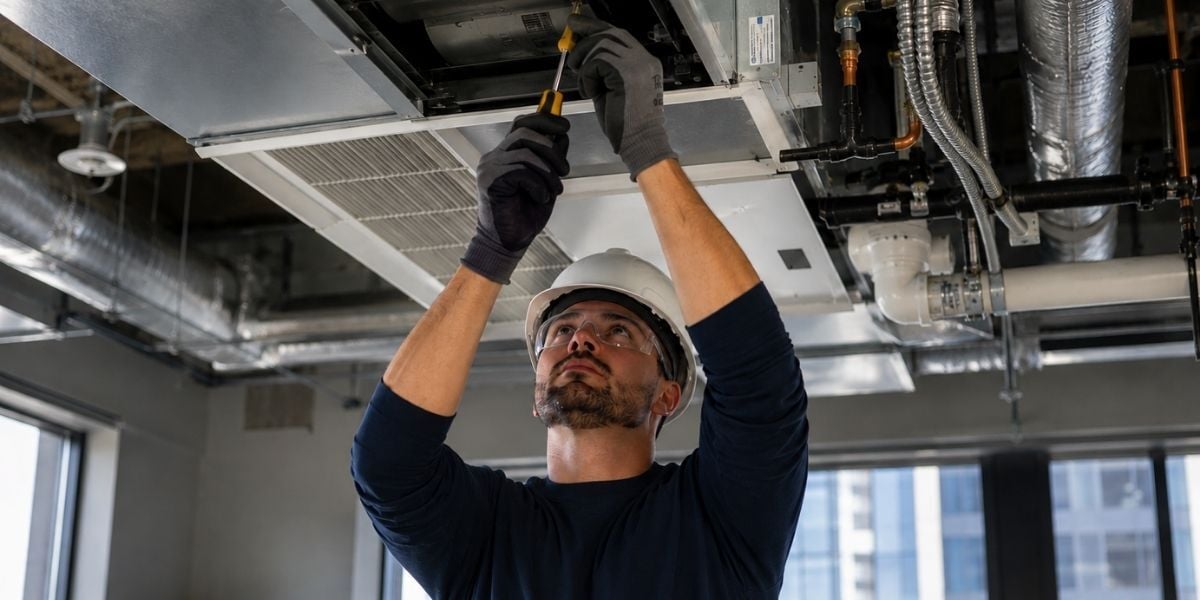
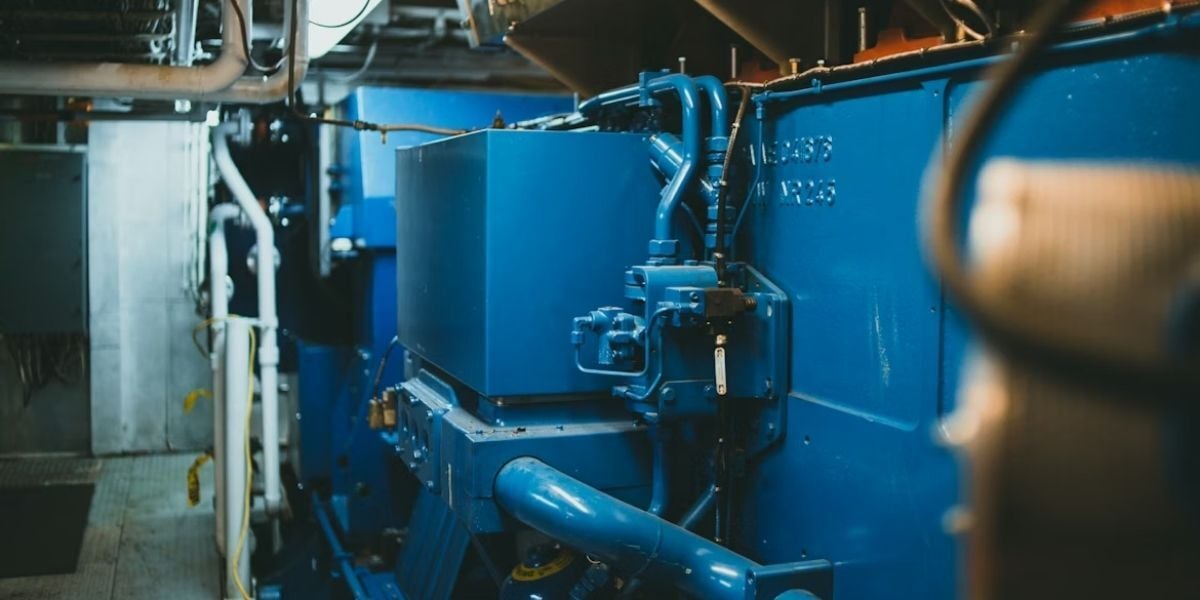
Contactors, capacitors, relays, and compressors all control when and how your system runs. If any of these parts begin to fail, the system may struggle to stay on.
For example, a weak capacitor may not provide enough power to keep the compressor running. The system starts, stalls, and shuts down. A few minutes later, it tries again.
Because commercial HVAC equipment is larger and more complex, electrical issues can impact multiple zones at once. That’s why a quick diagnosis is important.

Dirty Air Filters or Blocked Airflow
%20(2).jpg?width=344&height=459&name=Untitled%20(768%20x%201024%20px)%20(2).jpg) Restricted airflow can force a commercial HVAC system to short-cycle.
Restricted airflow can force a commercial HVAC system to short-cycle.
When air filters are dirty or ducts are blocked, air cannot move freely through the system. This causes the unit to overheat or build up pressure too quickly.
Many commercial systems have safety switches that shut the system off when temperatures or pressures get too high. Once the system cools down, it restarts. This creates a pattern of constant on-and-off operation.
Regular maintenance is especially important in commercial buildings because systems often run longer hours than residential units. A clogged filter in a building that operates 12 hours a day can create problems much faster.
Why Short Cycling Is a Serious Problem
Commercial HVAC short cycling increases energy costs, reduces comfort, and shortens equipment life.
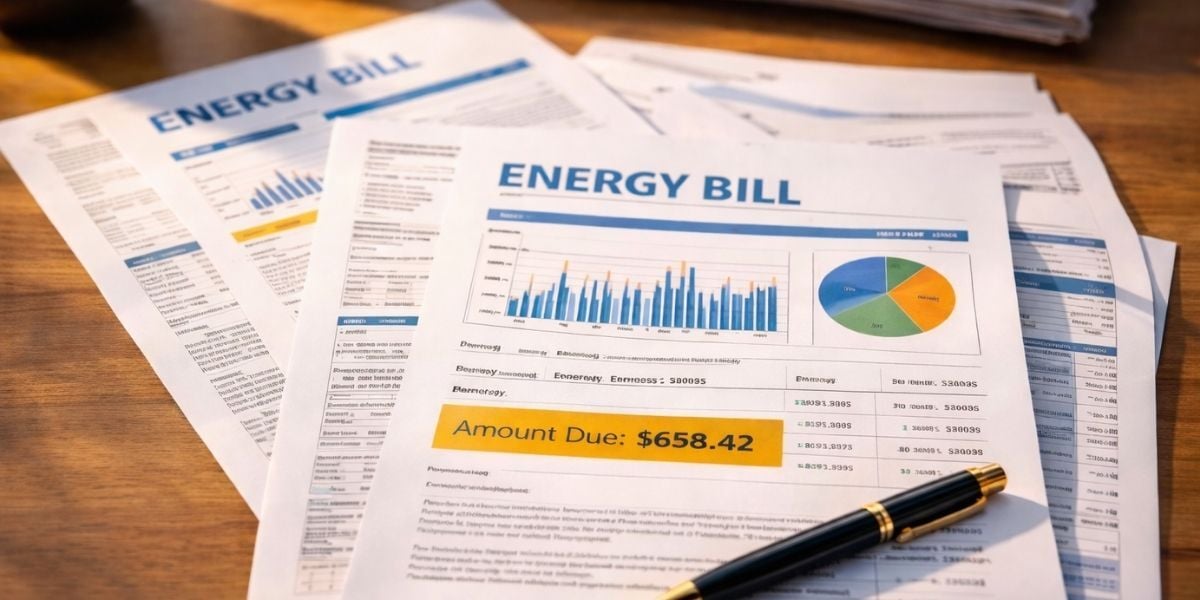
Every time your system starts up, it uses a surge of electricity. Frequent starts mean higher energy consumption. Over time, this drives up utility bills.
Short cycling also prevents proper humidity control. Even if the air feels cool, moisture may remain in the building. This can make offices feel uncomfortable and even affect indoor air quality.
Most importantly, constant starting and stopping puts stress on major components like the compressor. Replacing a commercial compressor or rooftop unit is expensive and disruptive to your operations.
How to Fix Commercial HVAC Short Cycling
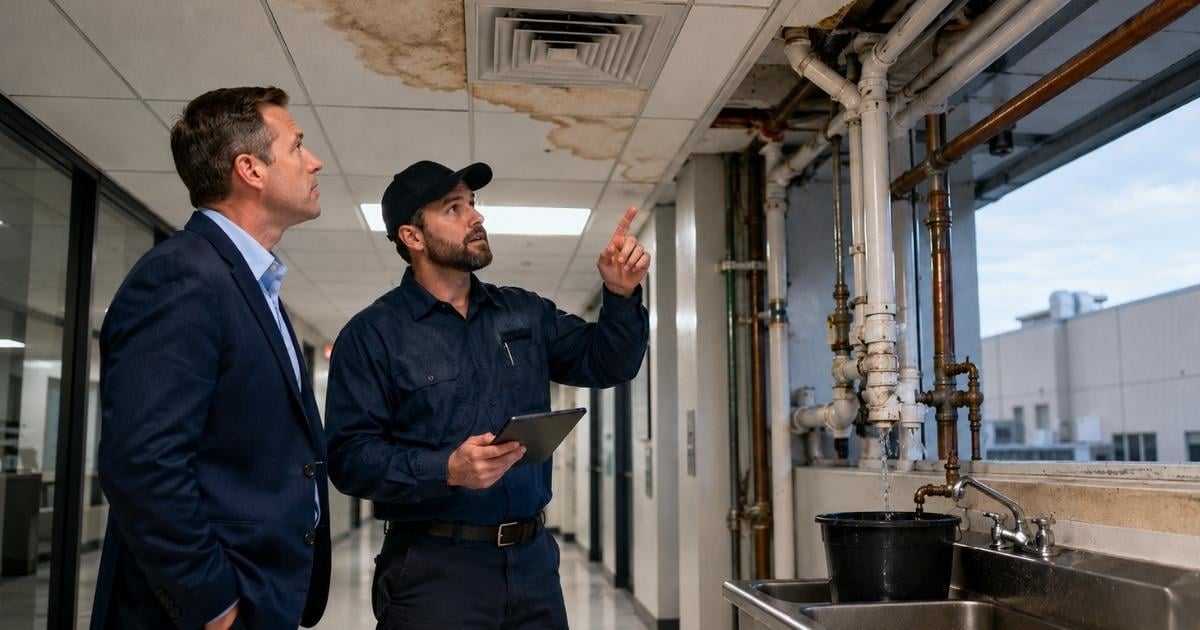
%20(4).jpg?width=362&height=483&name=Untitled%20(768%20x%201024%20px)%20(4).jpg) The first step is a professional inspection. A qualified commercial HVAC technician should check system sizing, refrigerant levels, airflow, and electrical components.
The first step is a professional inspection. A qualified commercial HVAC technician should check system sizing, refrigerant levels, airflow, and electrical components.
In some cases, the fix is simple, such as replacing filters or recalibrating a thermostat. In other cases, it may require repairing a refrigerant leak or correcting system sizing issues.
If your building has undergone renovations or tenant changes, a new load calculation may be needed to confirm that your current equipment is still the right size.
The key is acting early. The longer a system short-cycles, the more damage it can cause.
When Should You Be Concerned?
If your commercial HVAC system turns on and off every few minutes, runs loudly at startup, or fails to maintain steady temperatures, it’s time to investigate.
Short cycling rarely fixes itself. In fact, it usually gets worse over time.
Final Thoughts on Commercial HVAC Short Cycling
Short cycling is more than an annoyance. It wastes energy, reduces comfort, and shortens the life of expensive equipment. The sooner you diagnose the cause, the more money and downtime you can avoid.
If you suspect your building’s HVAC system is turning on and off constantly, your next step should be a professional system evaluation. A proper inspection can identify the root cause and protect your investment for years to come.
At Harold Brothers Mechanical, we help commercial property owners and facility managers solve complex HVAC problems every day. If your system is short-cycling, our team can inspect your equipment, identify the issue, and recommend the right solution so your building runs efficiently and reliably again.
Check out our article “Controls Upgrade Options: Standalone Controls vs BMS Integration” to better understand the key differences between two of today’s most widely used HVAC control systems, and which option may be the best fit for your facility.
Topics: