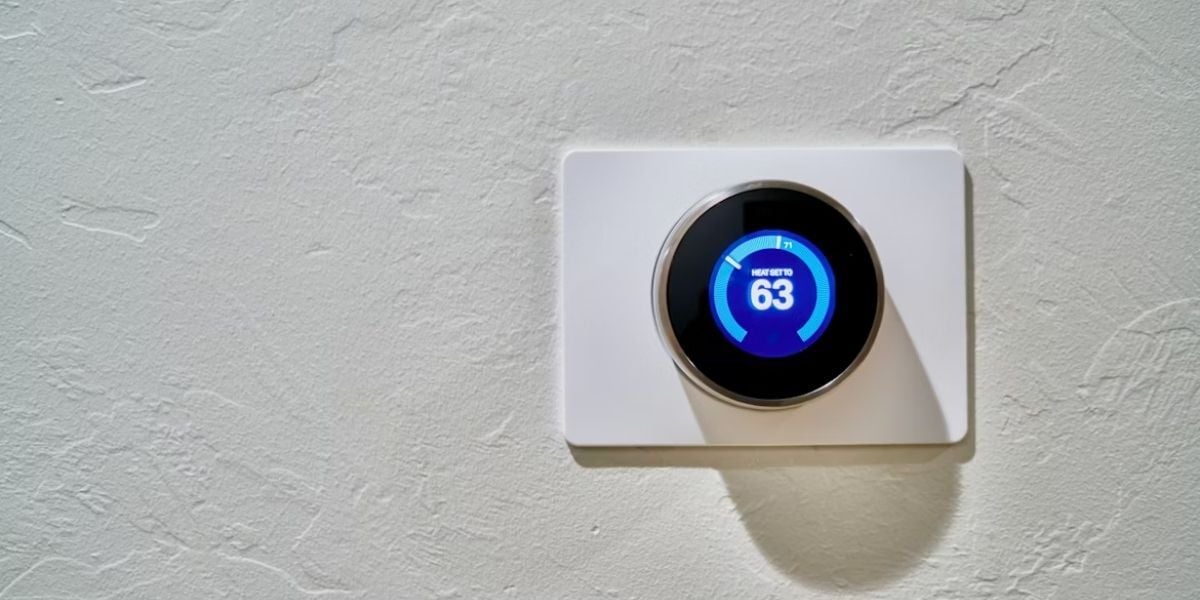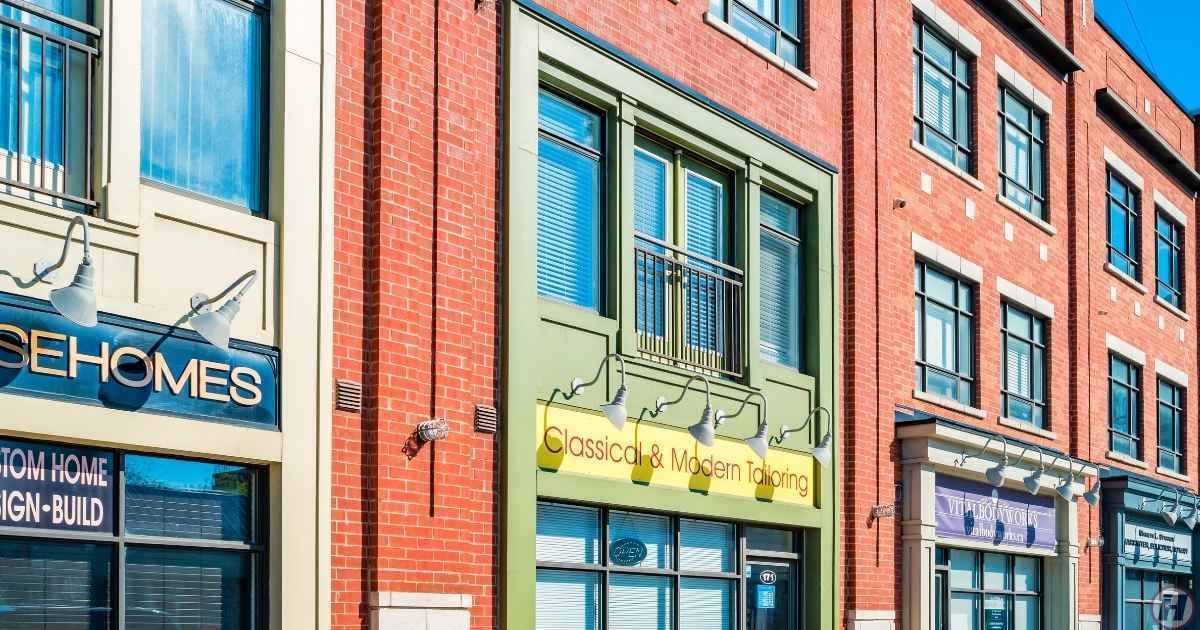


If your building feels just as comfortable as it did a few years ago, but your energy bills keep going up, you are not imagining things.
This is one of the most common and frustrating problems we hear from commercial building owners and facility managers. The temperature feels fine. Occupants are not complaining. The HVAC system still runs. Yet every year, the utility costs creep higher.
At Harold Brothers Mechanical Contractors, we’ve worked with hundreds of commercial buildings dealing with this exact issue. In nearly every case, the culprit isn’t a single failure; it’s a combination of small inefficiencies quietly stacking up over time.
Here are the seven most common reasons your HVAC system may be using more energy to deliver the same level of comfort. And what you can do to stop the energy creep before it becomes a budget problem.
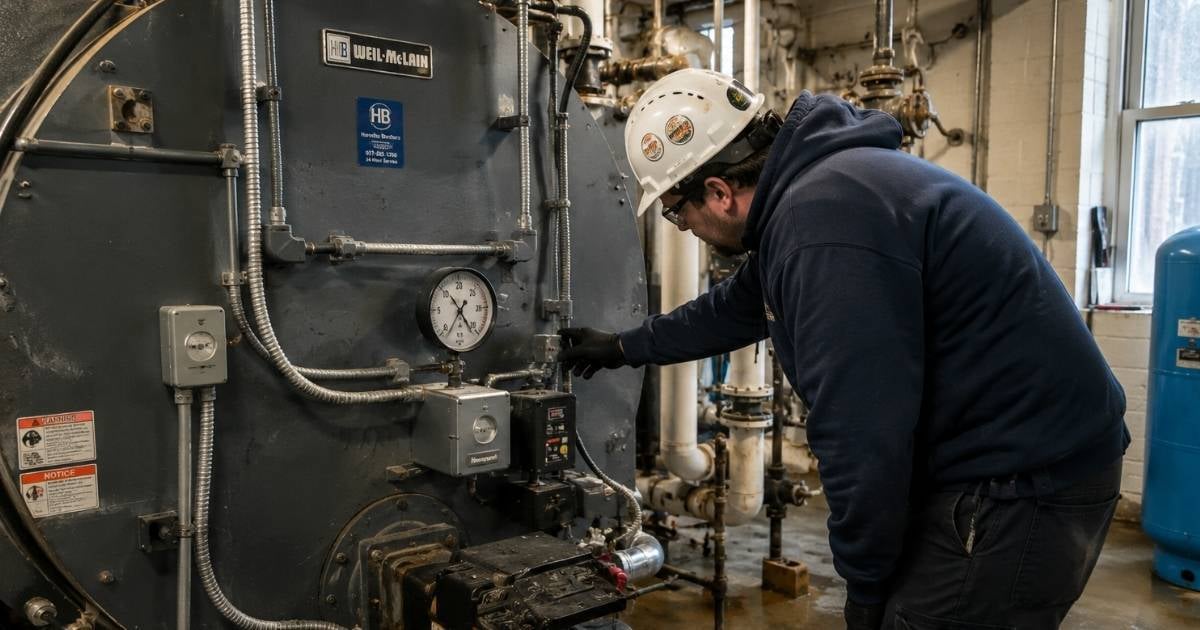
Problem #1: Your HVAC Equipment Is Aging (Even If It Still Works)
Most commercial HVAC equipment is designed to last 15 to 25 years. But efficiency does not stay the same for that entire life.
As systems age:
- Motors wear down
- Bearings add friction
- Heat exchangers lose performance
- Coils get dirty or slightly damaged
None of this causes a full failure right away. Instead, the system needs more energy to do the same job.
This is why an older system often shows rising energy use long before it stops working.
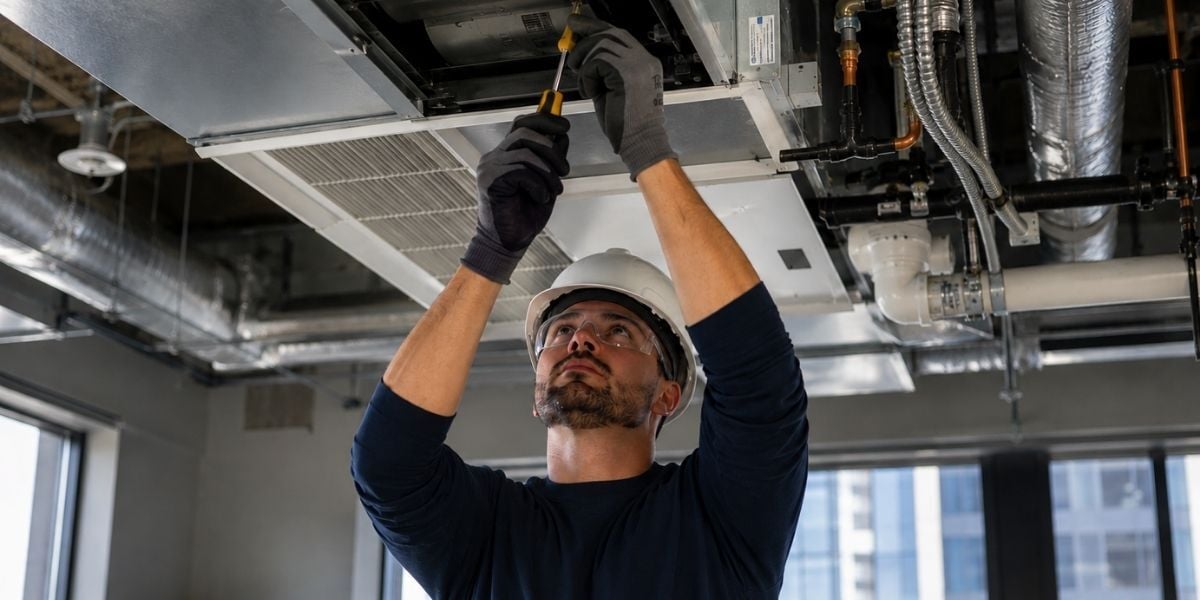
Problem #2: Dirty Coils and Filters Increase Energy Use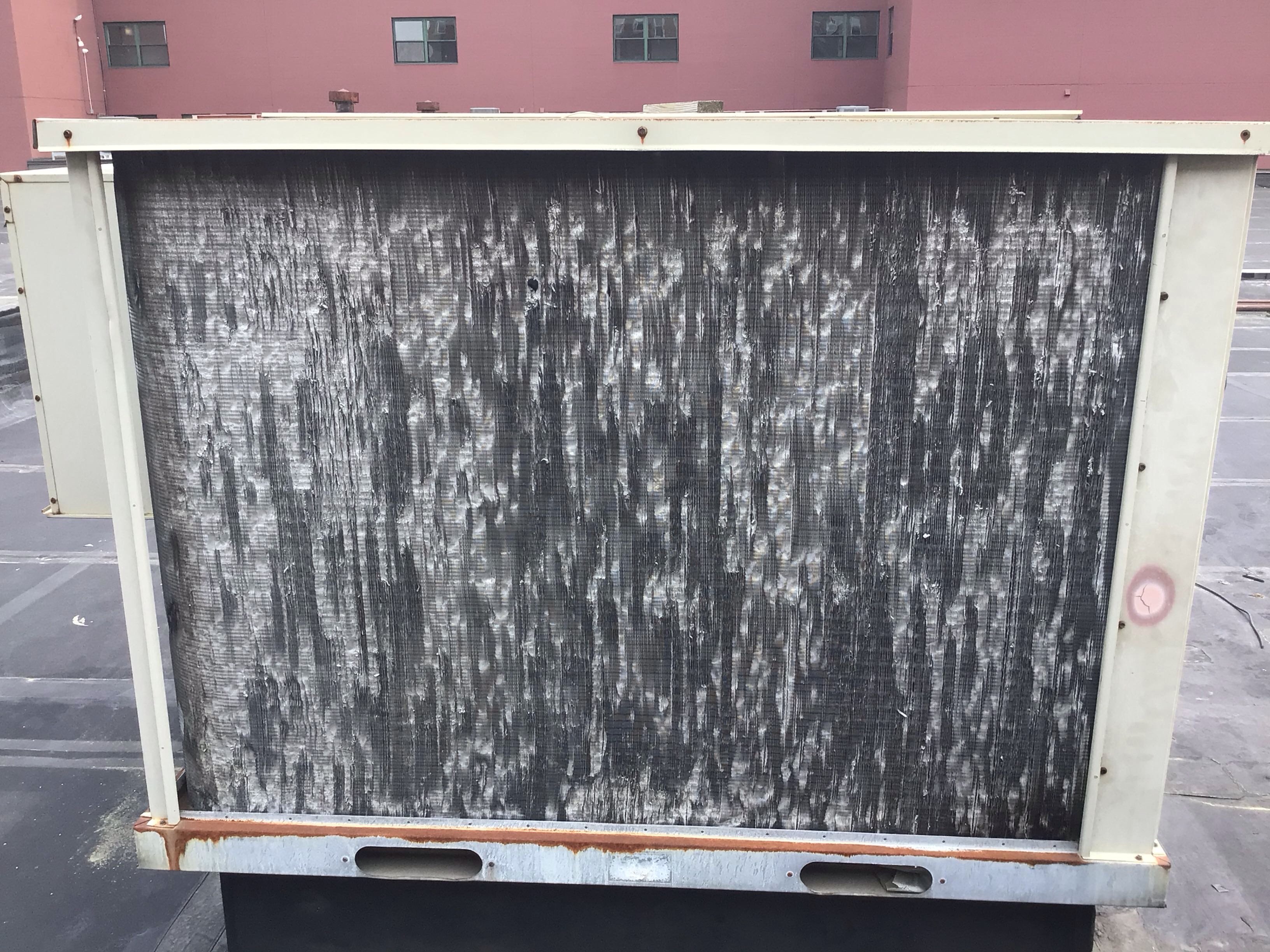
Air and water need clean surfaces to move heat properly.
When coils get dirty:
- Heat transfer drops
- Fans and pumps work longer
- Compressors run harder
The building still reaches the set temperature, but it takes more time and energy to get there.
This is one of the most common sources of hidden energy waste, especially in buildings without regular preventative maintenance.
Problem #3: Your Economizer Is Not Working the Way You Think

Economizers are designed to save energy by using outdoor air for cooling when conditions are right.
But when economizers fail or fall out of calibration, they often:
- Bring in too much outdoor air
- Bring in air when conditions are wrong
- Stay closed when free cooling is available
Any of these problems can increase energy use without changing comfort.
A broken economizer does not always trigger alarms. Many buildings operate for years with economizers stuck in the wrong position, quietly wasting energy.
Problem #4: Outdoor Air and Ventilation Are Out of Balance
Ventilation is required for indoor air quality, but it must be controlled carefully.
Too little outdoor air causes stuffy spaces.
Too much outdoor air causes energy waste.
If your system is bringing in more outdoor air than needed:
- Heating costs rise in winter
- Cooling and humidity control costs rise in summer
The space still feels comfortable, but the HVAC system is now conditioning more outside air than it should.
This is especially common in buildings where controls have been adjusted over time without a full system review.
Problem #5:Control Setpoints Slowly Drift Over Time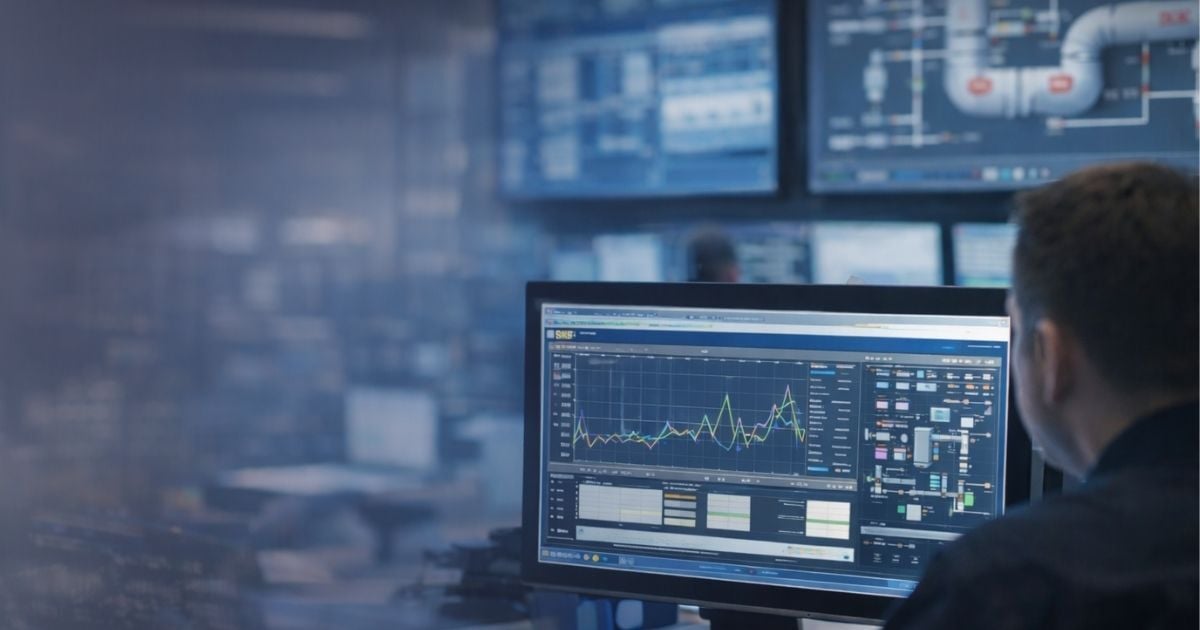
Most HVAC systems rely on sensors, schedules, and control logic. Over the years, small changes add up.
Common issues include:
- Sensors drifting out of calibration
- Schedules being overridden and never reset
- Setpoints tightened “just to be safe”
Each change seems harmless. Together, they increase run time and energy use.
The system still hits the desired temperature, but it works longer and harder to do it.
Problem #6: Simultaneous Heating and Cooling
This is one of the biggest energy drains in commercial buildings.
Simultaneous heating and cooling happens when:
- Air is cooled, then reheated
- Boilers and chillers run at the same time
- Zones fight each other due to control issues
Occupants feel comfortable, but energy is being wasted in both directions.
Many buildings experience this problem without realizing it because the temperature never feels “wrong.”
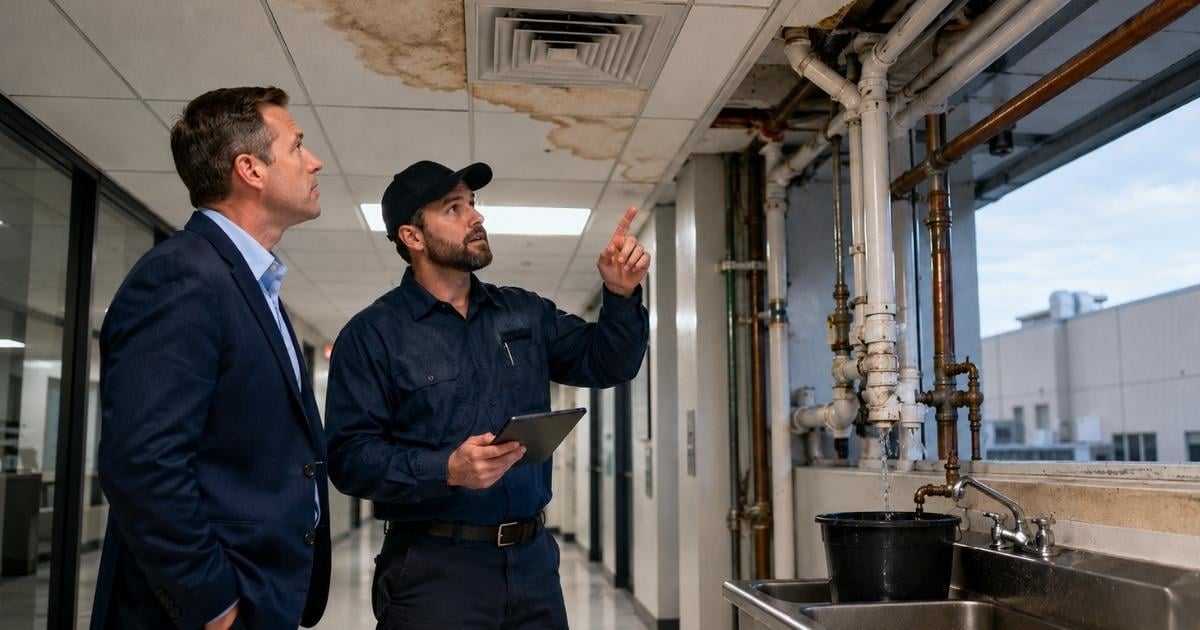
Problem #7: Deferred Maintenance Turns Small Issues Into Energy Loss
Skipping maintenance does not usually cause immediate failures. Instead, it causes slow efficiency loss.
Without regular preventative maintenance:
- Valves stick
- Dampers drift
- Pumps run off their design point
- Fans lose efficiency
Each issue increases energy use a little more each year.
By the time energy bills are clearly higher, multiple small problems are usually working together.
Why This Happens So Often in Commercial Buildings
Commercial HVAC systems are complex and are designed to be adjusted over time as buildings change. New tenants move in, spaces get repurposed, and operating hours shift.
Without regular system reviews, the HVAC system continues to adapt to these changes, but not always efficiently. The result is a building that still feels comfortable but costs more to operate every year.
How to Stop the Energy Creep
The solution is not always replacing equipment. In many cases, energy use can be reduced by correcting how the HVAC system operates.
This often means verifying economizer operation, checking outdoor air and ventilation rates, reviewing control setpoints and schedules, addressing deferred maintenance, and identifying simultaneous heating and cooling.
By focusing on how the system actually runs day to day, these steps improve efficiency without sacrificing comfort.
How Harold Brothers Helps Identify Hidden Energy Waste
At the end of the day, we’ve all encountered the frustration of rising energy bills even when comfort levels seem unchanged. This is especially true if your building hasn’t had a recent HVAC system review or preventative maintenance.
Now that you understand the hidden factors driving up energy costs, it’s time to take back control. Read our article on commercial HVAC energy reduction to discover actionable ways to reduce energy waste without replacing your entire system.
Harold Brothers Mechanical Contractors helps facility managers identify energy inefficiencies, extend equipment life, and reduce long-term utility costs through real-world, data-driven HVAC strategies.

Topics: