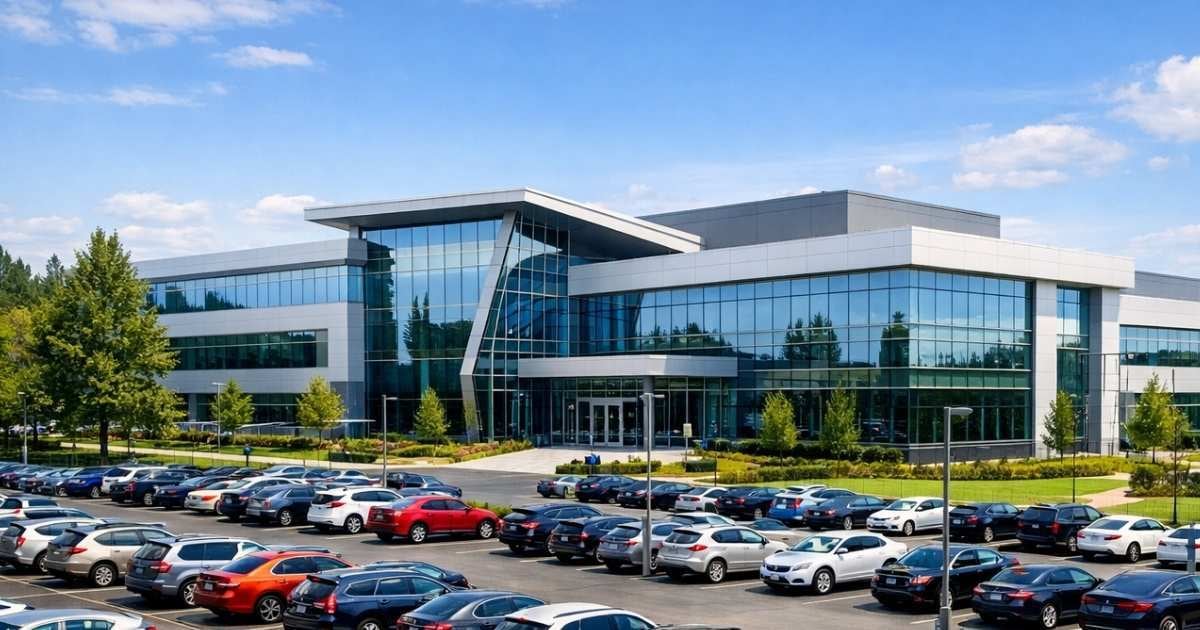

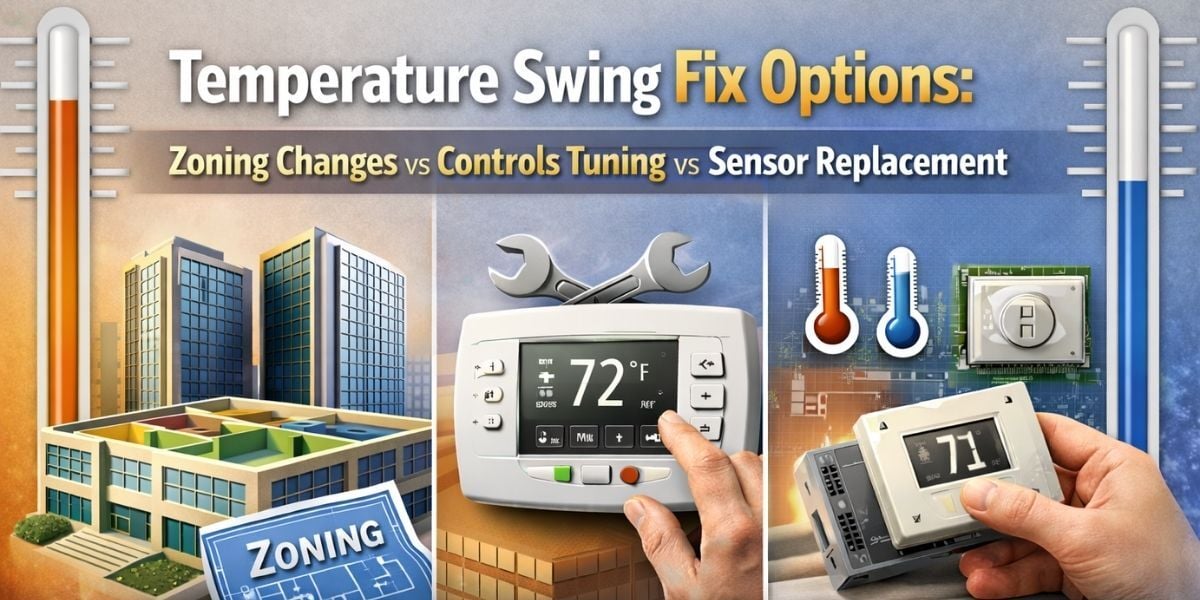
If your commercial building has rooms or zones that feel too hot while others feel too cold, you're likely dealing with temperature swings. This problem can lead to tenant complaints, decreased occupant comfort, increased energy costs, and unnecessary wear on your HVAC equipment. Luckily, there are three main ways to fix it: zoning changes, controls tuning, and sensor replacement.
At Harold Brothers Mechanical Contractors, we’ve helped property owners and building managers across the region solve issues just like this with proven commercial HVAC solutions tailored to each space. With years of experience in large-scale mechanical systems and building automation, we know how to identify the root cause of uneven temperatures and recommend the right fix.
In this article, you'll learn what each fix involves, how to know which one you need, and what to expect when making the change. By the end, you'll be able to make a smart choice to improve comfort throughout your facility.
What Are Temperature Swings and Why Do They Happen?
Temperature swings happen when the air in different areas of your building feels inconsistent, even though your building management system (BMS) or thermostat shows the desired setpoint. Maybe perimeter offices are overheating while interior spaces stay cold. Or perhaps a specific conference room is always uncomfortable, no matter what adjustments are made.
This usually happens because your HVAC system isn’t delivering the right amount of conditioned air to each zone. The root of the issue could lie in system design, outdated control sequences, malfunctioning zone sensors, or airflow imbalances caused by tenant build-outs or operational shifts.
Zoning Changes: Controlling Air Room by Room
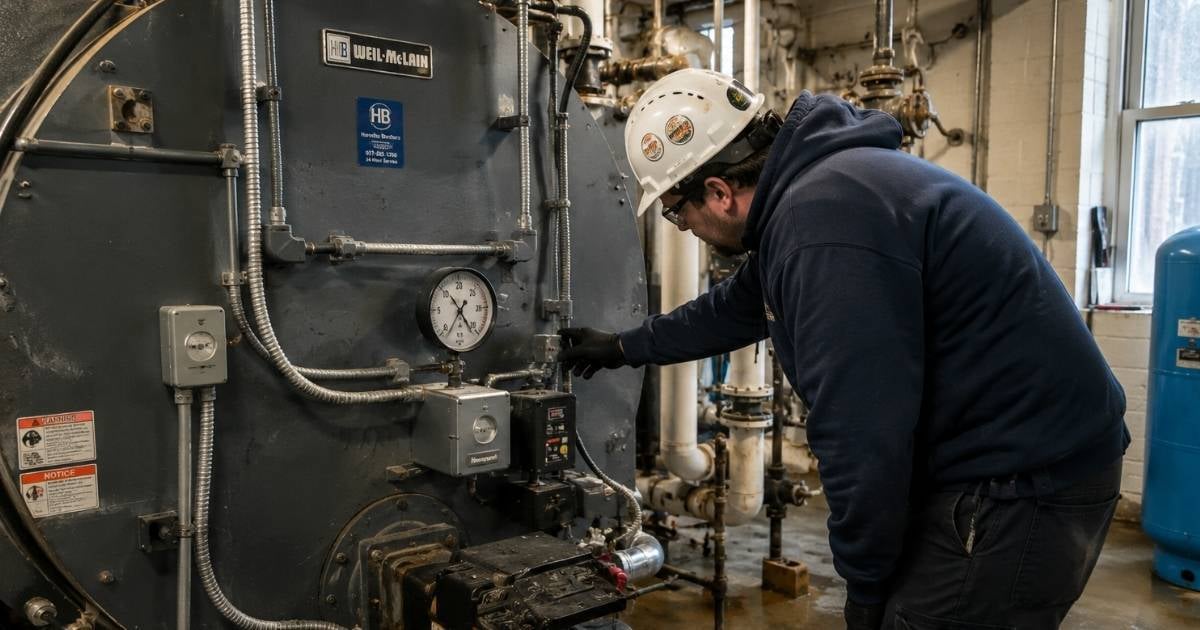
%20-%202026-02-11T111210.401.jpg?width=321&height=428&name=Untitled%20(768%20x%201024%20px)%20-%202026-02-11T111210.401.jpg) One of the most effective ways to deal with temperature swings in commercial buildings is by modifying or expanding HVAC zoning. This means dividing your facility into more accurate control “zones,” each with its own thermostat, controls, and in some cases, an independent air handling strategy. The system then delivers heating or cooling only to the areas that need it most.
One of the most effective ways to deal with temperature swings in commercial buildings is by modifying or expanding HVAC zoning. This means dividing your facility into more accurate control “zones,” each with its own thermostat, controls, and in some cases, an independent air handling strategy. The system then delivers heating or cooling only to the areas that need it most.
For example, if a tenant suite on the south-facing side of your building receives more solar heat gain than the north side, it will naturally require more cooling during the day. A zoning system allows that space to be managed independently, avoiding discomfort and reducing complaints.
Zoning changes work especially well for multi-tenant buildings, office buildings, schools, and any commercial property where occupancy varies across different areas throughout the day. While installing or reconfiguring zones may involve programming changes or minor ductwork adjustments, it can bring long-term gains in comfort, tenant satisfaction, and operational efficiency.
Controls Tuning: Adjusting How Your System Thinks
Sometimes your commercial HVAC system is operating mechanically as expected, but it’s not behaving the way it should. That’s where control tuning comes in.
Controls tuning means reviewing and adjusting how the BMS is programmed to respond to real-time conditions. This may include changes to when systems turn on and off, how fan speeds ramp, or how long the system runs to meet load demand. Think of it as refining the “rules” your system follows to react more intelligently to your building’s needs.
This fix is ideal for buildings with relatively modern HVAC systems where the comfort issues stem from outdated setpoints, overlapping schedules, or override-heavy operations. Often, the system has been tweaked too many times by too many hands, and it no longer reflects current building usage.
Controls tuning doesn’t usually require equipment upgrades and can often be performed quickly by a qualified technician familiar with your BMS platform. It works best when the system’s sensors are accurate; if they’re not, the system may still make poor decisions even after tuning.
Sensor Replacement: A Simple Fix That Makes a Big Difference
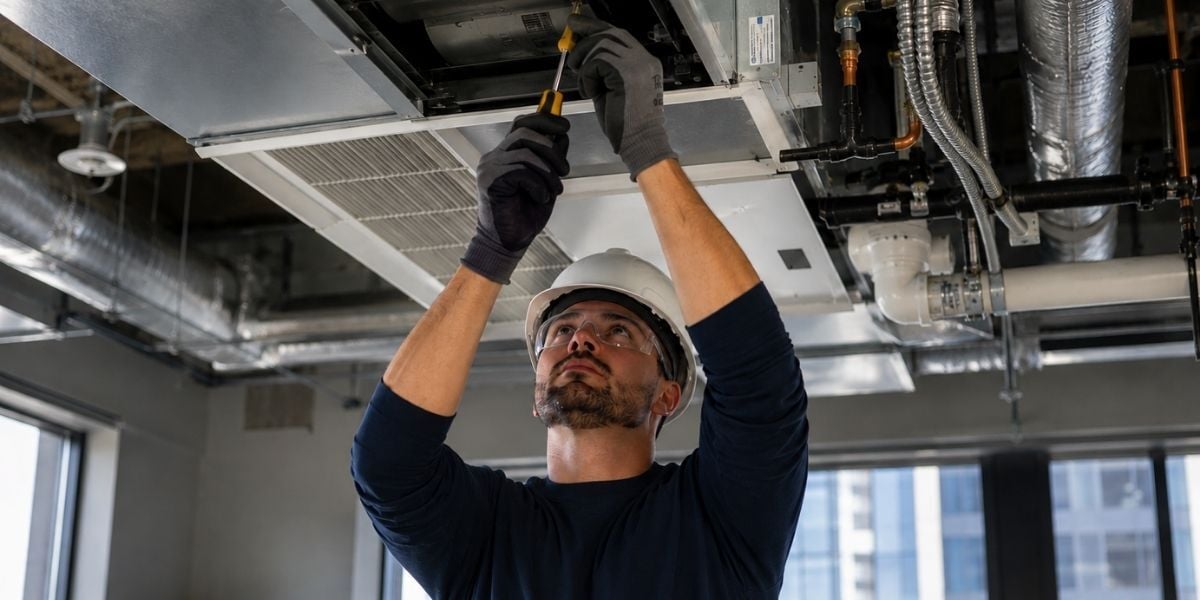
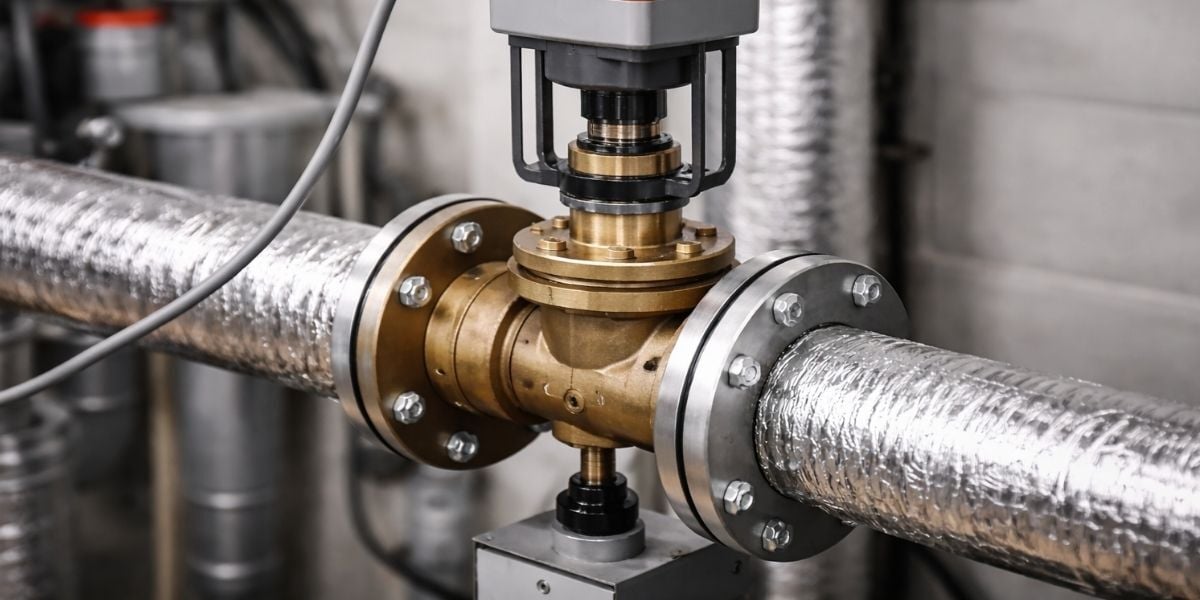
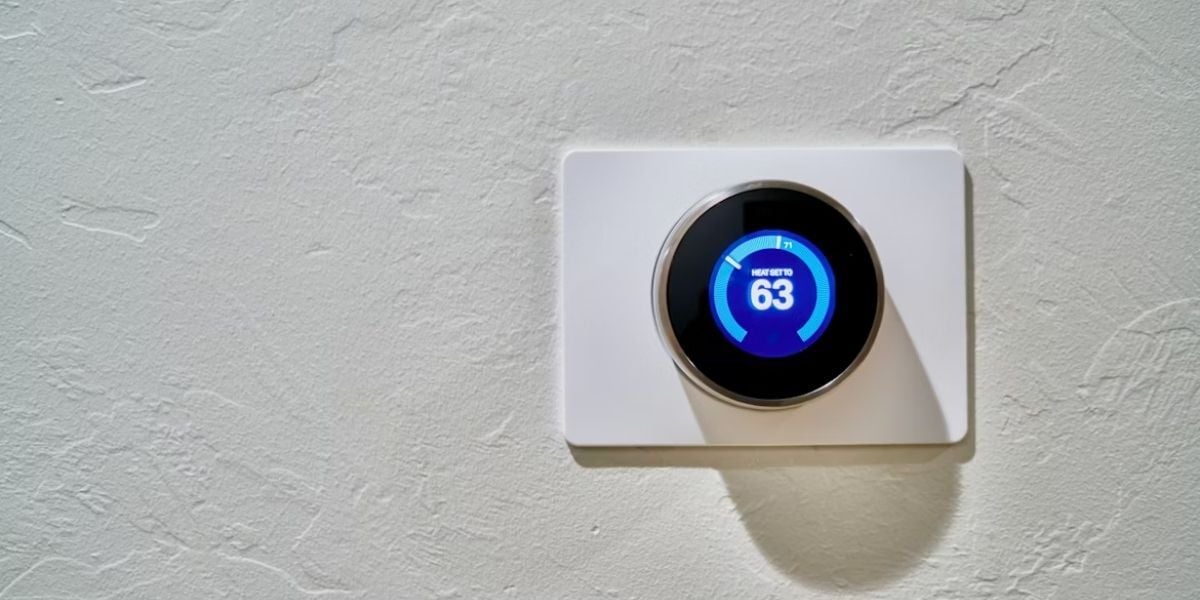
%20-%202026-02-11T113804.709.jpg?width=338&height=450&name=Untitled%20(768%20x%201024%20px)%20-%202026-02-11T113804.709.jpg) A temperature sensor is a small but critical part of your HVAC control system. It tells the BMS what the current room or zone temperature is, so the system knows whether to heat, cool, or hold steady. If the sensor is dirty, old, damaged, or placed in a bad location (like near a vent or in direct sunlight), it can send the wrong signal. That causes the system to run at the wrong times, or not at all.
A temperature sensor is a small but critical part of your HVAC control system. It tells the BMS what the current room or zone temperature is, so the system knows whether to heat, cool, or hold steady. If the sensor is dirty, old, damaged, or placed in a bad location (like near a vent or in direct sunlight), it can send the wrong signal. That causes the system to run at the wrong times, or not at all.
Replacing faulty sensors is a fast, inexpensive way to resolve persistent comfort complaints, especially when the thermostat or BAS shows everything is “fine” but the room clearly isn’t.
Sensor replacement is often the right solution when the rest of the system seems to be operating normally, but specific areas remain uncomfortable. While it won’t fix zoning or airflow design issues, it can significantly improve system performance when bad data is the root cause.
Comparing Zoning, Controls Tuning, and Sensor Replacement
All three options can help fix temperature swings in commercial buildings, but they solve different kinds of problems.
If different areas of your building experience uneven heating or cooling due to layout, orientation, or tenant use, zoning changes give you better control over each space. This is typically the most complete and lasting solution, but it may require more planning and budget.
If your HVAC system runs too often, not enough, or not in sync with occupancy patterns, control tuning allows the system to respond more efficiently, without needing major hardware upgrades.
And if a space feels off even though the BMS says the temperature is right, sensor replacement may be the simplest and most cost-effective fix to start with.
In some cases, you may need to combine these strategies. For example, a sensor fix may improve accuracy, but zoning adjustments may still be needed for full comfort restoration across the building.

Common Questions About Fixing Temperature Swings
%20-%202026-02-11T120702.778.jpg?width=375&height=500&name=Untitled%20(768%20x%201024%20px)%20-%202026-02-11T120702.778.jpg) What’s the easiest fix for temperature swings in a commercial building?
What’s the easiest fix for temperature swings in a commercial building?
Sensor replacement is the fastest and most affordable solution, especially when inaccurate readings are causing poor system response.
Can zoning reduce operating costs?
Yes. Zoning allows the system to condition only the spaces that need it. This reduces energy waste and minimizes equipment wear, especially in large or variable-occupancy buildings.
How do I know if my BMS controls need tuning?
If your system is short-cycling, failing to maintain temperature during peak times, or generating frequent overrides, it’s a strong sign that tuning is needed.
What does a zoning project cost?
Costs vary depending on how many new zones you need and whether mechanical changes are required. A simple reprogramming project may run in the low thousands, while more extensive mechanical zoning updates can range higher.
Can my in-house team perform any of these fixes?
Your facilities staff may be able to replace sensors if trained, but zoning reconfigurations and controls tuning should be performed by a qualified commercial HVAC or BMS specialist.
Choosing the Right Fix for Your Building
Now that you understand the three main options, how do you know which one is right for your commercial facility?
Start by identifying when and where the temperature problems occur. If just one suite or room feels off, try replacing or calibrating the sensor. If complaints shift throughout the day or seem related to scheduling, controls tuning could be the answer. If whole floors or wings are consistently uncomfortable, zoning is likely the best long-term fix.
It's also smart to have a trusted HVAC contractor or controls specialist evaluate your system. They can help you determine the root cause and recommend the best course of action based on your layout, building use, and budget.
Solve Temperature Swings for Good
If you’ve been dealing with temperature swings in your commercial building, you’re not alone. This is a common problem, especially in multi-tenant offices, older buildings, or facilities with changing occupancy and usage patterns.
At Harold Brothers, we specialize in diagnosing and solving commercial HVAC challenges like this every day. Our team takes pride in providing clear answers, practical solutions, and long-term comfort for the buildings we serve.
Your next step is to read our article, “How to Calibrate HVAC Sensors So Controls Stop ‘Lying’ to the System,” and learn how to keep inaccurate sensor readings from throwing off your entire HVAC performance.
Topics: