

If you manage a commercial building, you’ve probably noticed a pattern.
The weather changes, and suddenly, people start complaining.
One person says it’s too hot. Another says it’s too cold. Someone else says their space never feels right. At the same time, your HVAC system seems to be running nonstop.
This can be frustrating, especially when everything seemed fine just days before.
At Harold Brothers Mechanical, we hear this concern all the time. The truth is, weather changes can throw your entire building off balance.
In this article, you’ll learn why comfort complaints increase when the weather shifts and what you can do to reduce them.
What Happens to Your Building When the Weather Changes?
Commercial buildings do not adjust quickly to temperature changes. Since they are large, they hold heat or cold within their walls, floors, and equipment. This creates a natural delay between what is happening outside and what people feel inside.
When the weather shifts, your building can still feel like the previous day. While outdoor conditions may have already changed, parts of your building are still catching up. This creates a mismatch between the actual conditions and how the space feels.
Because of this delay, your HVAC system is no longer simply maintaining a steady temperature, it is trying to catch up. It may run longer than usual and still struggle to keep temperatures consistent throughout the space.
Even when your system is working properly, rapid weather changes can make it seem like something is wrong. In reality, it is often just working harder than normal to overcome the gap between your building’s internal conditions and the outside environment.
Do Different Areas of Your Building React at Different Speeds?
%20(30).jpg?width=254&height=338&name=Untitled%20(768%20x%201024%20px)%20(30).jpg) Not every part of your building changes temperature at the same rate.
Not every part of your building changes temperature at the same rate.
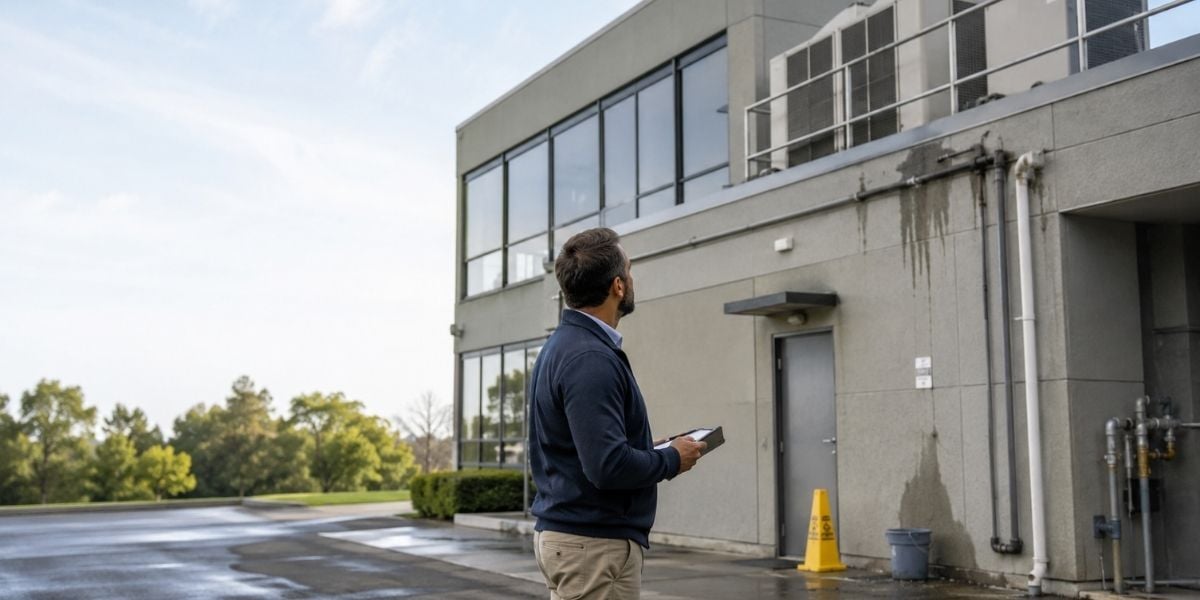
Spaces with sunlight, like offices with large windows, tend to heat up faster. Interior areas may stay cooler longer. Upper floors often become warmer than lower ones, people in different areas will have very different experiences at the same time.
This is one of the biggest reasons complaints increase. The system may be working, but it cannot make every space feel the same instantly.
Is Your System in the Wrong Mode?
During seasonal transitions, your HVAC system may not switch between heating and cooling at the right time.
For example, a cool morning might require heat, but a warm afternoon may need cooling. If your system is still set to heating, the building can quickly become too warm.
In commercial buildings, this issue can be more complex because different zones may require different settings simultaneously.
When the system is not aligned with the building’s needs, comfort problems show up fast.
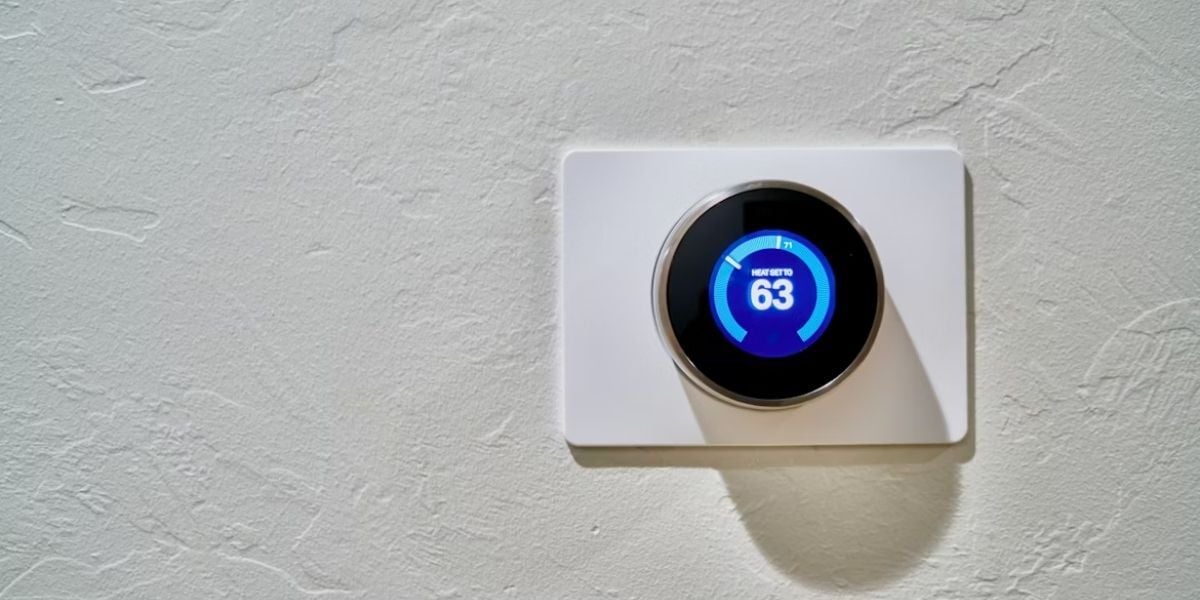
Sensors and Thermostats Can Send Mixed Signals
%20(31).jpg?width=262&height=349&name=Untitled%20(768%20x%201024%20px)%20(31).jpg) Commercial HVAC systems rely on multiple sensors to control temperature.
Commercial HVAC systems rely on multiple sensors to control temperature.
If these sensors are not placed correctly, they may give inaccurate readings. A thermostat near a sunny window may think the space is warmer than it really is. Another sensor near a draft may think it is colder.
When your system reacts to this bad information, it can overheat or overcool certain areas.
This leads to constant adjustments, uneven temperatures, and more complaints.
Are Airflow Issues Becoming More Noticeable?
Airflow problems are always present to some degree, but they become much more noticeable when the weather changes.
When your system is working harder, it depends on proper airflow to deliver comfort throughout the building.
If airflow is uneven, some areas will get too much air while others get too little.
This can make certain spaces feel comfortable while others feel completely off.

Your Building May Be Letting Outside Air In
Weather changes often bring wind and pressure differences.
If your building has gaps around doors, windows, or other openings, outside air can enter easily.
This is called air infiltration, often caused by weaknesses in the building envelope, and can significantly affect indoor comfort.
When this happens, your HVAC system has to work harder to maintain indoor conditions. At the same time, temperatures inside can become inconsistent.
In busy commercial buildings with frequent door use, this effect becomes even stronger.
Internal Heat Can Shift Quickly
%20(32).jpg?width=281&height=375&name=Untitled%20(768%20x%201024%20px)%20(32).jpg) Commercial buildings generate heat from many sources.
Commercial buildings generate heat from many sources.
People, lighting, computers, and equipment all add to the temperature inside.
When occupancy changes or equipment use increases, heat levels can rise quickly.
During a weather shift, this extra heat can push your system even further out of balance.
That is why some areas suddenly feel too warm, even when the system is running.
Small Problems Become Big During Weather Changes
Minor HVAC issues may not be noticeable during mild weather.
But when conditions change, your system is pushed harder. This is when small problems start to show.
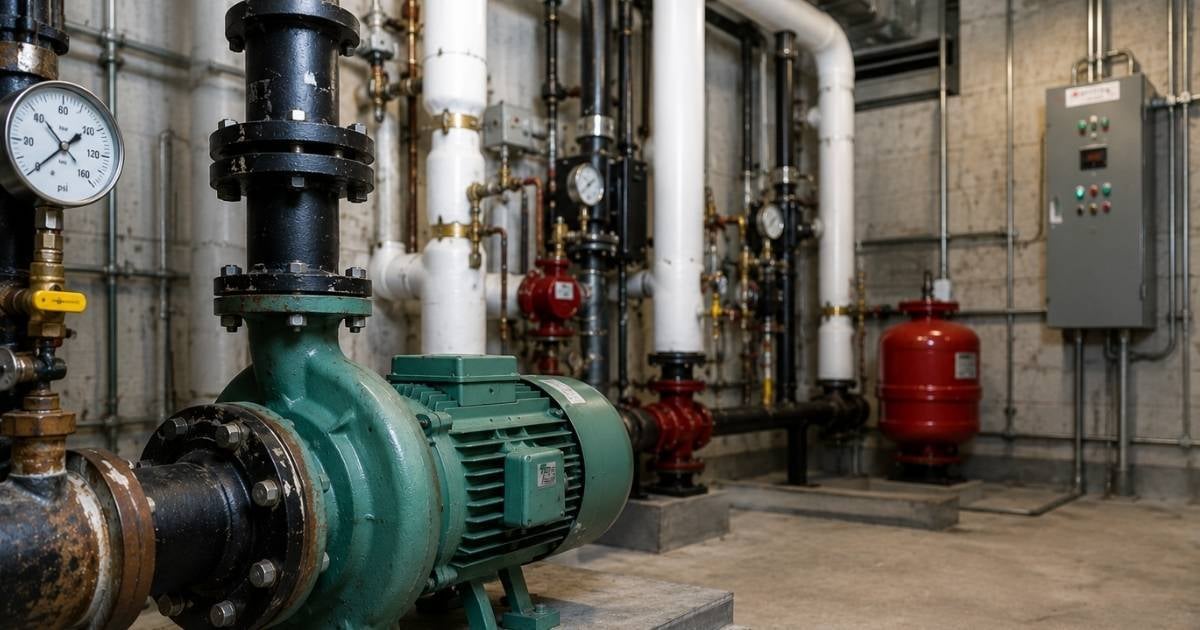
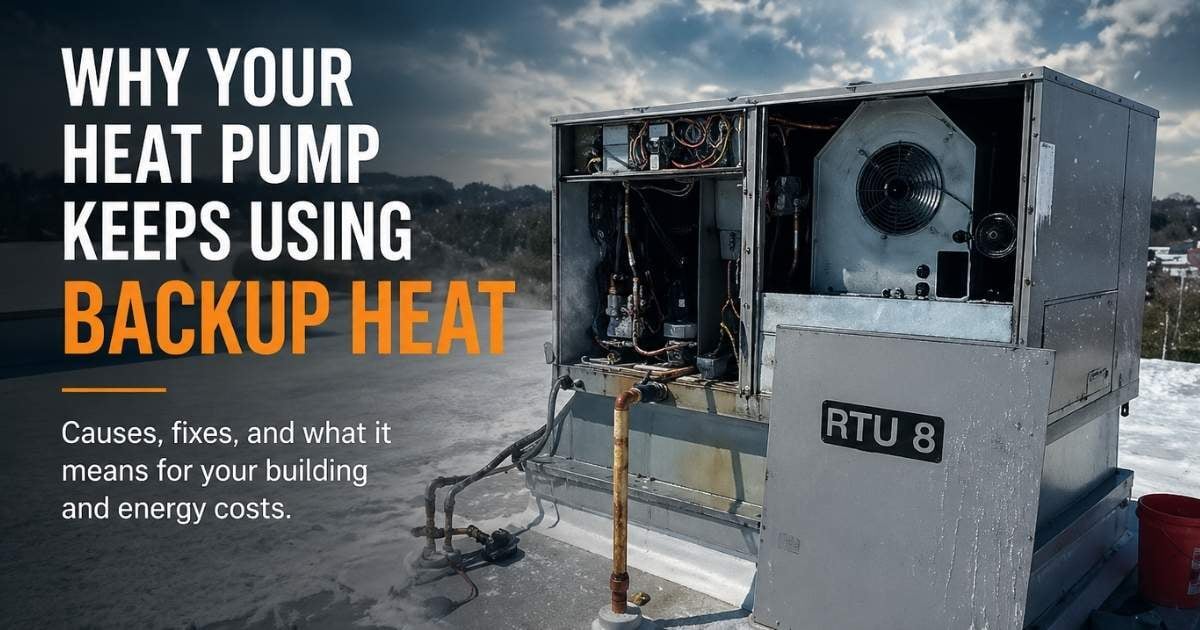
Dirty components, worn parts, or low efficiency can all make it harder for your system to keep up.
As a result, the system runs longer but delivers less comfort.
Why Do Comfort Complaints Spike During Weather Changes? (And How to Reduce Them)
%20(33).jpg?width=294&height=392&name=Untitled%20(768%20x%201024%20px)%20(33).jpg) When the weather changes, multiple things happen at once inside your building. The structure itself lags behind outdoor temperatures, your HVAC system works harder to adjust, and different areas respond at different speeds. Sensors, airflow, and outside air all play a role in how conditions shift.
When the weather changes, multiple things happen at once inside your building. The structure itself lags behind outdoor temperatures, your HVAC system works harder to adjust, and different areas respond at different speeds. Sensors, airflow, and outside air all play a role in how conditions shift.
Together, these factors create uneven comfort throughout the building. Even if each issue seems small on its own, the combined effect can be significant. That is why complaints often appear all at once rather than gradually.
Reducing these comfort issues starts with understanding what is happening behind the scenes. Simple steps can make a meaningful difference. Ensuring your system is set to the correct mode for the season is a strong first step, along with checking that thermostats and sensors are working properly.
Airflow should be balanced so each area receives the right amount of conditioned air, and filters should be replaced regularly to keep air moving freely. It is also important to limit unnecessary outside air by sealing gaps and maintaining doors and windows.
Most importantly, regular maintenance helps your system run efficiently and better handle rapid weather changes, reducing the likelihood of sudden comfort complaints.
What to Do Next
Weather changes will always affect your building, but they should not cause constant frustration.
Now that you understand why comfort complaints spike, you can start addressing the root causes instead of just reacting to the symptoms. Start with simple checks like filters and system settings. If issues continue, a professional evaluation can help identify deeper problems and recommend the right solution.
At Harold Brothers Mechanical, we help business owners and facility managers solve comfort issues like these every day. The goal is always the same: a building that feels comfortable and runs efficiently.
Your next step is to read our article “Temperature Swing Fix: Zoning vs Controls vs Sensors” so you can better understand which system is most beneficial for your commercial building.
Topics: