
If you own or manage a commercial building, you may already be dealing with HVAC issues that seem to come out of nowhere, unexpected breakdowns, rising energy costs, or tenant complaints about inconsistent comfort.
In many cases, these problems are not caused by equipment failure alone. They stem from a lack of clarity around who is responsible for maintaining the system and how that maintenance is being handled.
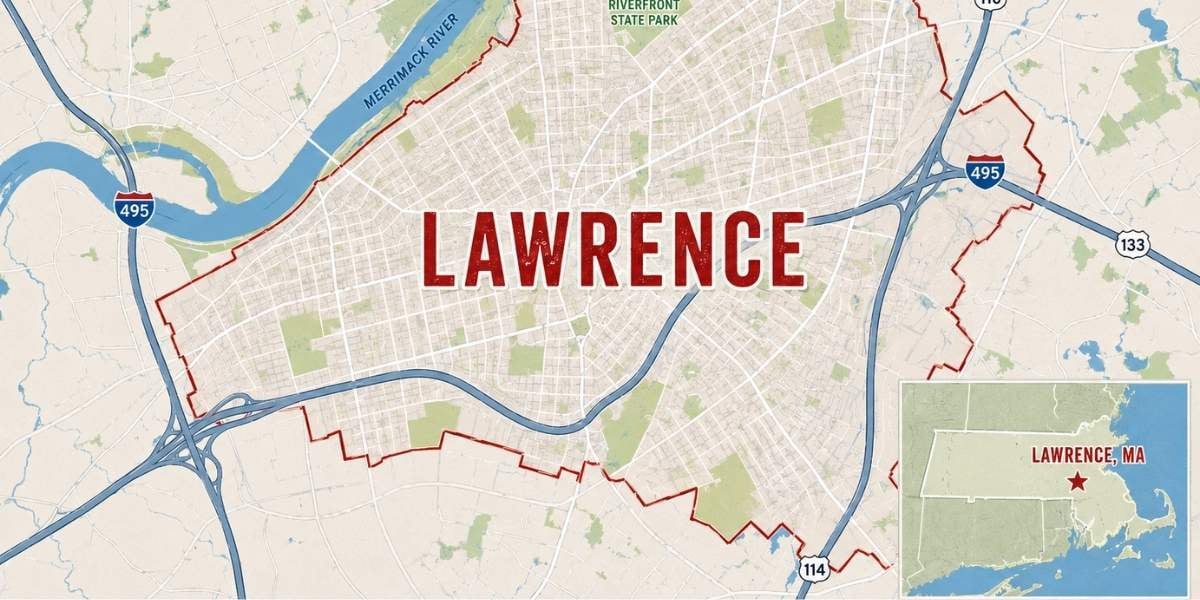
At Harold Brothers Mechanical Contractors, we regularly work with property owners across Massachusetts, Rhode Island, and Southern New Hampshire who are dealing with HVAC issues that did not start with equipment failure. Instead, they started with unclear responsibility, inconsistent maintenance, or tenant-level decisions that slowly impacted system performance.
The question is not just whether preventative maintenance is worth it.
The real question is whether you have control over how your HVAC system is being maintained.
Should HVAC Maintenance Be the Landlord’s Responsibility or the Tenant’s?
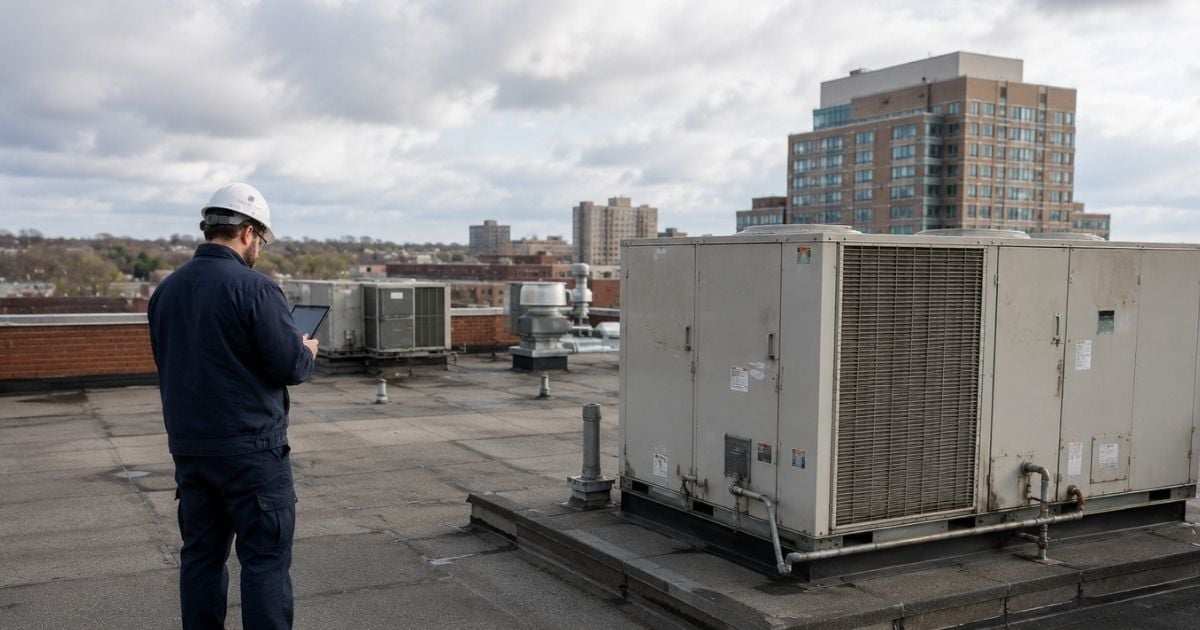
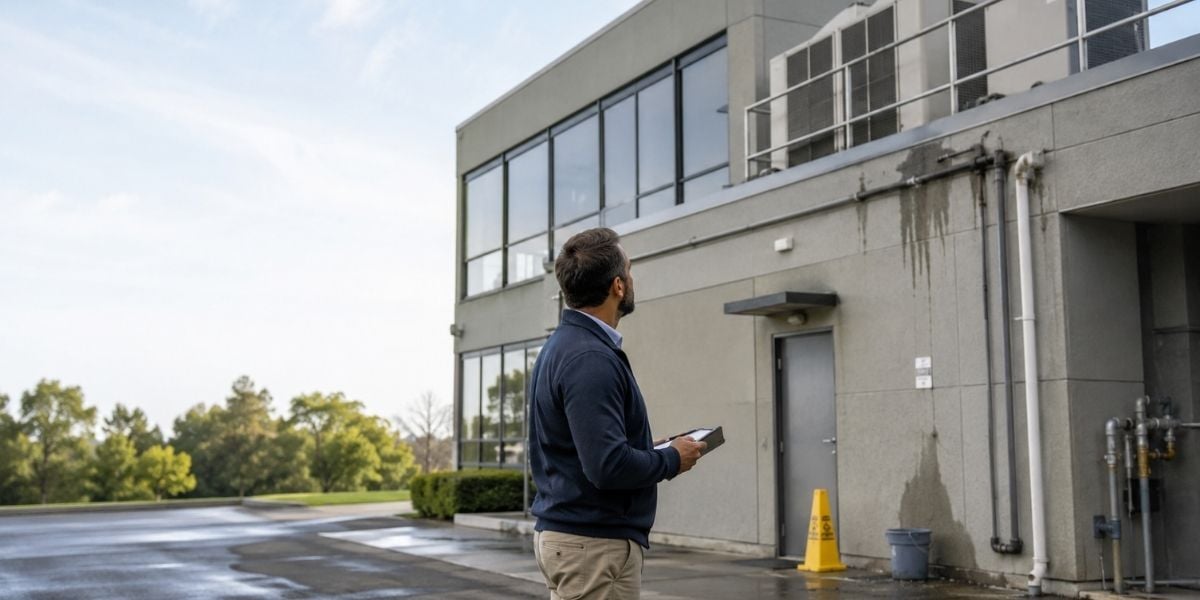
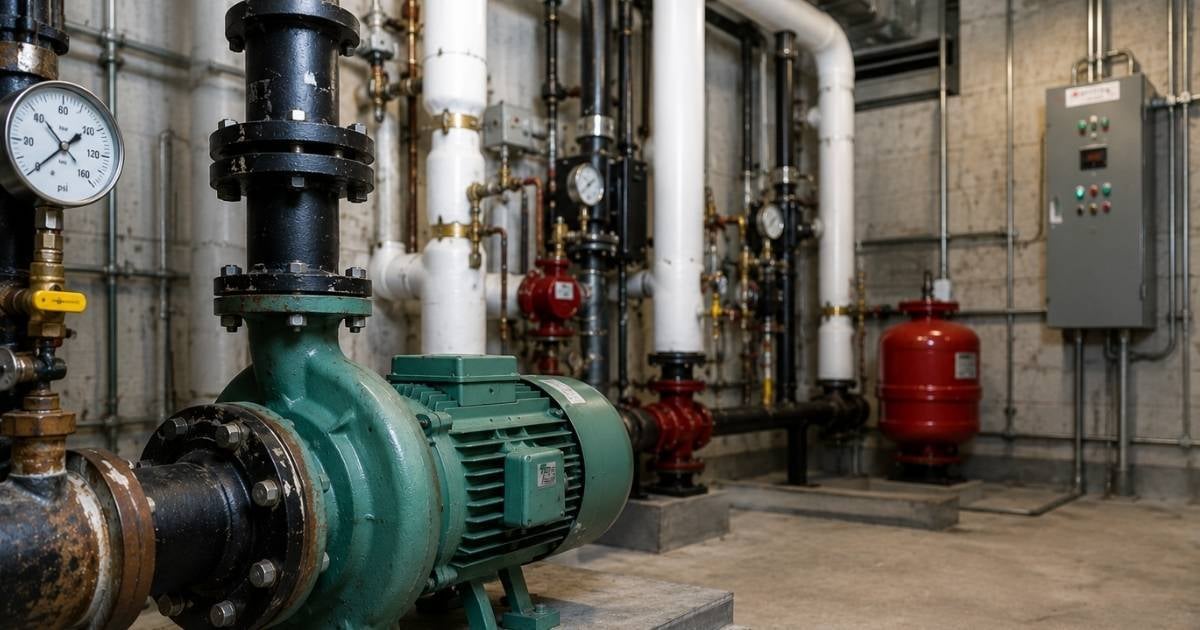
In most commercial buildings, the property owner owns the HVAC equipment. This includes rooftop units, ductwork, controls, and supporting infrastructure. Even when each tenant has their own unit, those systems are still part of the building.
However, many leases shift maintenance responsibility to the tenant.
On paper, this may seem reasonable. In practice, it creates risk.
Tenants may not follow a consistent maintenance schedule. They may hire different vendors, choose the lowest-cost option, or delay service altogether. In some cases, maintenance simply does not happen until there is a problem.
This creates a situation where the owner still holds the asset, but does not control how it is being maintained.
What Happens When HVAC Maintenance Is Inconsistent in a Commercial Building?
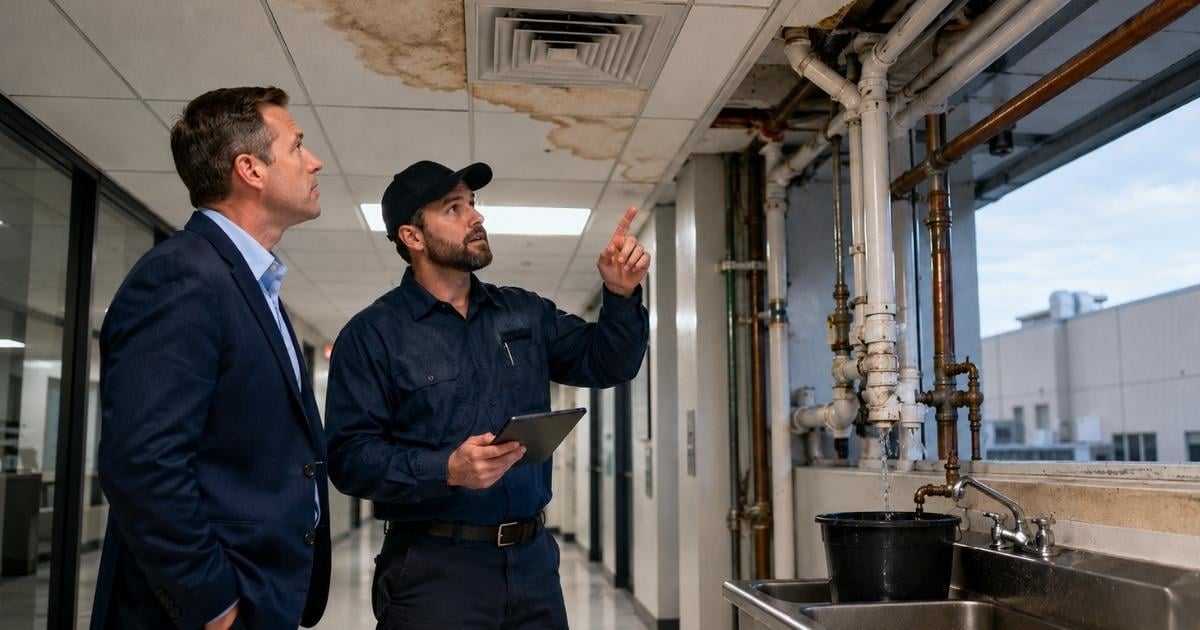
When HVAC systems are maintained inconsistently, small issues begin to build over time. Filters are not replaced regularly, coils become dirty, and system performance slowly declines. These problems may not be obvious right away, but they reduce efficiency and increase strain on the equipment.
Over time, this leads to:
- Higher energy usage
- More frequent service calls
- Uneven comfort across tenant spaces
- Shortened equipment lifespan
Even though each tenant may have their own unit, the impact does not stay isolated. Poorly maintained systems can affect electrical load, roof conditions, and overall building performance.
More importantly, when issues arise, the responsibility often comes back to the owner.

What Are the Risks of Letting Tenants Control HVAC Maintenance?
One of the biggest challenges with tenant-controlled maintenance is the lack of oversight.
Different tenants may:
- Skip routine service
- Use unqualified or unfamiliar contractors
- Make adjustments to controls without coordination
- Operate equipment in ways that increase system strain
In some cases, tenants may introduce conditions that the system was not designed to handle, such as additional heat loads or airflow restrictions. These changes can cause systems to run longer, work harder, and wear out faster.
Because these issues develop gradually, they are often not addressed until performance declines or a failure occurs.
At that point, the cost and disruption are much higher.
What Happens When Tenants Modify or Tamper with HVAC Systems?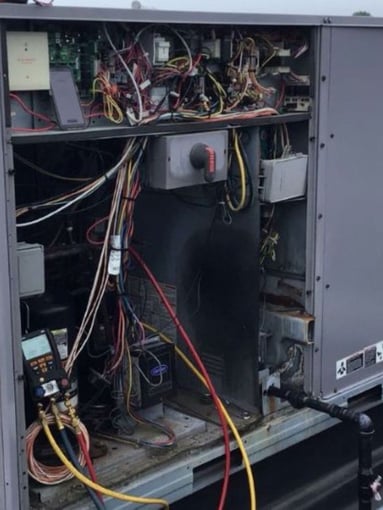
In some situations, HVAC issues are not caused by neglect, but by well-intentioned attempts to fix a problem.
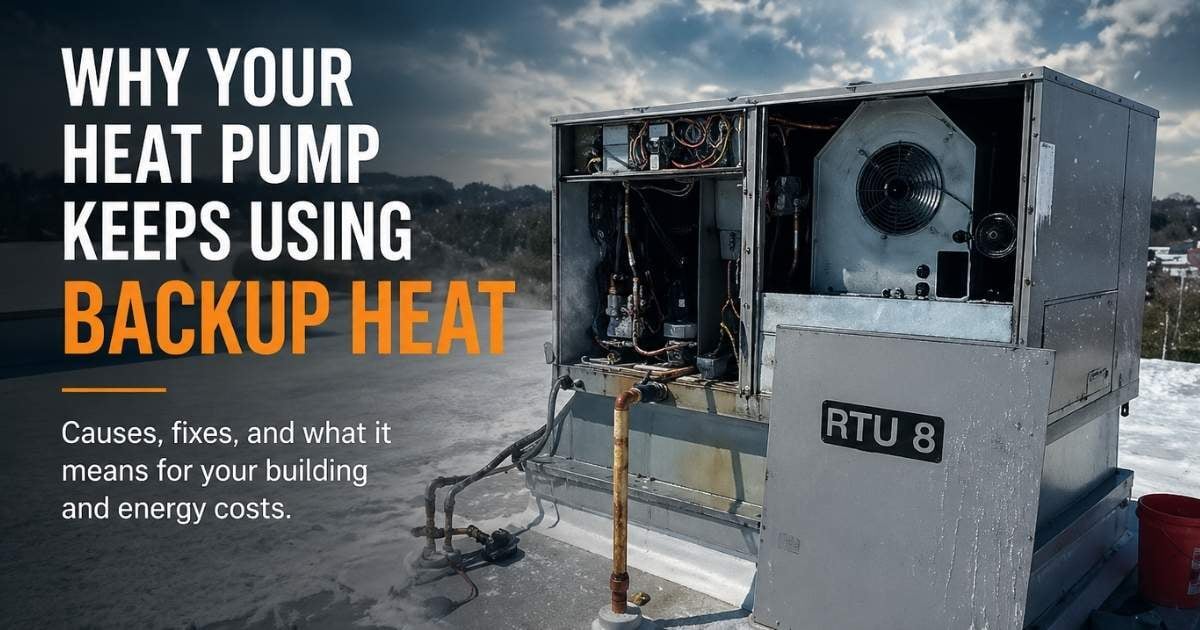
Here is one example of a tenant who attempted to power components directly after experiencing issues with their system. This action damaged critical components, including the blower motor and control board, turning what may have been a manageable issue into a much larger repair.
Situations like this highlight an important reality. Most tenants are not trying to cause damage. They are trying to solve a problem in their space. But because commercial HVAC systems are interconnected and often complex, even small changes can have unintended consequences.
Once damage occurs, the issue no longer stays within the tenant space. It becomes a building-level concern, affecting cost, performance, and responsibility.
Without clear maintenance control or oversight, these types of situations are difficult to prevent.
How Can Property Owners Protect Their HVAC Systems from Tenant Damage?
To reduce this risk, property owners typically take one of two approaches.
The first is to take full control of HVAC maintenance. In this model, the owner manages all service and ensures that every system is maintained consistently. This creates the highest level of control and allows issues to be identified early.
The second option is to clearly define maintenance requirements within the lease. This includes requiring tenants to use licensed and qualified contractors, follow a specific maintenance schedule, and provide documentation of completed service.
Both approaches work, but the key is consistency.
Without a clear plan, maintenance becomes reactive, and risk increases over time.
How Does Preventative Maintenance Protect Commercial HVAC Systems?
A preventative maintenance plan is not just about servicing equipment. It is about creating structure and visibility across your building.
With a PM plan in place, you can:
- Ensure all systems are maintained on a consistent schedule
- Identify issues early before they impact performance
- Verify that work is being completed properly
- Reduce variability between tenant spaces
This allows you to stay ahead of problems instead of reacting to them.
It also provides a clear record of system condition and service history, which is valuable for both operational planning and tenant communication.
How HVAC Problems Impact Tenant Satisfaction and Retention
When HVAC systems are maintained properly, tenants experience more consistent comfort. There are fewer disruptions, fewer complaints, and fewer unexpected issues.
When maintenance is inconsistent, the opposite happens. Problems appear more frequently, comfort becomes unpredictable, and tenant frustration increases.
Even if each issue is resolved, the overall experience can affect how tenants view the building.
By maintaining control over HVAC maintenance, you create a more stable environment and reduce the likelihood of these issues developing in the first place.
Is Preventative Maintenance Worth It for Commercial HVAC Systems?
At the end of the day, HVAC issues in commercial buildings rarely start with sudden failure; they develop over time when maintenance is inconsistent and oversight is unclear.
If you’re managing a property where tenants control HVAC service, you may already be experiencing the effects: higher costs, more frequent repairs, and ongoing disruptions that impact both performance and tenant satisfaction.
By implementing a structured preventative maintenance plan, you create consistency, gain visibility into system performance, and reduce the risk of avoidable damage across your building.
At Harold Brothers Mechanical Contractors, we help property owners take control of their HVAC systems with customized maintenance plans designed to protect equipment and improve long-term reliability. If you’re ready to reduce uncertainty and bring structure back to your building, your next step is to request a preventative maintenance plan tailored to your property.
Topics: