
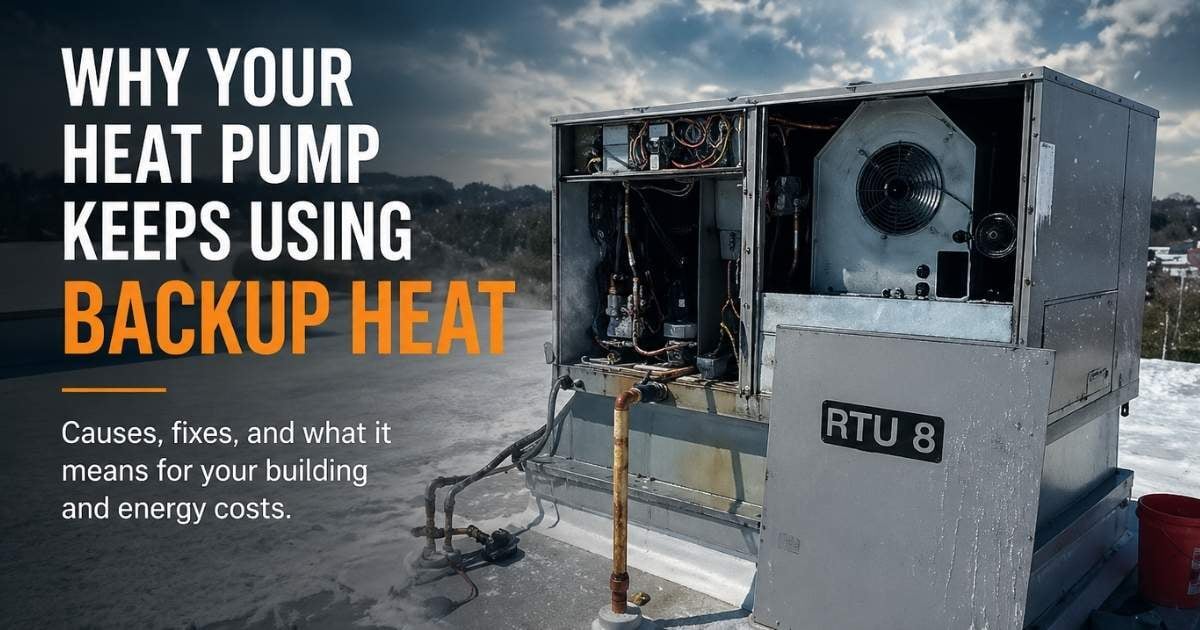
If your commercial heat pump keeps switching to backup heat, you’ve probably noticed the warning signs, rising energy bills, longer run times, and inconsistent comfort across your building.
Working with commercial facilities across Massachusetts and New Hampshire, we’ve seen this issue show up time and time again, especially during those damp, near-freezing winter conditions where systems are put to the test.
In most cases, frequent backup heat isn’t random, it points to issues with system sizing, controls, maintenance, or building performance. In this article, you’ll learn exactly why your system is relying on backup heat and how to identify what’s really causing it.
When Is Backup Heat Actually Normal?
Backup heat, also called auxiliary heat, is built into the system for a reason.
In a properly operating commercial setup, it should only come on during a few situations. Very cold outdoor temperatures are one. Defrost cycles are another. It can also turn on when the building is trying to recover quickly after being set back overnight.
For example, one of our customers in New Hampshire saw backup heat kick on early in the morning after their building dropped temperature overnight. The system needed a boost to get back up to setpoint before people arrive. That’s expected.
What’s not expected is when it keeps happening throughout the day.
If backup heat is running often or for long periods, it usually means the system is struggling to keep up.
Why Is Your Heat Pump Using Backup Heat So Often?
There’s rarely just one reason. In most commercial buildings, it’s a combination of conditions, controls, and system design. Ask yourself the following three questions:
Is the Weather Exposing a Weak Point in Your HVAC System?
New England weather plays a big role here, we deal with a lot of cold, damp air hovering right around freezing. It’s not always extreme, but it’s enough to reduce how efficiently a heat pump can operate.
Heat pumps naturally lose capacity as temperatures drop. That part is normal. But in a properly designed system, the heat pump should still handle most of the load. If backup heat is stepping in constantly during typical winter conditions, the system may not be designed for how your building actually performs.
Is Your Commercial HVAC System Undersized?
This is more common than most people expect. Some systems are sized to reduce upfront cost. Others are built with cooling in mind, not heating. That can work fine for part of the year, but winter exposes the gap.
We’ve seen buildings across Massachusetts where the system runs constantly, backup heat kicks on daily, and temperatures still struggle to stay consistent. At that point, the system isn’t supplementing anymore. It’s relying on backup heat to do the job.
Are Controls Forcing the System to Use Backup Heat?
In many cases, the equipment is not the issue. The controls are. We’ve worked with buildings where everything looked right mechanically, but the system was being pushed too hard by the way it was programmed.
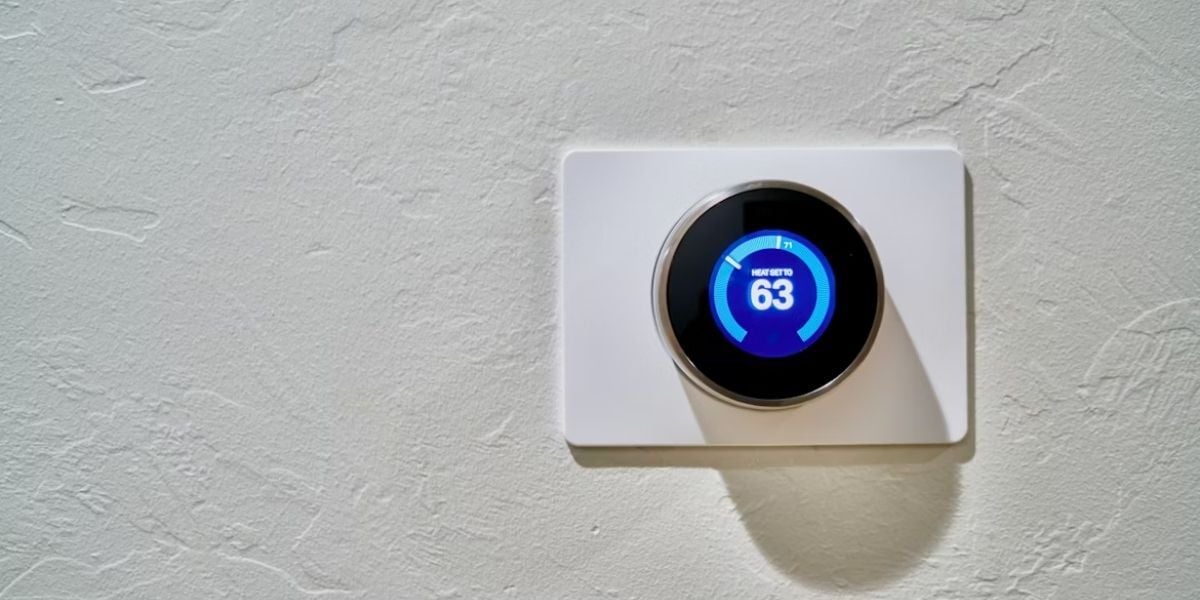
Large overnight setbacks are a common example. The building cools down too much, and in the morning, the system tries to recover quickly. That demand spike triggers backup heat.

Maintenance and Performance Issues to Check
Before assuming it’s a design issue, it’s worth ruling out some of the simpler causes. These don’t always shut a system down, but they can reduce performance enough to trigger backup heat.
- Dirty filters restricting airflow
- Outdoor coils blocked by debris or ice
- Low refrigerant levels
- Poor airflow around the unit
- Lack of regular preventative maintenance
These issues slowly reduce how much heat the system can move. When that happens, backup heat steps in to fill the gap.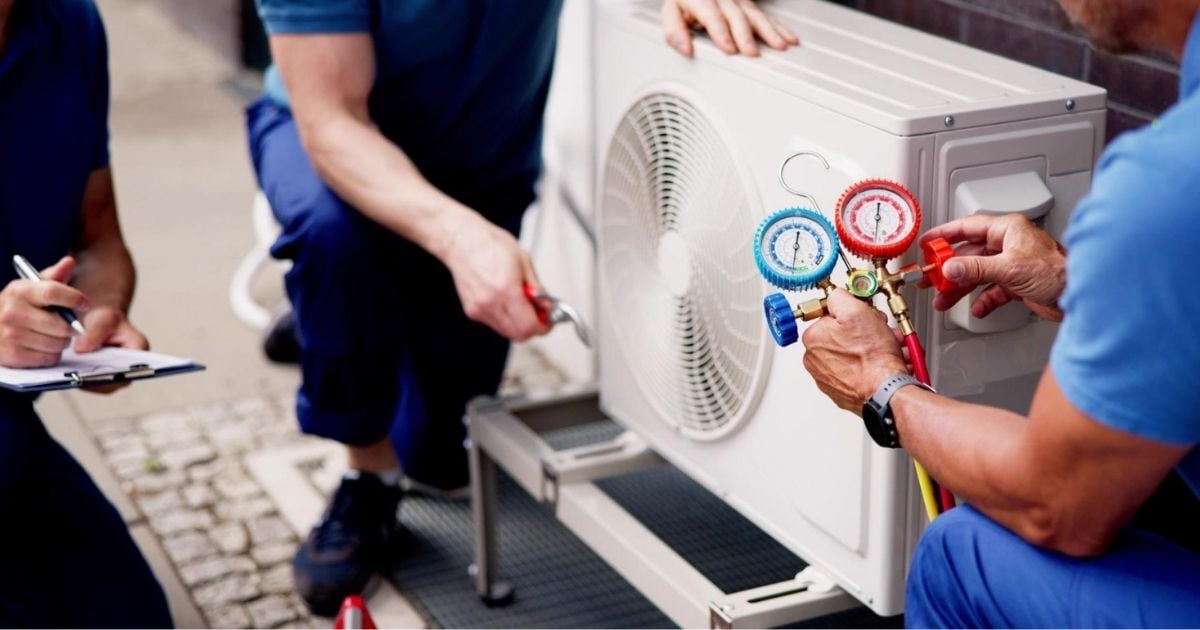
Could the Building Be the Real Problem?
Sometimes the HVAC system is doing exactly what it’s supposed to do, but the building itself is working against it.
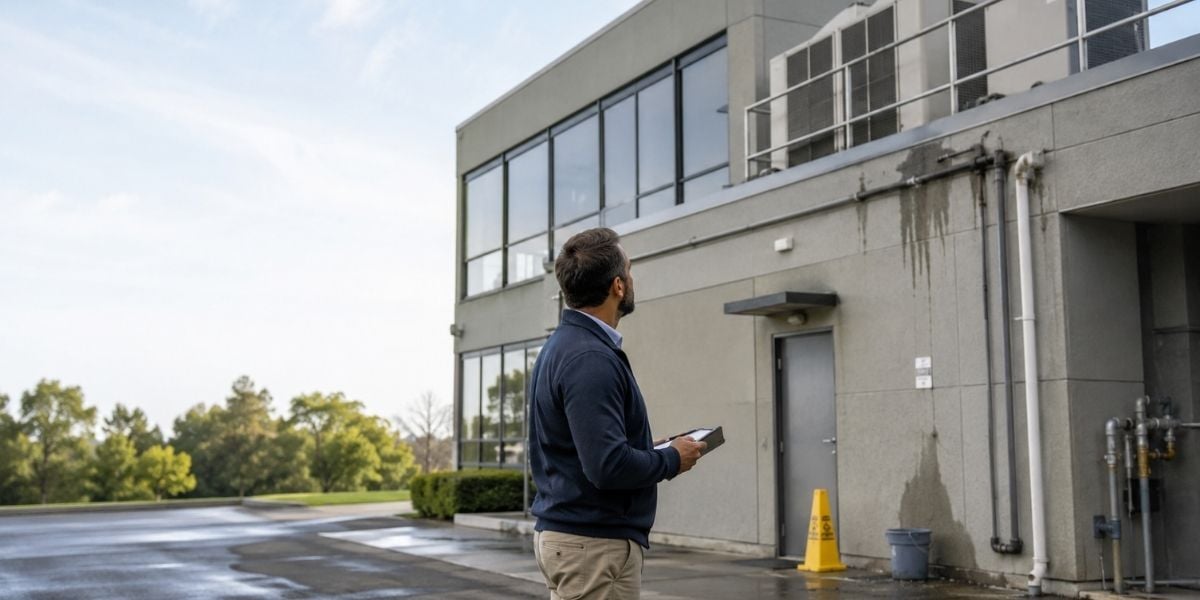
Older buildings often deal with air leaks, insulation issues, and higher heating demand than expected.
We’ve seen cases across Massachusetts, New Hampshire and Rhode Island, where heat is escaping faster than the system can replace it. The heat pump keeps running, but it can’t keep up on its own.
That’s when backup heat starts running more often to maintain comfort.
When It Comes Down to System Design
This is where most of the bigger issues show up.
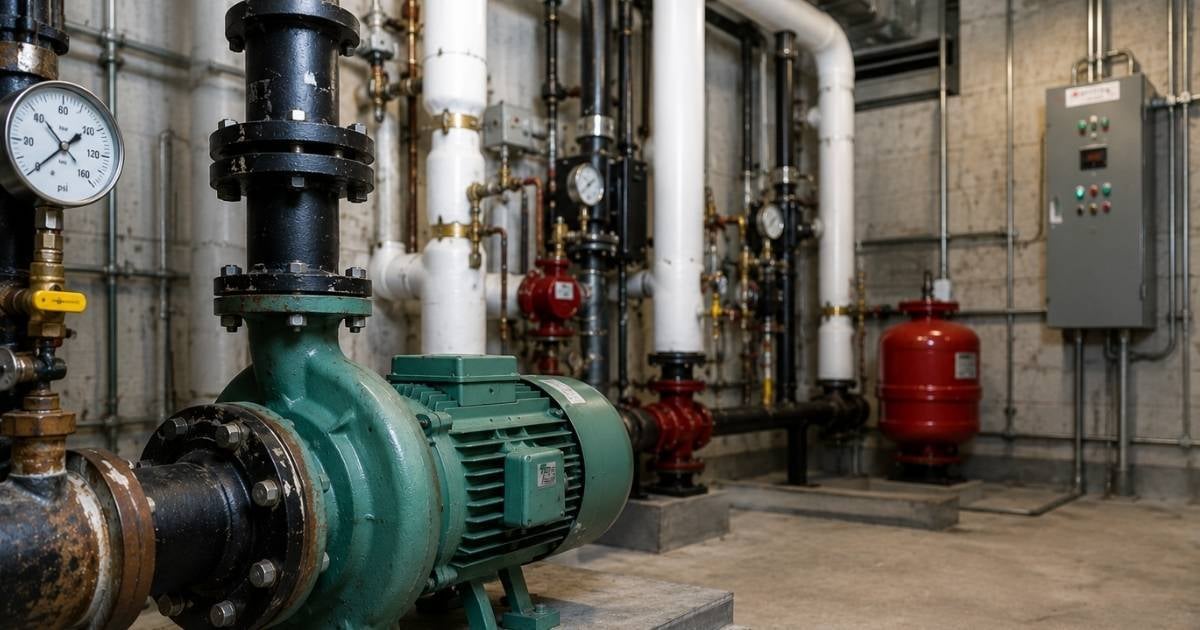
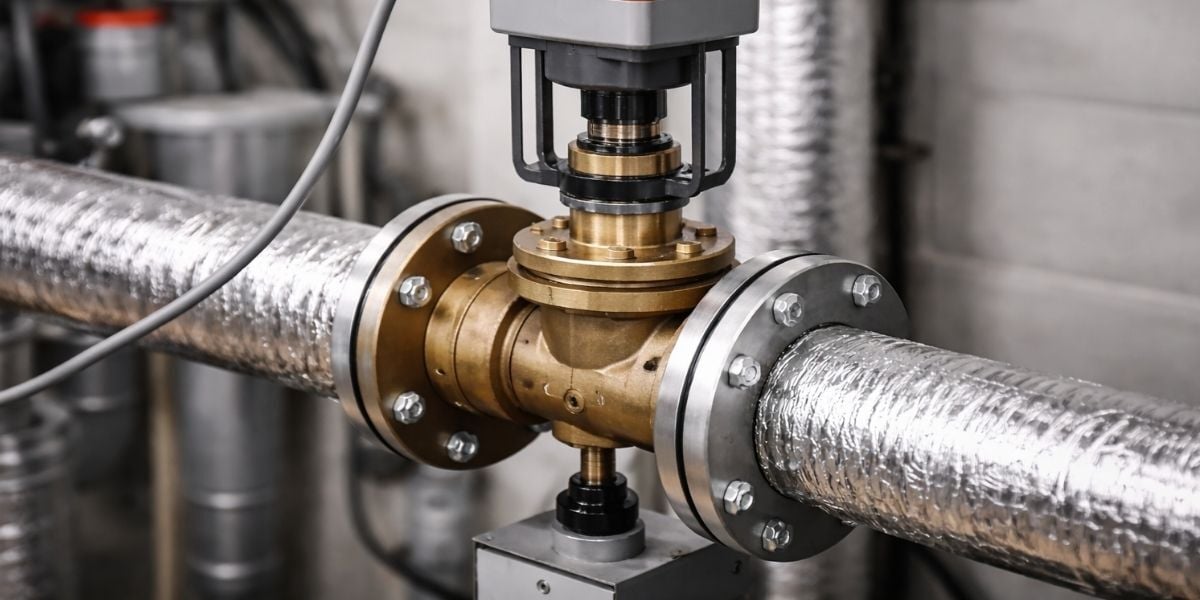
In commercial buildings, heat pumps are usually part of a larger system. They may be tied into hydronic loops, multiple zones, or different types of heating distribution.
If that system isn’t designed properly, the heat pump can’t deliver heat where it’s needed, when it’s needed.
We’ve worked with buildings where certain zones were always calling for heat while others weren’t. The system couldn’t balance demand properly, so backup heat kept stepping in.
At that point, it’s not about fixing a unit. It’s about how the entire system works together.
Why This Drives Up Energy Costs
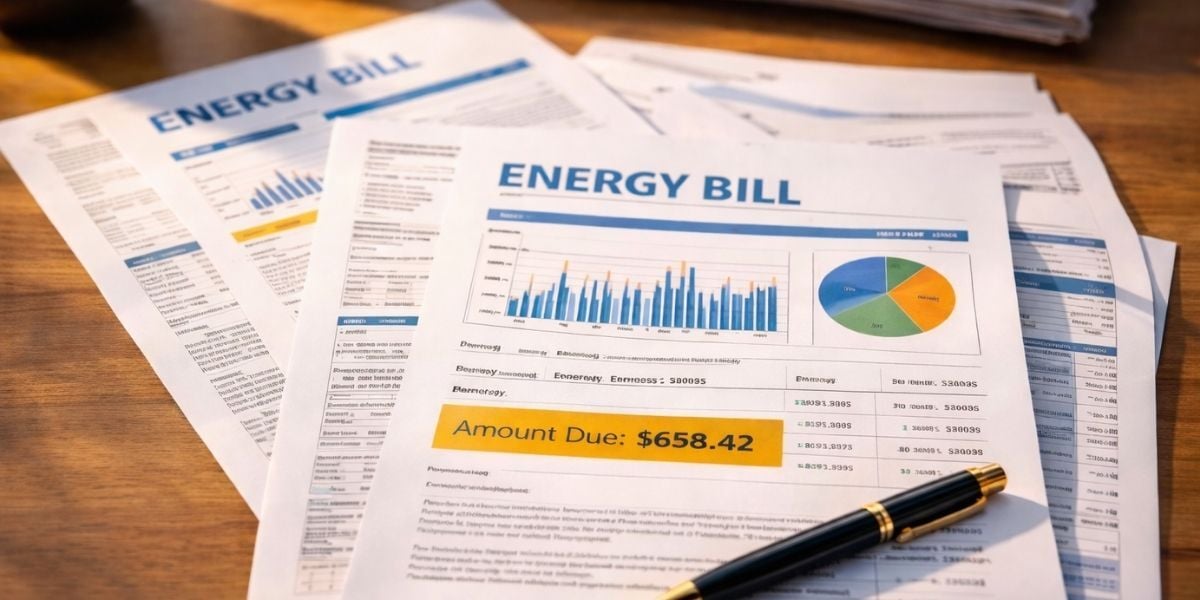
Backup heat is usually the most expensive way to heat your building.
In many systems, it relies on electric resistance heat, which costs significantly more to operate than a heat pump.
When it runs more than it should, you’ll see it show up in your energy bills first.
That’s often what gets people asking questions.
What Is Your HVAC System Trying to Tell You?
When a heat pump leans on backup heat too often, it’s usually not about one failure; it’s about how the system, controls, and building are working together.
That’s why you might be seeing energy costs creep up or certain areas struggle to stay comfortable, even though everything appears to be running normally.
Instead of guessing, the most productive next step is to look at how heat is actually being delivered and balanced across your building, because that’s where many of these inefficiencies start to show.
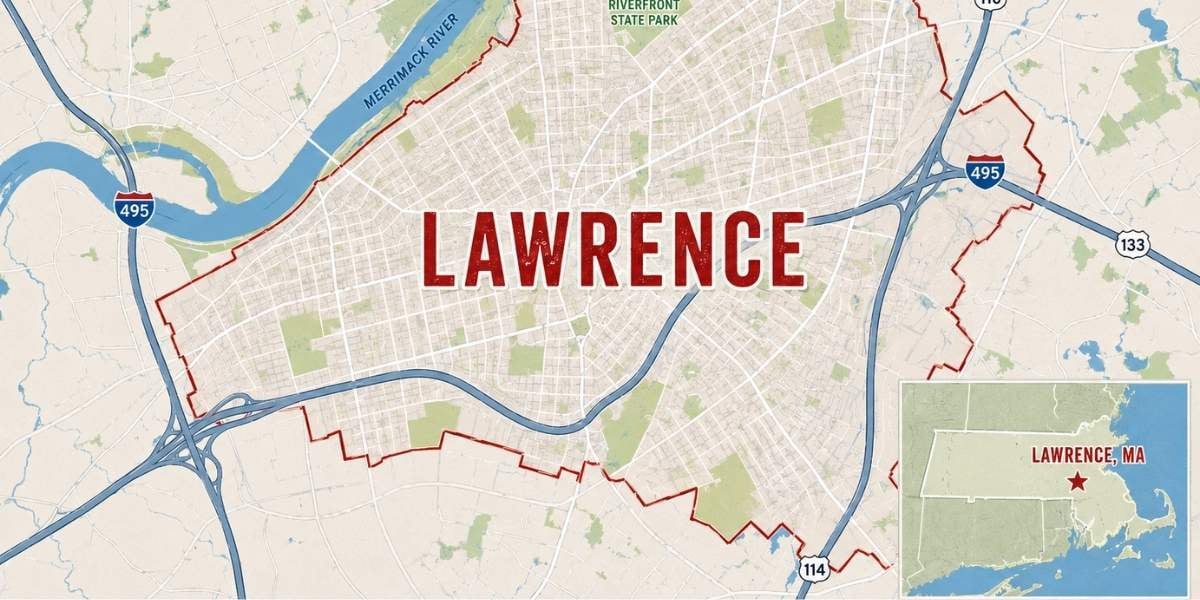
If you’re trying to pinpoint what’s happening in your system, Harold Brothers Mechanical works with commercial facilities across Massachusetts, New Hampshire, and Rhode Island to break these issues down and improve performance. A good place to start is understanding how your hydronic system is set up and whether it matches your building’s needs.

Topics: