
If you manage a commercial building, you may have noticed something strange. Your HVAC system starts reheating air even when the space already feels warm. This can feel confusing and wasteful. You might even wonder if something is broken.
At Harold Brothers Mechanical, we work with commercial HVAC systems every day, and this is a very common question building owners and facility managers ask us.
The truth is, in most cases, this is normal. Commercial HVAC systems are designed to work this way, especially those that use a reheat system, which intentionally warms air after it has been cooled to better control humidity and maintain consistent comfort. Still, it is important to understand why it happens so you can tell the difference between normal operation and a real problem.
What Is Reheat in a Commercial HVAC System?
Reheating is when your system first cools the air, then warms it back up before sending it into a room.
At first, this may not make sense. Why would a system cool the air just to heat it again?
In large buildings, the system must control both temperature and humidity simultaneously. These two things do not always match. Sometimes the system must cool the air more than needed just to remove moisture. Then it reheats the air so people inside stay comfortable.
Reheat helps balance comfort and air quality across the building.
Why Reheat Runs Even When It Feels Unnecessary
There are several reasons this happens in commercial buildings, and most of them are part of normal system design.
1. Humidity Control Is a Big Reason
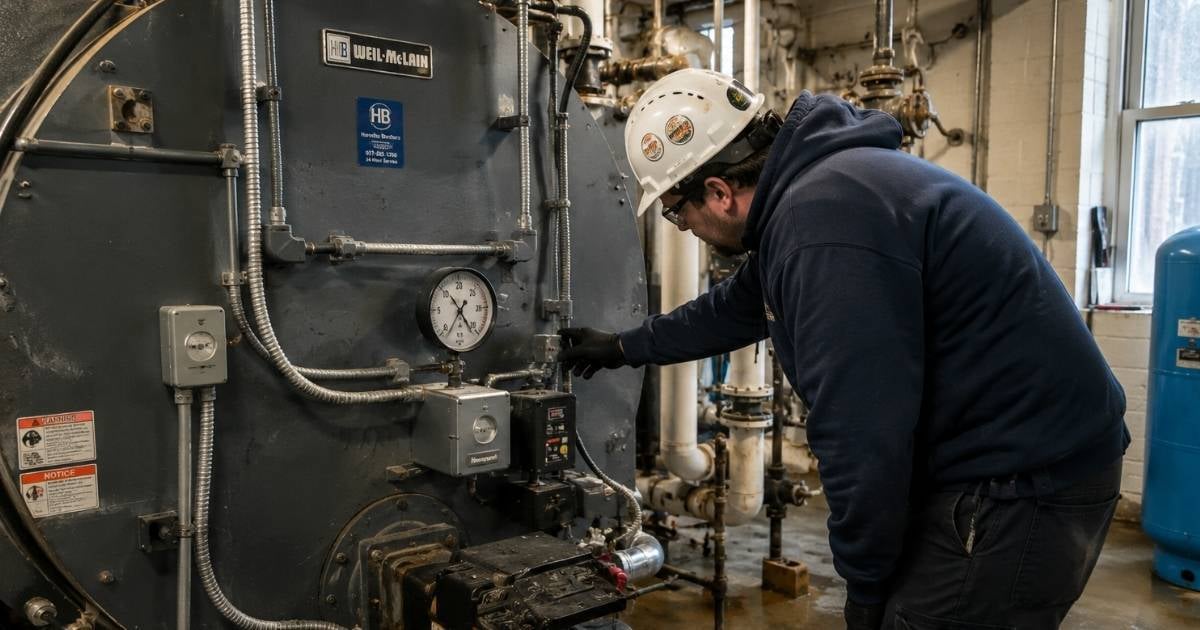
%20(39).jpg?width=266&height=355&name=Untitled%20(768%20x%201024%20px)%20(39).jpg) In many buildings, controlling moisture is just as important as controlling temperature. When air is cooled, it loses moisture. This helps prevent mold and keeps the air comfortable.
In many buildings, controlling moisture is just as important as controlling temperature. When air is cooled, it loses moisture. This helps prevent mold and keeps the air comfortable.
But when the air is cooled to remove moisture, it can become too cold. That is when the reheating turns on to warm it back up.
Even if the temperature feels fine, the system may still be working to control humidity.
2. Different Areas Need Different Temperatures
Commercial buildings are split into zones. Each zone can have different needs at the same time.
One room may be full of people and need cooling. Another room near a window may feel cold and need heat.
The system often sends cool air to all areas first. Then it reheats the air in certain zones to adjust the final temperature.
This can make it seem like your reheat system is running for no reason, but it is actually helping balance comfort across the building.
3. Fresh Air Requirements Affect the System
Commercial buildings must bring in outside air to keep the indoor air safe and clean. This is required by building codes.
Outside air can be hot, cold, or humid depending on the weather. To manage this, the system often cools all incoming air to a set level.
After that, reheat is used to adjust the air before it reaches each space.
Reheat helps the building meet air quality rules while keeping people comfortable.

4. The System Is Designed This Way
Many commercial buildings use systems called VAV systems with reheat. This stands for Variable Air Volume.
These systems send cool air through the building. Each zone then controls how much air it gets. If a space gets too cold, the reheat turns on in that zone.
This design gives better control in large buildings. However, it also means reheat can run even when it does not seem needed.
5. Settings May Be Too Strict
Sometimes the system is set up in a way that causes reheating to run more than it should.
If temperature or humidity settings are too strict, the system may overcool the air and then reheat it more often.
This is not always a broken system, but it can lead to wasted energy.
When Reheat May Be a Problem
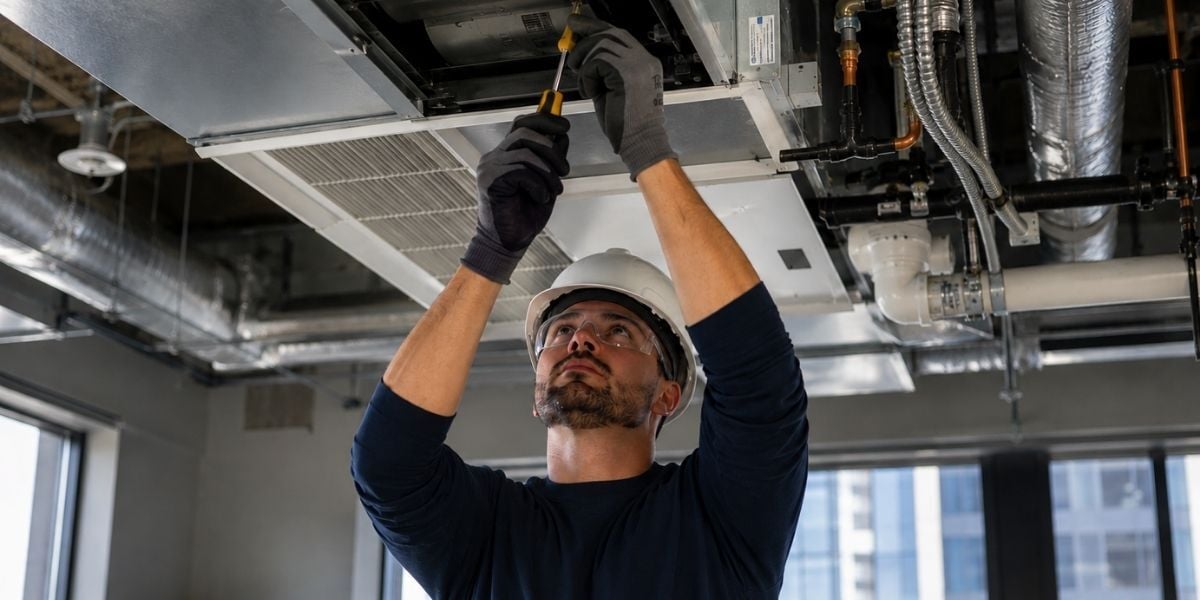
%20(40).jpg?width=310&height=414&name=Untitled%20(768%20x%201024%20px)%20(40).jpg) While reheat is often normal, there are times when it points to an issue.
While reheat is often normal, there are times when it points to an issue.
If your reheat system runs all the time in the same area, there may be a problem. High energy bills can also be a warning sign. If people in the building often complain about being too hot or too cold, that is another clue.
Sometimes the system may be heating and cooling at the same time in a way that does not make sense.
These issues can be caused by faulty sensors, control problems, or parts that are not working correctly.
In these cases, reheating is no longer helpful and may be costing you money.
Why Reheating Can Be Expensive
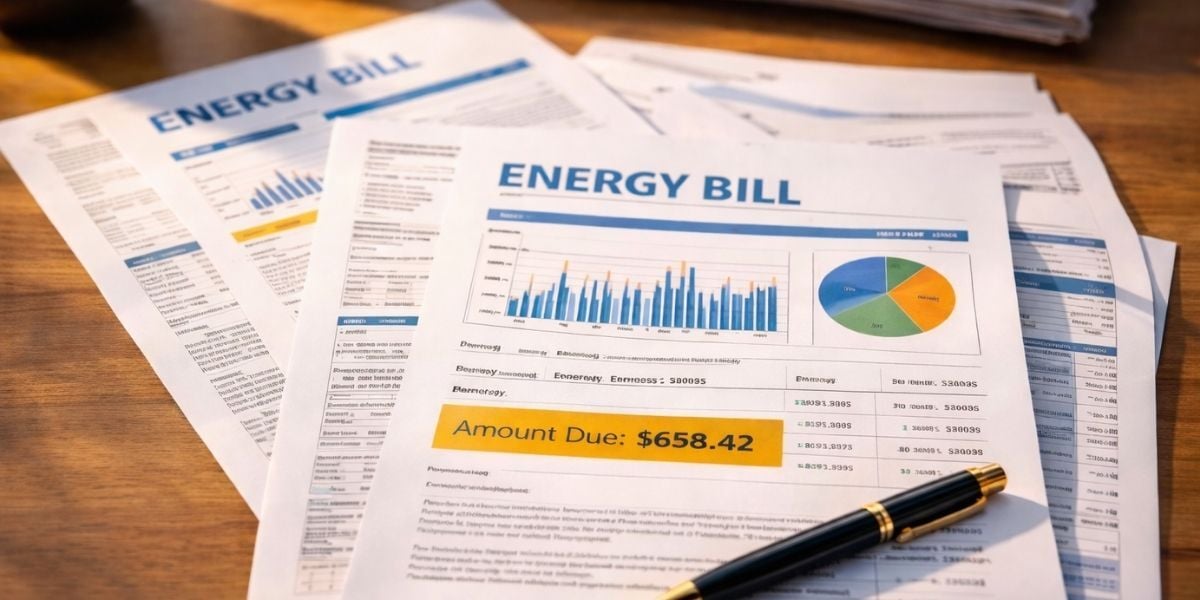
Reheating can use a lot of energy. This is because the system is doing two jobs at once.
First, it cools the air. Then, it heats the same air back up.
This process uses more energy than needed if the system is not set up properly.
Over time, this can lead to higher utility bills and more wear on your equipment.
How You Can Reduce Unnecessary Reheating
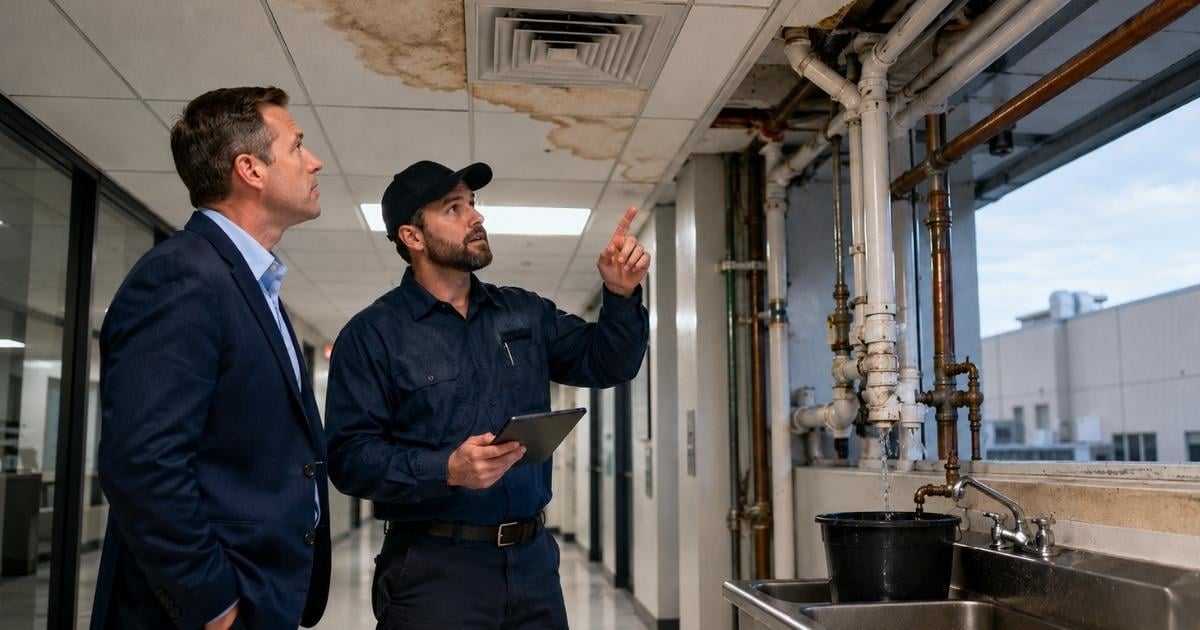
%20(41).jpg?width=281&height=374&name=Untitled%20(768%20x%201024%20px)%20(41).jpg) If you think your system is reheating too much, there are ways to improve it.
If you think your system is reheating too much, there are ways to improve it.
You can start by checking your temperature and humidity settings. Small changes can make a big difference. It is also important to make sure sensors are working correctly, since bad data can cause the system to react the wrong way.
Reviewing how your system is controlled can also help. In some cases, updating the control setup or doing a full system check can reduce wasted energy.
Even simple adjustments can improve comfort and lower costs.
Why Does This Matter for Commercial Buildings?
Understanding reheat is important if you manage or own a building.
It affects how comfortable people feel inside. It also directly impacts your energy costs.
When reheat is working properly, it helps control humidity, balance temperatures, and keep the air safe to breathe.
When it is not working well, it can lead to higher costs, unhappy occupants, and extra strain on your system.
Is Your HVAC Reheat Helping or Hurting Your Energy Costs?
Reheat runs when it does not seem necessary can feel like a problem, but in many cases, it is simply how commercial HVAC systems are designed to maintain consistent comfort.
Now that you understand why reheating occurs, you are in a better position to evaluate whether your system is performing as it should or to identify opportunities to improve efficiency and reduce waste. The more you understand your system, the more control you have over comfort, cost, and long-term performance.
At Harold Brothers Mechanical Contractors, we work with facility managers and building owners every day to diagnose issues like unnecessary reheating and identify practical solutions that improve system performance without sacrificing comfort.
If you are starting to question whether your system is operating as efficiently as it could, your next step is to understand the available solutions. Read our article “Temperature Swing Fix: Zoning vs Controls vs Sensors” to explore the different ways you can take control of inconsistent temperatures and make smarter HVAC decisions.
Topics: