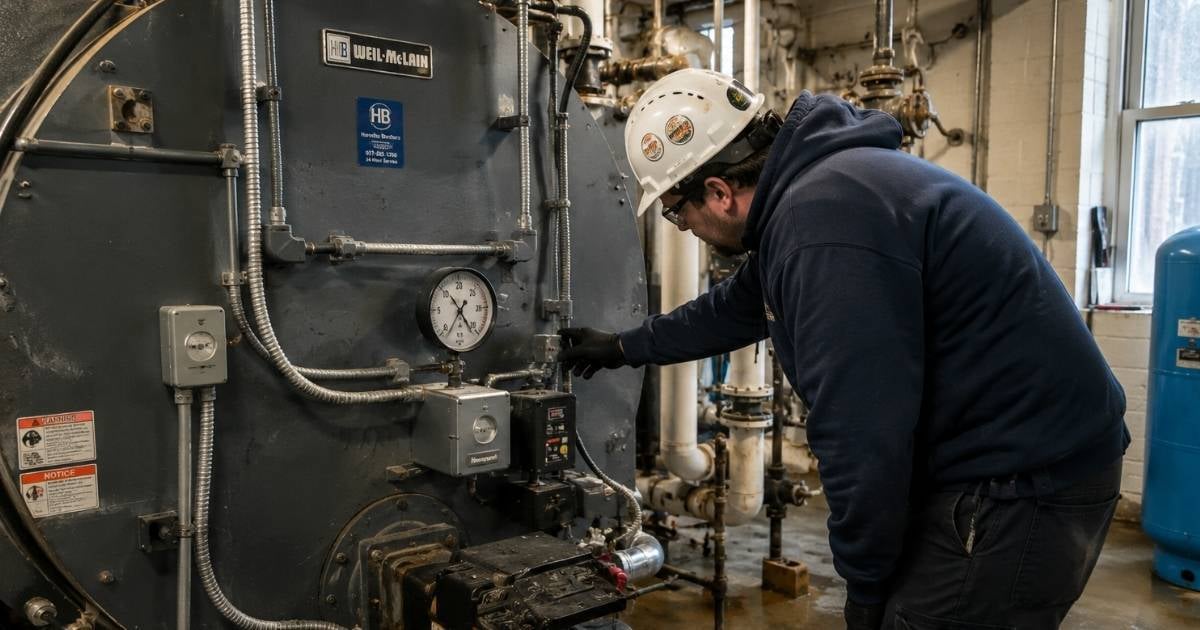

If you manage a commercial HVAC system, you may have noticed a control valve that never seems to settle. It keeps opening and closing, over and over again. Along with that movement, you may hear a humming, chattering, or rushing noise coming from the piping.
This behavior is called “hunting.” It happens when a control valve keeps adjusting instead of finding a steady position. Hunting can increase wear on your equipment, waste energy, and create uncomfortable noise in your building.
At Harold Brothers Mechanical, this is a common issue we help building owners and facility managers solve. The good news is that a few clear issues usually cause hunting valves. Once you understand what is happening, you can take steps to fix it.
In this article, you will learn why control valves hunt, what causes the noise, and what you can do to stop it.
What Does It Mean When a Control Valve “Hunts”?
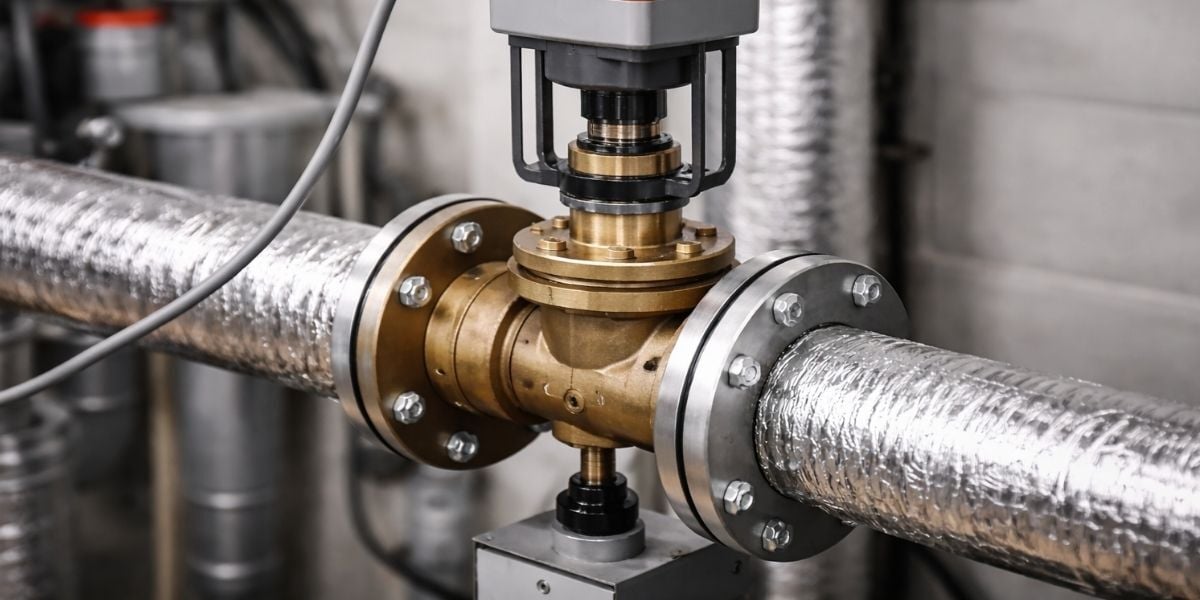
A control valve is designed to regulate flow. It opens or closes to maintain a set temperature, pressure, or flow rate. In a perfect system, the valve moves to the right position and stays there until conditions change.
When a valve is hunting, it never settles. It keeps moving back and forth because the system is constantly telling it to adjust. Instead of smooth control, you get constant motion.
This is often paired with noise. As the valve moves rapidly, water or air speeds up and slows down. That change in flow creates sound and vibration inside the pipes.
Hunting is not just annoying. It is a sign that something in your control system is not working the way it should.
Can Poor Control Loop Tuning Cause Control Valve Hunting?
%20(47).jpg?width=325&height=434&name=Untitled%20(768%20x%201024%20px)%20(47).jpg) One of the most common reasons a control valve hunts is poor control loop tuning. The control system uses a loop to decide how much the valve should open or close. If that loop is not set correctly, it can overreact to small changes.
One of the most common reasons a control valve hunts is poor control loop tuning. The control system uses a loop to decide how much the valve should open or close. If that loop is not set correctly, it can overreact to small changes.
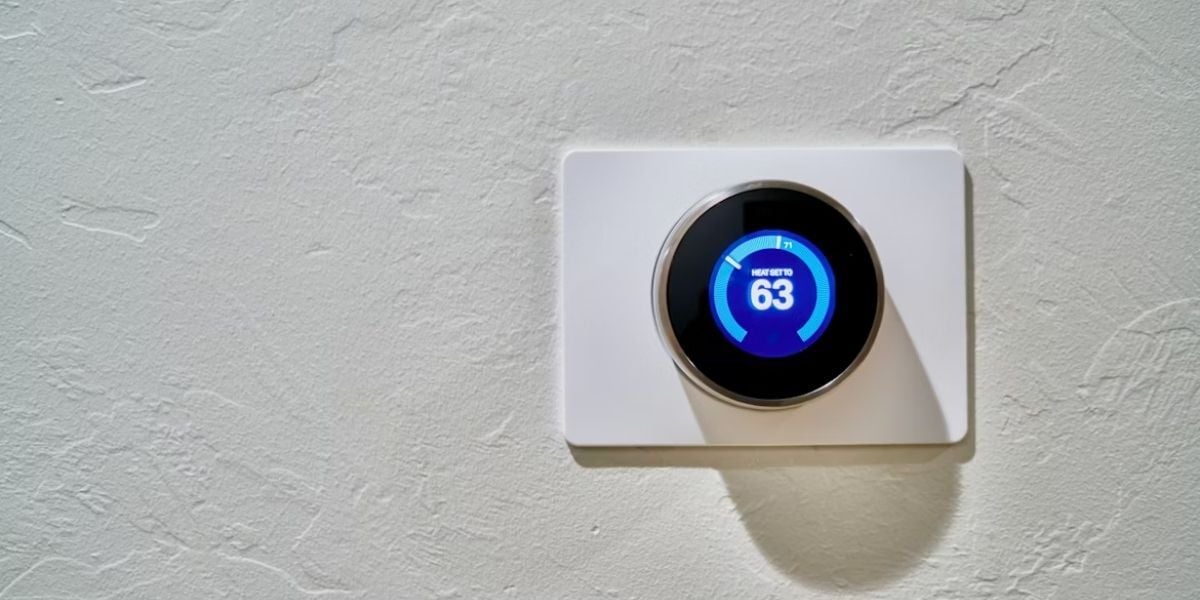
Think of it like a thermostat that turns the heat on and off too quickly. Instead of holding a steady temperature, it keeps overshooting. The same thing happens with a valve.
If the system responds too aggressively, it will push the valve too far open. Then it quickly corrects and pushes it closed. This cycle repeats again and again.
When this happens, the valve never finds balance. It keeps moving, which leads to noise and extra wear.
Do Oversized Valves Cause Control Valve Hunting and Instability?
Another common issue is valve sizing. If a control valve is too large for the system, it becomes harder to control flow precisely.
A small movement in a large valve can cause a big change in flow. The system reacts to that change and tries to correct it. But the correction is often too much, which causes another adjustment.
This creates a cycle of constant movement.
Oversized valves are very common in commercial buildings. They are often selected to handle peak conditions, but most systems rarely operate at those extremes. As a result, the valve spends most of its time trying to control very small loads, which leads to instability.
Sensor Problems Can Send the Wrong Signals
Control systems rely on sensors to understand what is happening in the building. These sensors measure temperature, pressure, or flow. The system uses that information to control the valve.
If a sensor is not accurate, the system will make the wrong decisions.
For example, if a temperature sensor reads too high, the system may close the valve too much. Then it quickly realizes the space is getting too cold and opens the valve again. This back-and-forth behavior creates hunting.
Even small sensor errors can cause big problems. A sensor that drifts over time or responds too slowly can make the system unstable.
Low Flow Conditions Can Cause Instability
Control valves are designed to operate within a certain range of flow. When flow drops too low, the valve may struggle to control it smoothly.
In low flow conditions, even tiny adjustments can have a big impact. The system reacts to those changes and keeps adjusting the valve.
This is common in systems that are not balanced properly or in buildings with variable loads. When demand is low, the valve may hunt because it cannot maintain steady control at that level.
Low flow can also create noise. As fluid moves through a partially closed valve, it can create turbulence. This turbulence leads to vibration and sound.
Pressure Changes Can Lead to Valve Hunting
%20(48).jpg?width=303&height=404&name=Untitled%20(768%20x%201024%20px)%20(48).jpg) Changes in system pressure can also cause a valve to hunt. If pressure fluctuates, the flow through the valve changes even if the valve position stays the same.
Changes in system pressure can also cause a valve to hunt. If pressure fluctuates, the flow through the valve changes even if the valve position stays the same.
The control system sees this change and tries to correct it. The valve adjusts to the new conditions. If pressure keeps changing, the valve keeps moving.
This is often seen in systems with variable speed pumps or poor pressure control. When pressure is not stable, the valve cannot find a steady position.
Why Do Hunting Valves Create Noise?
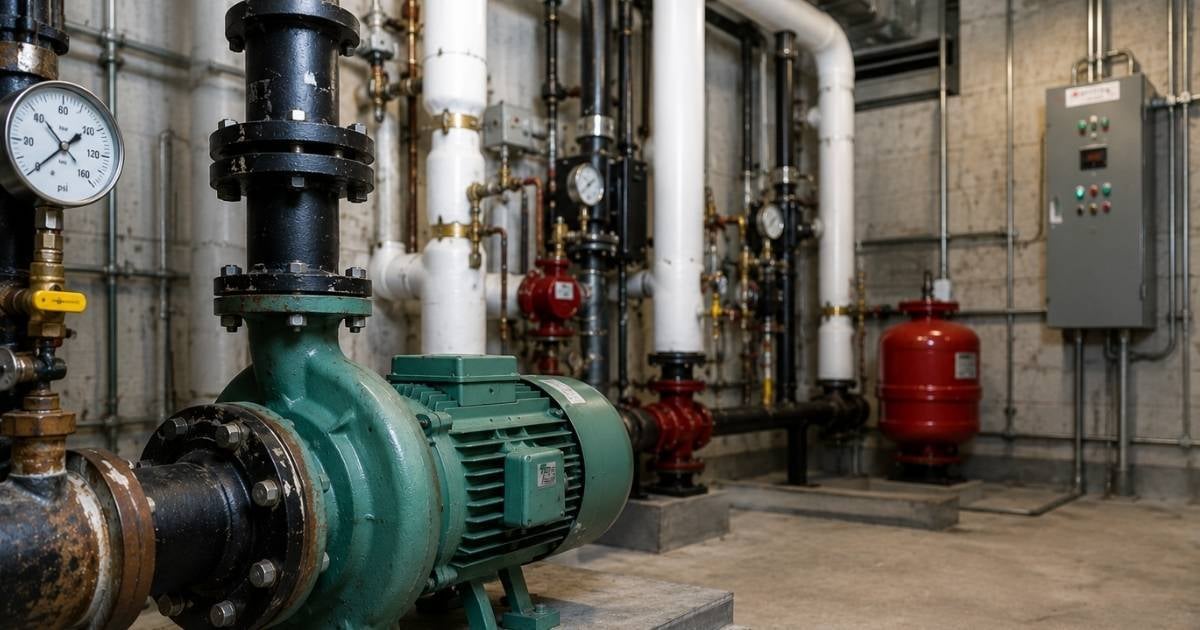
The noise you hear from a hunting valve comes from rapid changes in flow and pressure. As the valve opens and closes, fluid speeds up and slows down.
This creates turbulence inside the valve and piping. Turbulence causes vibration, and that vibration produces sound.
In some cases, the noise may sound like a hum or a whistle. In others, it may sound like chattering or banging. The exact sound depends on the system and how severe the hunting is.
Noise is often the first sign of a problem. Even if the system seems to be working, that sound is telling you something is not right.

How Hunting Affects Your System
A hunting control valve does more than create noise. It can have a real impact on your system and your costs.
Constant movement puts wear on the valve and actuator. Over time, this can lead to failure and the need for replacement.
Hunting also reduces efficiency. The system is constantly adjusting instead of running smoothly. This can increase energy use and drive up your utility bills.
In addition, unstable control can lead to comfort issues. Temperatures may swing up and down, which can affect occupants in the building.
What You Can Do to Fix a Hunting Control Valve
%20(49).jpg?width=310&height=414&name=Untitled%20(768%20x%201024%20px)%20(49).jpg) A hunting control valve is usually caused by instability in your system. Here’s how to diagnose and fix the issue:
A hunting control valve is usually caused by instability in your system. Here’s how to diagnose and fix the issue:
- If your valve is constantly overreacting, adjust the control loop
Fine-tune the loop settings to reduce aggressive responses and stabilize performance. - If small changes cause big swings, check the valve size
An oversized valve may need to be replaced or modified to better match the system. - If readings seem off, inspect your sensors
Recalibrate or reposition sensors to ensure accurate data is driving control decisions. - If performance is inconsistent, stabilize flow and pressure
Balance system conditions to eliminate fluctuations that cause erratic behavior. -
If issues keep coming back, improve maintenance routines
Regular cleaning and inspection help the system respond more reliably over time.
What to Do If Your Control Valve Is Hunting
If you suspect a control valve is hunting in your building, start by observing when it happens. Look for patterns related to time of day, load, or weather conditions. From there, a deeper system review can help pinpoint the cause. This may include checking controls, sensors, valve sizing, and system balance.
At Harold Brothers Mechanical, we work with commercial building owners to diagnose issues like this and find practical solutions.
Your next step is to read our article “Hydronic System Options for Commercial HVAC” so you can better understand how different system designs impact valve performance, control stability, and overall energy efficiency.
Topics: