
If your condensing boiler keeps shutting off during very cold weather, you are not alone. Many commercial buildings experience this issue when temperatures drop below freezing.
At Harold Brothers Mechanical, we work with commercial properties across New England and have seen how often these lockouts occur during extreme cold, especially in systems running at full capacity.
The truth is, most winter boiler lockouts in commercial systems happen for clear and preventable reasons. In this article, you will learn what a boiler lockout is, why cold weather increases the risk, the most common causes in commercial systems, and what you can do to prevent downtime.
What Is a Boiler Lockout in a Commercial System?
A boiler lockout is a built-in safety function that shuts the system down when it detects a problem.
In a commercial building setting, this is especially important because boilers operate at larger capacities and higher demand levels. If something goes wrong, the system shuts off to prevent equipment damage, unsafe conditions, or system-wide failure.
When a lockout occurs, the boiler will stop running and typically display a fault code through the building management system (BMS) or onboard controls. While it may seem like a breakdown, it is often the system preventing a more serious issue.
Why Cold Weather Causes More Lockouts in Commercial Buildings
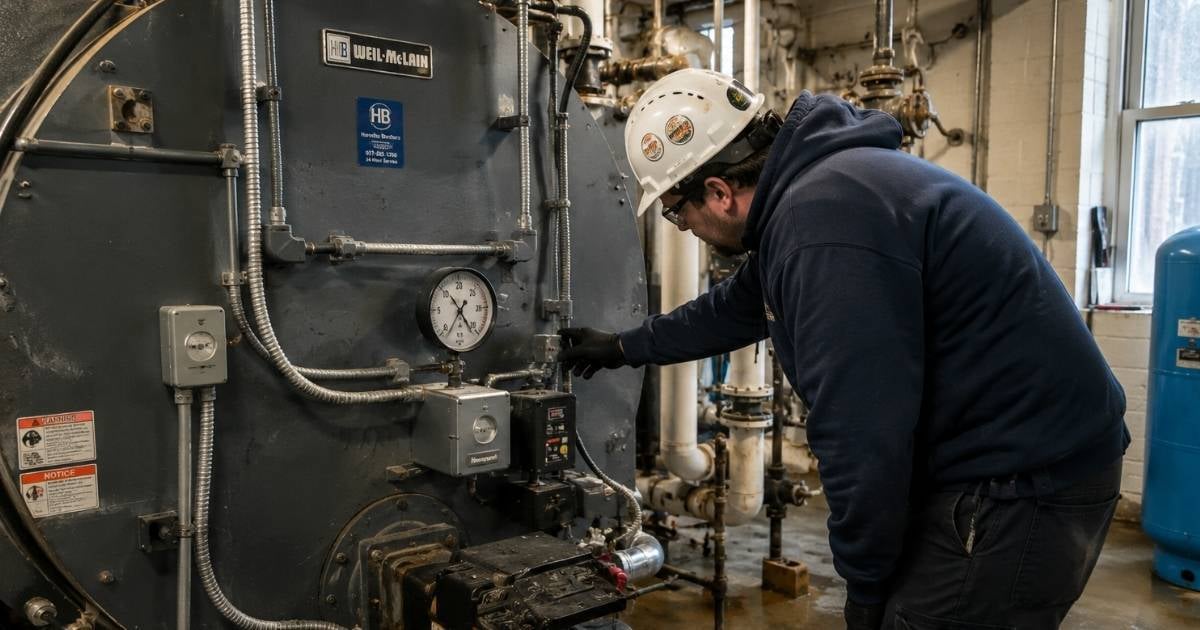
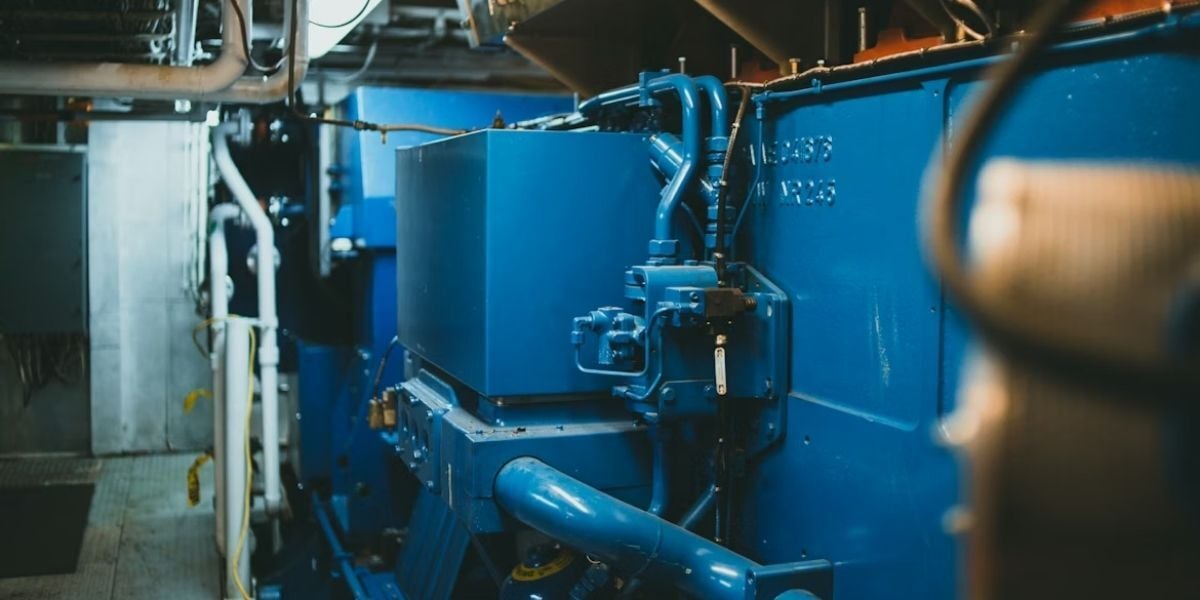
%20(35).jpg?width=296&height=395&name=Untitled%20(768%20x%201024%20px)%20(35).jpg) Very cold weather places significant stress on commercial heating systems. As outdoor temperatures drop, boilers must run longer and harder to maintain setpoints across larger spaces.
Very cold weather places significant stress on commercial heating systems. As outdoor temperatures drop, boilers must run longer and harder to maintain setpoints across larger spaces.
At the same time, freezing conditions can affect key system components. Condensate lines may freeze, intake and exhaust vents can become obstructed, and pressure fluctuations may occur across the system.
In commercial applications, where systems often run continuously during peak demand, these conditions increase the likelihood of safety shutdowns.
Frozen Condensate Lines in Commercial Systems
The most common cause of winter lockouts in condensing boilers is a frozen condensate line.
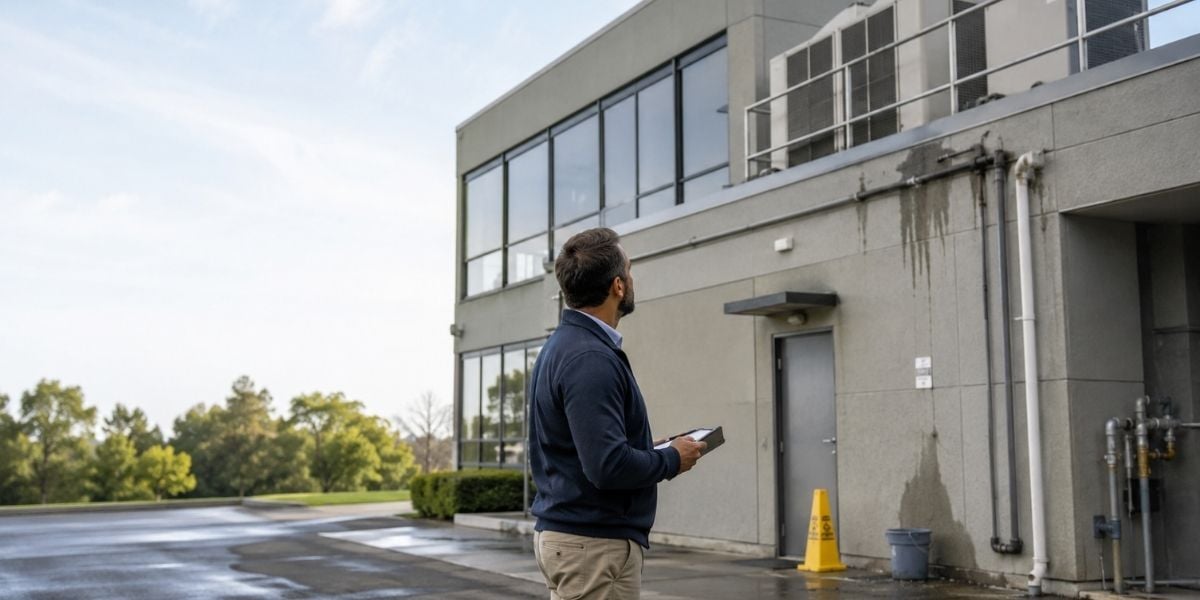
In commercial systems, condensate piping is often longer and may run through unconditioned spaces or outside the building envelope. This increases the risk of freezing during prolonged cold weather.
When the condensate line freezes, the system cannot properly drain acidic water produced during operation. As a result, the boiler shuts down to prevent internal damage.
In larger facilities, this issue can affect multiple units if they share drainage pathways, making it especially important to address it quickly.
Blocked Intake or Exhaust Vents
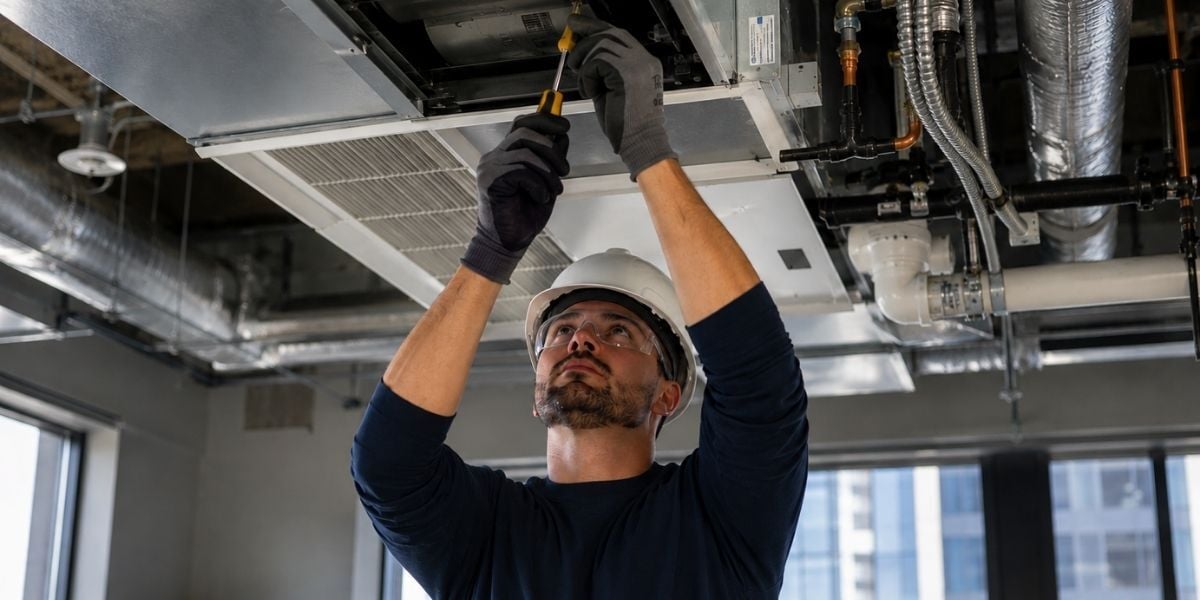
%20(36).jpg?width=273&height=364&name=Untitled%20(768%20x%201024%20px)%20(36).jpg) Commercial boilers rely on proper airflow to operate safely. In cold weather, snow, ice, or debris can block intake or exhaust vents located on rooftops or exterior walls.
Commercial boilers rely on proper airflow to operate safely. In cold weather, snow, ice, or debris can block intake or exhaust vents located on rooftops or exterior walls.
When airflow is restricted, combustion becomes unsafe or inefficient. The system will then lock out to prevent potential hazards.
This is a common issue in commercial buildings where vents are less visible and may not be checked regularly during storms.
Gas Supply Issues During Peak Demand
In extreme cold, overall gas demand increases across entire regions. For commercial buildings with large heating loads, this can lead to inconsistent or reduced gas pressure.
If the boiler cannot maintain a proper fuel supply, ignition failures or unstable operation may occur. In response, the system may lock out to protect itself.
This is more likely in older infrastructure or in buildings with high simultaneous demand across multiple systems.
Increased System Load and Continuous Operation
Commercial boilers often run near full capacity during cold weather. Unlike residential systems, they may operate continuously for extended periods to maintain temperature across large areas.
This sustained workload can expose underlying issues, such as component wear, scaling challenges, or control system faults. Sensors may detect irregular conditions, triggering a shutdown.
In many cases, cold weather does not create the problem, but it pushes the system hard enough to reveal it.
Sensor and Control System Issues
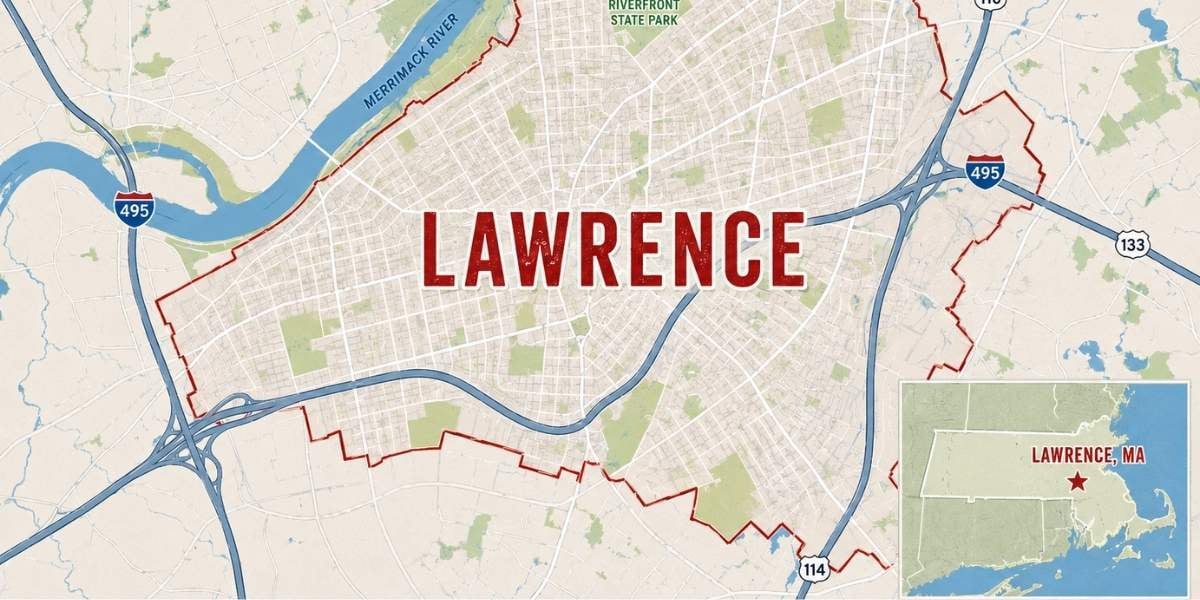
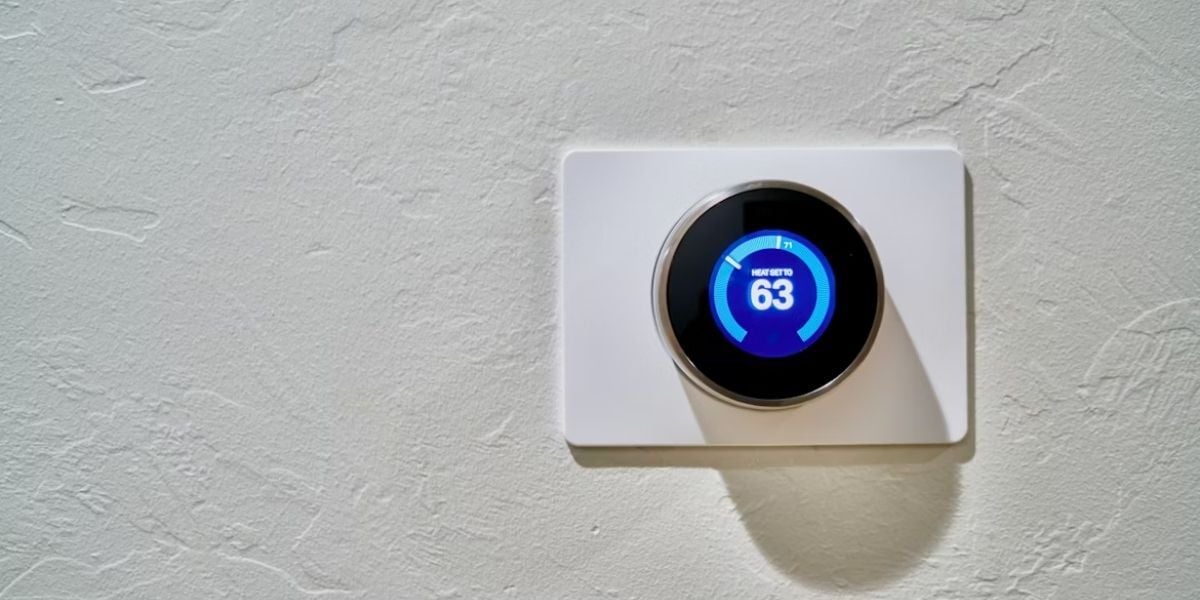
%20(37).jpg?width=290&height=386&name=Untitled%20(768%20x%201024%20px)%20(37).jpg) Modern commercial boilers rely heavily on sensors and control systems to monitor performance and ensure safety.
Modern commercial boilers rely heavily on sensors and control systems to monitor performance and ensure safety.
In freezing conditions, sensors can be affected by moisture, condensation, or temperature extremes. Faulty readings can cause the system to shut down even if the core components are functioning properly.
Additionally, integration with building management systems adds another layer where communication errors or misread data can contribute to lockouts.
System Pressure Fluctuations in Large Heating Loops
Cold weather can impact water volume and pressure throughout a commercial heating system. As temperatures drop, water contracts, which can lead to lower system pressure.
In large buildings with extensive piping networks, even small pressure changes can trigger safety shutdowns.
Maintaining proper pressure across all zones is critical to keeping the system running without interruption.
How to Prevent Boiler Lockouts in Commercial Buildings
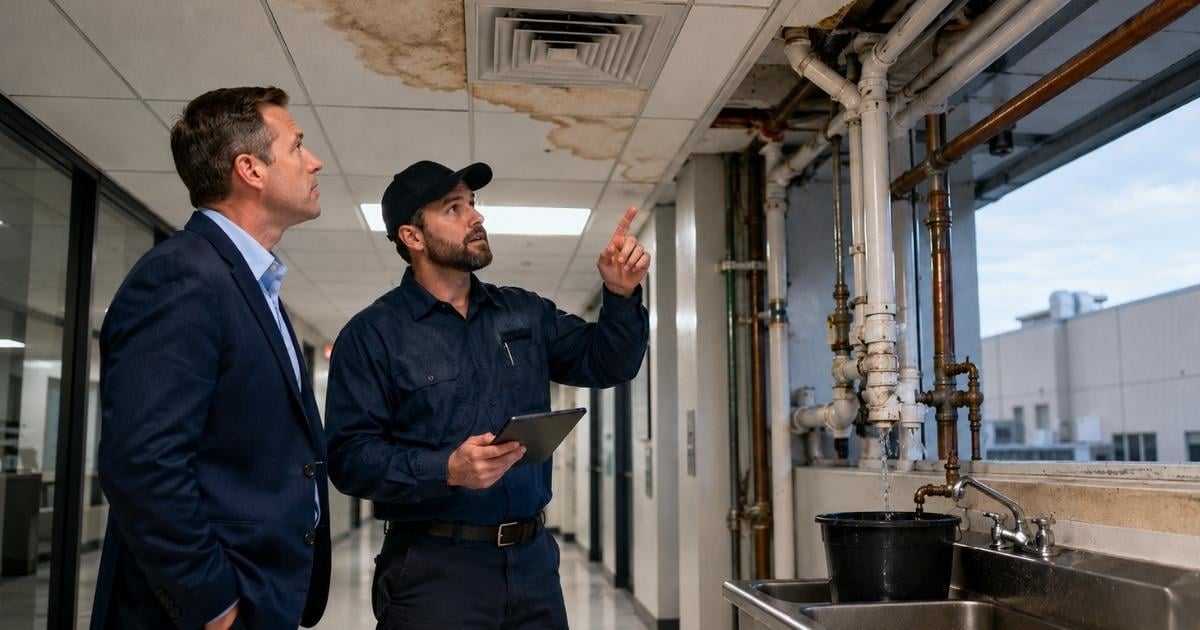
%20(38).jpg?width=314&height=419&name=Untitled%20(768%20x%201024%20px)%20(38).jpg) Preventing lockouts in a commercial setting requires a proactive approach.
Preventing lockouts in a commercial setting requires a proactive approach.
Condensate lines should be properly insulated and, in some cases, heat-traced to prevent freezing. This is especially important for piping exposed to outdoor temperatures or unheated mechanical spaces.
Regular inspection of intake and exhaust vents is essential, particularly after snowstorms or extreme weather events. Ensuring these pathways remain clear helps maintain safe operation.
Routine maintenance should be scheduled before and during the heating season. Commercial systems benefit from ongoing monitoring, not just annual service, to catch issues early.
Facility teams should also monitor system pressure and performance data through the building management system. Identifying small changes early can prevent larger failures.
Maintaining consistent operation, rather than allowing systems to cycle on and off dramatically, can also help reduce stress on components during extreme cold.
When Should You Call a Commercial HVAC Professional?
Some issues require immediate professional attention.
If your boiler repeatedly locks out, fails to restart, or shows consistent fault codes, it is important to bring in a qualified commercial HVAC technician. Delaying service can lead to larger system failures, downtime, or damage to expensive equipment.
Commercial systems are complex, and proper diagnosis requires experience with both mechanical components and control systems.
Why This Problem Matters for Commercial Facilities
Boiler lockouts in commercial buildings can have serious consequences. Loss of heat can disrupt business operations, affect tenant satisfaction, and even lead to safety concerns in certain environments.
In some cases, extended downtime can result in frozen pipes, property damage, or regulatory issues, depending on the facility type.
Understanding why these lockouts happen allows facility managers to respond quickly, reduce risk, and maintain reliable system performance.
Keep Your Building Running Through the Coldest Weather
When condensing boilers lock out during very cold weather, they are responding to conditions like frozen condensate lines, blocked vents, increased demand, or system imbalances. While these issues are common, they are often preventable with the right preparation and maintenance.
In the past, you may have had to react quickly to unexpected shutdowns. Now, you have a clearer understanding of what causes them and how to reduce the risk.
At Harold Brothers Mechanical, we work with commercial facilities to prevent these exact issues before they lead to downtime, helping building owners and facility managers keep their systems reliable through even the harshest New England winters.
Now that you understand why condensing boilers lock out in cold weather, the next step is to address another common performance issue in commercial systems: temperature swings. To learn how to fix uneven heating and improve comfort across your building, read our article: “Temperature Swing Fix: Zoning vs Controls vs Sensors.”
Topics: