
Why Do Some Commercial Buildings Have More HVAC Complaints Than Others
March 11th, 2026
3 min read
If you manage several commercial buildings, you may have noticed something frustrating. Some buildings rarely get HVAC complaints. Others seem to get them all the time.
One tenant says their office is freezing. Another says it feels too hot. A conference room suddenly becomes uncomfortable during meetings.
This can be confusing, especially when the buildings look similar or the HVAC equipment is about the same age.
For property owners and facility managers, these comfort complaints can quickly become a headache. The system may still be running, yet tenants continue to report uneven temperatures, weak airflow, or rooms that never reach the thermostat setting.
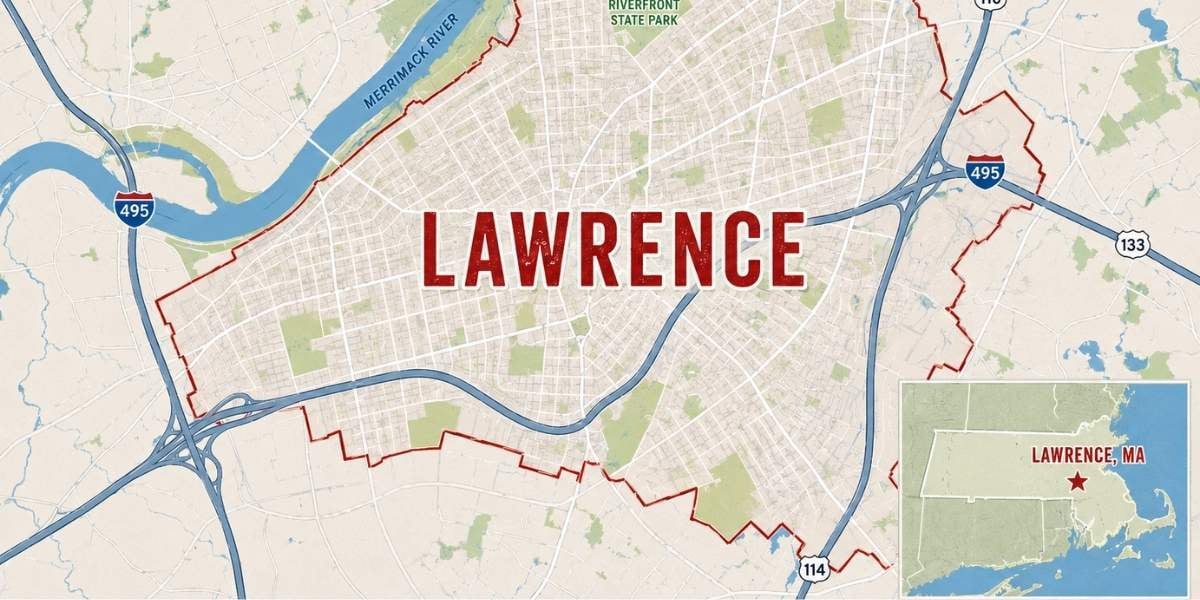
At Harold Brothers Mechanical, we work with commercial buildings across New England. One thing we often help property owners figure out is why some buildings develop repeated HVAC comfort issues while others run quietly in the background.
Let’s look at why some commercial buildings experience more HVAC complaints than others. In many cases, building design, tenant renovations, airflow problems, and aging equipment all play a role in indoor comfort.
Why Do Temperature Problems Develop in Commercial Buildings?
Commercial buildings are always changing.
People come and go throughout the day. Office equipment produces heat. Lighting systems add more load. Sunlight moves across the building, warming different sides at different times.
Outdoor weather also has a big impact, especially here in New England where conditions can change quickly.
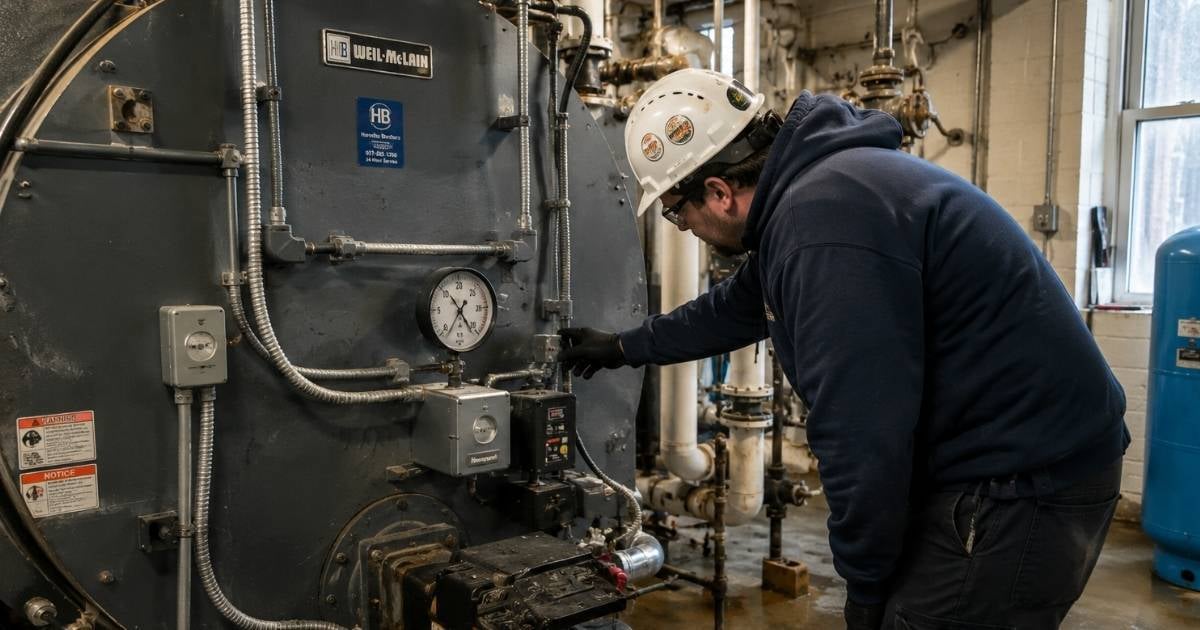
As I’m writing this, we’re still digging out from the recent blizzard that dropped several feet of snow across the region. During storms like that, heating systems often run almost nonstop. When outdoor temperatures fall that low, HVAC equipment has to work much harder to keep indoor spaces comfortable.
Extreme weather like this often reveals hidden problems in a building’s system. One area may stay warm while another struggles to reach the thermostat setting. Issues that were small before the storm suddenly become easy to notice.
When everything is working properly, these adjustments happen quietly in the background. Most people inside the building never think about the HVAC system.
But when airflow, controls, or system balance begin to change, certain areas start to feel the difference. One office may become warmer than expected while another stays cooler.
These small changes are often the first signs of future comfort complaints.
How Does Building Design Affect HVAC Comfort?
The way a building is designed can make a big difference in how evenly it heats and cools.
For example, offices with large windows often receive more sunlight in the afternoon. That extra solar heat can make those areas warmer than other parts of the building. Spaces on the south or west side of a building usually feel this the most.
Interior offices without windows are different. These rooms rely completely on the HVAC system for airflow and temperature control.
If the HVAC system was not designed or adjusted to handle these differences, some areas may always feel slightly warmer or cooler than others.
Over time, tenants begin to notice these patterns.
Why Do HVAC Problems Appear After Tenant Renovations?
Commercial buildings rarely stay the same for long.
Tenants move in and out. Offices get remodeled. Walls are added or removed. New conference rooms are created. Computers, printers, and other equipment add more heat to certain areas.
Even small layout changes can affect how air moves through the building.
For example, moving a wall or lowering a ceiling can change the way air travels through a space. Areas that once received proper airflow may suddenly receive less.
The HVAC system may still be operating the same way it always has. The difference is that the building it serves has changed.
What once felt balanced can slowly become uneven, leading to comfort complaints.
Why Do Commercial HVAC Systems Lose Performance Over Time?
Heating and cooling systems usually do not fail all at once.
Instead, they slowly lose performance over many years.
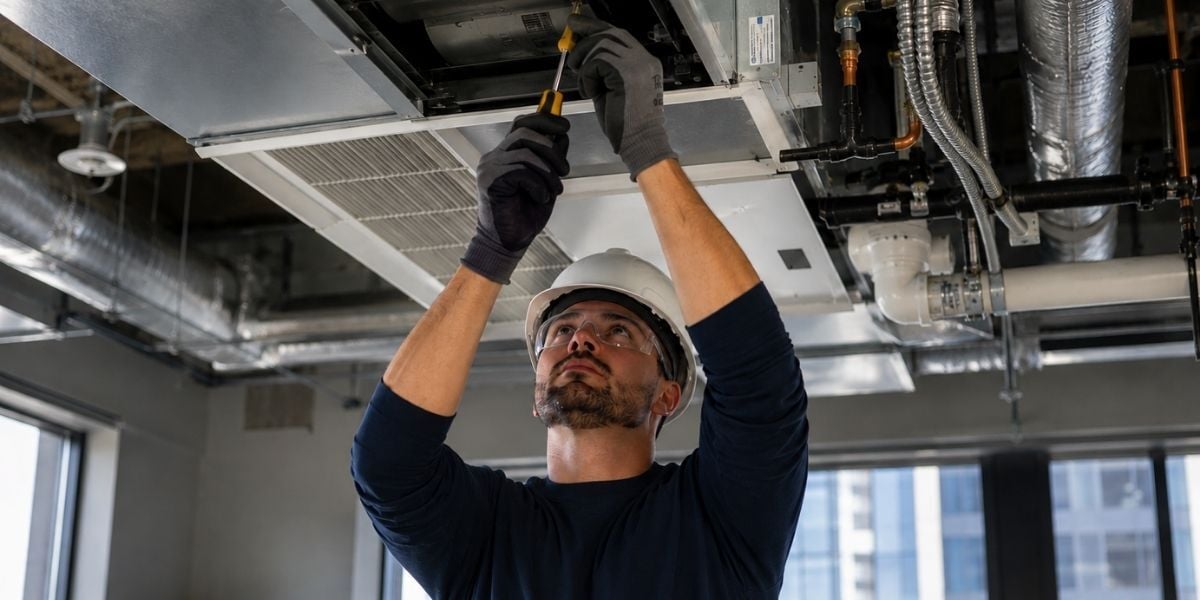
Coils collect dust and debris. Motors wear down after thousands of hours of operation. Sensors may begin reading temperatures slightly incorrectly. Air filters restrict airflow as they become dirty.
The system still runs, but it has to work harder to do the same job.
As performance drops, certain areas of the building may struggle to stay comfortable during busy times of day or during extreme weather.
What used to feel stable may start to feel unpredictable.
What Causes Uneven Airflow in Commercial HVAC Systems?
Many HVAC comfort complaints are actually caused by airflow problems.
Heating and cooling equipment can only control temperature if air reaches the spaces that need it. When airflow becomes uneven, certain areas of the building start to feel uncomfortable.
Several common issues can affect airflow in commercial buildings, including:
- duct systems that have become unbalanced over time
- dampers that are not opening or closing properly
- clogged air filters that restrict airflow
- tenant renovations that changed airflow patterns
When airflow becomes uneven, one tenant may receive plenty of conditioned air while another nearby struggles to maintain temperature.
This is why two offices in the same building can experience opposite comfort problems at the same time.
Why Are Tenant HVAC Complaints Often the First Warning Sign?
Temperature complaints in commercial buildings rarely come from just one cause.
As we’ve discussed, building design, tenant renovations, airflow balance, and aging HVAC equipment can all affect how well a system maintains comfort.
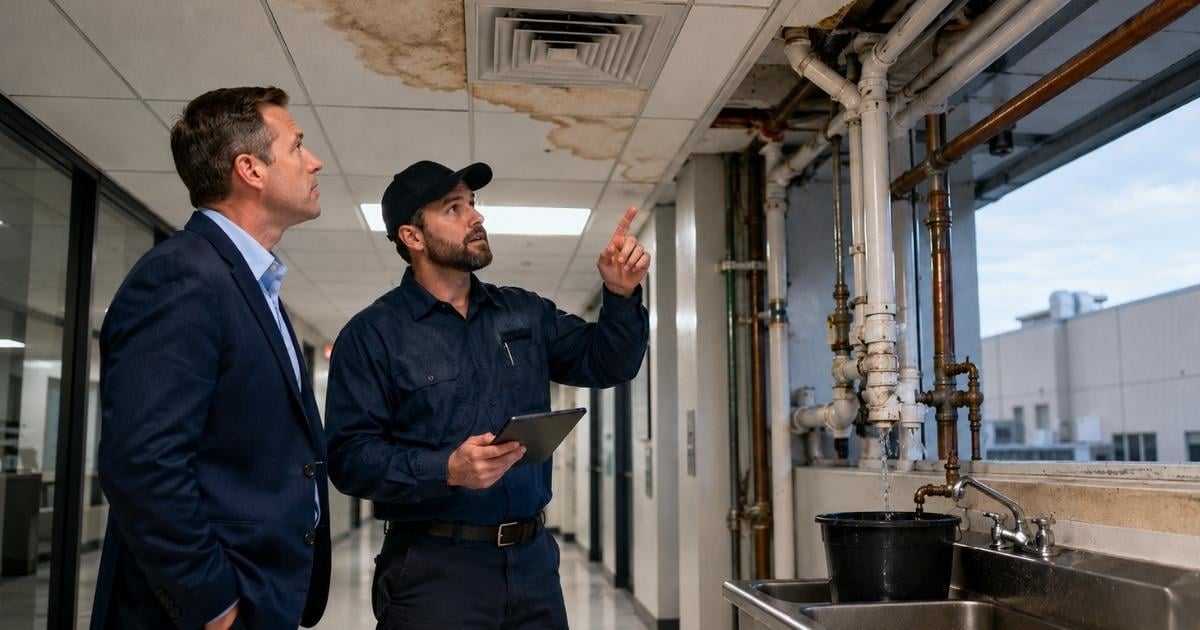
If you manage a building where tenants frequently report rooms that are too hot, too cold, or lacking airflow, those complaints are often the first sign that something in the HVAC system has changed.
Recognizing these patterns early can help property owners fix small issues before they turn into larger comfort or performance problems.
At Harold Brothers Mechanical, we’ve worked with hundreds of commercial property owners to diagnose HVAC performance issues and restore system balance so buildings operate more reliably.
If tenant complaints are becoming more frequent in your building, the next step is understanding what those complaints are telling you about your HVAC system.
In our next article, we’ll explore why tenants constantly complain about HVAC in commercial buildings and what those complaints often reveal about system performance.
John Flaherty is the Senior Director of Business Development at Harold Brothers Mechanical, where he plays a key role in fostering client relationships and driving strategic growth. With nearly two decades of experience holding a real estate license, John brings a deep understanding of business development and market dynamics to his role. Before joining Harold Brothers, John dedicated 15 years to education administration at Boston College High School, where he helped shape institutional advancement efforts. A proud alumnus of BC High, he continues to serve on the school's Alumni Advisory Council, strengthening connections within the community. As a contributing author for Harold Brothers Mechanical, John leverages his diverse professional background to provide insightful articles on industry trends, business strategies, and company developments.
Topics: