
If your commercial HVAC system never seems to stop running, it’s more than an annoyance. It can impact comfort, productivity, and energy costs.
Maybe some areas of your building feel fine while others don’t, and your system just keeps running.
At Harold Brothers Mechanical, we hear this all the time from business owners and facility managers: “Why is our HVAC system always running, but our building still isn’t comfortable?”
The good news is that a few common issues usually cause this problem, and most can be fixed. In this article, you’ll learn why this happens and what you can do about it.
What It Means When Your HVAC System Runs All the Time
When a commercial HVAC system runs constantly, it usually means it is struggling to maintain the set temperature across your building.
In most commercial spaces, thermostats or building controls are set to keep temperatures within a certain range. If the system cannot reach that range, or if the building loses heating or cooling too quickly, the system keeps running.
This does not always mean the system is broken. However, it does mean that something in the system or the building is not working efficiently.
Your System May Not Be Properly Sized for Your Building
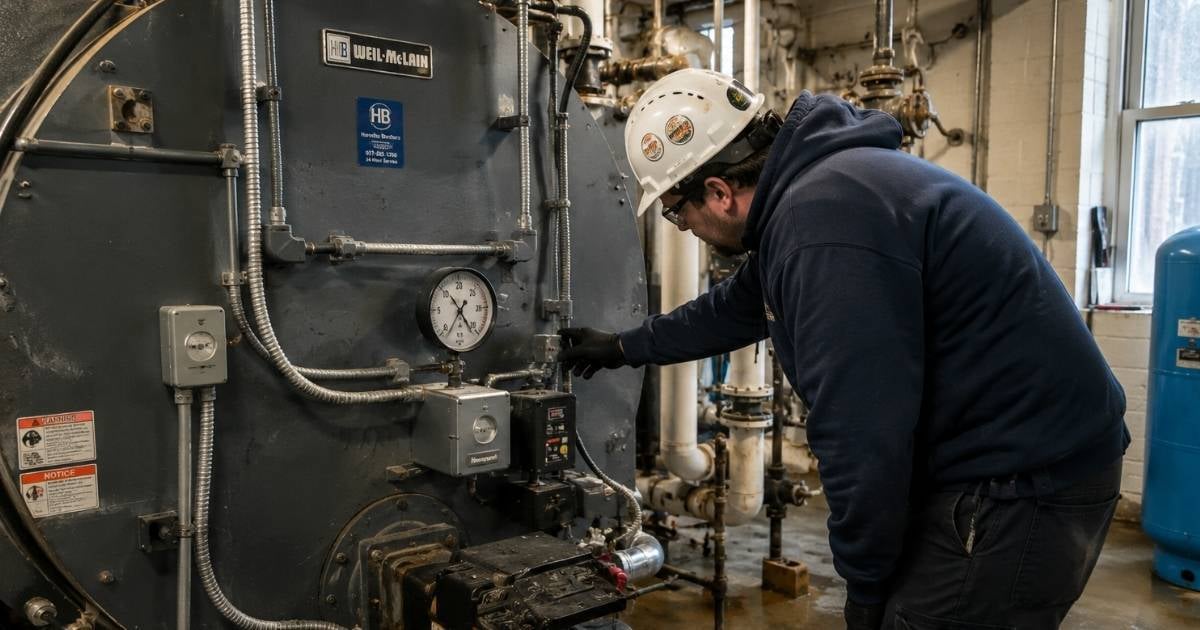
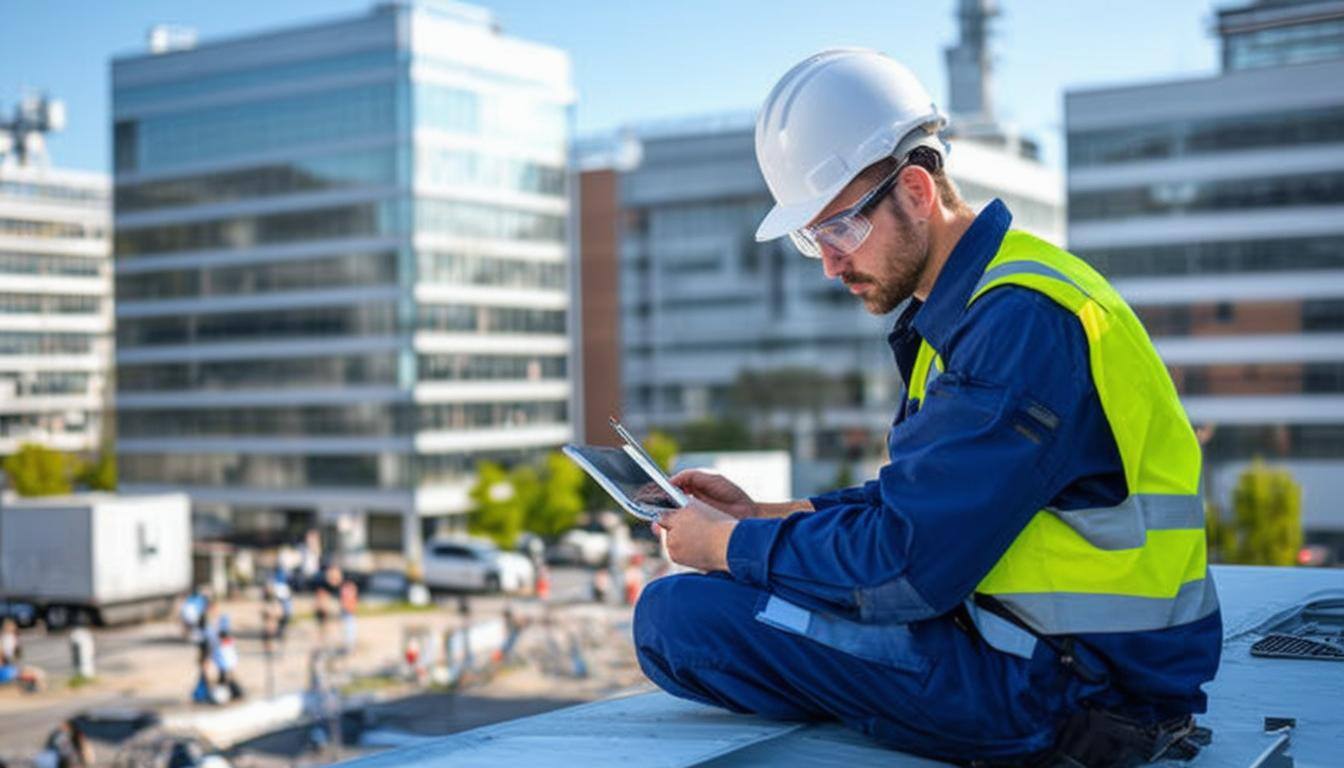
%20(26).jpg?width=275&height=367&name=Untitled%20(768%20x%201024%20px)%20(26).jpg) Sizing is even more important in commercial HVAC than in residential systems.
Sizing is even more important in commercial HVAC than in residential systems.
If your system is too small for your building, it will run almost nonstop trying to keep up with demand. This is especially common in buildings that have expanded, changed use, or added equipment over time.
If the system is too large, it may cycle on and off too quickly. In commercial spaces, this can lead to poor humidity control, uneven temperatures, and uncomfortable conditions for occupants.
Your Building May Have Insulation or Envelope Issues
Commercial buildings rely on proper insulation and a well-sealed structure to maintain indoor comfort.
If your building envelope is weak, air can easily escape. This includes problems with walls, roofing, windows, and doors. In large buildings, even small gaps can add up to significant energy loss.
When conditioned air escapes, your HVAC system must run longer to replace it, leading to constant operation and inconsistent comfort.
Air Leaks and Infiltration Are Increasing the Load
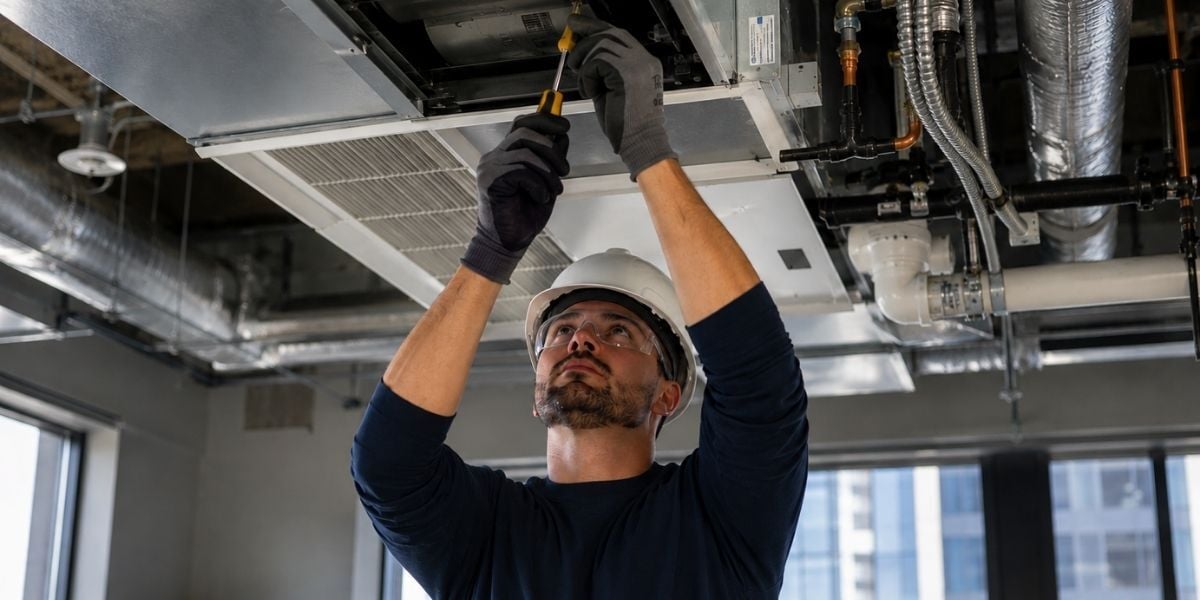
%20(27).jpg?width=272&height=363&name=Untitled%20(768%20x%201024%20px)%20(27).jpg) Air leaks are a major issue in commercial spaces, especially in buildings with high foot traffic.
Air leaks are a major issue in commercial spaces, especially in buildings with high foot traffic.
Every time doors open, outside air enters. If your building also has gaps around doors, windows, or loading docks, this effect worsens.
This is known as air infiltration, and it increases the workload on your HVAC system. As a result, the system runs longer but may still struggle to maintain consistent temperatures.
Your Ductwork or Air Distribution System Has Problems
In commercial buildings, air distribution is more complex than in homes.
If ductwork is leaking, poorly designed, or unbalanced, air will not reach all areas evenly. Some zones may get too much air, while others get too little.
This leads to hot and cold spots throughout the building, even while the system is running constantly.
In larger facilities, issues with dampers or zoning controls can also disrupt proper airflow.
Your Building Controls or Thermostats May Be Misconfigured
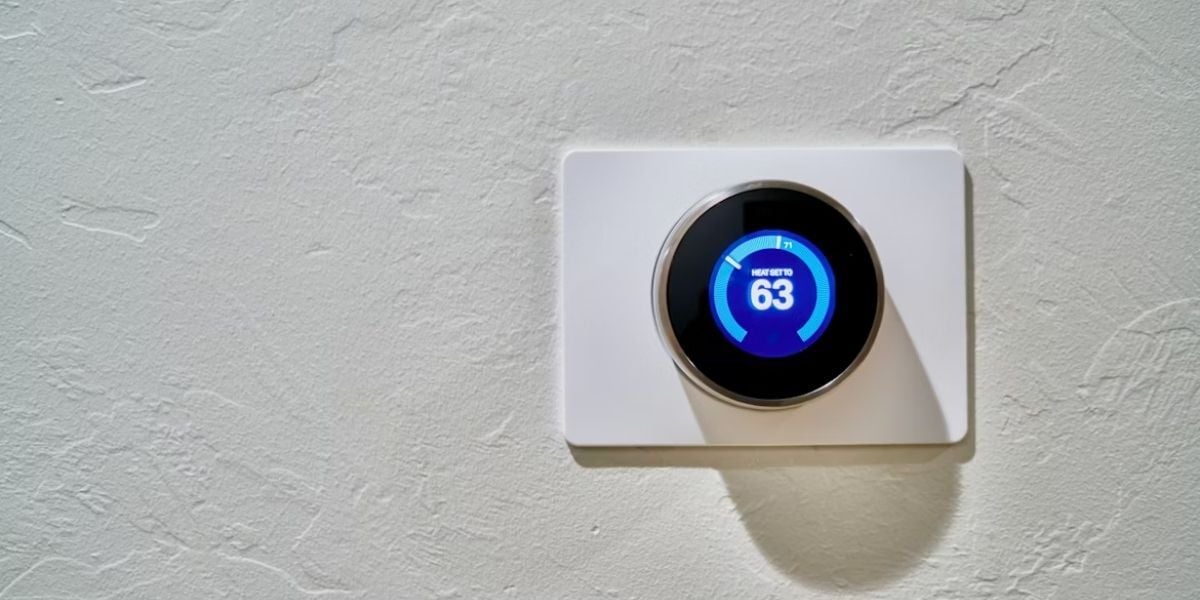
%20(28).jpg?width=272&height=363&name=Untitled%20(768%20x%201024%20px)%20(28).jpg) Commercial HVAC systems often rely on advanced controls, not just a single thermostat.
Commercial HVAC systems often rely on advanced controls, not just a single thermostat.
If these controls are not set up correctly, they can send the wrong signals to your system. For example, one zone may call for cooling while another calls for heating, causing the system to work harder than necessary.
Poor sensor placement can also lead to incorrect temperature readings, which keeps the system running longer than it should.
Dirty Filters and Restricted Airflow Are Slowing the System
Airflow is critical in any HVAC system, but especially in commercial settings.
When filters become clogged, airflow is restricted. This forces the system to run longer to move air through the building.
In high-use buildings, filters can become dirty much faster than expected. If they are not changed regularly, comfort will drop, and energy use will rise.
Lack of Maintenance Is Reducing Efficiency
Commercial HVAC systems are complex and require routine maintenance to perform well.
Over time, components like coils, fans, and refrigerant systems can become dirty or worn. Even small issues can reduce efficiency and make it harder for the system to keep up.
When maintenance is skipped, the system often runs longer while delivering worse results.
Internal Heat Loads Are Higher Than Expected
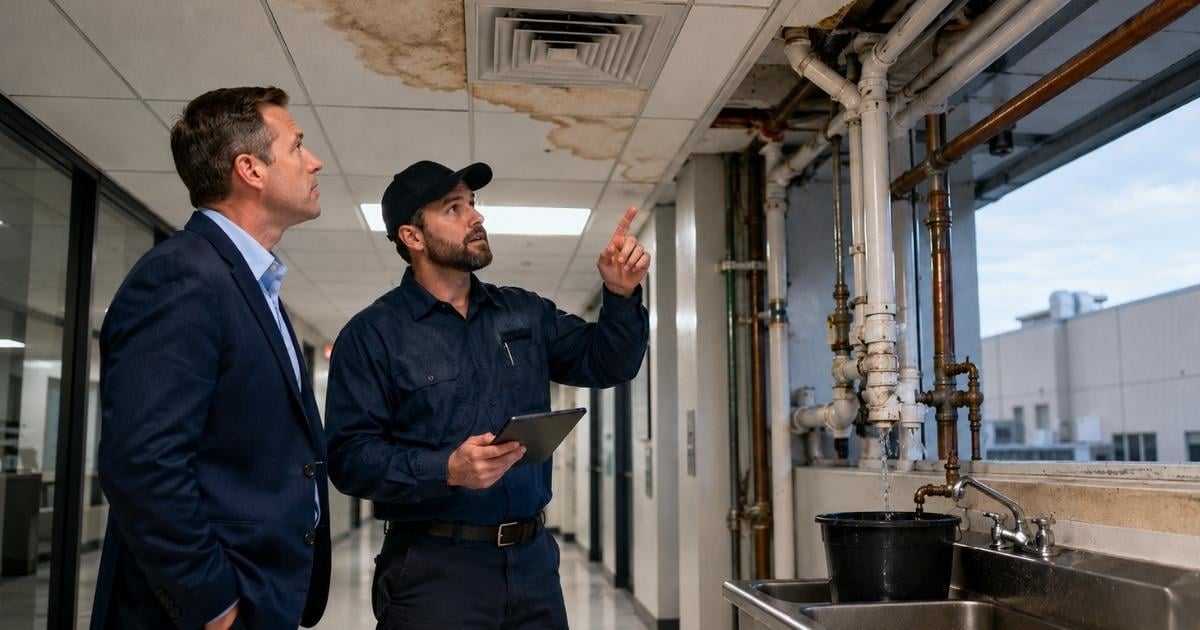
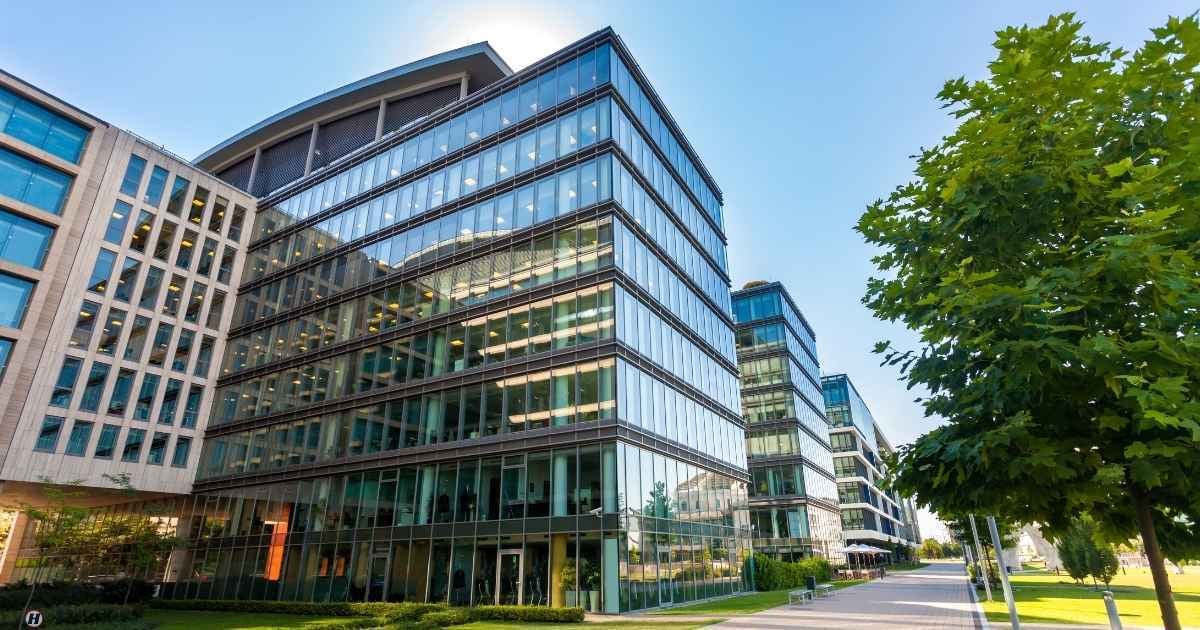
%20(29).jpg?width=257&height=342&name=Untitled%20(768%20x%201024%20px)%20(29).jpg) Commercial buildings often have additional heat sources that homes do not.
Commercial buildings often have additional heat sources that homes do not.
Lighting, computers, machinery, and even people generate heat. If your building has added new equipment or increased occupancy, your HVAC system may be handling more heat than it was designed to.
This extra load can cause the system to run constantly while still struggling to maintain comfort.
Uneven Airflow and Zoning Issues Affect Comfort
Many commercial buildings are divided into zones, each with its own temperature needs.
If airflow is not properly balanced between these zones, some areas will feel comfortable while others will not.
Issues with dampers, duct design, or system controls can cause this. When airflow is uneven, it often feels like the system is not working, even when it is running all the time.
How to Fix the Problem
Fixing this issue starts with identifying the root cause.
In some cases, simple steps like replacing filters or checking system settings can improve performance. However, commercial HVAC problems are often more complex and require a deeper evaluation.
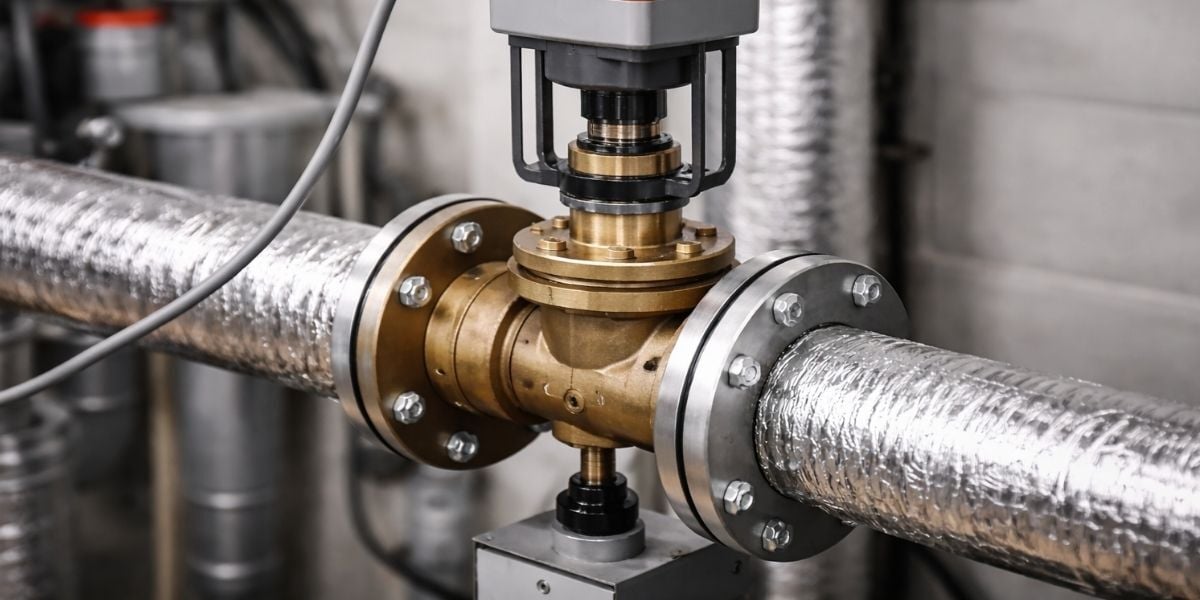
A professional inspection can help identify issues such as incorrect system sizing, duct leakage, control problems, or building envelope weaknesses.
In some cases, improvements like sealing air leaks, upgrading insulation, or adjusting airflow can make a significant difference. In others, system upgrades or redesigns may be needed to match the building’s current use.
When You Should Be Concerned
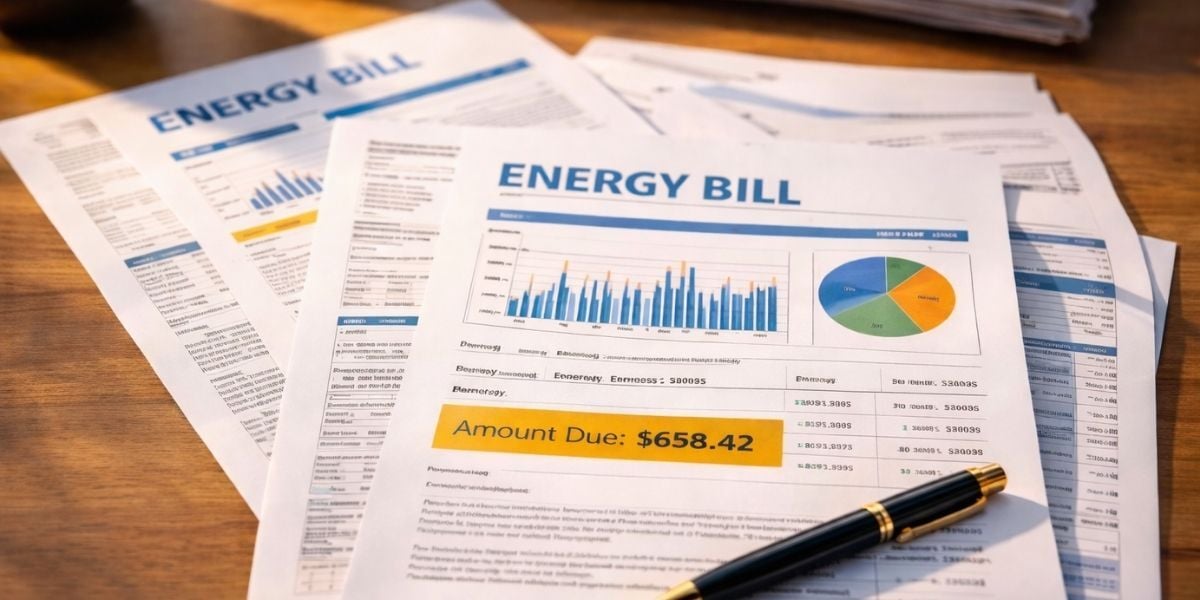
It’s normal for commercial HVAC systems to run more during extreme weather or busy periods. However, if your system runs constantly, your building still feels uncomfortable, or your energy costs keep rising, it’s a clear sign that something isn’t working as it should.
In many cases, the issue comes down to system size, airflow, insulation, controls, or maintenance. In a commercial setting, these problems don’t just affect comfort; they can impact employee productivity, customer experience, and operating costs.
The key is identifying the root cause early and addressing it before the problem gets worse.
What to Do Next
If your building has ongoing comfort issues, now you understand why your HVAC system may be running constantly and what could be causing it.
Start by addressing simple issues like filters and system settings. If the problem continues, a professional evaluation can help uncover deeper problems and recommend the right solution.
At Harold Brothers Mechanical, we help business owners and facility managers solve HVAC challenges like this every day. Whether the solution is a simple fix or a larger upgrade, the goal is to create a comfortable, efficient environment for your building.
For more insights on HVAC temperature problems, your next step is to read our article, “Temperature Swing Fix: Zoning vs Controls vs Sensors.” It breaks down the key differences between these solutions so you can better understand what’s causing discomfort in your building and which option is the right fit for your system.
Topics: