

If you manage an office building, you’ve probably dealt with this before.
One tenant says their space is too hot. Another says it is freezing. A conference room feels fine in the morning but becomes uncomfortable by the afternoon.
You check the system. Everything appears to be running.
So why do the complaints keep coming?
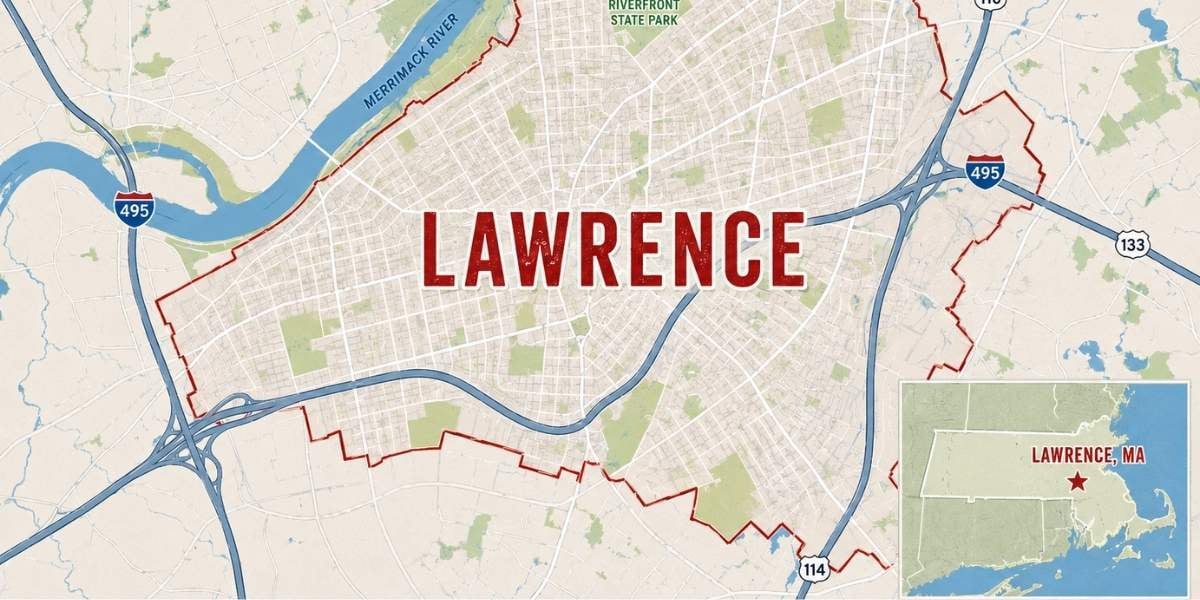
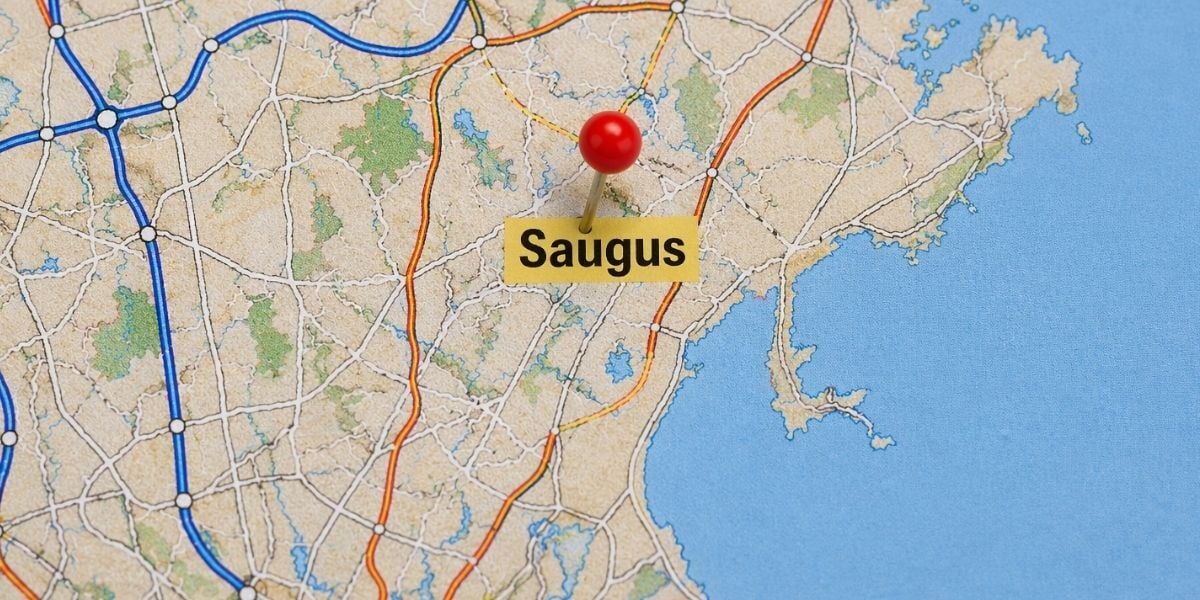
At Harold Brothers, we see this across office buildings throughout Massachusetts, New Hampshire, and Rhode Island. Most of the time, the system is not failing. The issue is that airflow, controls, and building usage are no longer working together the way they should.
In this article, we will break down why temperature problems keep showing up, what is really causing them, and what building owners can do to reduce these complaints.
Why Do Some Offices Feel Too Hot While Others Feel Too Cold?
Office buildings are rarely balanced perfectly.
Different spaces inside the same building have completely different heating and cooling needs. A conference room with ten people will heat up quickly. An office with large windows may gain heat in the afternoon. Interior spaces may struggle to get enough airflow.
Over time, these differences become more noticeable.
As systems age and airflow changes, the gap between these spaces grows. Some areas start getting too much conditioned air, while others do not get enough. This is often what leads to ongoing temperature swings that are difficult to control.
If this sounds familiar, it is worth taking a closer look at what is actually causing these temperature swings and how they can be corrected.

How Does Airflow Affect Office Temperature Problems?
In most cases, temperature complaints are not caused by a lack of heating or cooling capacity. They are caused by how air is moving through the building.
When airflow is balanced, conditioned air reaches each space as intended. When it is not, comfort breaks down.
Here is what we typically see:
- Some zones receive too much airflow and feel overcooled or overheated
- Other zones do not receive enough air and struggle to maintain temperature
- Air does not circulate properly, which can make spaces feel stuffy or uneven
Many buildings experiencing these issues also report that the air feels heavy or uncomfortable even when temperatures seem close to setpoint.
In office environments, airflow is one of the biggest drivers of comfort. When it is off, complaints increase quickly.
Why Do Temperature Problems Get Worse Over Time?
These problems rarely appear overnight. In most buildings, they develop slowly as small issues build up.
Equipment wears down. Dampers stop responding as precisely. Sensors drift slightly out of calibration. Ductwork may begin to leak. Layout changes alter how air moves through the space.
None of these issues seem major on their own. Together, they change how the system performs.
This is also why many owners notice their systems running longer than they used to without improving comfort.
When performance shifts like this, the system is still operating. It is just no longer delivering air the way it was originally designed to.
 Can Changes Inside the Office Cause Temperature Issues?
Yes, and this is one of the most common causes.
We worked with an office in Weymouth that was converted from an open layout into smaller offices. They also added more computers and a small IT room.
At first, it looked like the system was not working.
Some areas felt warm and stuffy. Others felt too cold. Complaints started coming in almost immediately.
Nothing was broken. The space had simply changed.
New walls blocked airflow paths. Equipment added heat that the system was not designed to handle. The HVAC system was still running, but it was no longer aligned with how the space was being used.
This happens often in office buildings. As layouts change and demand increases, the original system design no longer matches real conditions.
Why Do Some Rooms Feel Stuffy Even When the System Is Running?
Temperature is only part of comfort. Air movement and ventilation also play a major role in how a space feels. Even if the temperature is close to setpoint, a lack of airflow can make a room feel uncomfortable.
This is especially common in conference rooms and enclosed offices. When airflow is limited, spaces can feel stagnant. This is often why tenants report that a room feels stuffy even though the HVAC system is running.
In many cases, this points back to airflow balance, damper operation, or ventilation issues rather than a heating or cooling problem.
Why Do These Complaints Keep Coming Back?
Many property owners fix one issue, only to have another complaint appear in a different area.
That is because the problem is rarely isolated.
Temperature complaints are usually the result of how the entire system is performing. Airflow, controls, maintenance, and building usage all play a role.
If one part of the system is adjusted without addressing the others, the problem often shifts instead of going away.
This is where ongoing maintenance becomes important. Regular service helps identify and correct these small performance issues before they turn into larger comfort problems.
Skipping maintenance or delaying adjustments allows these issues to build, which often leads to more frequent complaints over time.
What Is the Best Way to Reduce Temperature Complaints?
If temperature complaints are becoming more frequent, the goal is not just to respond to each issue as it comes up.
It is to understand how the system is performing as a whole.
In many cases, improving comfort comes down to:
- Evaluating airflow and system balance
- Verifying that controls and sensors are working correctly
- Reviewing how the building is currently being used compared to its original design
This is where a structured maintenance approach can make a major difference. A well-designed plan helps keep systems aligned with real building conditions and reduces the likelihood of ongoing complaints
It can also help lower operating costs and prevent problems from escalating into larger repairs.
Understanding Why Temperature Problems Keep Happening
If tenants keep reporting temperature issues, it does not always mean the system is failing.
Most of the time, it means the building, the system, and how the space is being used are no longer aligned.
As these gaps grow, comfort becomes harder to maintain, and complaints become more frequent.
The next step is understanding why some buildings experience more HVAC complaints than others. In the next article, we break down the specific building conditions that lead to these patterns and what to look for in your own property.
At Harold Brothers, we help commercial property owners across New England identify the root causes behind these issues and take practical steps to improve comfort, reduce complaints, and keep systems running efficiently.
Topics: